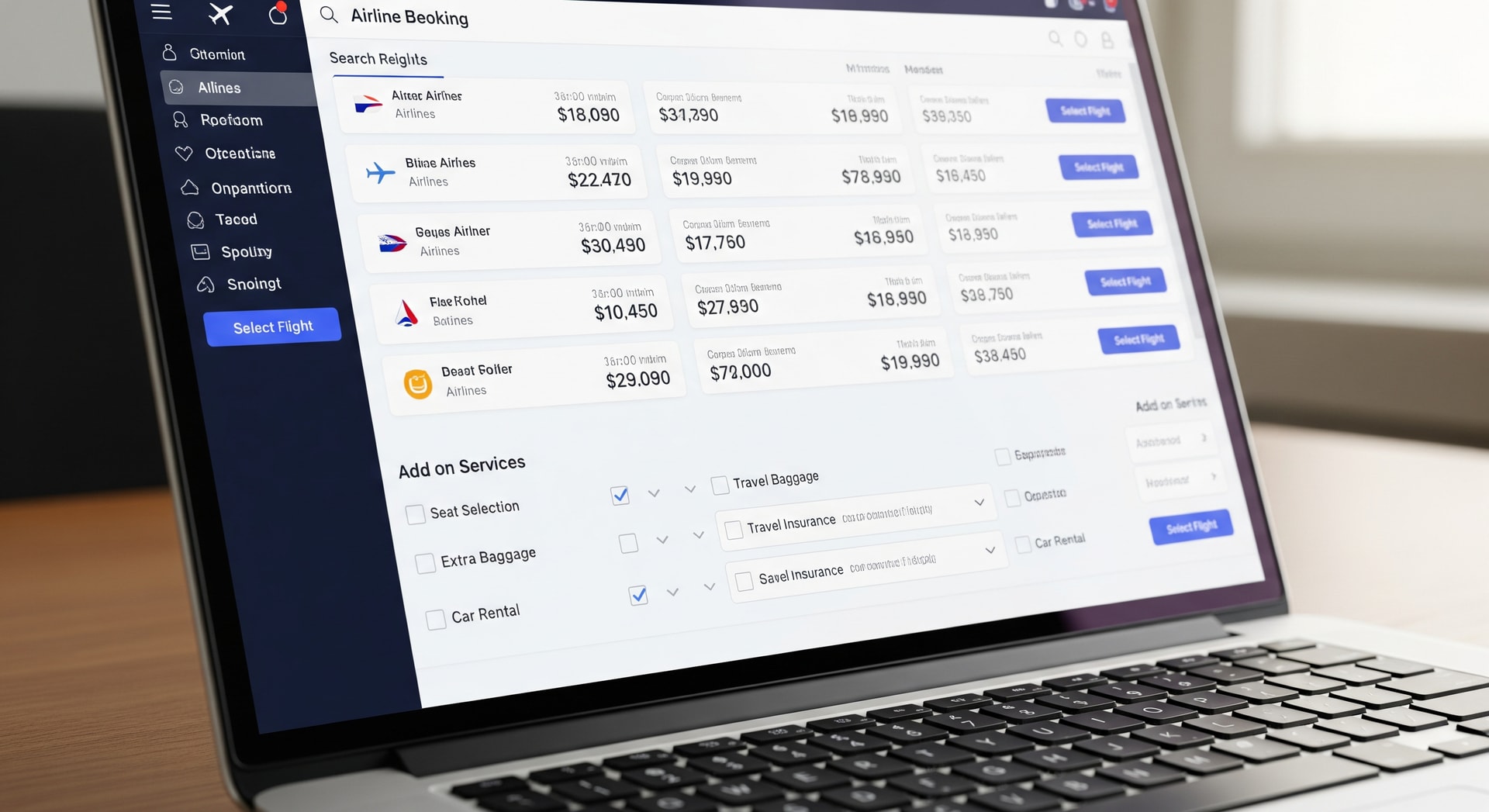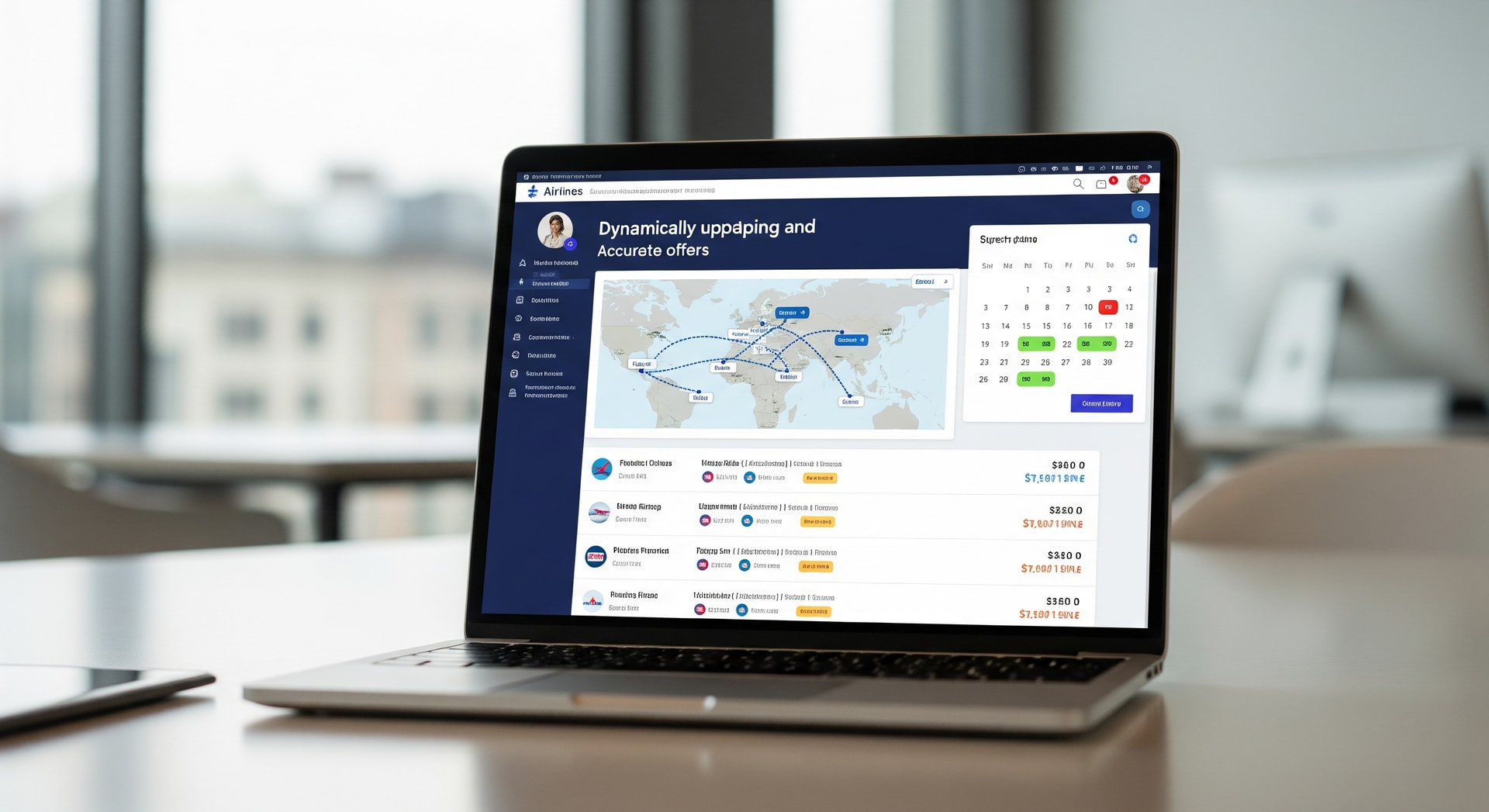
Sabre cache-powered intelligent shopping is designed to reduce look-to-book constraints by delivering accurate, bookable air offers in under half a second, according to Sabre Corporation.
Summary: Sabre Corporation has launched SabreMosaic Cache-powered Intelligent Shopping, an AI-driven tool aimed at easing look-to-book constraints by returning bookable flight offers in under 500 milliseconds. Sabre says deployments have shown up to a 28% reduction in look-to-book ratios and up to 95% accuracy compared with live polling, while combining EDIFACT, NDC, low-cost carrier and private content via APIs and a predictive cache.
Sabre Corporation says it has introduced SabreMosaic Cache-powered Intelligent Shopping, a new AI-based shopping capability intended to help travel sellers cope with look-to-book constraints while still returning fast, bookable flight options. The company announced the launch from SOUTHLAKE, TEXAS, positioning the product as a way to deliver accurate air offers in under half a second while reducing the operational burden created by high volumes of flight searches.
What Sabre launched and what it is designed to do
According to Sabre, the solution is built to return “sub-second” results that remain bookable, while also lowering look-to-book ratios across multiple types of air content. It brings together traditional EDIFACT content, NDC offers, low-cost carrier (LCC) options, and agency private content through a set of agentic-friendly APIs, supported by a scalable predictive cache.
Sabre says the goal is to help travel agencies respond faster to travellers while controlling the cost and risk that can come with frequent, high-volume shopping—particularly when suppliers may impose penalties tied to excessive shopping activity or when live systems are under load.
How predictive caching and AI decisioning work
The company says Cache-powered Intelligent Shopping uses Sabre IQ predictive algorithms to decide when it should query airline systems in real time and when it can return cached results that are continuously validated. Sabre describes this as an “intelligent decisioning” approach intended to keep results aligned with live airline offers while limiting unnecessary live polling and reducing the risk of showing outdated fares.
- Target response time: under half a second, with Sabre citing under 500 milliseconds for traditional flight content
- Reported performance in measured deployments: up to a 28% reduction in look-to-book ratios
- Reported accuracy: up to 95% compared with live polling
“As agencies grapple with fragmented air content and rising traffic costs, our goal is to deliver bookable offers at scale,” said Garry Wiseman, Chief Product & Technology Officer at Sabre.
“Cache-powered Intelligent Shopping pairs smart AI decisioning with continuous offer validation so agencies can reduce look-to-book ratios, protect against airline penalties, and convert more shoppers without hand tuning rules or stitching together multiple systems.”

Standardising results across EDIFACT, NDC and LCC content
Sabre positions the product as a single framework that can work across multiple air content sources, with the intent of standardising how results are structured and delivered. The company says this can make common shopping tasks—such as sorting, ranking, and personalisation—easier to implement, while also lowering development complexity and ongoing maintenance for agencies and travel sellers.
Performance during disruptions and peak demand
Sabre says the solution is designed to keep performance steady when supplier response times fluctuate, during irregular operations, or when demand spikes due to promotions. The company adds that its fallback logic is intended to maintain offer reliability and conversion when traffic is at its highest.
Reducing failed bookings and manual rework
By narrowing the gap between what is displayed during shopping and what is ultimately available at booking, Sabre says Cache-powered Intelligent Shopping is intended to cut down on failed bookings, manual fare checks, and repeated re-shopping cycles. The company notes that this can translate into higher agent productivity, cleaner downstream data, and more predictable shopping performance across different markets and seasons.
Pilot partner Wego on agentic flight shopping
Sabre said Wego participated as a pilot partner and reported improvements in flight search speed, efficiency, and accuracy. Wego’s leadership linked the work to expectations that look-to-book ratios will rise as “agentic” shopping becomes more common.
“We started co-developing with Sabre 24 months ago, anticipating agentic flight shopping where look-to-book ratios increase asymptotically,” said Ross Veitch, CEO and Co-founder of Wego.
“Sabre’s multi-source solution brings GDS, NDC and LCC content into a single data cube – pre-generated offers at sub-second response times, cost-effectively at scale. It’s core to making Wego the travel app for the discerning AI.”
Where it fits in the SabreMosaic Travel Marketplace
Sabre said Cache-powered Intelligent Shopping is part of the SabreMosaic Travel Marketplace, which it describes as a modular platform for multi-source retailing. The company says the marketplace combines distribution, intelligence, and agentic-friendly APIs to support modernised shopping experiences.
Why this matters to travellers and the travel industry
For travellers, faster and more reliable flight shopping can reduce the chances of seeing a fare that disappears at checkout, while potentially shortening the time it takes to compare options across different airline content types. For agencies and travel platforms, Sabre’s focus on reducing look-to-book ratios and limiting live polling is aimed at lowering operational strain and mitigating the risk of airline penalties—factors that can influence how consistently flight offers are displayed and booked during peak periods.
Sources