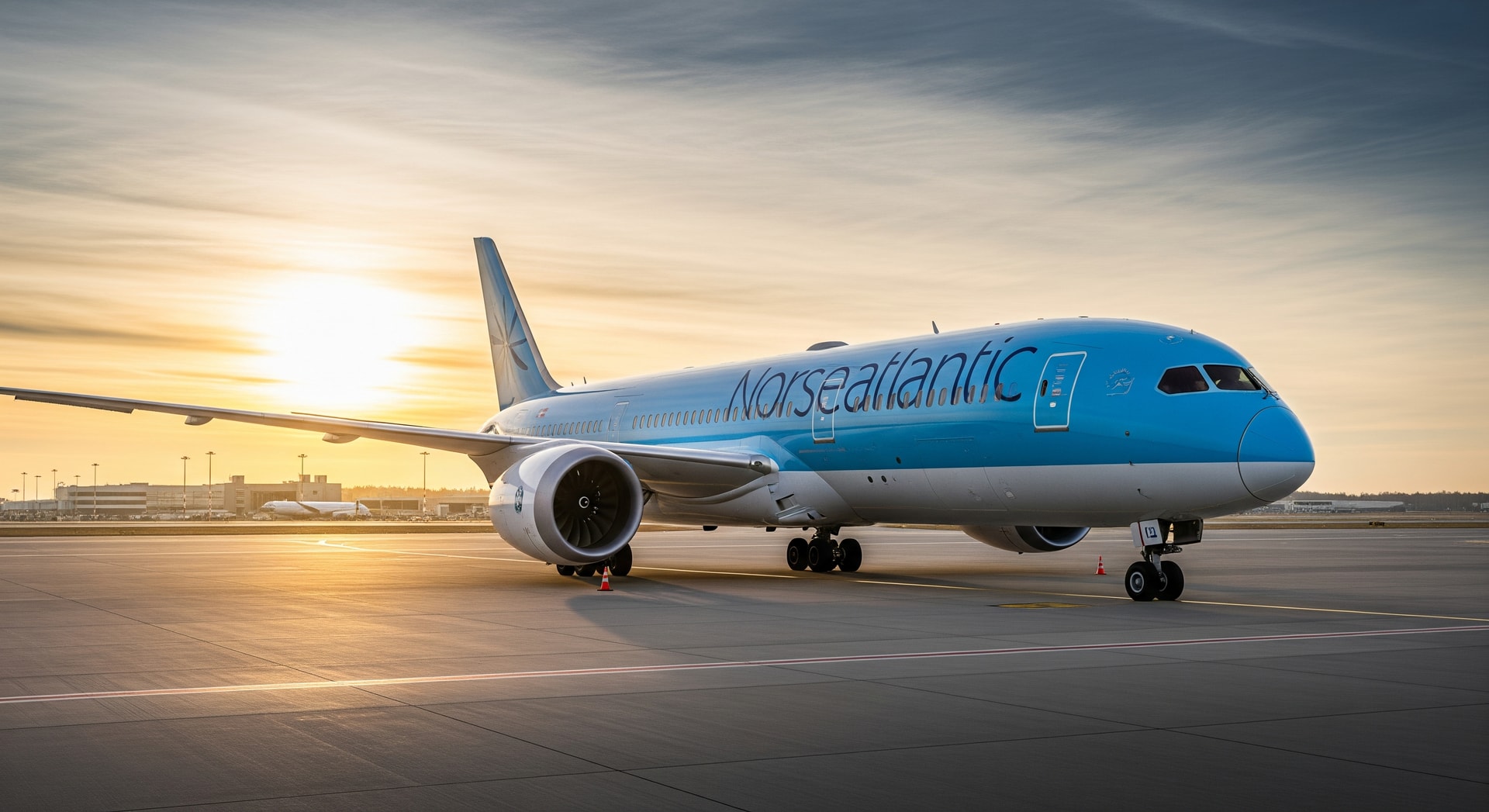
Norse Atlantic ACMI operations mark a major strategic shift as the airline moves most of its 787-9 fleet into long-term wet-lease contracts and trims its own scheduled routes.
Summary: Norse Atlantic has pivoted from a full-scale scheduled long-haul carrier to a hybrid ACMI and limited scheduled-service model, finalising delivery of its sixth and final Boeing 787-9 to IndiGo and moving the bulk of its Dreamliner fleet into long-term ACMI contracts.
Norse Atlantic ACMI operations now form the core of the airline’s business after it completed a major reorganisation that shifts the carrier away from competing as a large-scale scheduled long-haul operator. The change follows the delivery of the sixth and final Boeing 787-9 to IndiGo and moves most of Norse’s Dreamliner fleet into long-term wet-lease agreements.
Why Norse made the switch
Facing the financial volatility of the low-cost long-haul market, Norse Atlantic Airways has chosen a model that prioritises predictable revenue streams. By concentrating on ACMI contracts — wet-leasing aircraft, crew, maintenance and insurance to other carriers — the airline aims to smooth out the seasonal peaks and troughs that come with running a full scheduled network.
What ACMI operations involve
ACMI arrangements provide the full aircraft package — plane, crew, maintenance and insurance — to another airline. For Norse, this means steady, contract-based income and more efficient utilisation of its widebody fleet, reducing exposure to fuel-price swings and demand variability on transatlantic routes.
- ACMI offers reliable cash flow through multi-year contracts.
- It helps avoid underuse of widebody aircraft during off-peak seasons.
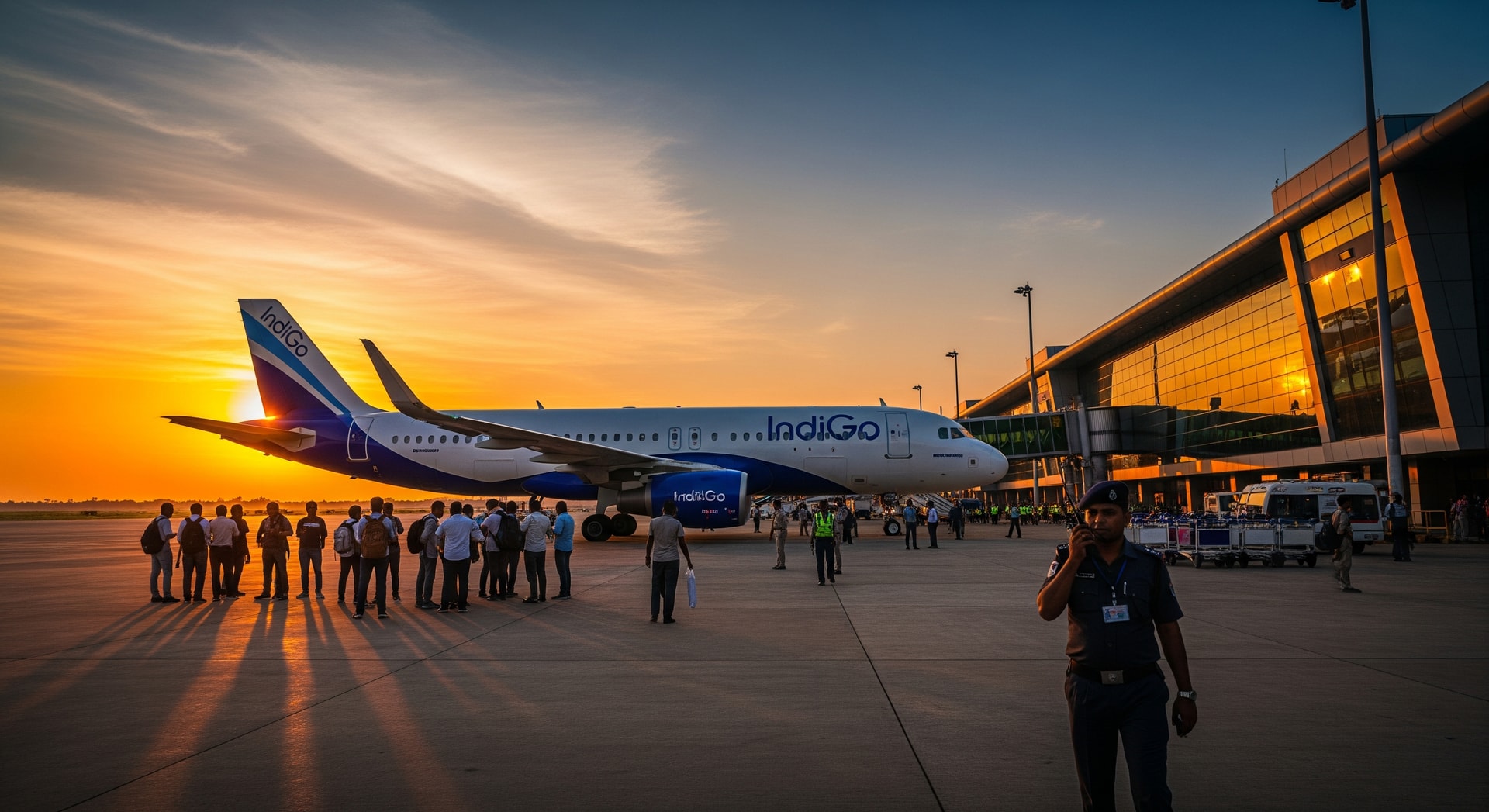
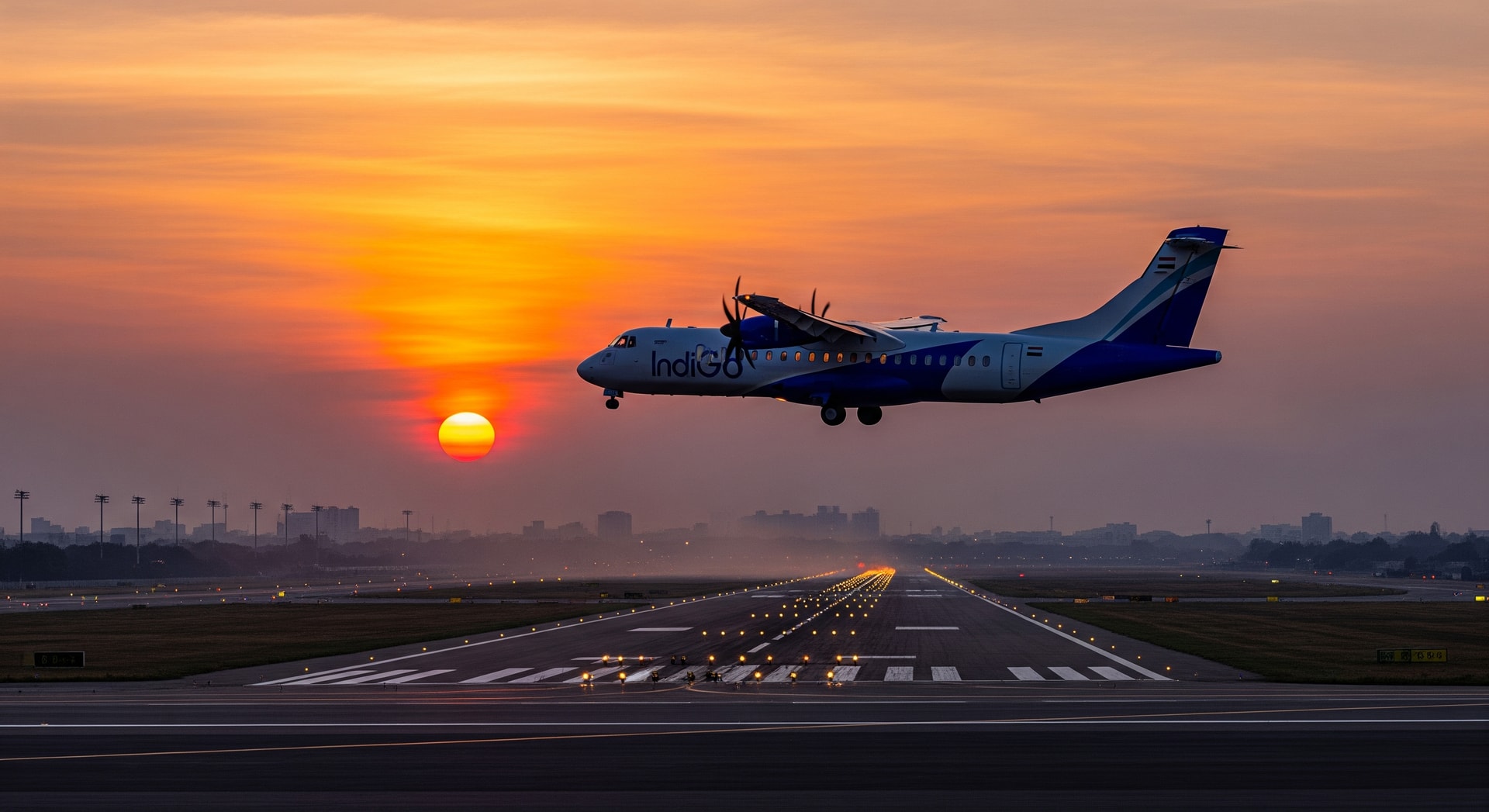
- Norse has secured long-term partnerships, including deals with IndiGo.
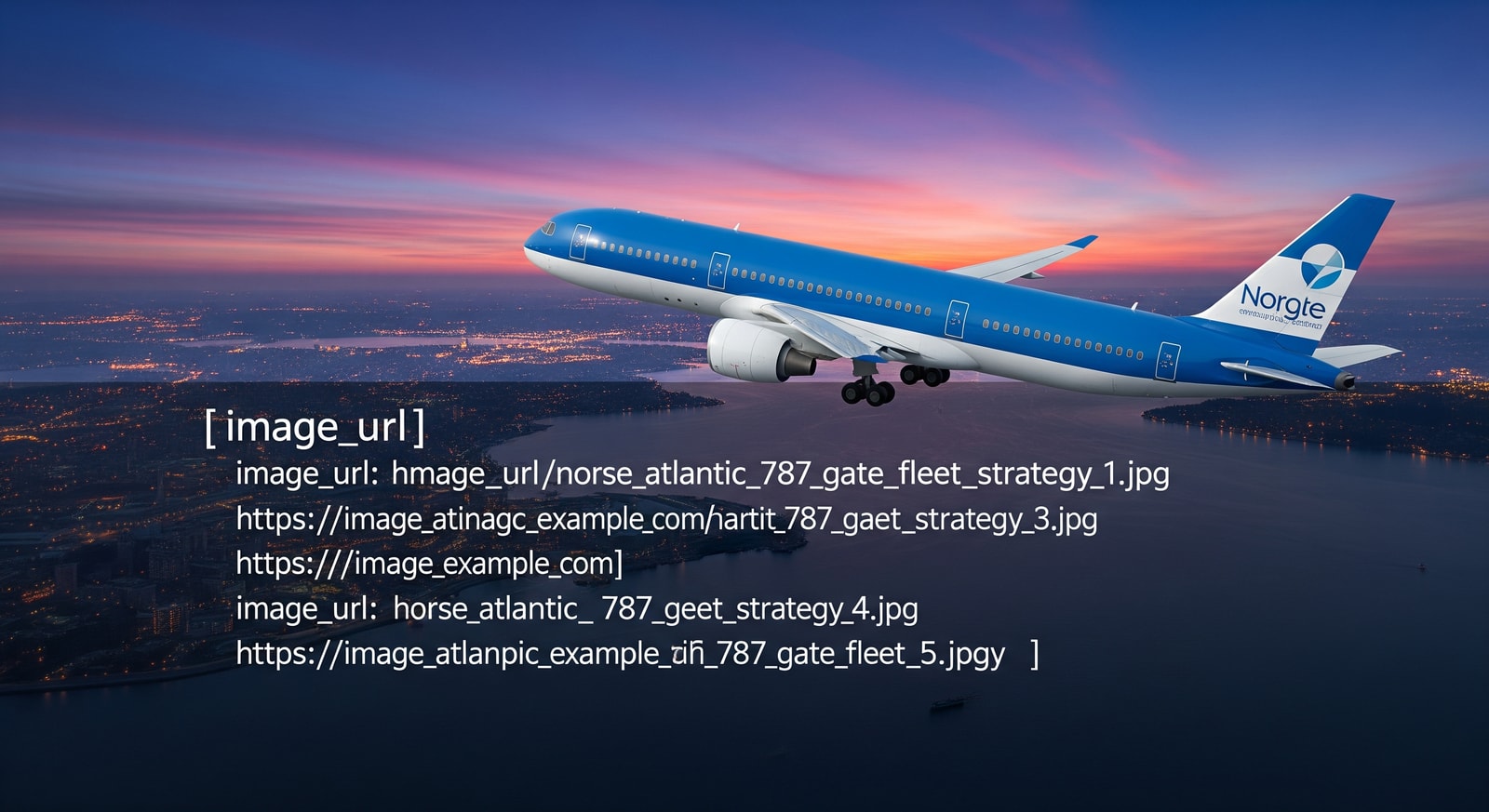
The handover of the sixth and final Boeing 787-9 to IndiGo marks the end of Norse’s rapid growth phase and the start of its role as an ACMI supplier. That move places a large portion of the airline’s Dreamliners into long-term wet-lease contracts with other carriers.
Impact on routes and passengers
As Norse moves most flying into ACMI contracts, its own scheduled network has been pared back to a handful of seasonal and opportunistic routes. Customers who previously relied on Norse-branded services to destinations such as New York, Los Angeles and Oslo may see fewer direct options under the Norse name.
Potential benefits for travellers
Although there may be fewer Norse-branded flights on major long-haul corridors, passengers could still gain from the change. Other airlines operating leased Norse aircraft may add capacity on popular international routes, and the ACMI model can bring more flexibility and quicker market responses during peak seasons.
Sustainability and reliability aspects
Norse is retaining its fleet of Boeing 787 Dreamliners, which are more fuel efficient than older widebodies. The airline says this focus on modern, efficient aircraft will continue to support environmental goals while also improving operational reliability, since consistently used aircraft typically face fewer disruptions related to underutilisation.
- Fewer delays and cancellations from underused aircraft.
- Sustained environmental benefits from fuel-efficient Dreamliners.
- Greater predictability for partner airlines booking capacity.
For travellers and industry observers, Norse’s move signals a broader trend: carriers are increasingly seeking contract-based revenue through ACMI to reduce exposure to volatile ticket markets. While this means the Norse brand may be less visible on some routes, passengers should expect more widebody seats operated by a variety of carriers, often without a Norse flight number.
Why this matters: So what? The airline’s pivot affects route availability, competition and how widebody capacity is deployed. Travellers should monitor carriers and schedules rather than brands alone, as international flights once marketed under Norse may reappear under partner airlines operating Norse aircraft. For the aviation industry, the shift highlights growing demand for flexible, contract-based solutions to meet long-haul capacity needs while managing financial risk.
Sources