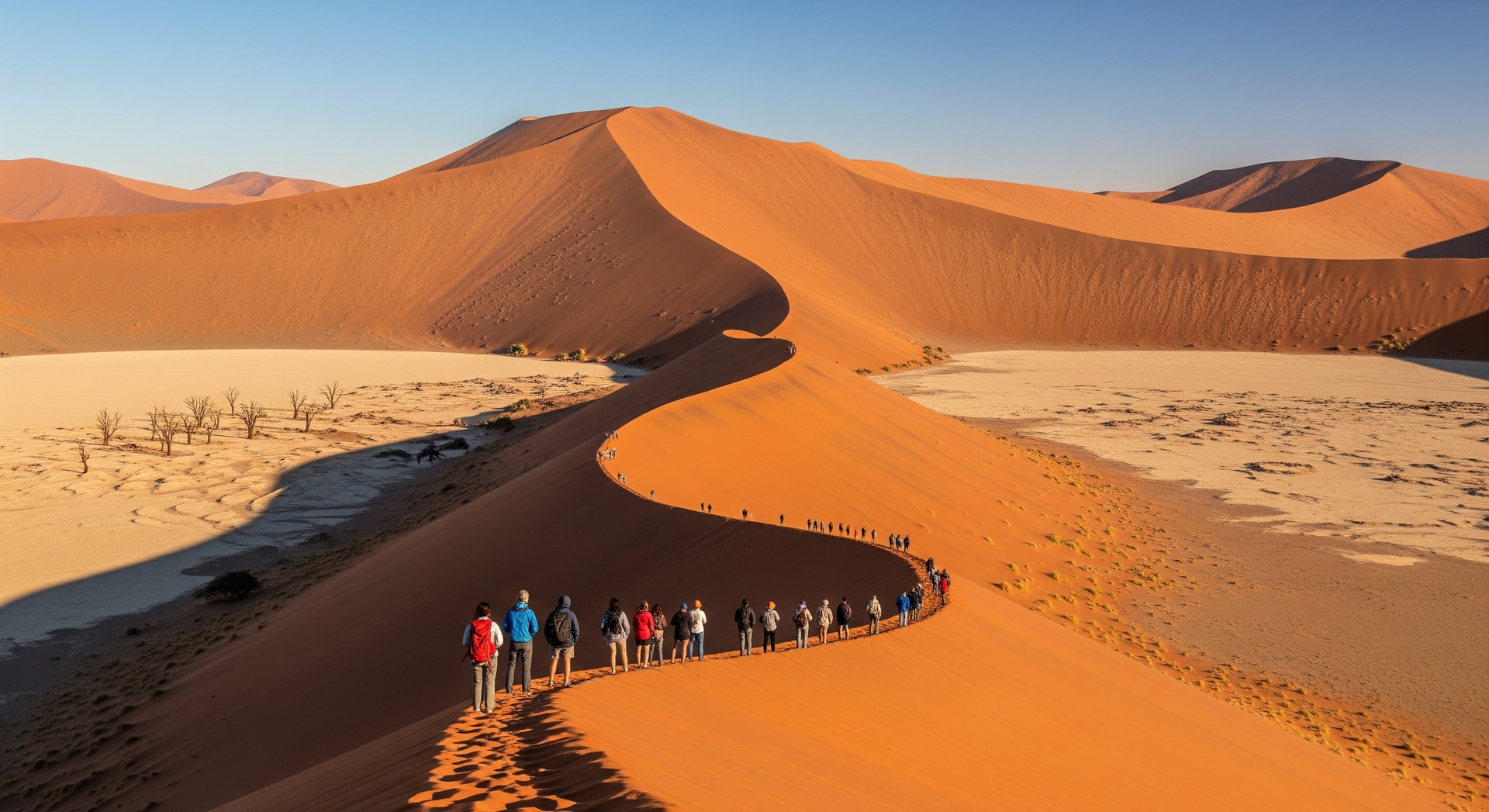
Namibia tourism is accelerating as the country adopts digital tools and sustainable practices alongside Morocco, Egypt, Ghana and Tunisia to reshape travel across Africa.
Summary: Namibia joins Morocco, Egypt, Ghana and Tunisia in accelerating tourism through digital tools—like VR, AI apps and e-ticketing—combined with community-driven sustainability and eco-friendly offerings.
Across Africa, a new wave of tourism development is emerging as countries pair digital innovation with environmentally conscious practices. Namibia tourism is increasingly prominent in this trend, joining regional leaders such as Morocco, Egypt, Ghana and Tunisia to promote immersive, responsible travel experiences that benefit visitors and local communities alike.
Namibia: wild landscapes meet modern tech
Namibia has long been prized for its vast, undisturbed scenery—from the sand seas of Sossusvlei to the rocky escarpments of Damaraland. Now the country is amplifying its appeal through digital marketing and smart tourism tools. Virtual reality showcases, AI-driven mobile apps and streamlined e-ticketing make it easier for potential visitors to preview and plan trips across wide distances, while digital bookings simplify access to remote attractions.
Community-based conservation and sustainable benefits
A distinguishing feature of Namibia’s approach is its community conservancy model, which channels tourism revenue back to rural populations and supports wildlife protection. This locally rooted model demonstrates how tourism can deliver both economic opportunity and conservation gains, appealing to travellers seeking meaningful, low-impact experiences.
Morocco: digital storytelling and cultural reach
Morocco continues to lead North Africa in tourism digitalisation, investing in apps that guide visitors through medinas, real-time event updates and broad social media campaigns. Partnerships with international sport and cultural platforms have raised Morocco’s global profile, while digital storytelling highlights not only heritage sites but also adventure offerings such as desert treks and mountain routes.
Egypt: ancient sites enhanced by AR and VR
Egypt is pairing its unparalleled archaeological attractions—like the Pyramids of Giza and Nile Valley temples—with immersive technologies. Augmented and virtual reality experiences, as well as virtual museum tours, let audiences explore heritage sites digitally, increasing global interest while physical infrastructure is upgraded. Egypt is also integrating greener tourism options, from eco-lodges to lower-impact desert excursions.
Ghana: heritage-led growth meets digital access
Ghana’s tourism resurgence, catalysed by the Year of Return in 2019, continues with an emphasis on digital engagement. The country’s tourism platforms and booking tools aim to personalise visitor experiences, while community-driven initiatives—such as craft-led tours and local guides—ensure tourism income reaches neighbourhoods and preserves cultural traditions.
Tunisia: smart tourism and sustainable infrastructure
Tunisia is leveraging smart-city concepts to enhance visitor journeys—integrated transport apps, online bookings and destination management systems simplify travel between sites like Carthage and Sidi Bou Said. At the same time, the country is promoting eco-friendly practices including water conservation, waste reduction and green certification for tourism businesses.
- Digital tools: VR/AR previews, AI-powered apps, e-ticketing and integrated booking systems
- Marketing: targeted social campaigns and global partnerships to boost visibility
- Sustainability: community conservancies, eco-lodges, renewable energy and waste management
- Community focus: local-led tours and revenue-sharing models that support livelihoods
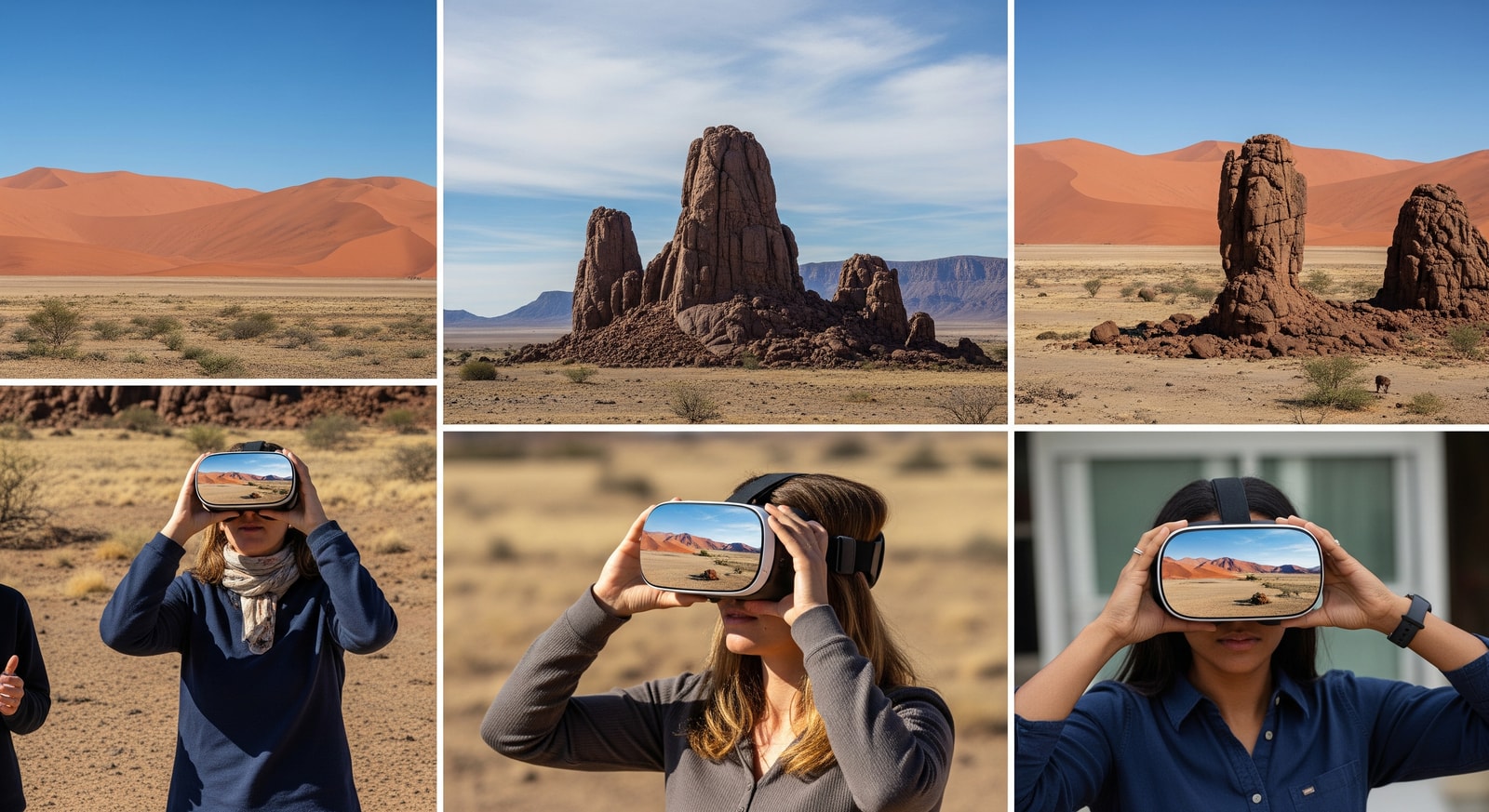
A pan‑African shift toward tech-enabled, responsible travel
Taken together, these initiatives point to a broader continental shift: technology is being used to make African destinations more accessible and engaging, while sustainability commitments ensure tourism growth supports conservation and local economies. From virtual previews that inspire bookings to green certifications that raise standards, these strategies help attract discerning travellers and long-term investment.
Why this matters: For travellers, the combination of digital planning tools and sustainability initiatives means easier trip preparation, richer on-site experiences and more opportunities to support responsible tourism. For industry stakeholders, the trend signals where investment and marketing should focus—tech-enabled services, community partnerships and environmentally sound infrastructure are becoming central to competitive destination offerings.
Sources