Muscat tourism is rising as the city’s mix of historic forts, bustling souqs, grand mosques and modern amenities attracts more global visitors.
Summary: Muscat tourism is gaining momentum as visitors are drawn to its well-preserved forts, traditional souqs, the Sultan Qaboos Grand Mosque and a careful mix of modern amenities and natural beauty.
Muscat, the capital of the Sultanate of Oman, is steadily building a reputation as a destination that combines deep cultural roots with contemporary comforts. Visitors worldwide are increasingly attracted to the city for its ancient forts, lively souqs, monumental architecture and scenic setting on the Arabian Sea.
Muscat's Rich Cultural Heritage
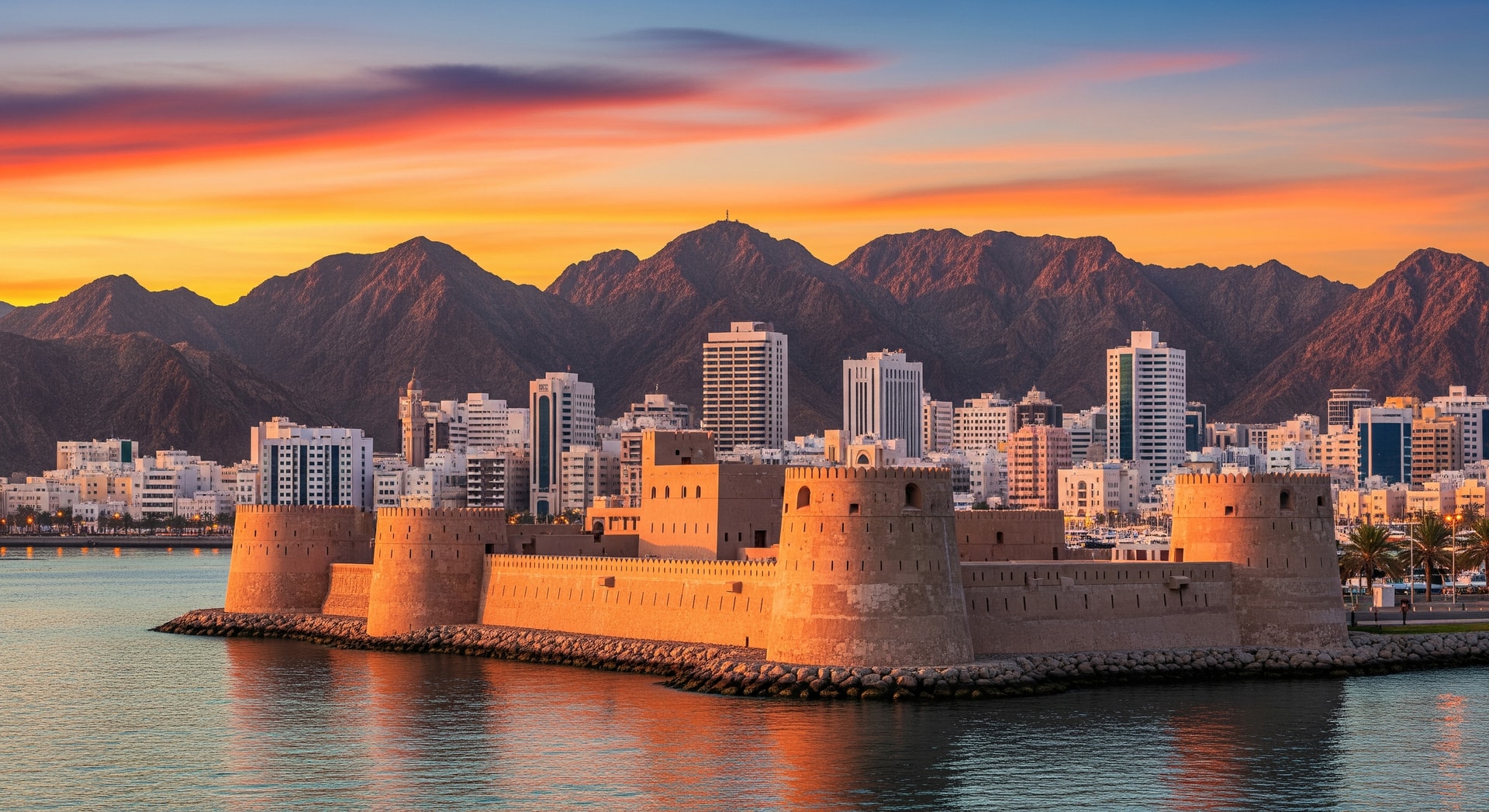
Historic landmarks form the backbone of Muscat’s appeal. Prominent among them are the Al Jalali and Al Mirani forts, which date back to the Portuguese colonial period. These imposing structures highlight Muscat’s strategic role in regional maritime history and its long-standing importance as a port city.
Traditional markets such as Muttrah Souq offer an immersive cultural experience. The souq’s narrow alleys and colourful stalls selling spices, textiles and crafts provide a sensory window into Oman’s trading past, where scents like frankincense and displays of handicrafts recall long-standing commercial traditions.
Iconic Landmarks and Spiritual Architecture
The Sultan Qaboos Grand Mosque stands as one of Muscat’s most notable sites. A showcase of modern Islamic architecture infused with traditional Omani design, the mosque houses one of the largest hand-woven carpets in the world and remains a focal point for both worshippers and visitors admiring its artistry and scale.
A City of Contrasts: History and Modernity
What sets Muscat apart is how it preserves historic character while accommodating modern urban life. Development in the city has been planned to maintain traditional elements alongside shopping malls, fine dining, cultural venues such as the Royal Opera House, and contemporary hospitality options.
- Al Jalali and Al Mirani forts: symbols of Muscat’s military and maritime past
- Muttrah Souq: traditional market offering spices, textiles and crafts
- Sultan Qaboos Grand Mosque: modern Islamic architecture with a major hand-woven carpet
- Hajar Mountains and Arabian Sea: dramatic natural setting
- Royal Opera House and modern amenities: cultural and luxury offerings
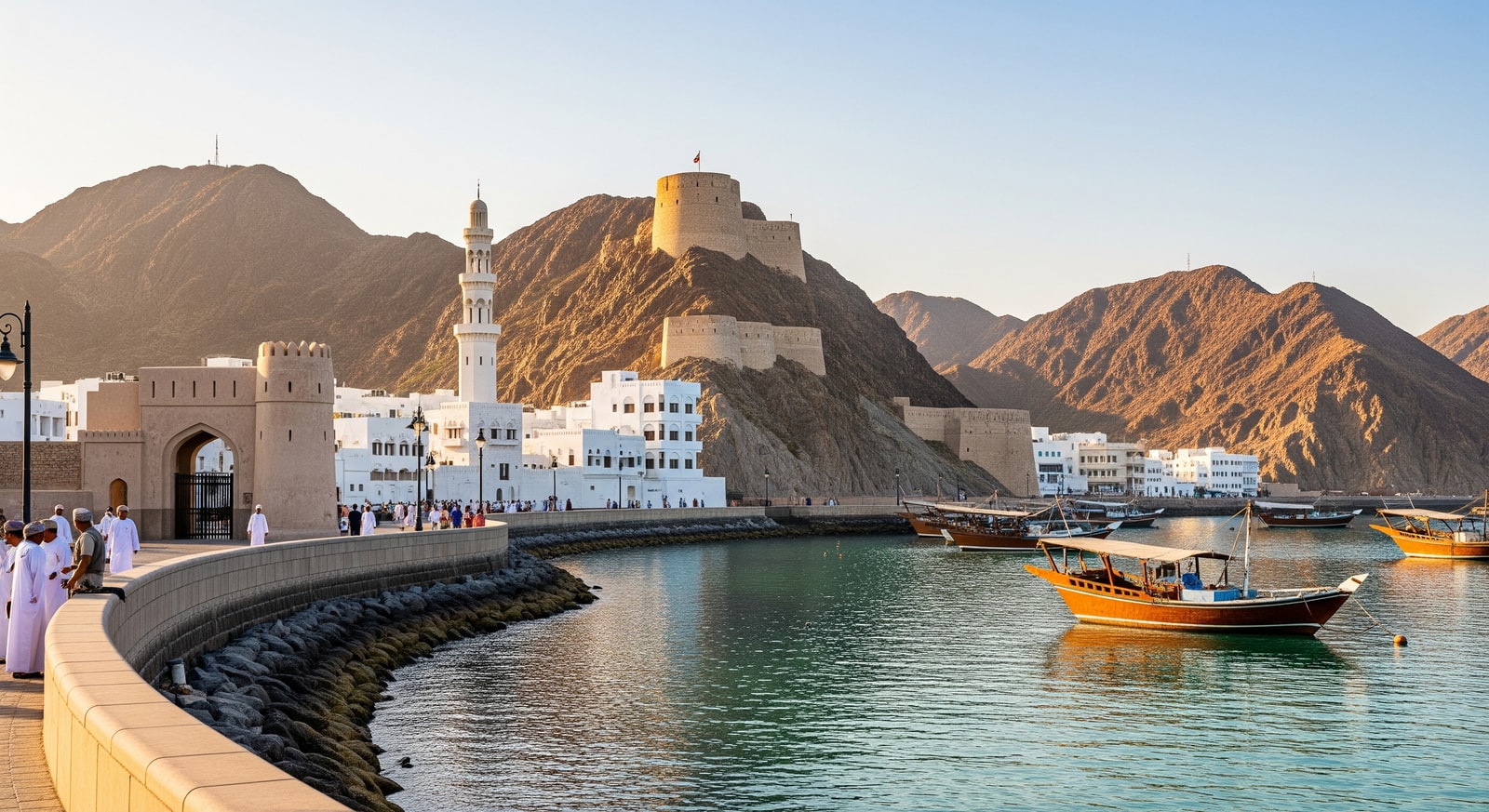
Muscat’s Rise as a Tourism Hub in the Middle East
Muscat’s careful balance between authenticity and modern tourism infrastructure has helped it gain prominence in the region. The city attracts a broad range of visitors—from culture seekers to luxury travellers—because it offers genuine local character alongside contemporary comforts.
Its approach to tourism—preserving cultural sites while developing necessary services—serves as an example for other Middle Eastern destinations seeking sustainable growth without eroding local identity.
What This Means for Travelers
For visitors, Muscat’s mix of well-preserved heritage sites and upgraded amenities translates to richer itineraries: days spent exploring forts, souqs and mosques can be followed by evenings at modern cultural venues or upscale restaurants. The scenic backdrop of the Hajar Mountains and the Arabian Sea also expands options for relaxation and outdoor activities.
So what? Muscat’s growing profile matters because it shows how destinations can attract international travellers by protecting cultural identity while improving visitor services. For the travel industry, Muscat offers a model of sustainable development; for travellers, it promises authentic experiences with modern conveniences.
Sources