Menorca travel guide: Menorca is a Mediterranean jewel and UNESCO Biosphere Reserve with 200 kilometres of pristine coastline and a growing reputation for sustainable luxury.
Summary: Menorca is a quieter Balearic alternative celebrated for sustainable luxury, a 200‑kilometre pristine coastline, its 1993 UNESCO Biosphere Reserve status and the 2023 inscription of Talayotic monuments as a UNESCO World Heritage Site.
Just off the French coast lies Menorca, a Balearic island favoured by travellers seeking unspoilt nature, a relaxed pace and discreet luxury. This Menorca travel guide outlines the island’s protected landscapes, cultural legacies and practical tips for visitors who want to enjoy the island while treading lightly.
Protected landscapes and quiet beaches
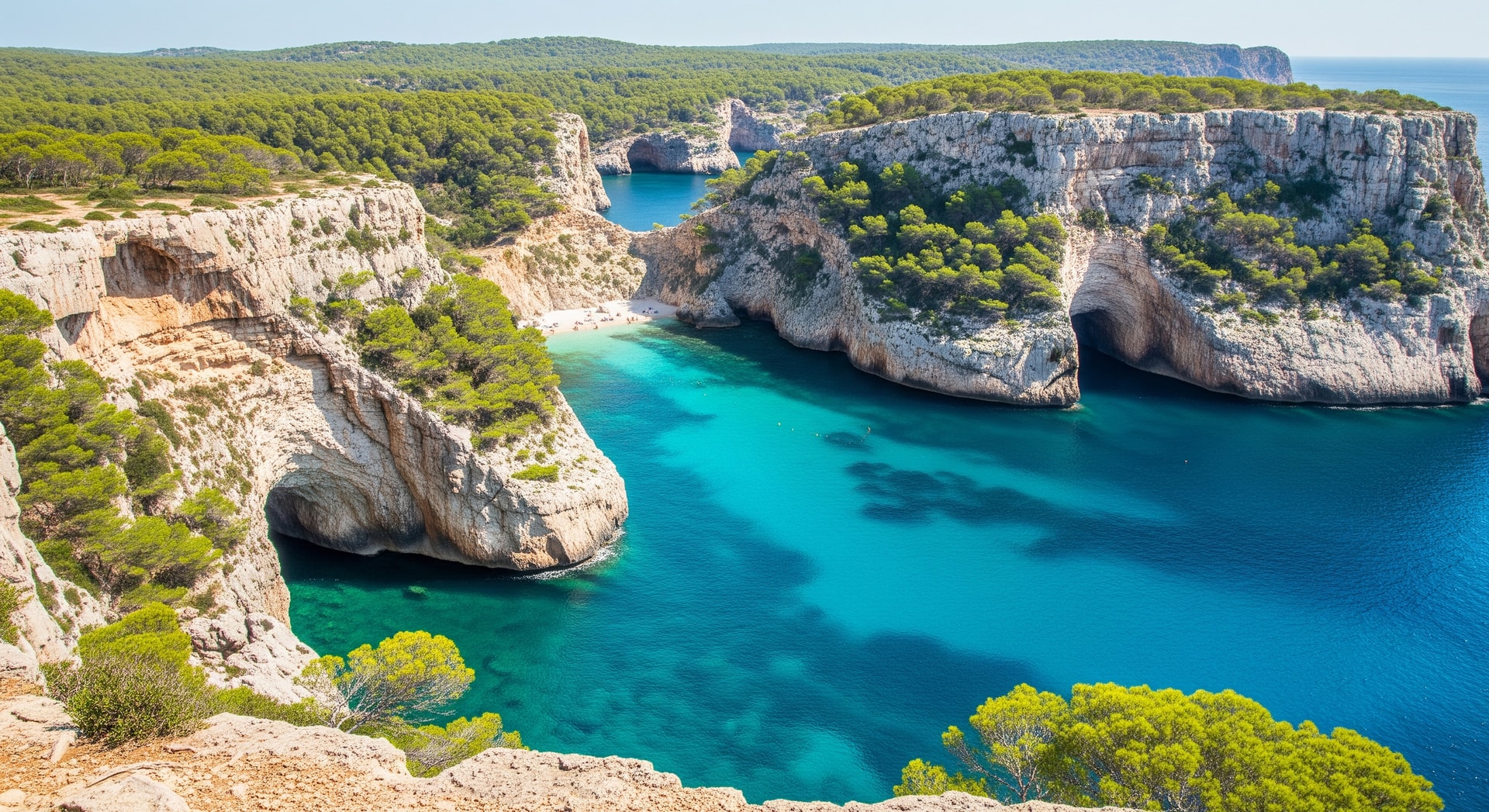
Designated a UNESCO Biosphere Reserve in 1993, Menorca protects a mix of dunes, sheer cliffs and aromatic pine woods. The island’s roughly 200‑kilometre coastline offers contrasting coastal moods: southern white‑sand coves framed by golden limestone, and a rawer, rockier northern shoreline. Throughout the island, shallow, crystal‑clear waters are a consistent draw for swimmers and snorkellers.
Walk, bike or ride the Camí de Cavalls
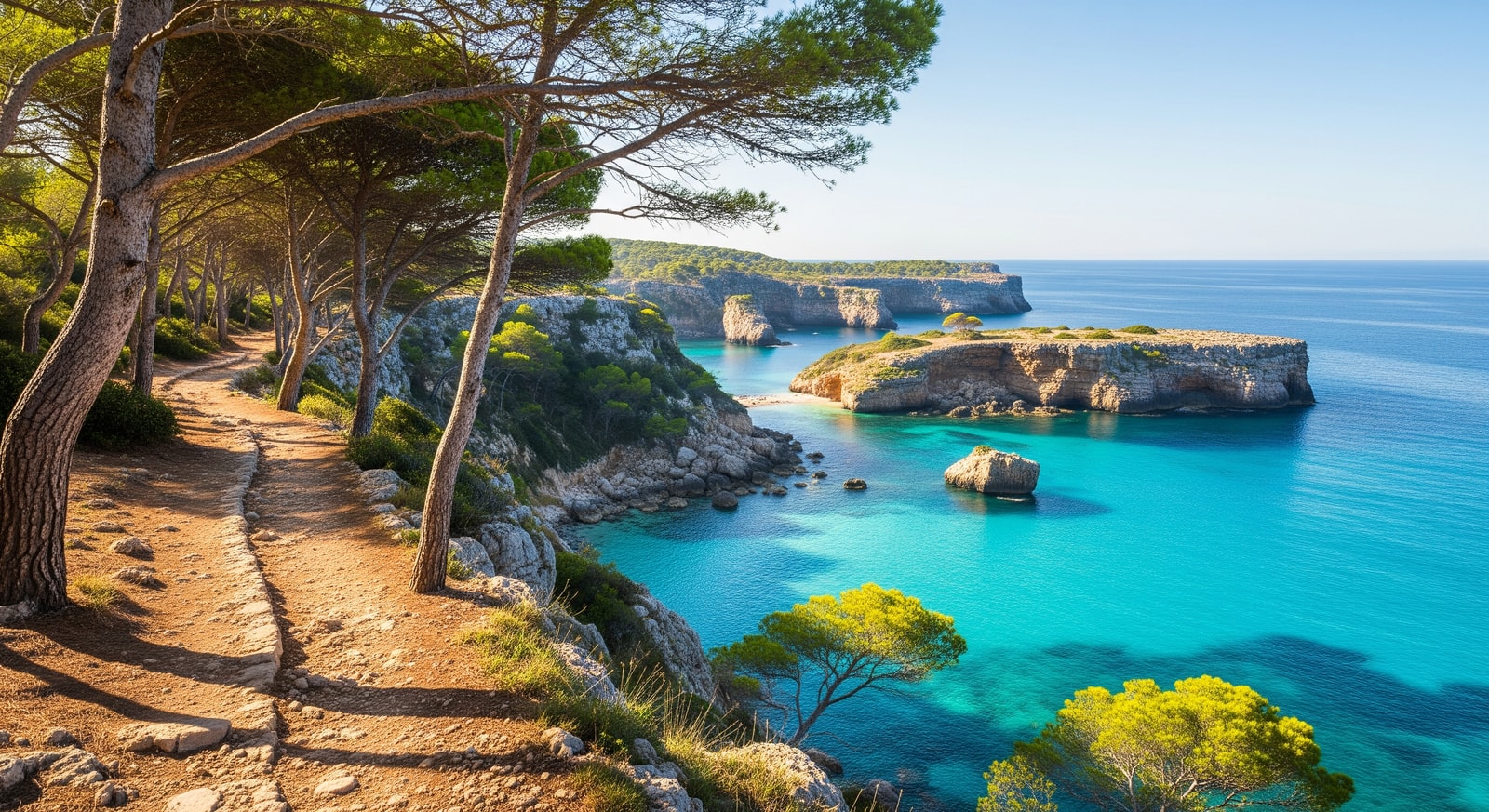
The Camí de Cavalls is an ancient 185 km bridleway that circles the island and is well signposted. It gives visitors easy access to hidden coves and coastal vistas whether they take short one‑hour walks between calas or embark on longer multi‑day treks by foot, bike or horseback. Travellers are advised to confirm return bus timetables before starting longer sections.
- Trail length: 185 km around the island
- Best uses: walking, cycling, horseback riding
- Tip: verify bus schedules for returns and connections
Seasonal planning and practical tips
Menorca offers different rhythms through the year. Spring and autumn bring soft light and quieter roads, making them prime months for photographers and hikers. Summer warms the sea and activates full local services, but also tightens parking and rental car availability in July and August. Booking parking, accommodation and tables in the historic centres of Ciutadella and Maó well in advance is recommended.
- Best months for balance: May–June and September–October
- Bring: water, sun protection and sturdy closed‑toe shoes
- Reserve: rental cars, parking and dinner tables early in summer
Ancient stones: Talayotic Menorca
Menorca’s deep past is visible in its architecture and prehistoric remains. The Naveta des Tudons and other megalithic structures are part of the Talayotic ensemble that was inscribed as a UNESCO World Heritage Site in 2023. These well‑preserved monuments offer accessible insight into the island’s ancient civilizations.
Local flavours and responsible marine use
Menorca’s cuisine highlights local products such as Mahón‑Menorca PDO cheese and the traditional caldereta de langosta (lobster stew). The island encourages low‑impact activities—kayaking, paddleboarding and snorkelling—and asks visitors to protect Posidonia oceanica seagrass meadows, which are vital to Mediterranean marine ecosystems when anchoring or mooring.
Conscious travellers are urged to choose eco‑friendly accommodation, minimise single‑use plastics and stay on marked trails to avoid dune erosion, preserving Menorca’s landscapes for generations to come.
Why this matters: Menorca’s combination of protected status, growing sustainable‑luxury offerings and recent UNESCO recognition for Talayotic sites positions the island as a model for responsible Mediterranean tourism. For travellers, this means quieter beaches, protected natural areas and culturally rich experiences; for the industry, it underscores demand for low‑impact tourism products and improved seasonal management to preserve the island’s character.
Sources