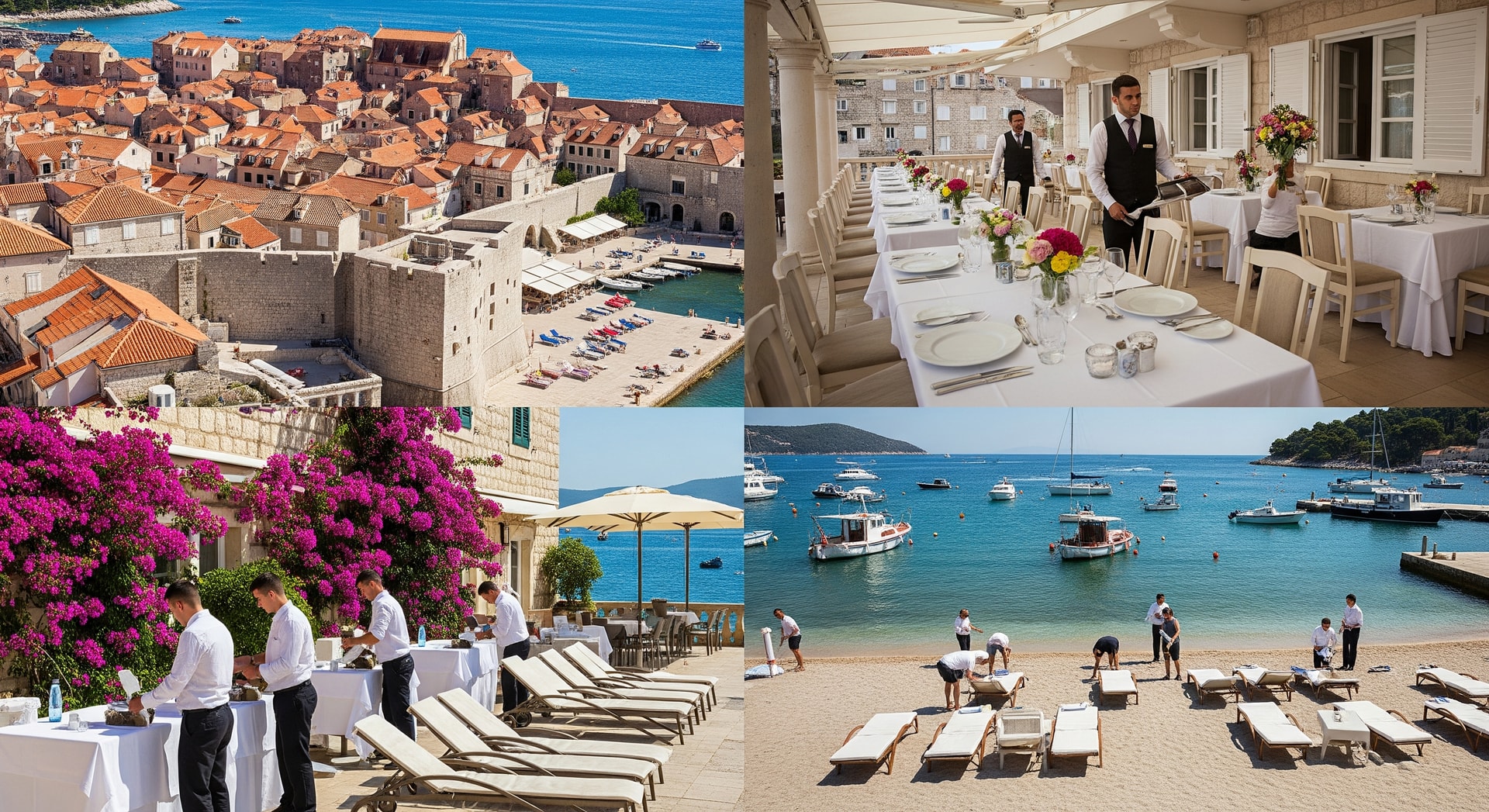
Croatia tourism workforce shortage is prompting employers to start hiring months earlier to fill an estimated 65,000 seasonal roles ahead of the 2026 summer season.
Summary: Croatia tourism workforce shortage is driving employers to begin recruitment in January and February to fill roughly 65,000 seasonal roles. Around 50,000 foreign workers will be needed alongside 15,000 Croatian hires; wages, training and broader labour pools are being used to close the gap.
Croatia’s tourism, hospitality and retail sectors—the fastest-growing parts of the economy—are preparing early for the busy 2026 season as a growing labour shortage forces employers to recruit sooner than usual. With an estimated 65,000 seasonal workers required, the shortage of skilled staff has emerged as one of the sector’s most pressing challenges.
Early recruitment as a response to shortages
Traditionally reliant on a large seasonal workforce, Croatia’s tourism industry is now facing tighter domestic labour availability. In reaction, many businesses began hiring as early as January and February—well ahead of the typical pre-summer recruitment cycle—to secure sufficient staff and preserve high service standards at peak times.
Employers expect that by the end of February most seasonal positions will be filled, with only a minority of vacancies remaining to be closed in April and May as the season ramps up.
Reliance on foreign workers
With domestic labour increasingly scarce, Croatian employers are turning to international seasonal workers to meet demand. Estimates indicate the sector will need about 50,000 foreign workers in addition to roughly 15,000 Croatian nationals to staff the summer season.
Many businesses begin the lengthy process of securing work permits and visas in autumn so that foreign hires are in place ahead of the busy months, allowing employers to plan rosters and training well before arrivals peak.
- Estimated seasonal staff needed: 65,000
- Foreign workers required: ~50,000
- Croatian hires expected: ~15,000
- Recruitment timeline: began in January–February; most hires expected by end of February; remaining roles filled by April–May
Wages, expectations and on-site training
Competition for workers has pushed wages higher in coastal areas, with some seasonal roles paying 30–40% more than comparable inland positions. Employers have also relaxed experience requirements—positions that once demanded five years of experience now often accept three—to expand the candidate pool.
To safeguard service standards despite these changes, many businesses are investing in structured, on-site training for new recruits as well as continuing education for existing staff so teams can meet guest expectations during the busy season.
Rising labour costs and broader economic effects
The labour shortage has increased operating costs. Since 2019, wages in hotel management and related sectors have risen by about 75%, while revenues have increased by roughly 58%, creating financial pressure for businesses that must balance higher payrolls with slower revenue growth.
In response, many operators are investing in better accommodation, improved working conditions and employee welfare measures to boost retention and reduce repeated recruitment cycles.
Tapping underused labour pools
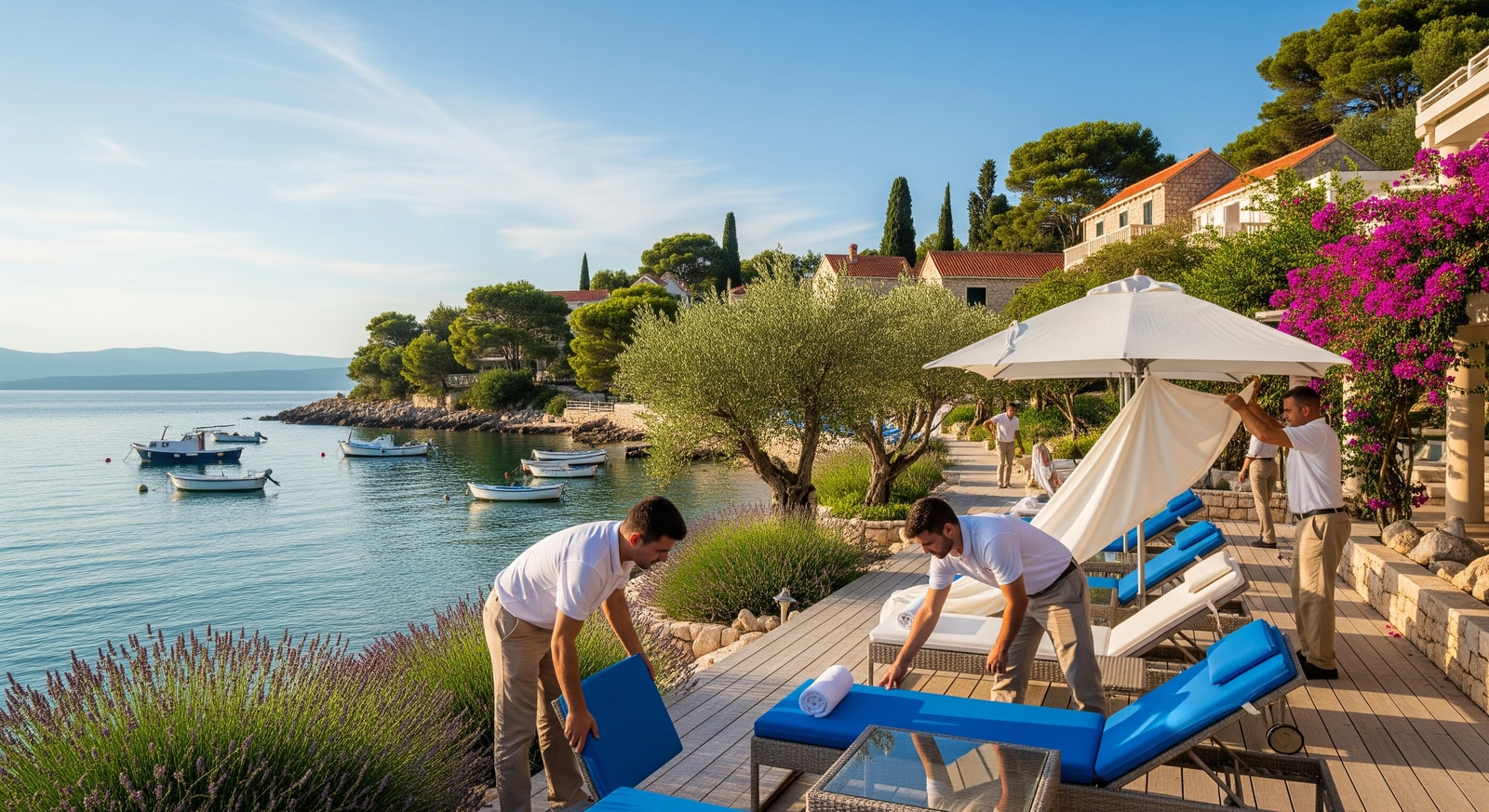
To supplement the traditional seasonal workforce, employers are recruiting from underutilised groups such as pensioners, students and the unemployed. This strategy helps fill gaps while supporting local employment and preserving the authenticity of Croatia’s tourism offering.
Implications for tourism and the wider economy
A persistent shortage of seasonal workers could affect service quality and visitor experience, with potential knock-on effects for repeat visits and long-term sector stability. Addressing the issue requires coordinated action from government, industry groups and employers on recruitment policy, training and worker welfare.
- Start recruitment earlier in the year
- Secure foreign workers and begin visa processes in autumn
- Increase pay in high-demand coastal areas
- Invest in on-site training and staff welfare
- Recruit from pensioners, students and the unemployed
What this means for travellers and the industry
For travellers, the workforce shortage could translate into earlier sell-outs for peak-period services, more competitive rates for seasonal staff-dependent offerings, or changes in service levels at smaller properties. For the industry, the situation underscores the need to balance higher labour costs with investments in training and working conditions to sustain Croatia’s reputation as a premium summer destination.
So what? The staffing shortfall is a practical challenge that affects booking choices, service expectations and pricing for the 2026 season. Travellers should book early and check cancellation/transfer policies; industry stakeholders must accelerate recruitment, streamline foreign-hire processes and continue investing in staff retention to protect service standards.
Sources