The Marvila hotel legal dispute centers on claims that Lisbon lost €257,000 in undervalued urban compensation for a four-star project at Quinta da Graça.
Summary: The Marvila hotel legal dispute centers on claims that Lisbon lost €257,000 after approving a four-star private-public hotel project at Quinta da Graça with compensation set at €293,000—significantly below the €551,000 figure cited by opposition councillors.
A four-star hotel development in Marvila, Lisbon, has become the focus of a legal complaint alleging that the city missed out on €257,000 in compensation tied to the project at Quinta da Graça. The case, brought to the Public Prosecutor by the Socialist Party (PS), frames the dispute as part of a wider debate over tourism-driven regeneration, housing affordability and municipal finance in Lisbon.
Details of the compensation dispute
At the heart of the challenge is a compensation calculation tied to the private-public partnership for the Marvila hotel. The municipality set compensation at €293,000; PS opposition councillors argue that figure is unreasonably low and that a fair valuation should be approximately €551,000. The PS asserts the difference amounts to a loss to the city of €257,000 and has formalised that concern in a complaint to the Public Prosecutor.
- Municipal compensation set at: €293,000
- Opposition’s suggested valuation: around €551,000
- Alleged shortfall to city: €257,000
Marvila’s transformation and investor interest
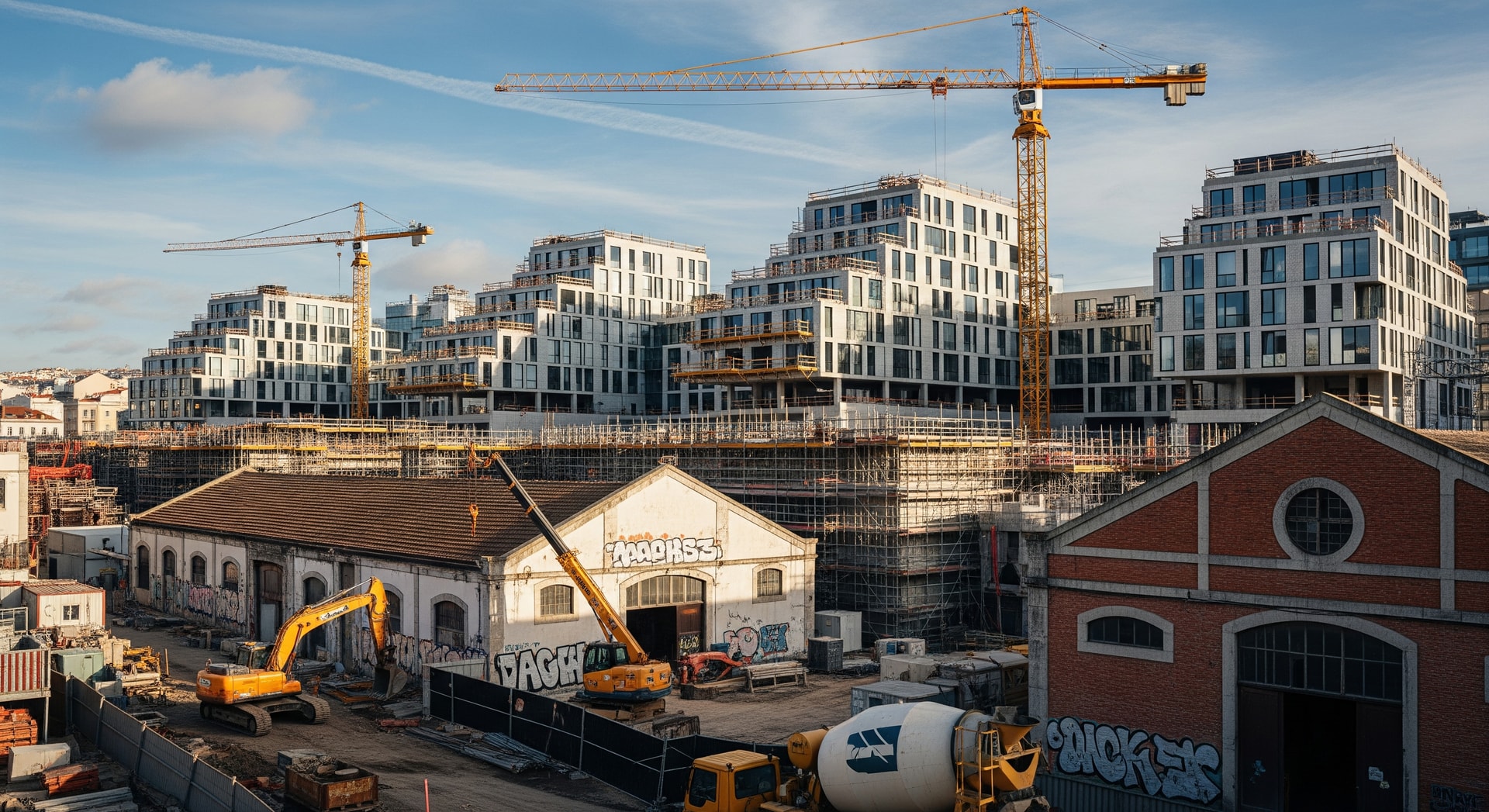
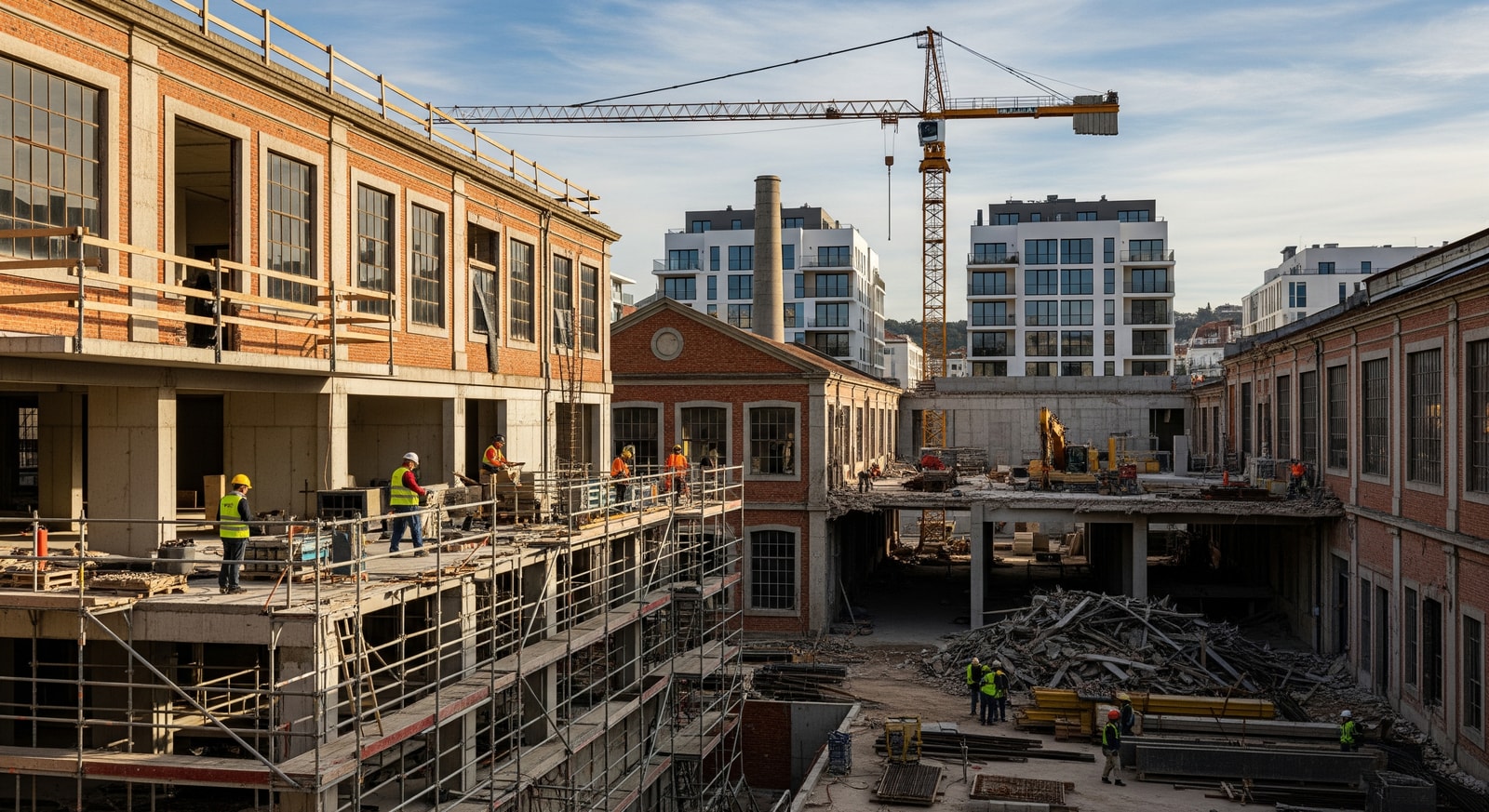
Marvila sits roughly 5 kilometres northeast of central Lisbon along the Tagus River and has been undergoing rapid change from an industrial zone to a mixed-use neighbourhood. Former factories and warehouses are being repurposed for creative industries, co-working spaces and residential lofts. That evolution has drawn international investors and hospitality operators seeking opportunities close to the central business district and transport links.
Developers and some local officials argue that lower compensation can act as an incentive to attract private capital and accelerate regeneration in areas like Marvila. Critics counter that undervaluing public land or compensation reduces municipal value capture at a time when city finances are under pressure.
Political divisions: tourism growth versus affordable housing
The Marvila project has exposed a political split in Lisbon between those who prioritise tourism and hospitality-led regeneration and those who emphasise affordable housing and equitable development. The ruling municipal coalition ‘Por Ti, Lisboa’ has defended the hotel plan, while Socialist Party (PS) councillors have criticised the municipality’s compensation calculations as disconnected from the land’s true value.
Concerns over public finances and transparency
Lisbon’s municipal finances face growing strains from the costs of maintaining public services while managing rapid real estate growth. Critics warn that undervalued compensation deals could limit the city’s ability to fund infrastructure, social services and community projects, and raise questions about transparency and fairness in the urban development process.
- Potential constraints on municipal revenue for services
- Risk of accelerating gentrification in growing corridors east of the city
- Legal challenges and stalled projects as compensation disputes proceed
What this means for Marvila and Lisbon’s planning strategy
The lawsuit and stalled projects in Marvila illustrate the municipality’s broader challenge: balancing the advantages of tourism and private investment with the need to protect public revenue and preserve affordable housing stock. How Lisbon resolves compensation valuations and transparency issues will shape whether regeneration benefits are widely shared or concentrated among investors.
Implications for travellers and the industry — So what?
For travellers, the immediate impact may be minimal: hotels and attractions in Lisbon will continue to operate. However, prolonged disputes and legal uncertainty can delay new hotel openings and investment in local services. For the hospitality industry and urban planners, the case signals increased scrutiny on how public land and compensation are handled—outcomes that could influence where developers choose to invest and how fast neighbourhoods like Marvila evolve.
Sources