Málaga's food scene in 2026 blends time-honoured dishes like espeto de sardinas with inventive modern dining, making the city a top Spanish culinary destination.
Summary: Málaga's food scene in 2026 combines coastal traditions such as espeto de sardinas and fritura malagueña with contemporary restaurant concepts, lively chiringuitos, a bustling Mercado de Atarazanas and a growing fine-dining sector.
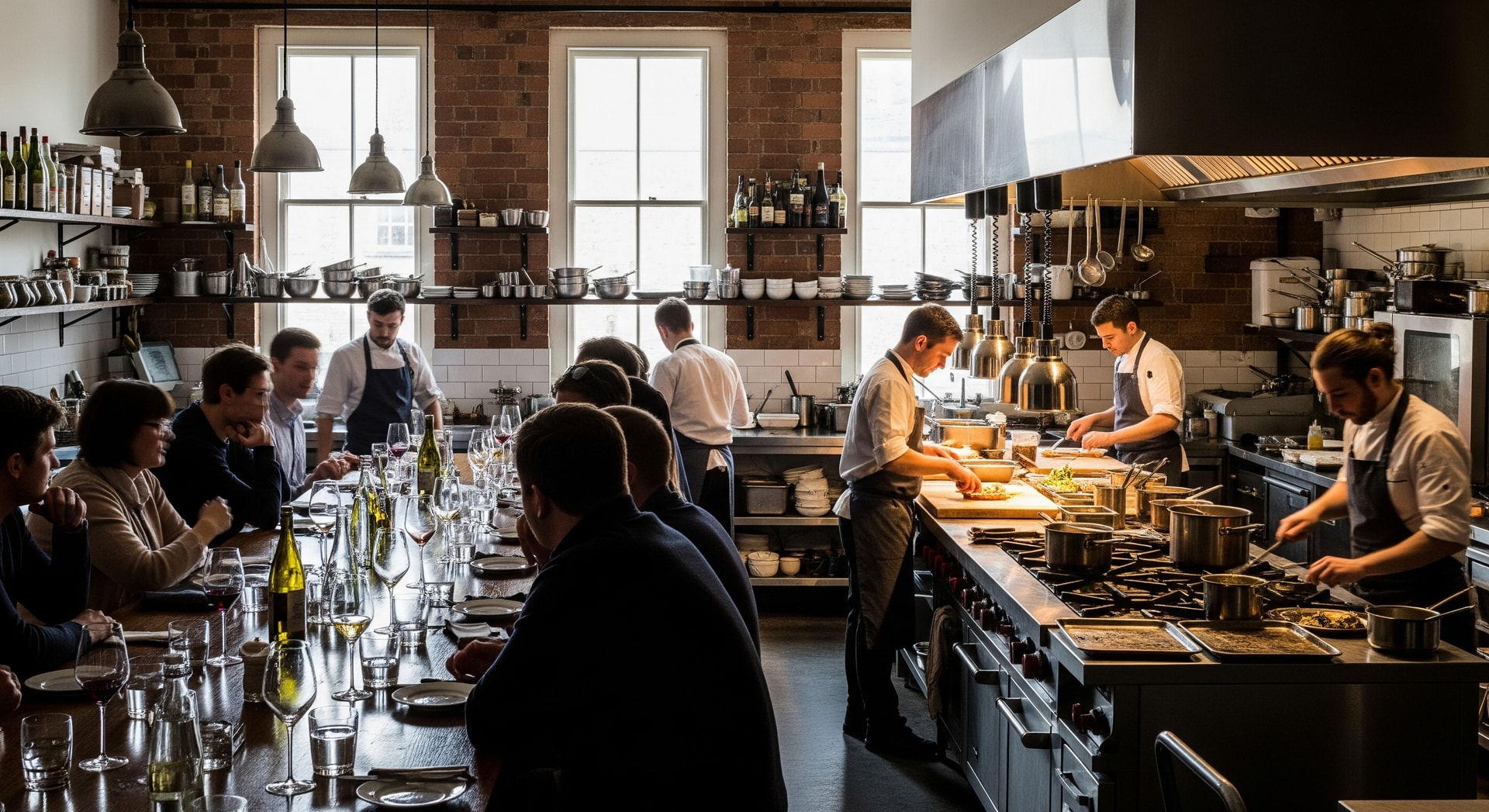
Málaga has developed into one of Spain’s most compelling culinary destinations in 2026. The city’s food scene remains firmly rooted in coastal traditions while embracing contemporary techniques and formats, offering everything from flame-grilled sardines on the shore to inventive high-end restaurants.
Tradition at the Core
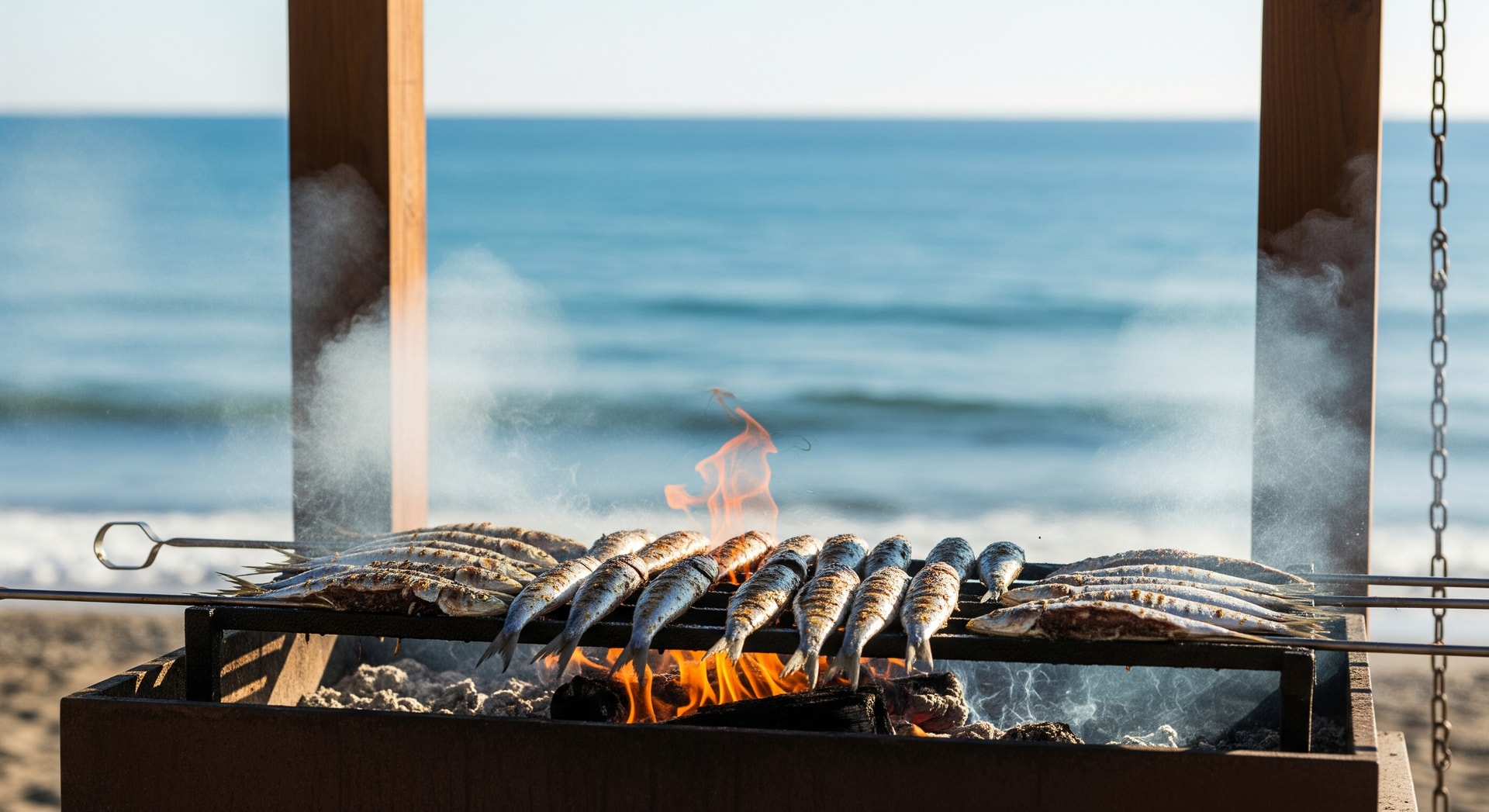
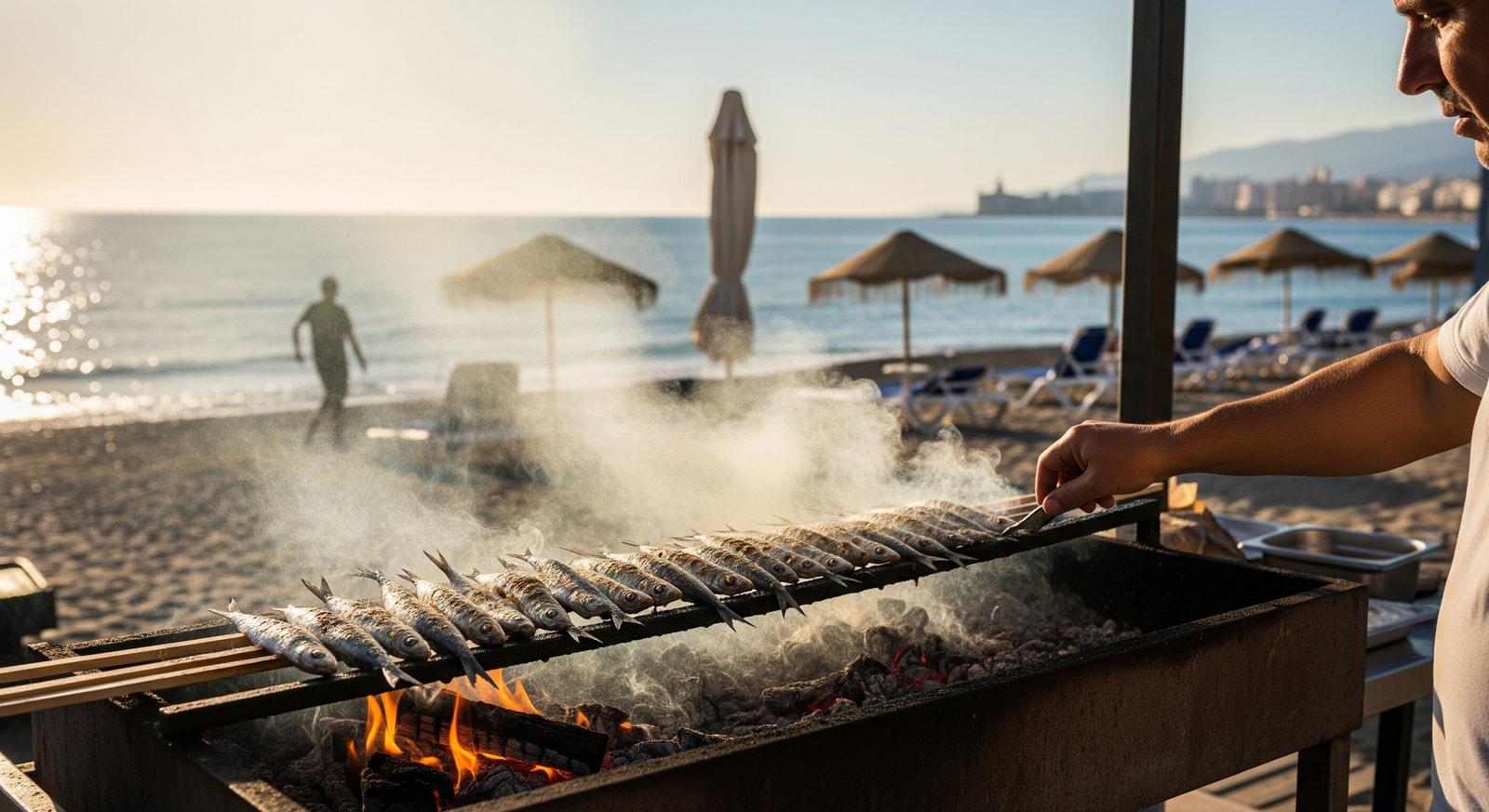
Many of Málaga’s signature dishes remain central to its culinary identity. Espeto de sardinas — sardines skewered and grilled over a wood fire on the beach — exemplifies the city’s fishing heritage and is prized for its simplicity and perfect execution. Equally emblematic is the fritura malagueña, a light mixed fry of small fish and seafood celebrated for its crisp, dry texture.
Cold, regional soups such as porra antequerana and ajoblanco continue to be staples, served throughout the city and preserved as everyday favourites even as presentation and techniques evolve.
Modern Approaches to Classic Dishes
In 2026 chefs across Málaga are reinterpreting traditional recipes with refined techniques and creative plating while keeping core flavours intact. The result is a culinary conversation between history and innovation, where authenticity is preserved but expectations are challenged.
- Porra antequerana: a thick cold soup reworked with contemporary garnishes
- Ajoblanco: traditional almond and garlic soup presented with modern textures
- Fritura malagueña: small seafood fry maintained as a light, crisp classic
Chiringuitos and the Beachfront Food Culture
Beachside restaurants, or chiringuitos, remain essential to experiencing Málaga’s culinary life. In 2026 visitors still flock to both longstanding, traditional chiringuitos that specialise in espeto and to newer, chef-driven beach venues that fuse elevated techniques with relaxed seaside settings.
- Pedregalejo: known for authentic, old-school chiringuitos
- El Palo: another neighbourhood prized for fresh seafood and family-run grills
Mercado de Atarazanas: A Local Culinary Hub
Atarazanas market remains a must-visit for anyone exploring Málaga’s food culture. Beyond being a place to buy fresh fish, cured meats and seasonal produce, the market offers an immediate connection to local flavours and the ingredients that underpin the city’s cuisine.
Fine Dining: Flexibility and Local Identity
Málaga’s upscale dining scene has evolved toward more flexible experiences in 2026. Many restaurants now offer à la carte options alongside tasting menus, allowing diners to control pace and selection while still enjoying ambitious, locally influenced cuisine.
- Campero: the warm, pressed sandwich remains a beloved street-food staple
- Málaga wines: Moscatel and Pedro Ximénez pair well with seafood and desserts
Why this matters: For travellers, Málaga in 2026 offers both reassuring culinary traditions and exciting new dining formats. Whether seeking an authentic beachside espeto, a market-led tasting, or a relaxed fine-dining evening, visitors can experience local culture through food — often with more choice and creativity than before. In practical terms, travellers should plan to visit chiringuitos for authentic coastal meals, reserve ahead for popular modern restaurants, and include Atarazanas on their itinerary to connect directly with Málaga’s ingredients and producers.
Sources