Kyoto has proposed a resident-priority pricing system — charging visitors higher fares for buses and public attractions — alongside increased lodging taxes to manage overtourism and bolster sustainable tourism.
Summary: Kyoto is drafting a 2026 budget that includes a resident-priority pricing scheme charging tourists higher fares for buses and public facilities, and raising lodging taxes to fund sustainable tourism measures.
Kyoto resident-priority pricing is at the centre of a new draft budget for fiscal 2026 as city officials seek to manage heavy visitor numbers while protecting local life. The plan allocates about 270 million yen (approximately $1.8 million) to design and implement a fare structure that sets higher charges for visitors than for residents for the same tickets.
Why Kyoto is changing pricing
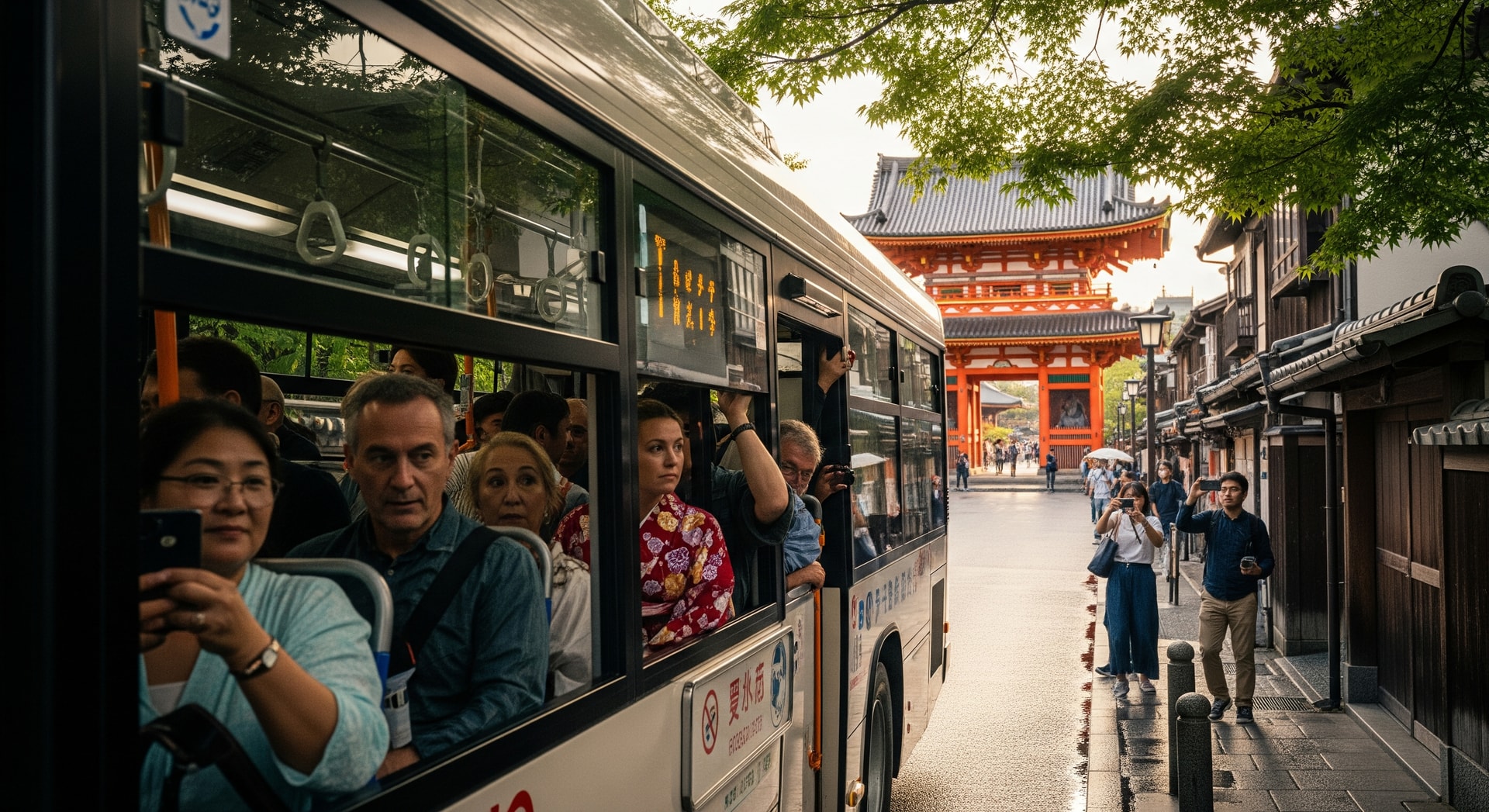
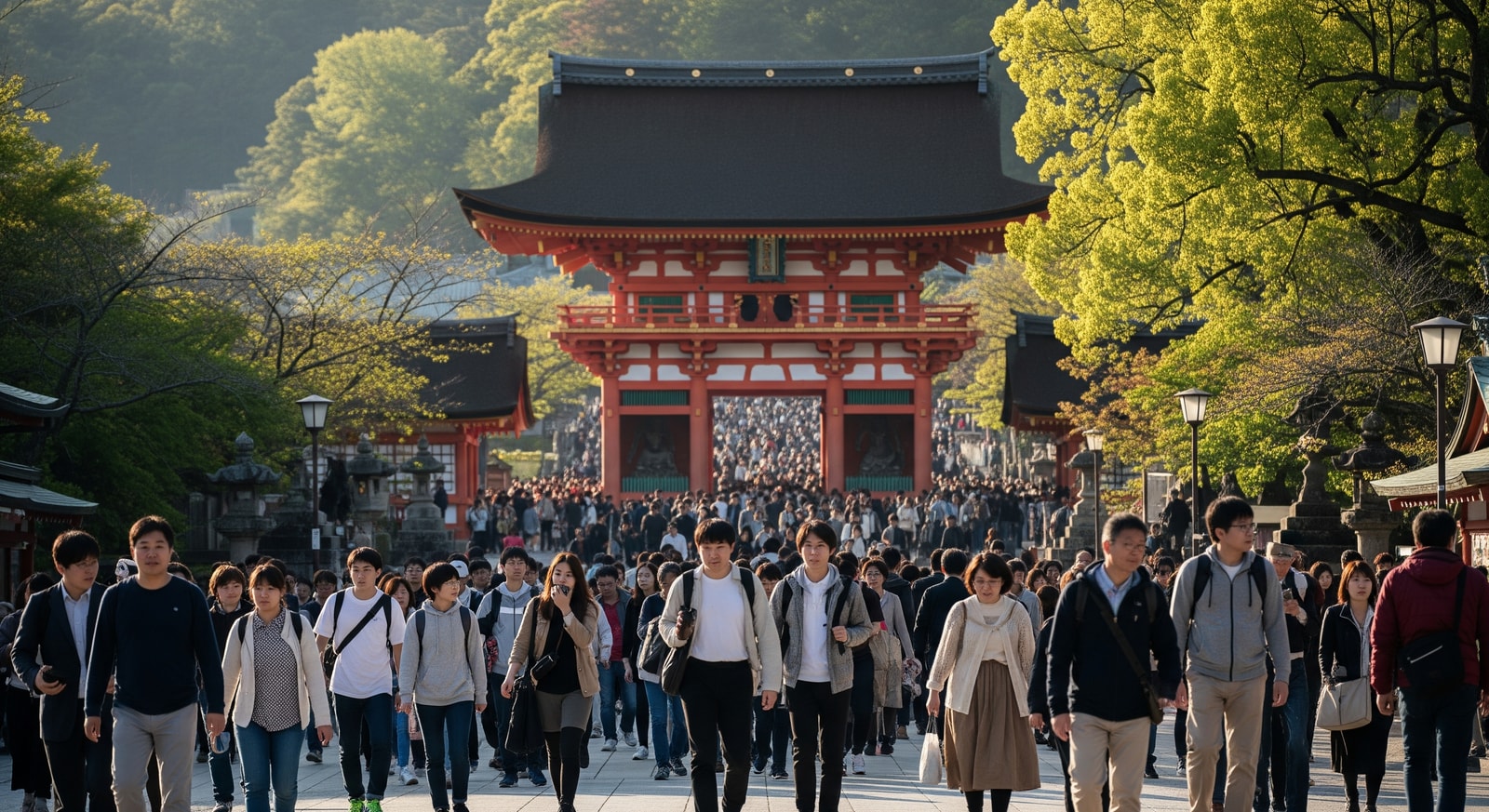
Kyoto, long recognised as a cultural heart of western Japan, faces persistent overcrowding at peak periods that strains transport, attractions and local services. City leaders say the dual pricing approach will ease pressure on popular sites and help distribute visitors more sustainably across the city.
Kyoto’s Mayor Koji Matsui stated that this budget is the first to prioritise residents of Kyoto. Matsui’s comments point to a shift toward managing tourism growth with a stronger focus on local wellbeing.
How the dual pricing model will work
Under the proposed system, tickets for services such as city buses and entry to select public attractions would carry separate fares for residents and non-residents. Lower fares for locals aim to keep everyday mobility affordable while higher visitor fares would generate additional revenue to tackle congestion and maintain facilities.
- Budget allocation: About 270 million yen (~$1.8 million) to set up the system
- Targets: buses and public facilities, with consideration for sites like Nijo Castle (a UNESCO World Heritage site)
- Objective: reduce overcrowding and preserve residents' quality of life
Revenue and reinvestment plans
Officials expect higher visitor fares to produce funds that can be channelled back into tourism infrastructure, congestion relief and site preservation. The city intends to use these resources to improve public spaces and support sustainable tourism projects that benefit both residents and visitors.
Lodging tax increase to complement pricing changes
Alongside dual pricing, Kyoto has proposed raising lodging taxes to further fund tourism-related investment. The planned tax scale ranges from modest fees for lower-cost stays to higher levies for expensive accommodations.
- 200 yen for stays priced under 6,000 yen per night
- Up to 10,000 yen for stays exceeding 100,000 yen per night
Wider aims: distributing visitors and supporting local businesses
The policy package is designed not only to limit overcrowding at flagship attractions but also to encourage visitors to explore quieter neighbourhoods and lesser-known cultural sites. City planners say this can strengthen the tourism value chain and help local businesses by spreading visitor spending more evenly across Kyoto.
What this means for travellers: expect possible higher fares for public transport and some attraction entries if you are identified as a non-resident, alongside modest increases in accommodation taxes for pricier stays.
Why this matters: Kyoto is prioritising residents and long-term sustainability as it shapes tourism policy for the coming years. Visitors should plan for potential price differentials while industry stakeholders may see new funds for infrastructure and destination management.
Sources