JFK biometric arrivals are rolling out at New Terminal One as CBP and iProov launch Enhanced Passenger Processing to reduce wait times for international arrivals.
Summary: JFK biometric arrivals are being introduced at The New Terminal One through a CBP partnership using iProov-powered Enhanced Passenger Processing (EPP). The system speeds identity verification for eligible U.S. citizens without pre-enrolment or fees, supporting the Port Authority’s $19 billion JFK transformation.
The New Terminal One at John F. Kennedy International Airport has launched Enhanced Passenger Processing (EPP), introducing JFK biometric arrivals to streamline immigration checks. The initiative, implemented in partnership with U.S. Customs and Border Protection (CBP) and powered by iProov, aims to shorten wait times while preserving security standards for U.S. citizens returning through the terminal.
How the Next-Generation Biometric System Works
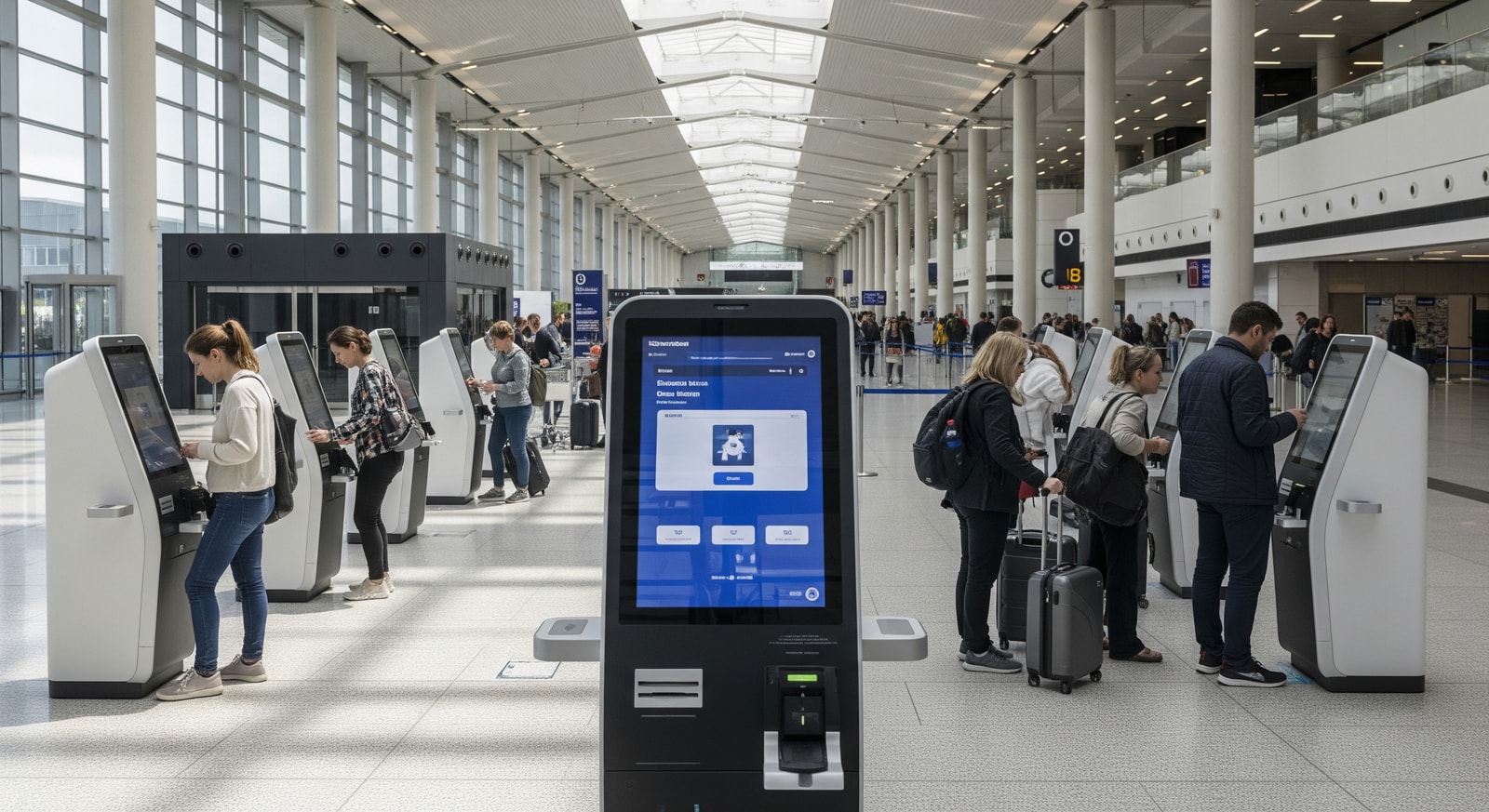
EPP uses real-time biometric identity verification to confirm passenger identities at immigration checkpoints. By automating and accelerating identity checks, CBP officers can process eligible travelers faster and dedicate more attention to passengers who may pose higher security risks. The technology is designed to maintain rigorous security while improving passenger flow.
No Enrollment or Fees for U.S. Citizens
U.S. citizens using EPP are not required to pre-enroll or pay to use the system. Travelers retain the option to opt out and undergo the traditional inspection process if they prefer. This accessibility is intended to encourage uptake while preserving passenger choice.
Supporting JFK’s $19 Billion Transformation
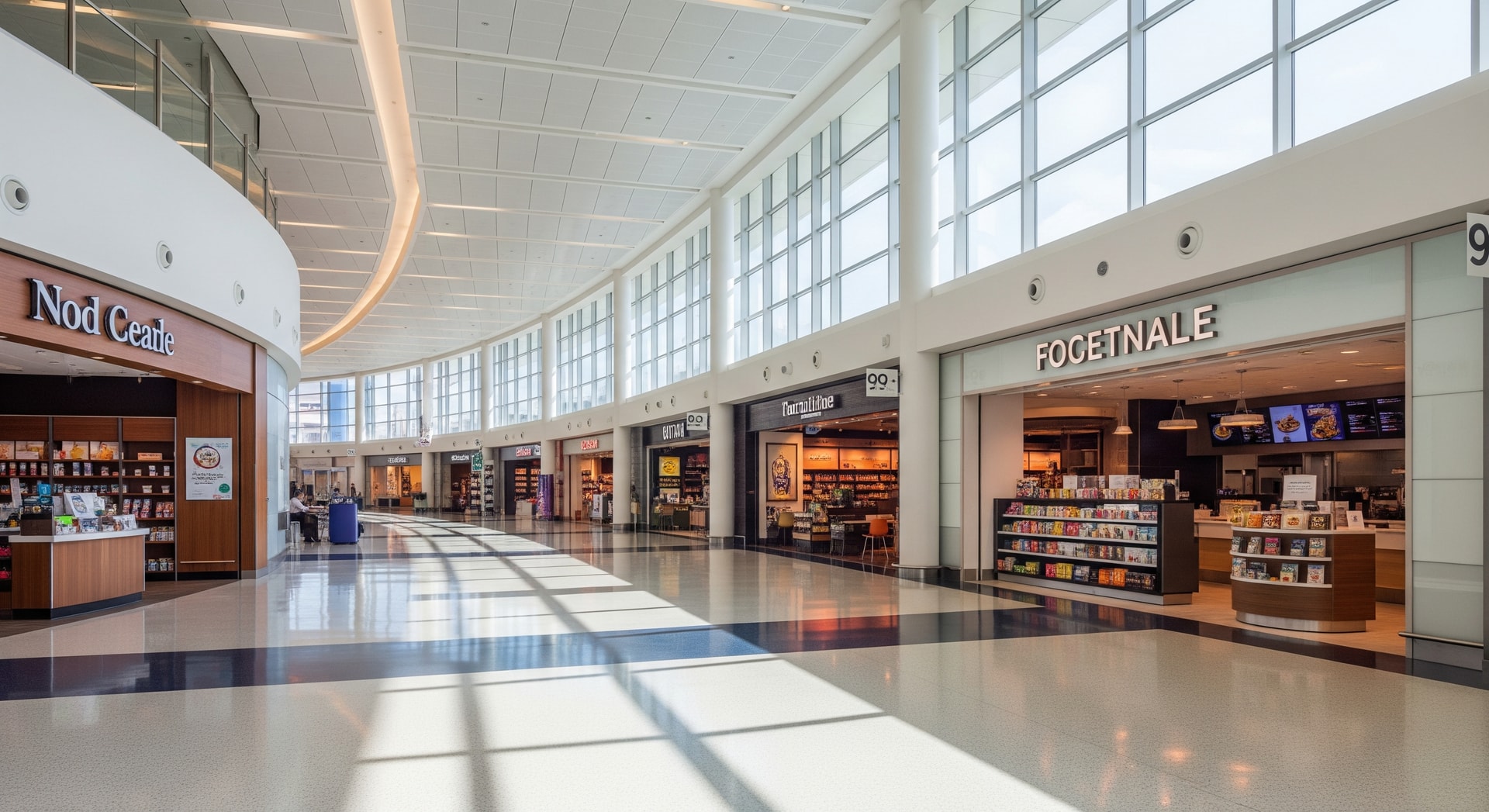
The New Terminal One is a central element of the Port Authority of New York and New Jersey’s $19 billion redevelopment of JFK Airport. When finished, the terminal is planned to be the largest at JFK, with 23 gates and roughly 2.6 million square feet of space by 2030. Integrating technologies like EPP is part of broader efforts to increase capacity and enhance the passenger experience.
- System provider: iProov
- Partner agency: U.S. Customs and Border Protection (CBP)
- Target users: Eligible U.S. citizens (no pre-enrol or fee)
- Terminal goal: 23 gates and 2.6 million sq ft by 2030
- Project: Part of Port Authority’s $19 billion JFK transformation
Benefits for Travelers and Operations
EPP is expected to cut time spent at immigration lines, particularly during busy periods. The system can handle groups and families more smoothly and is intended to improve the experience for travelers with limited mobility. At the same time, by validating identities with live biometric data, the program reduces the potential for identity fraud and helps CBP concentrate resources on higher-risk passengers.
Terminal as a Global Hub
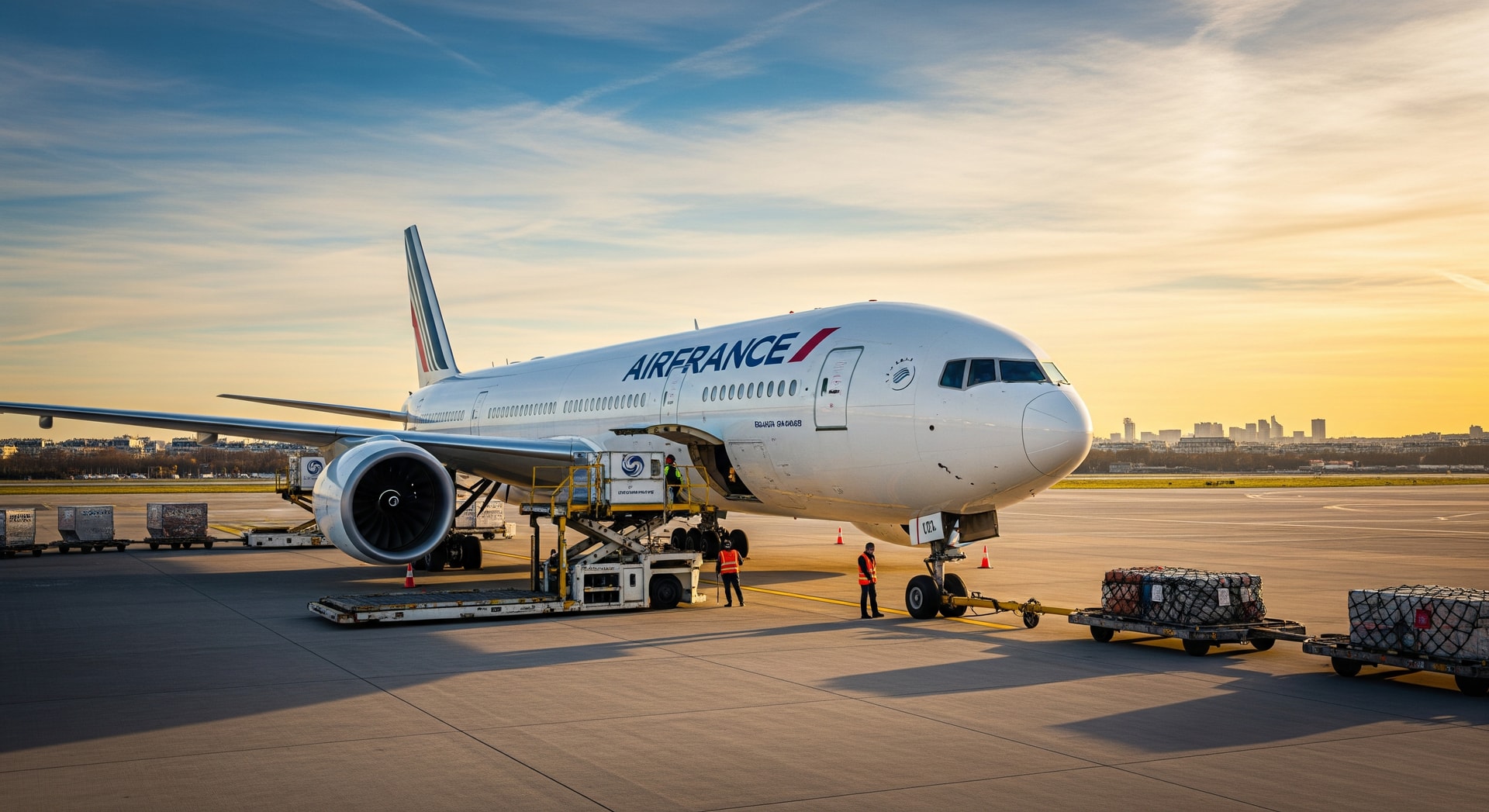
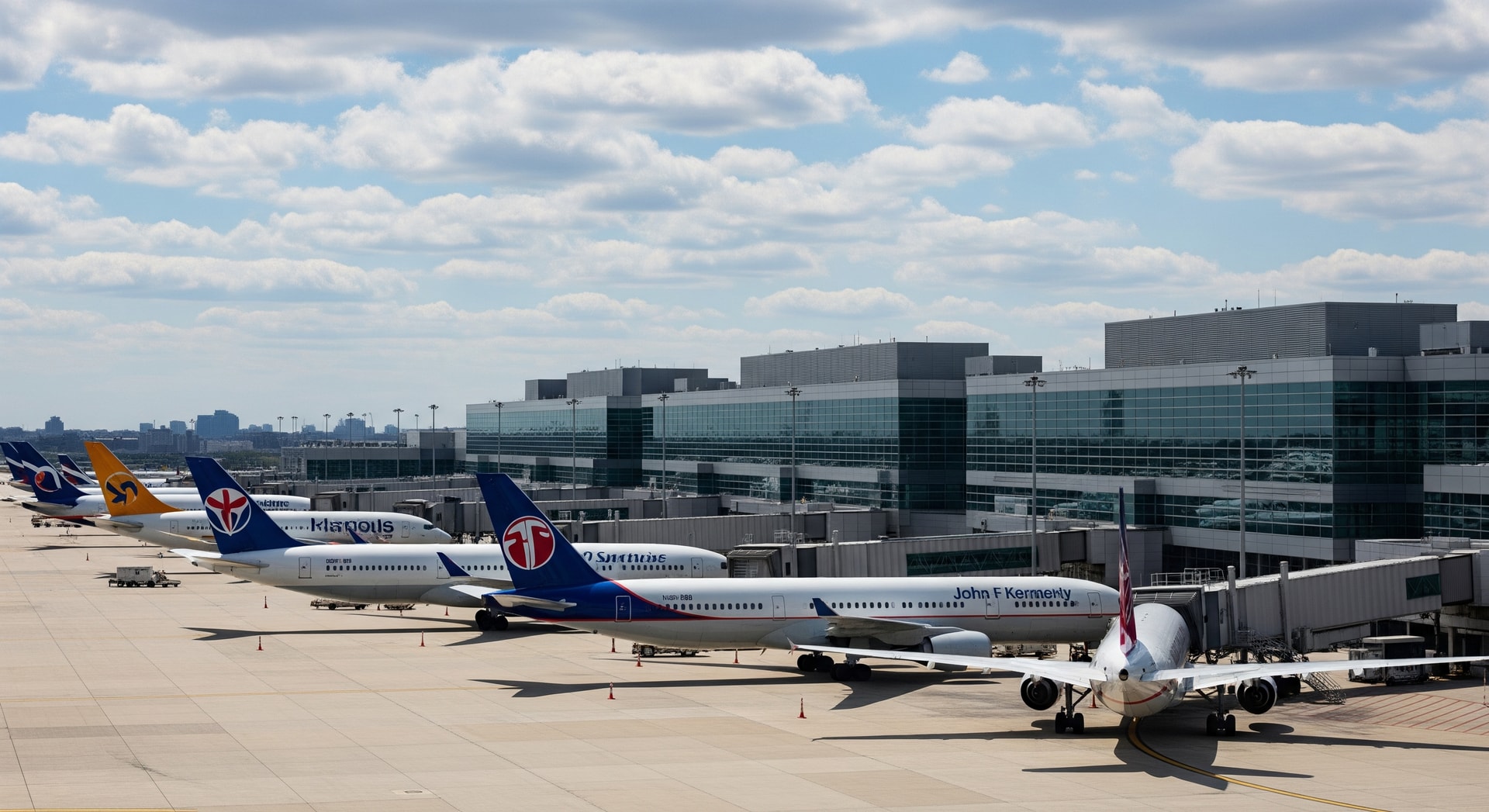
The New Terminal One will host a growing roster of international carriers and serve as a major connection point for global travel. Airlines such as Air France, KLM, Etihad, and Turkish Airlines are among those based in the terminal, which aims to boost JFK’s competitiveness for international traffic.
Beyond security and processing, the terminal’s redevelopment includes modern passenger amenities, larger retail and dining options, and updated facilities to accommodate rising traveler volumes.
What This Means for Travelers
For passengers, the rollout of JFK biometric arrivals promises quicker passage through immigration for eligible U.S. citizens and a more predictable arrival experience. Travelers who prefer traditional checks can still choose that route, preserving individual preference while offering a faster alternative.
So what? The shift toward biometric arrival processing at JFK signals how major airports are balancing security demands with the need for speed and efficiency. For returning U.S. citizens, it should mean shorter queues and a smoother transition from aircraft to onward travel; for the industry, it demonstrates how technology partnerships can free officer resources and enhance throughput without compromising safety.
Sources