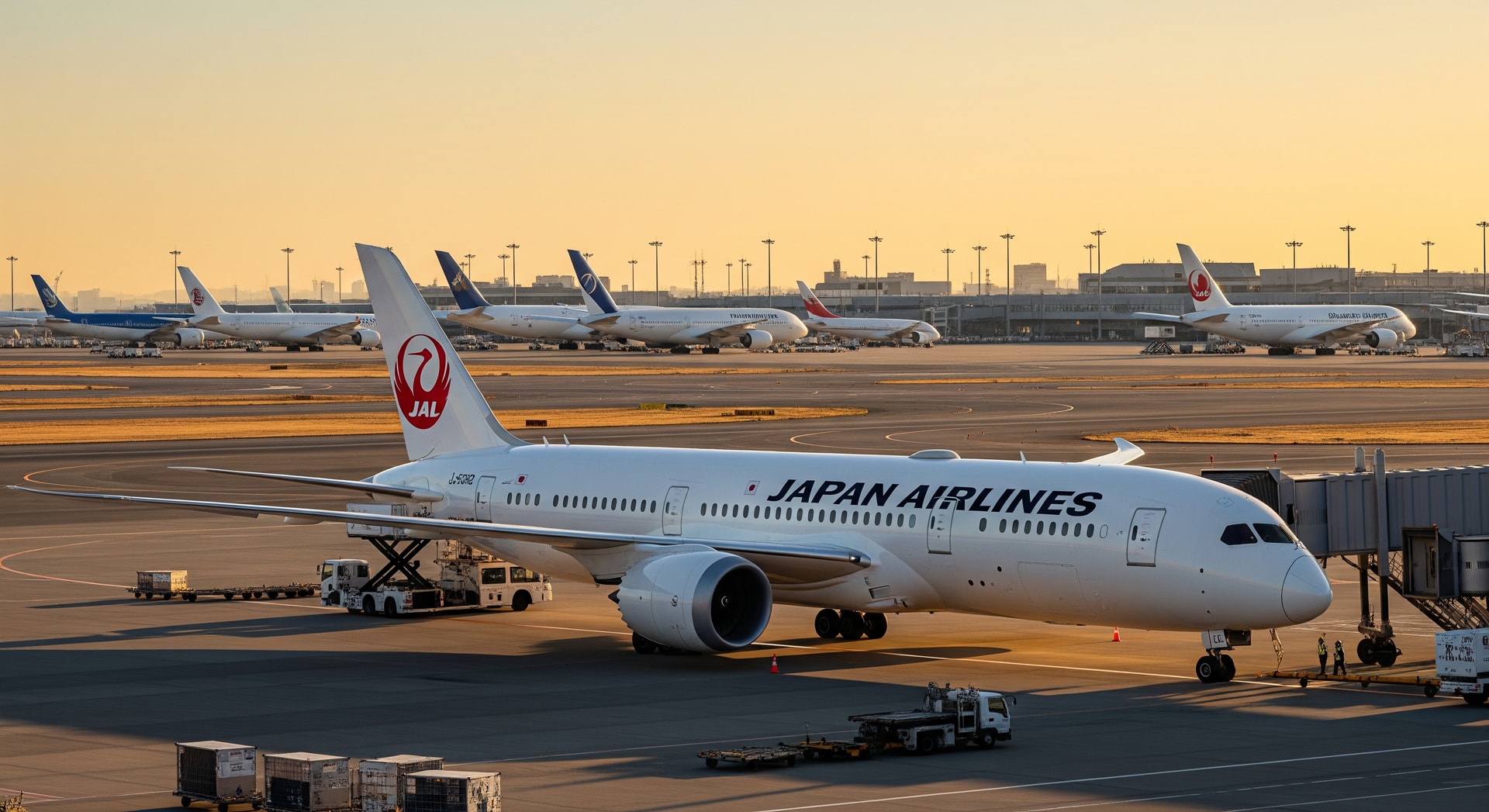
Japan Airlines is rolling out a major Summer 2026 network expansion, increasing frequencies and aircraft deployments to improve connections between Japan, the U.S., Europe and beyond.
Summary: Japan Airlines is expanding its international network for Northern Summer 2026 with added frequencies, new and enhanced routes to the U.S. and Europe, and deployment of larger wide-body aircraft to improve passenger comfort and connectivity.
Japan Airlines is preparing a substantial Summer 2026 network upgrade that will increase flight options between Japan, the United States and Europe. The carrier’s plan includes more frequencies on high-demand routes, new connections to underserved markets and larger aircraft on long-haul services—moves designed to make travel to and from Japan easier for both leisure and business travellers.
Expanded U.S. and Hawaiian Service
JAL’s summer schedule will increase capacity on key transpacific routes. The airline is boosting frequencies to major U.S. gateways including Los Angeles, New York and Chicago. Notably, flights between Japan and Honolulu will rise to seven weekly departures from June through September, up from the usual five weekly services—an explicit signal of renewed leisure demand for Hawaii.
Greater Access from Europe
In Europe, Japan Airlines will increase services on several important city pairs. The airline plans daily flights on the Tokyo Haneda to Paris Charles de Gaulle route and will add frequencies on services to London and Helsinki. These adjustments aim to improve seat availability and offer more travel flexibility for passengers connecting between Europe and Japan.
Aircraft Upgrades to Improve Long-Haul Comfort
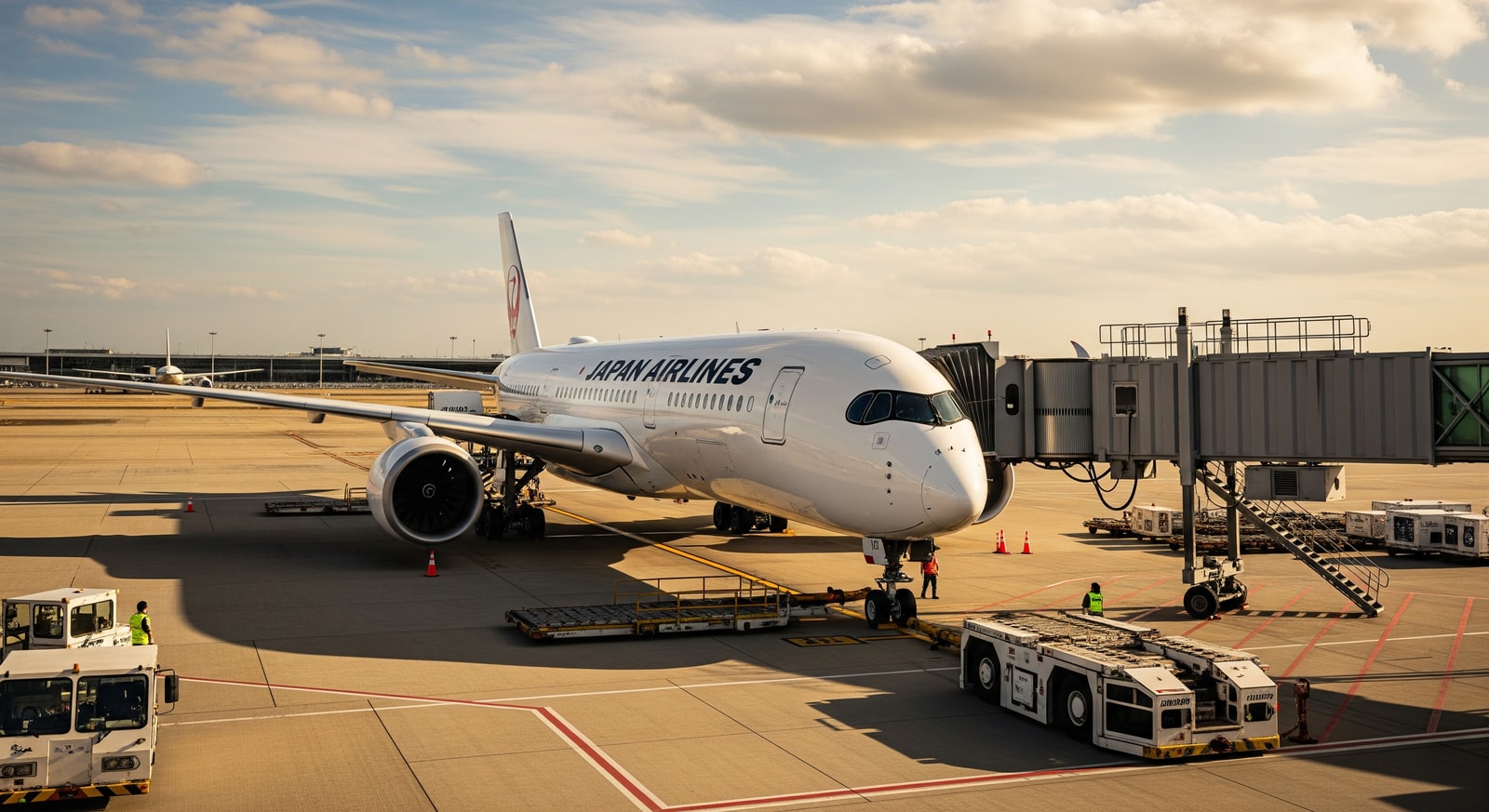
To support the increased services, JAL will deploy more wide-body aircraft on its long-haul routes, including the Boeing 777-300ER and the Airbus A350-1000. These aircraft offer expanded cabin space, revised seating layouts and enhanced onboard amenities, providing a more comfortable experience for long-haul passengers and additional capacity for premium cabins.
- Honolulu: increased to 7 weekly flights from June through September (up from 5)
- Tokyo Haneda – Paris Charles de Gaulle: service ramped up to daily flights
- Higher frequencies to Los Angeles, New York and Chicago
- More capacity using Boeing 777-300ER and Airbus A350-1000 on long-haul routes
Implications for Japan’s Tourism and Hospitality Sectors
The expanded network is expected to benefit Japan’s tourism industry by easing access to major hubs such as Tokyo, Osaka and Kyoto. Increased direct capacity should help hotels, attractions and local businesses cope with higher visitor numbers and may encourage demand in regional destinations including Hokkaido, Okinawa and Kyushu where JAL is enhancing connectivity.
Traveler Tips for Summer 2026
The airline’s timetable changes create more options for travellers, but passengers should still plan ahead for the summer peak. Booking early can secure better fares and preferred timings. Consider direct flights on JAL’s expanded schedule to reduce travel time and look into seat upgrades for added comfort on long-haul journeys.
- Book early to access the best fares and seat availability
- Watch for JAL seasonal promotions and early-bird offers
- Choose direct flights to minimize connections and transit time
- Consider premium cabins for long-haul comfort and services
- Use in-flight Wi‑Fi where available to stay connected
Overall, Japan Airlines is positioning itself to meet rising demand for international travel in 2026 by offering more flights, newer aircraft and improved schedules. The carrier’s strategy is intended to strengthen connectivity between Japan and major markets in North America and Europe while supporting tourism recovery across the country.
Why this matters: For travellers, the changes mean easier access to Japan, more flight choices and potentially improved fares and service levels during the busy summer season. For the travel industry, increased JAL capacity could translate into higher occupancy for hotels, greater demand for tours and broader economic benefits for regions that receive more direct international visitors.
Sources