An Air India Express delay left passengers bound for Muscat waiting nearly 10 hours at Chhatrapati Shivaji Maharaj International Airport, disrupting India–Oman travel.
Summary: An Air India Express delay left passengers for Muscat stranded at Mumbai's Chhatrapati Shivaji Maharaj International Airport for nearly ten hours after a technical issue prompted extended safety checks.
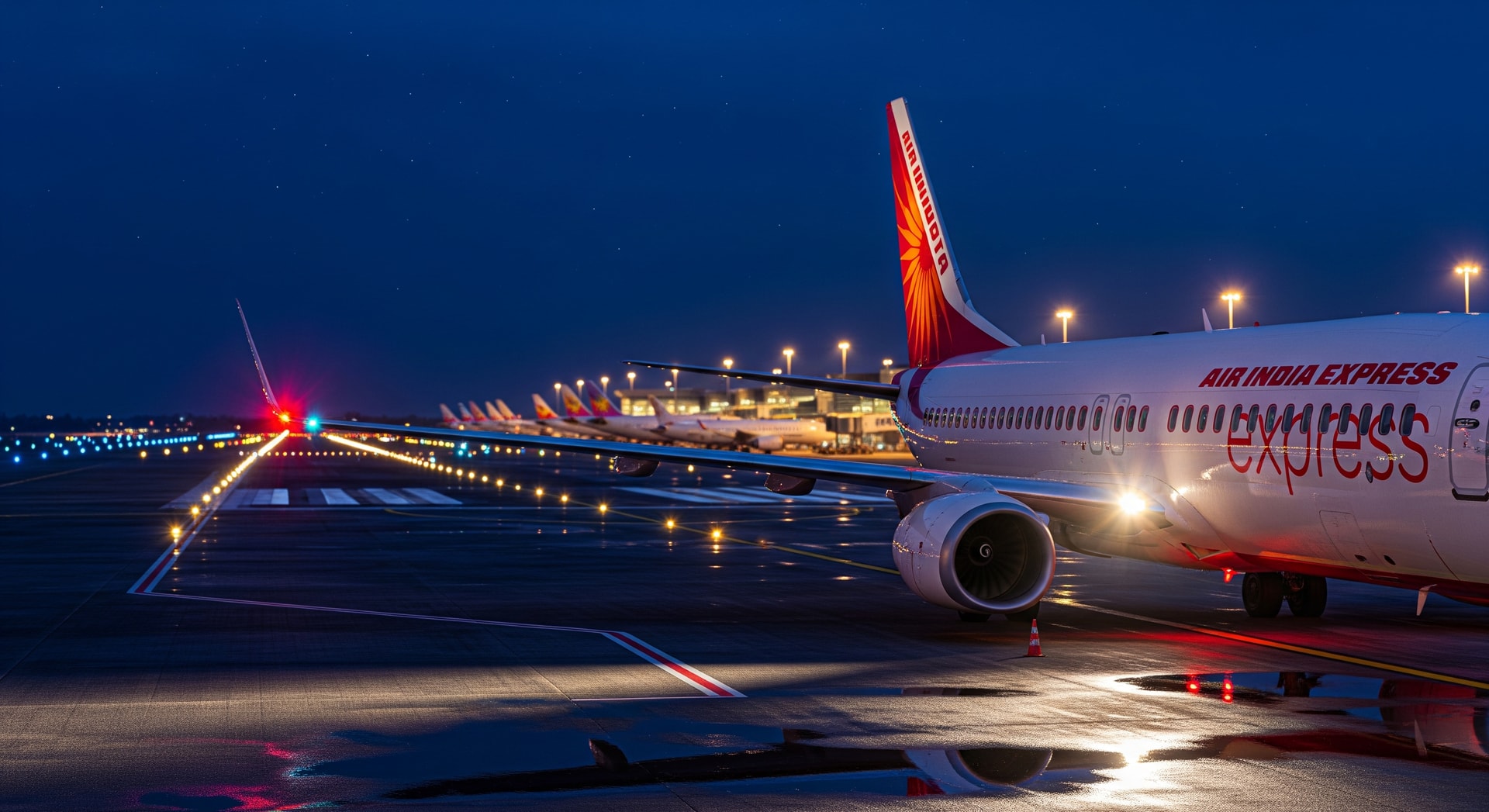
Air India Express passengers travelling from Mumbai to Muscat experienced a prolonged disruption when what began as a short timetable adjustment extended into an almost ten-hour overnight delay at Chhatrapati Shivaji Maharaj International Airport. The interruption was caused by a technical fault that required comprehensive inspections before the aircraft could be cleared to depart.
Technical fault triggers extended checks
The service had been scheduled to arrive in Muscat at 11:20 pm on Saturday, but a technical irregularity emerged shortly before departure. Ground crews and engineers carried out mandatory safety and airworthiness checks, preventing the aircraft from receiving departure clearance within the planned timeframe.
According to reporting by Times of Oman, the flight ultimately reached Muscat at about 9:20 am the next morning, reflecting a delay of nearly ten hours. Airline and regulatory procedures required the extended inspections to ensure the aircraft was fit to operate the India–Oman sector safely.
Passengers face overnight wait and repeated formalities
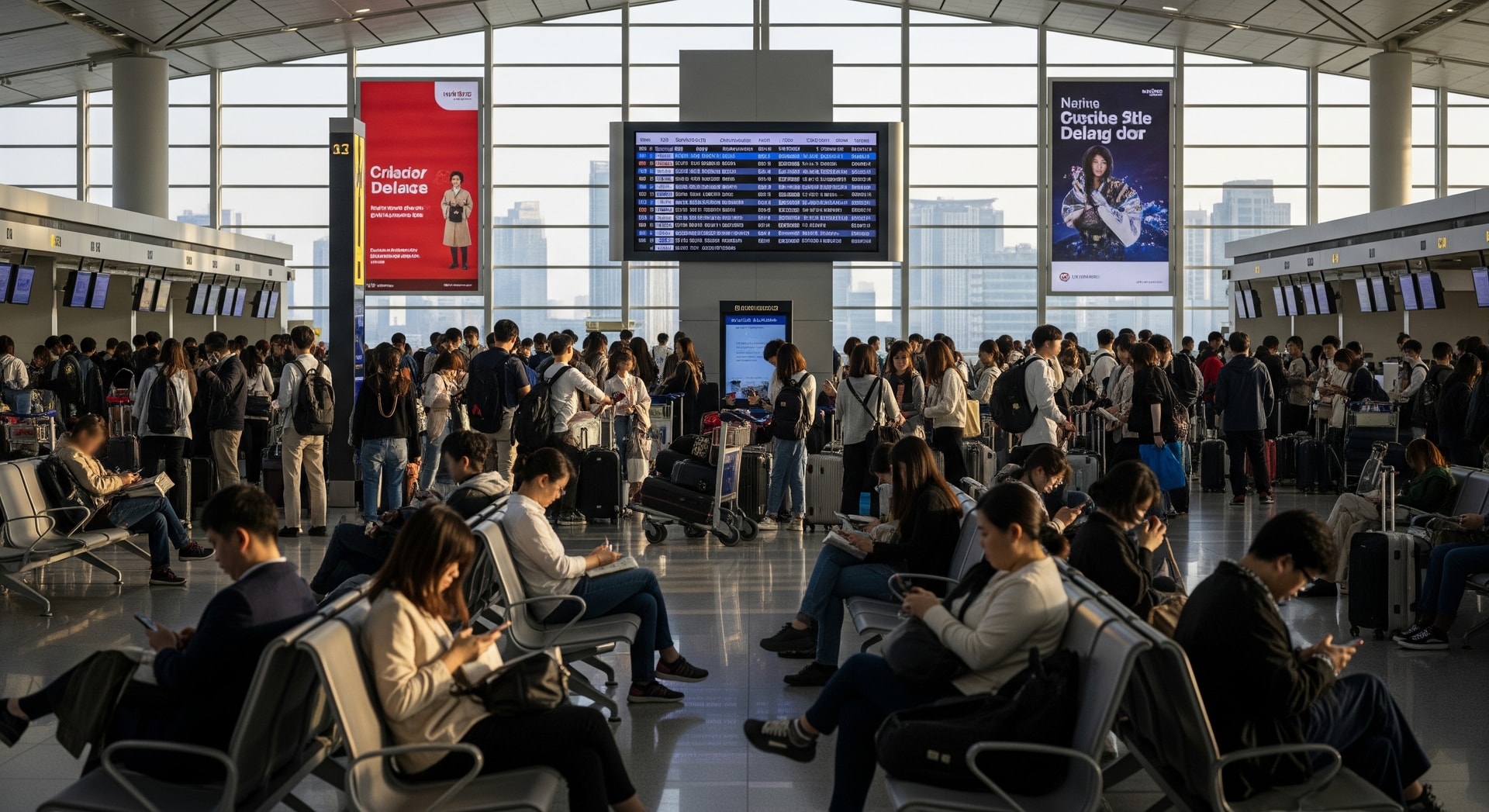
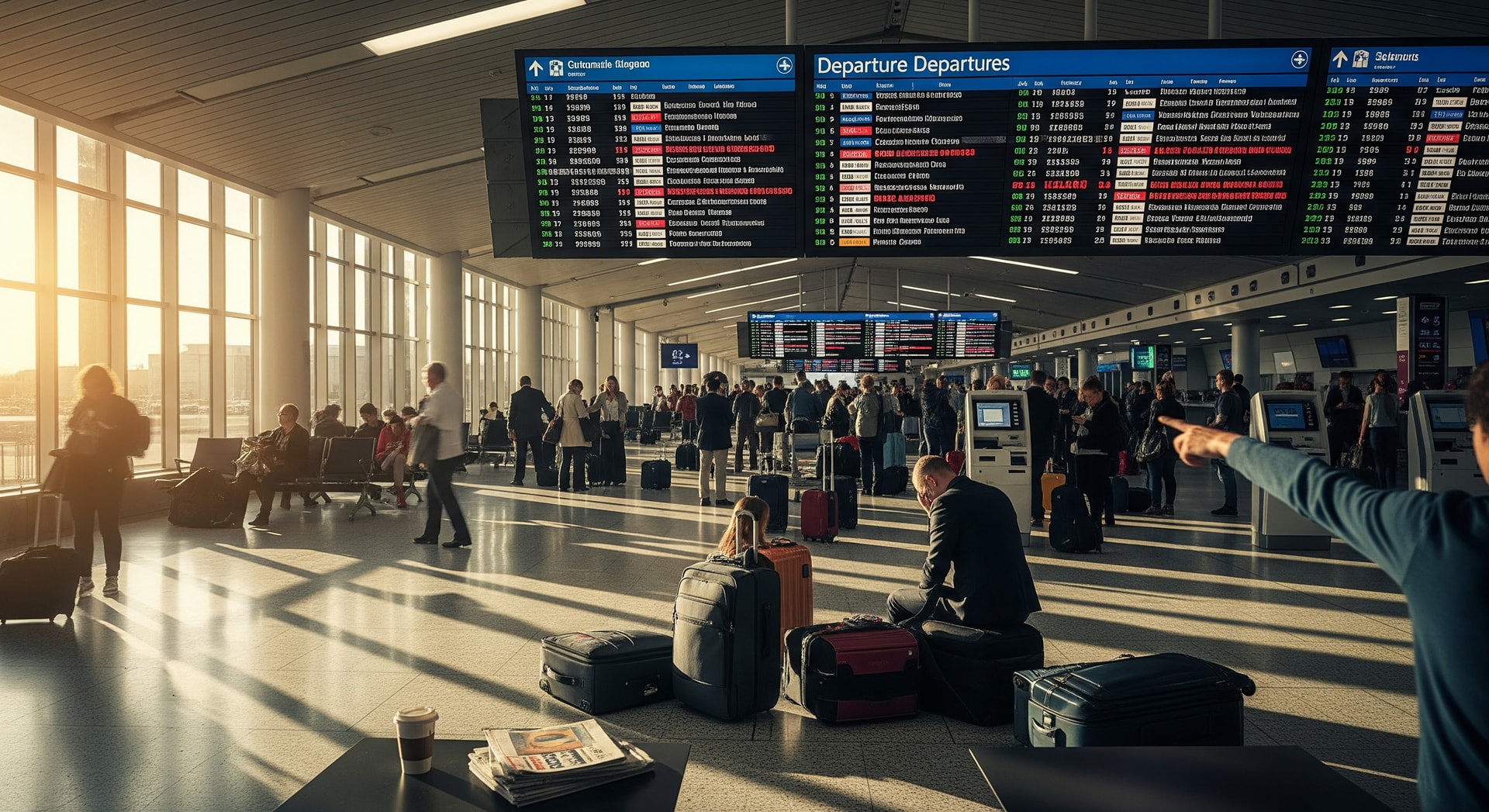
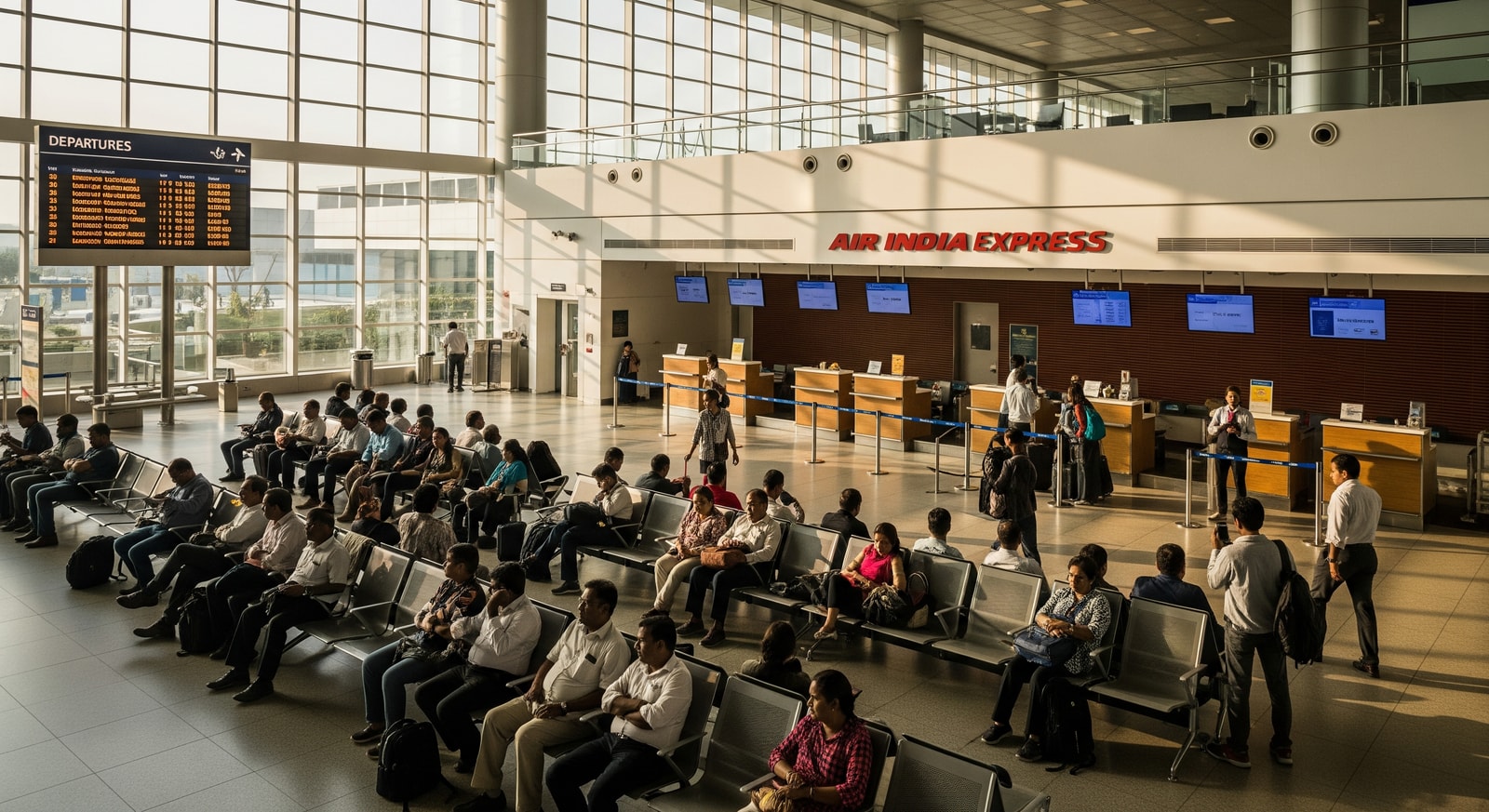
As the situation unfolded, travellers were required to disembark and complete security checks again. Multiple revisions to the departure timetable left many passengers inside the terminal throughout the night, disrupting onward travel plans, business appointments and family arrangements in Oman.
While airport facilities can accommodate extended stays, prolonged delays often increase discomfort because of limited seating, fatigue and uncertainty about revised departure times. In this incident, the delay first appeared as a short postponement before stretching repeatedly into the early morning hours.
- Scheduled Muscat arrival: 11:20 pm (Saturday)
- Actual Muscat arrival: ~9:20 am (next morning)
- Delay length: nearly 10 hours
- Location: Chhatrapati Shivaji Maharaj International Airport, Mumbai
Communication and passenger experience under scrutiny
Reports from travellers indicated frustration not only about the length of the delay but also about changing departure estimates and limited clarity on the nature of the technical problem. Industry observers say that consistent, transparent updates are crucial during disruptions to manage expectations and reduce stress.
Aviation experts note that even when technical issues are unavoidable, multilingual announcements, proactive ground staff engagement and realistic timelines can significantly improve the passenger experience—especially on routes between India and Gulf states that carry many expatriate workers and business travellers.
Context: earlier extended delay on Air India Express
This Mumbai–Muscat disruption followed a previous major delay involving Air India Express flight IX484 at King Fahad International Airport. That incident affected more than 150 passengers on the Dammam–Bengaluru sector and extended beyond 24 hours.
Flight IX484 had been scheduled to depart at 8:30 PM on April 25, 2025. After technical faults and repeated inspections, boarding resumed around 1:30 PM on April 26, but further issues during taxiing delayed the aircraft. The flight ultimately left close to midnight on April 26, approximately 27.5 hours after its planned departure.
Why this matters to travellers and the industry
The incident underscores the primacy of safety checks in aviation and the operational challenge of balancing regulatory compliance with passenger service. For travellers, it highlights the risk of lengthy delays even on routine international routes and the value of flexible itineraries and robust contingency planning.
So what? Passengers using India–Gulf corridors should be prepared for possible disruptions and prioritise clear communication channels with carriers. For airlines and airports, the episode is a reminder that timely, transparent updates and effective ground support are essential to preserving traveller confidence during extended technical delays.
Sources