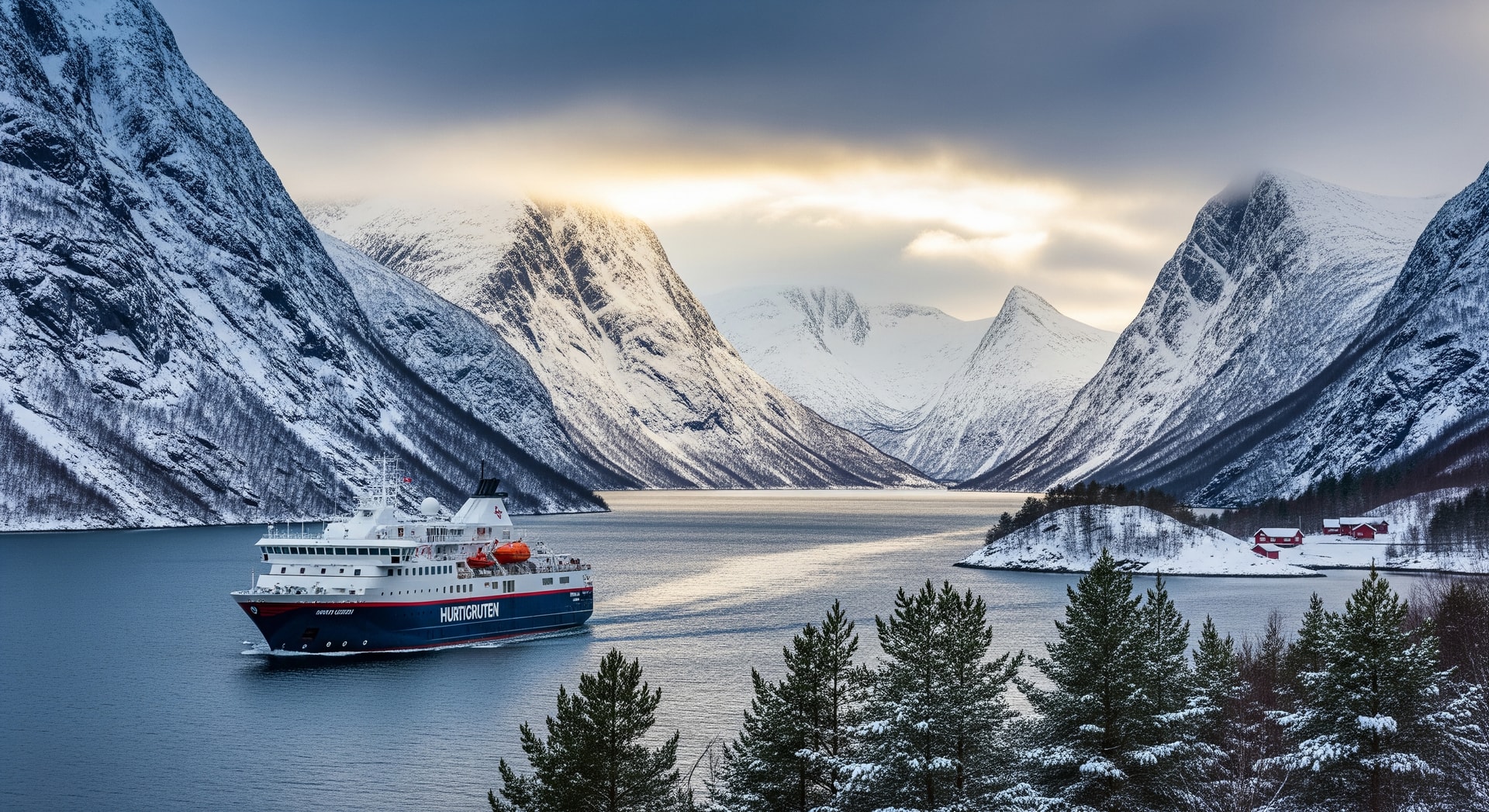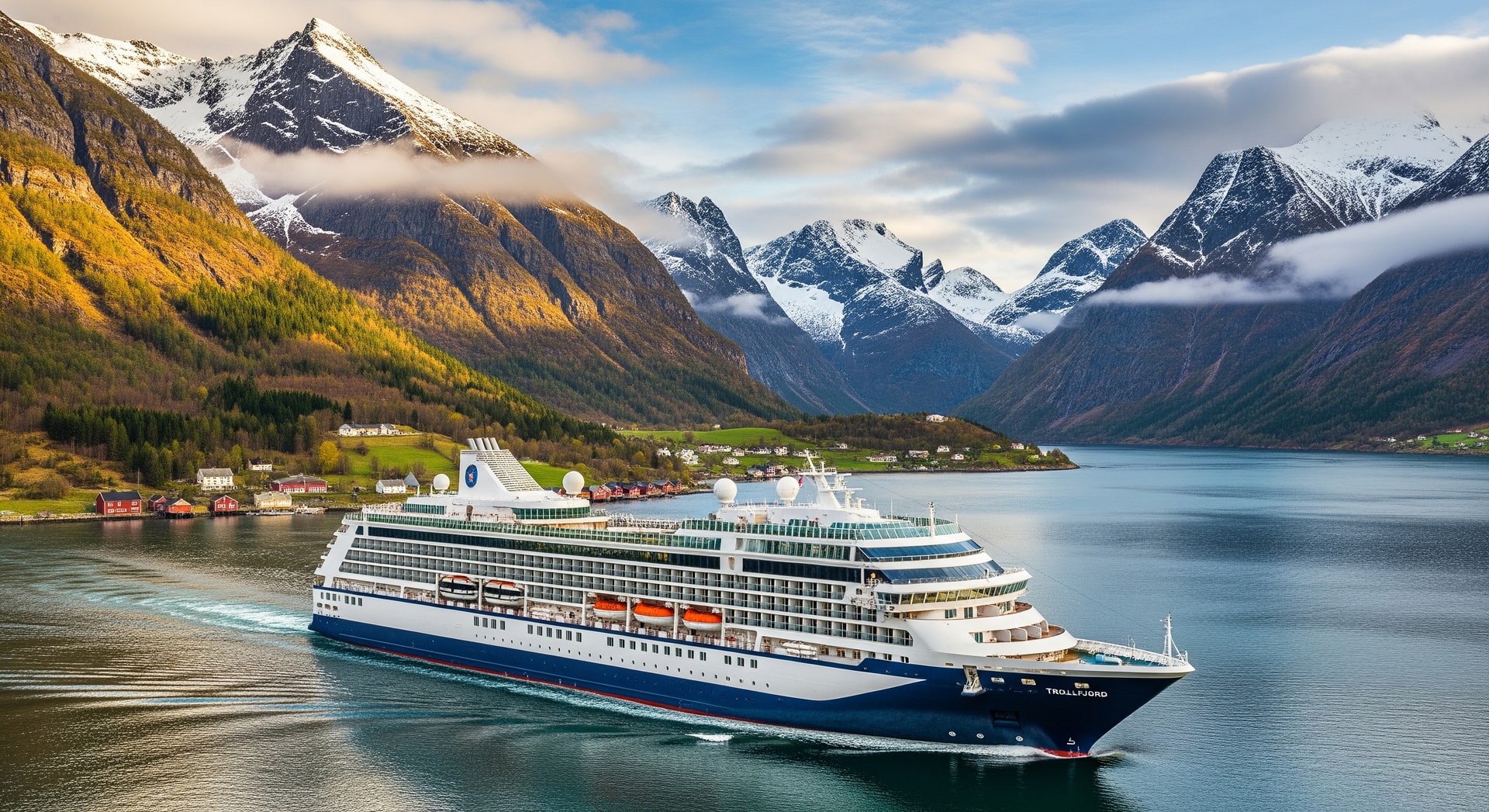
Hurtigruten voyages for 2027-28 introduce new fjord and Arctic itineraries aboard MS Trollfjord, designed to boost shoulder-season tourism and northern arrivals.
Summary: Hurtigruten launches Signature Voyages for 2027–28 on MS Trollfjord, adding new fjord and Arctic itineraries that target shoulder seasons and remote ports to spur sustainable tourism growth.
Hurtigruten voyages for 2027–28 will include a set of limited-season Signature Voyages aboard MS Trollfjord that move beyond the company’s classic coastal routes to offer deeper access to Norway’s fjords and Arctic landscapes. The new schedule is intended to draw international visitors into lesser-visited communities and extend travel demand into shoulder and winter seasons.
New Routes Elevate Fjord Tourism
One of the headline additions is the Inner Fjords Explorer, a Bergen–Ålesund–Bergen itinerary that ventures into Sognefjord, Hardangerfjord, Nordfjord and Lysefjord. Timed to showcase spring waterfalls and autumn colours, these small-ship sailings are designed to shift visitor flows away from summer peaks and channel tourism revenue into fjord villages.
- Inner Fjords Explorer (Bergen–Ålesund–Bergen): Sognefjord, Hardangerfjord, Nordfjord, Lysefjord — deepens fjord tourism and supports rural economies
- Arctic Circle Explorer (Tromsø–Honningsvåg–Tromsø): Alta, North Cape, Lofoten — targets winter Northern Lights travellers
- Arctic Line (Copenhagen–Tromsø): Helgeland, Lofoten, Arctic Circle — links European travellers northward over eleven to twelve days
Arctic Circle and Aurora-focused Sailings
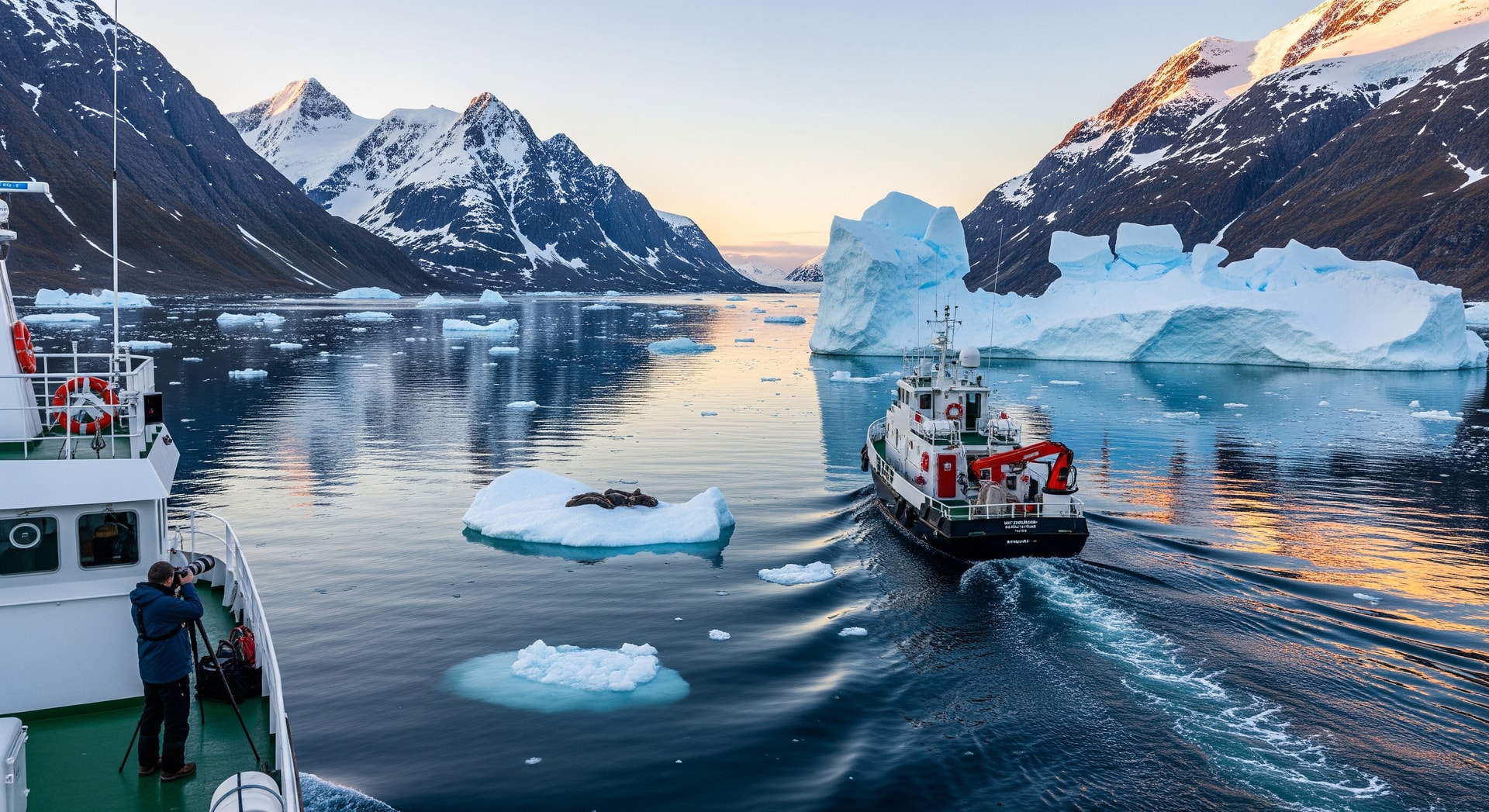
The Arctic Circle Explorer will operate from Tromsø to Honningsvåg and back, calling at destinations such as Alta, North Cape and the Lofoten archipelago. Flexible winter departures aim to increase opportunities for Northern Lights viewing and attract adventure-minded visitors. Norway’s tourism boards note such voyages boost winter arrivals by up to twenty-five percent.
Arctic Line Connects Europe to Norway
Hurtigruten’s Arctic Line links Copenhagen with Tromsø over eleven to twelve days, threading together Helgeland, Lofoten and Arctic Circle zones. By creating a direct northbound corridor from Denmark, the route is expected to broaden cross-border tourism flows and make northern Norway more accessible to European travellers.
Sustainability and Local Benefits
The programme leans on Hurtigruten’s small-ship approach: MS Trollfjord is pitched as a lower-impact platform that aligns with Norway’s sustainable tourism policies. Government initiatives also back the move — Innovation Norway is promoting fjord cruises to stimulate local economies. Bergen’s UNESCO status is expected to benefit from managed visits to sensitive areas like Geirangerfjord.
Seasonal Appeal and Excursions
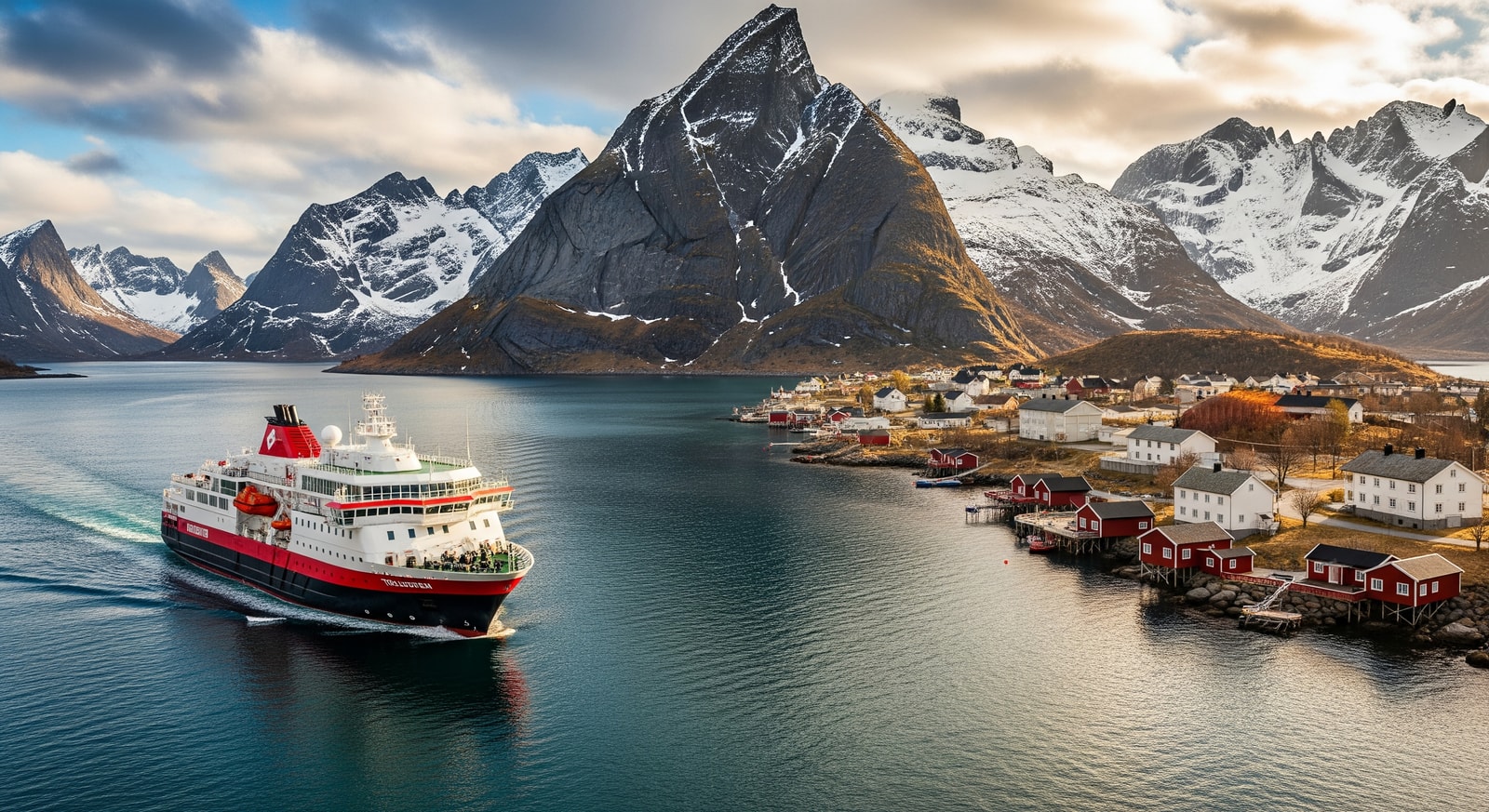
The itineraries are crafted to take advantage of seasonal highlights — spring and autumn for dramatic fjord scenery, winter for aurora-chasing in Tromsø and Lofoten. Hurtigruten plans expert-led shore excursions such as husky safaris and guided hikes, aiming to reduce environmental risk while enhancing visitor understanding of local ecosystems.
Economic Impact on Coastal Communities
Hurtigruten expects the Signature Voyages to channel tourism revenue into peripheral destinations — from fisheries in Lofoten to orchards in Hardangerfjord. Northern ports such as Honningsvåg stand to gain from optional excursions to North Cape. The launches are consistent with national objectives that aim for ten million visitors annually and may help stabilise employment outside the summer season.
Overall, the company projects a fifteen to twenty percent uptick in tourism for the regions targeted by these voyages, and the 2027–28 timetable will be used to refine itineraries based on demand and feedback.
What this means for travellers: the Signature Voyages expand options for visitors seeking fjord scenery and Arctic experiences outside peak months, while delivering smaller-ship access to remote communities. For the tourism industry, the programme represents a strategic push to disperse visitor flows, support local economies and test sustainable technologies in operational settings.
Sources