Gower Peninsula Dark Sky Park has been designated an International Dark Sky Park, creating a new hub for stargazing and night‑time nature experiences in Wales.
Summary: Gower Peninsula Dark Sky Park has been accredited by DarkSky International ahead of Welsh Dark Skies Week 2026, following a multi‑partner effort to reduce light pollution and protect nocturnal habitats while boosting astro‑tourism and coastal bioluminescence viewing.
Just before Welsh Dark Skies Week in February 2026, the Gower Peninsula was officially named an International Dark Sky Park by DarkSky International. The designation recognises Gower as one of Europe’s premier locations for observing the night sky, reinforcing its value for both astronomy enthusiasts and nature visitors.
How the designation was achieved
The accreditation followed years of coordinated work by local and national bodies. Swansea Council, the Welsh Government, Natural Resources Wales, the Gower Society and community groups partnered to strengthen protections against light pollution and to meet the technical standards required by DarkSky International.
A rare dark-sky refuge in a light-polluted world
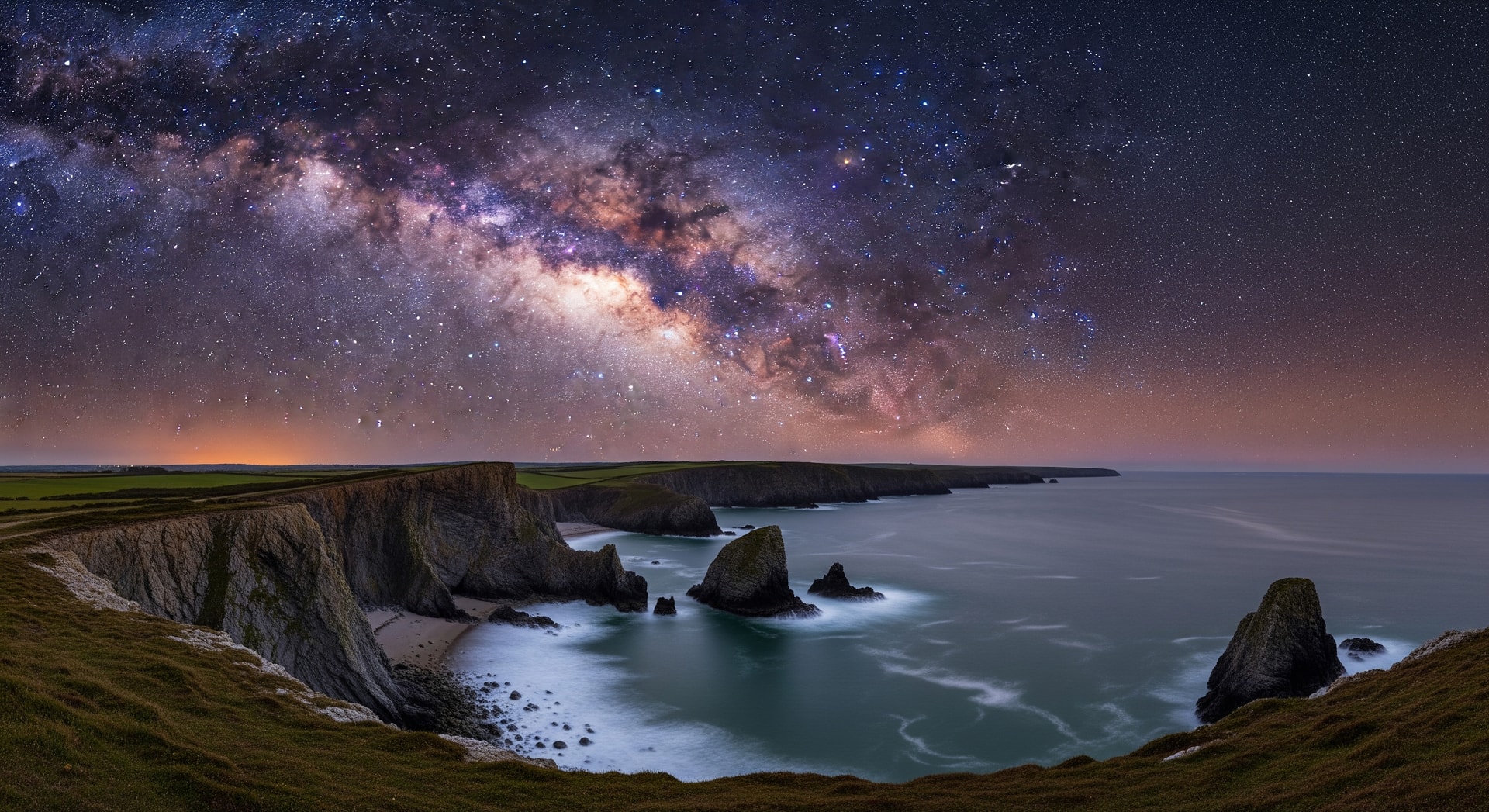
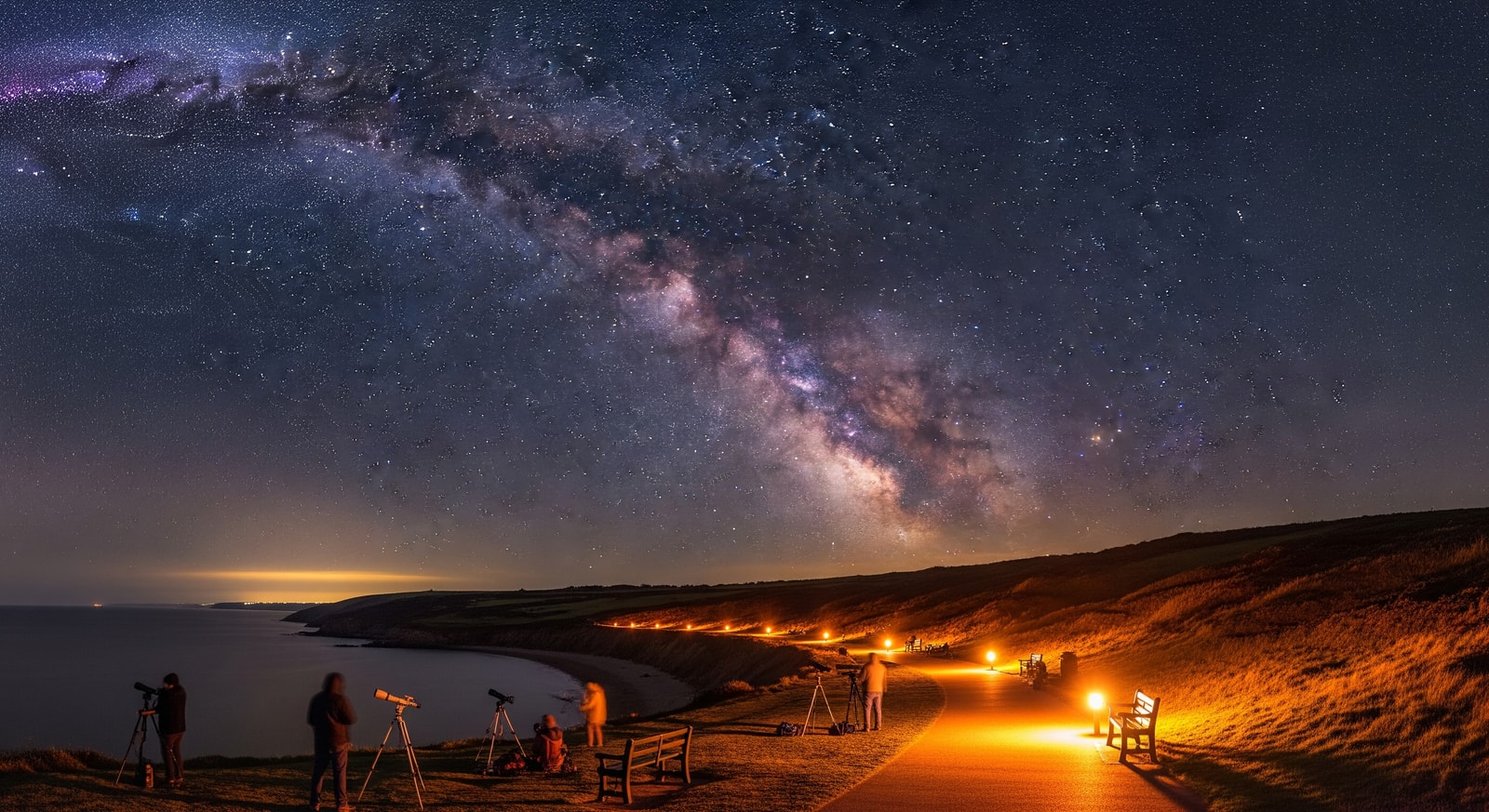
The recognition is particularly notable because nearly 99% of people in Europe and the United States live under skies degraded by artificial light. In contrast, the Gower Peninsula offers unusually clear night skies, with the Milky Way visible across the Bristol Channel from many vantage points.
Achieving Dark Sky Park status required practical changes as well as policy: every street light on the peninsula was replaced with dark‑sky‑friendly LED lanterns that steer light downward to reduce sky glow. New developments are now subject to stricter lighting regulations so that building evolution aligns with the area’s environmental goals.
Bioluminescent shores add a coastal dimension
Gower’s beaches are known not only for stars but also for night‑time seas that occasionally glow. During summer months, microscopic plankton can light up waves in neon blue, and the reduced artificial lighting has made these displays more visible to walkers and photographers.
- Caswell Beach
- Three Cliffs Bay
- Port Eynon
Economic opportunities from astro‑tourism
Officials expect the new status to expand Gower’s appeal beyond the summer season. Swansea Bay already draws more than 4.6 million visitors each year, and more than 260 local tourism businesses are working with authorities to introduce stargazing stays, guided nocturnal tours and other dark‑sky experiences that support year‑round visitation.
Accessibility and conservation benefits
Gower combines easy‑access viewpoints with wilder interior areas, so visitors without specialist equipment can still enjoy unobstructed horizons while more adventurous observers can seek remote sites. The protected night sky also supports local wildlife: reducing light spill helps preserve natural light‑dark cycles relied upon by migratory birds and nocturnal mammals.
- Retrofit of street lighting with dark‑sky LEDs
- New lighting controls and development rules
- Community engagement and monitoring programmes
What this means for travellers
For travellers, the designation means more reliable opportunities to see a dark, starry sky and enhanced chances to witness coastal bioluminescence—all supported by local businesses offering night‑time experiences. For the tourism industry, Gower’s status provides a sustainable, off‑season product that can diversify income while protecting habitats and reducing light pollution.
Tip: Visitors planning a stargazing trip should check moon phases and local tour operators offering guided night walks for the best viewing conditions.
Sources