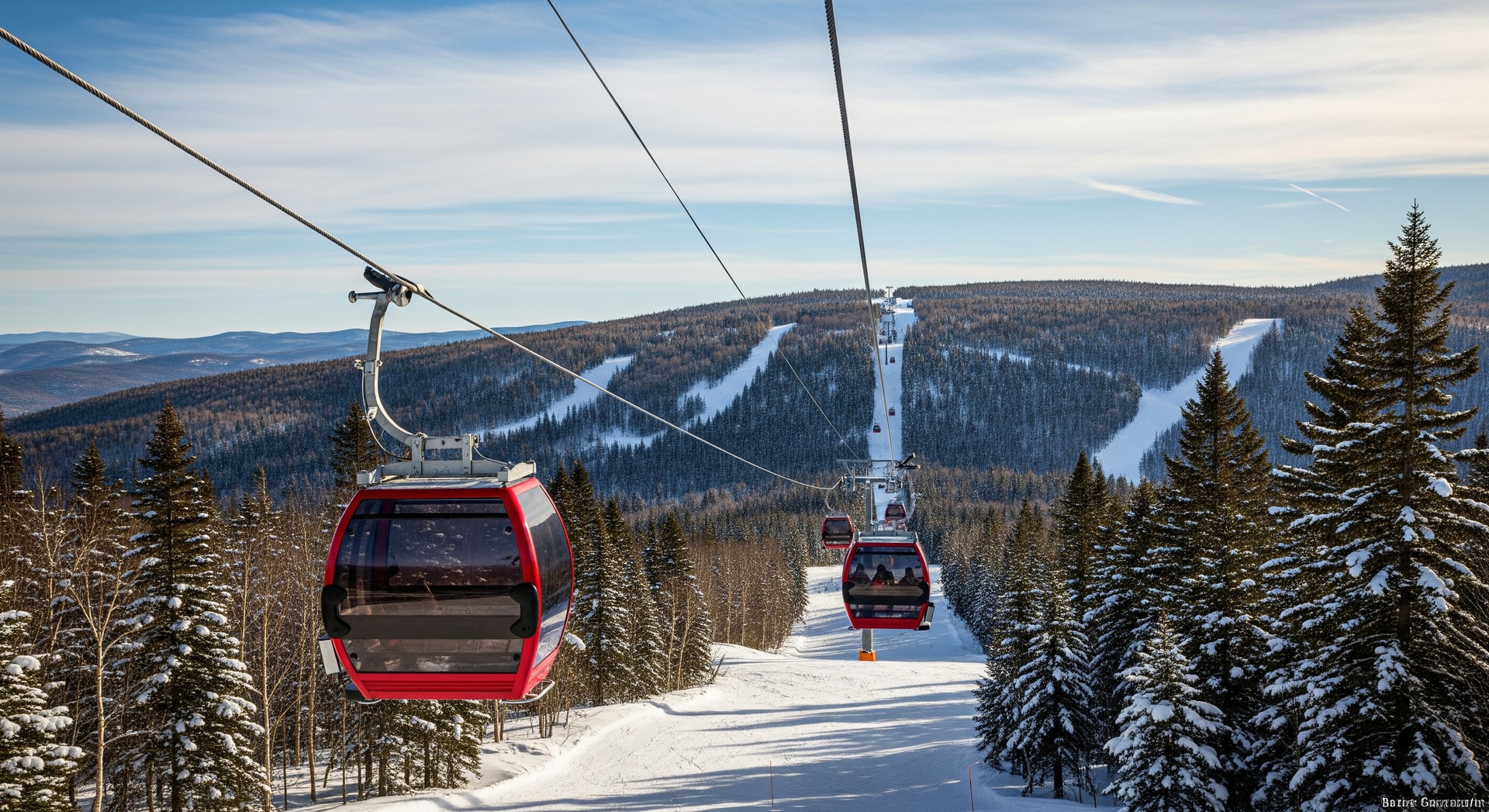
A Gore Mountain New York gondola stall left nearly 70 visitors suspended in cabins on February 4, 2026, before rescue teams evacuated passengers safely with no reported injuries.
Summary: The Northwoods Gondola at Gore Mountain in New York’s Adirondack Mountains stopped shortly after 9 a.m. local time on February 4, 2026 due to a mechanical alignment issue. Nearly 70 passengers were evacuated over several hours by ORDA staff and DEC forest rangers using ropes and harnesses. No injuries were reported, and officials said the shutdown was triggered by a safety sensor rather than a power failure.
A Gore Mountain New York gondola stall turned a routine ski day into a large-scale rescue operation in the Adirondack Mountains. Nearly 70 visitors riding the resort’s Northwoods Gondola were left suspended in enclosed cabins after the lift stopped during morning operations on February 4, 2026.
Gore Mountain is a major winter destination in the region, drawing skiers and travelers for its trails and mountain views. The incident quickly shifted attention from recreation to safety procedures as responders organized an evacuation from high above the slopes.
What caused the Northwoods Gondola to stop
According to information provided by officials, the Northwoods Gondola halted shortly after 9 a.m. local time on February 4, 2026. The stoppage was linked to a mechanical alignment issue in the lift system, after a wheel assembly shifted out of alignment and activated an automatic safety sensor designed to stop the line.
Officials from the New York State Olympic Regional Development Authority (ORDA), which manages the resort, said the situation was not the result of a power outage or a failure of emergency systems. Instead, they described it as a non-emergency mechanical alignment concern that nevertheless required the lift to remain stopped while crews responded.
Multi-agency rescue operation and evacuation process
After the gondola came to rest, ORDA rescue teams and New York State Department of Environmental Conservation (DEC) forest rangers were mobilized, working alongside local emergency services. Responders assessed conditions and prepared a controlled evacuation that took several hours to complete.
DEC forest rangers—some of whom had completed specialized lift-evacuation training before the ski season—climbed lift towers and used ropes and harnesses to reach the cabins. Passengers were instructed to stay low and get ready near cabin doors while rescue personnel lowered people individually using pulley systems.
I never thought I’d be sitting above the treetops on a ski trip
Weather added complexity to the operation, with cold temperatures and high winds reported during the evacuation. Even so, the enclosed gondola cabins offered shelter while teams worked through the rescue plan. Officials reported no injuries.
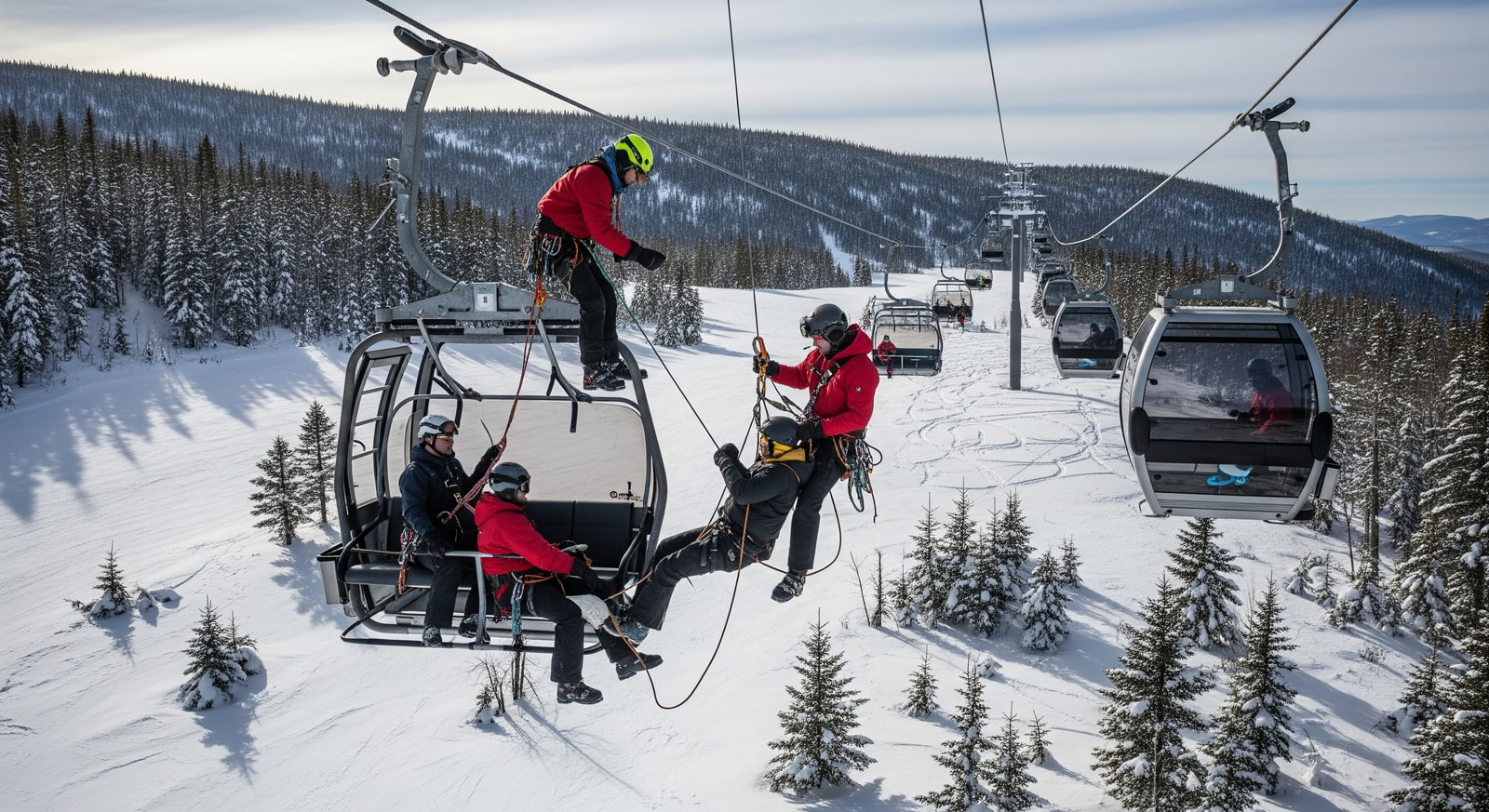
Safety training and emergency procedures highlighted
Officials emphasized that preparation played a central role in the outcome. ORDA and DEC personnel pointed to practice rescue operations conducted in November 2025, ahead of the winter season, which helped responders carry out the evacuation in a structured way—from tower access to lowering passengers safely.
In a post-incident message, ORDA reiterated that lifts would only return to service once inspections and safety requirements were fully met. The incident, while unsettling for those onboard, also demonstrated how sensor-triggered shutdowns are intended to reduce risk when mechanical irregularities are detected.
Tourism and traveler confidence in Adirondack ski resorts
Travel industry observers noted that while the malfunction temporarily disrupted operations, Gore Mountain’s broader appeal remains strong. The Adirondacks continue to attract families, adventure travelers, and international visitors, and the response was cited as an example of how state-operated destinations manage safety incidents.
This event, while unusual, underscores why travellers choose state‑operated destinations like Gore Mountain
Here, prepared staff, trained responders and systematic safety protocols helped ensure a positive ending, even in an unexpected situation.
Operations resumed after inspections
By the following day, officials said the gondola had returned to service after inspections and adjustments. Other lifts and trails not connected to the incident continued operating normally, and authorities reported no long-term disruption.
Traveler tips for ski lift and gondola incidents
- Check resort safety information and weather advisories before departure.
- Follow all instructions from resort staff and emergency personnel.
- Dress in layers and prepare for cold conditions even in enclosed areas.
- Keep emergency contacts and insurance details accessible.
Why this matters: For travelers planning winter trips, the Gore Mountain incident is a reminder that mechanical stoppages—while rare—can happen, and that response capability varies by destination. Knowing a resort’s safety guidance, dressing for exposure, and following staff instructions can make an unexpected delay safer and less stressful, while the industry focus remains on training, inspections, and clear evacuation procedures.
Sources