Glen Canyon NRA is drawing unprecedented international interest, but visa rules, infrastructure limits and strained US-Canada travel relations threaten sustained growth.
Summary: Glen Canyon National Recreation Area has seen a major rise in visitors and spending, driven by new international connections and growing demand — but visa restrictions, operational friction and funding gaps threaten long-term growth.
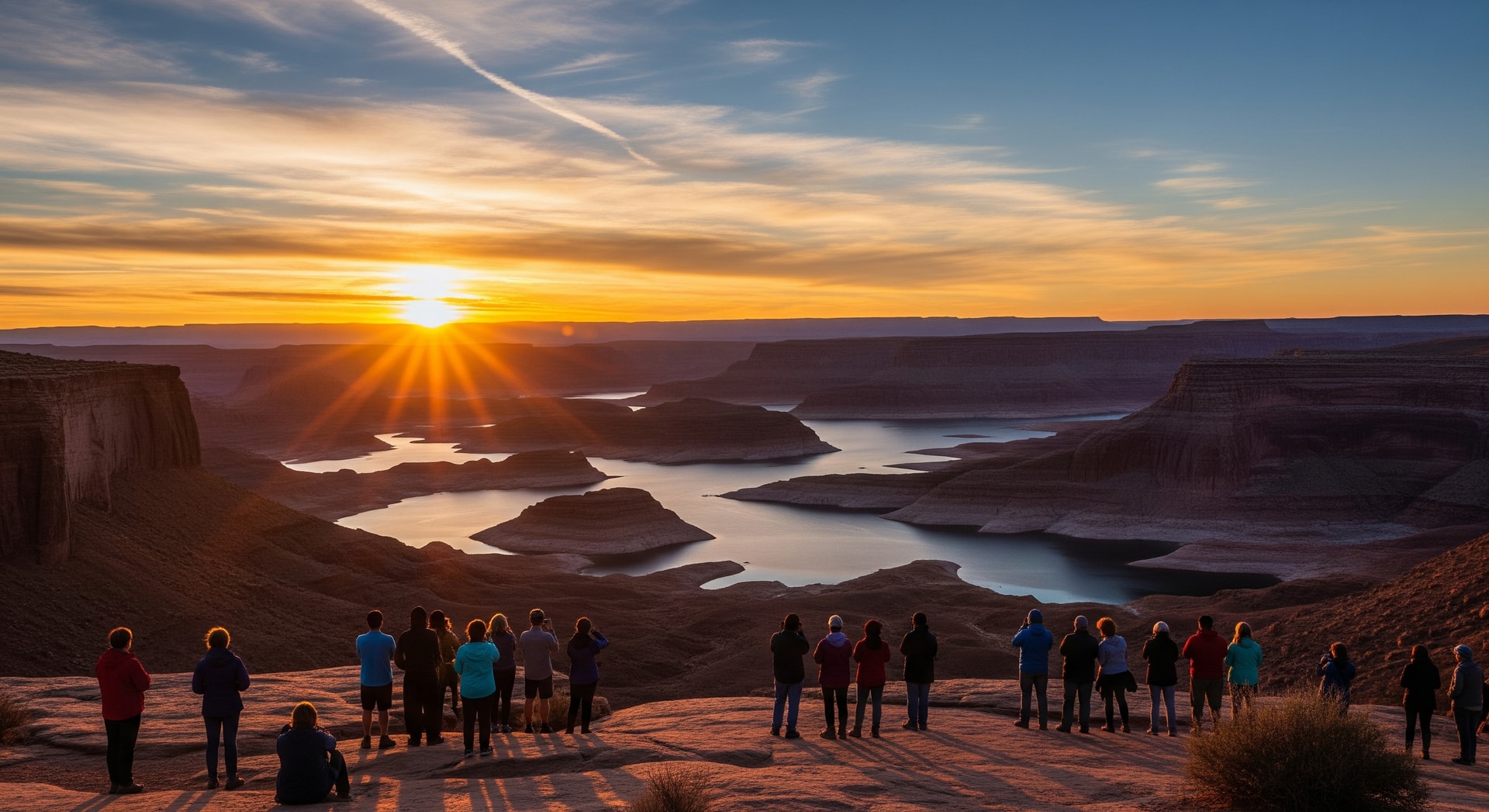
Glen Canyon National Recreation Area (GCNRA) has become a focal point for both domestic and international travellers in recent years. Glen Canyon NRA is recording rapidly rising visitation and attendant spending that have transformed the park into a leading U.S. tourism draw.
Record visitor numbers and economic impact
In 2023 GCNRA surpassed previous attendance highs by recording more than 5 million visitors. These visits generated visitor spending in excess of $518 million, a substantial economic boost for towns and services around the park, according to the National Park Service.
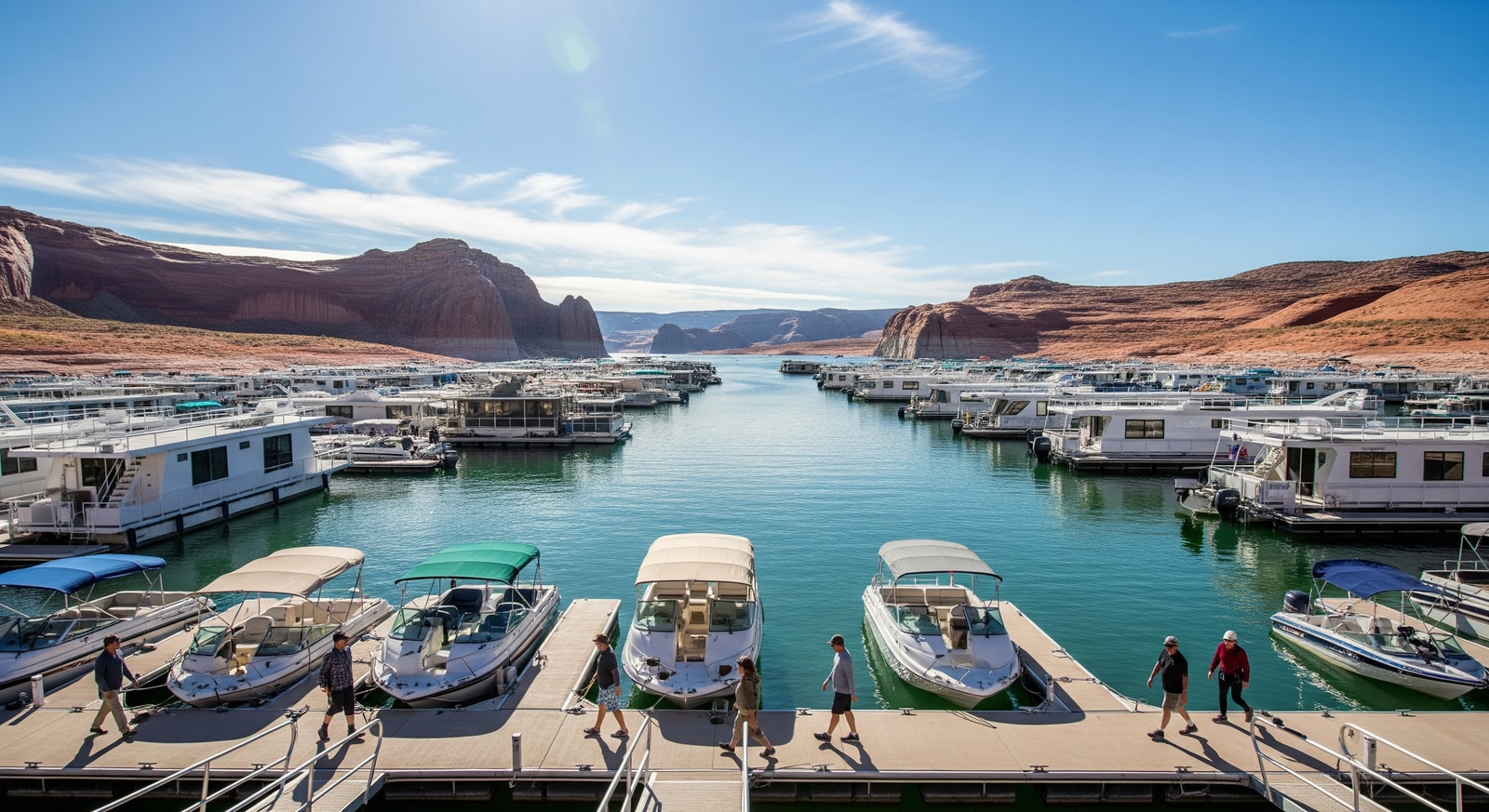
Survey data indicates visitors arrived from 19 countries, underscoring the site’s growing global appeal. The influx has driven demand for expanded lodging, marina improvements and new air connections, prompting calls for upgraded local infrastructure.
International reach and transportation access
Greater access has arrived alongside the visitor surge. New and expanded routes — including regional services that connect through hubs such as Salt Lake City and Phoenix — have made Glen Canyon easier to reach. Operators like Contour Airlines and other regional carriers are part of that growing network.
- Popular park access points: Wahweap and Antelope Point
- Regional hubs providing connections: Salt Lake City, Phoenix
- Airlines expanding service: Contour Airlines and regional carriers
Policy and operational frictions limiting growth
Despite the rise in arrivals, several obstacles are tempering the long-term outlook. Visa restrictions, periodic U.S. government shutdowns and policies that complicate international travel are deterring some potential visitors. The piece highlights that Canadians in particular have reduced travel to the U.S., a trend described as Canadians punishing US tourism in marketplace coverage.
Operational issues across the wider travel system—long TSA lines, airport delays and staff shortages—add friction for visitors and make the overall U.S. travel experience less reliable, which may blunt further growth in international arrivals.
Federal funding and infrastructure responses
Federal initiatives such as the Great American Outdoors Act (GAOA) and the Bipartisan Infrastructure Law (BIL) are directing significant funds toward park improvements, roads, trails and visitor facilities. Grants tied to these programs aim to enhance the visitor experience and support the infrastructure that accommodates growing numbers at sites like Glen Canyon.
Yet experts warn that pockets of the travel industry still face shortfalls. The current expansion provides an opportunity to showcase U.S. destinations, but funding gaps and policy barriers risk making recent gains fragile rather than sustainable.
What this means for travelers and the tourism industry
For travellers, the surge at Glen Canyon promises more reasons to visit — upgraded facilities, new travel options and a richer regional tourism offer. For the industry, it highlights both opportunity and fragility: demand is rising, but policy and service challenges could dampen future growth if not addressed.
So what? The Glen Canyon story shows that while attractions can draw international crowds, lasting success depends on smoother visa processes, reliable transport operations and sustained investment in infrastructure — factors travellers should watch when planning trips.
Sources