AGIBOT humanoid robots were showcased in Thailand in February 2026 as part of a three-day programme supporting the country's Smart Tourism ambitions and plans for market entry later in 2026.
Summary: AGIBOT humanoid robots were showcased across multiple public and private venues in Thailand from 11–13 February 2026, demonstrating multilingual assistance, navigational guidance and stable operation in crowded environments as part of the country's Smart Tourism push; AGIBOT shipped over 5,100 units globally in 2025.
In mid-February 2026, AGIBOT humanoid robots were demonstrated in Thailand to show how embodied AI can be integrated into the visitor experience as part of national Smart Tourism objectives. The three-day programme, held from February 11 to 13, presented next-generation humanoid systems to public-sector stakeholders, tourism officials and industry representatives, and set the stage for a planned market entry later in 2026.
Event overview and live demonstrations
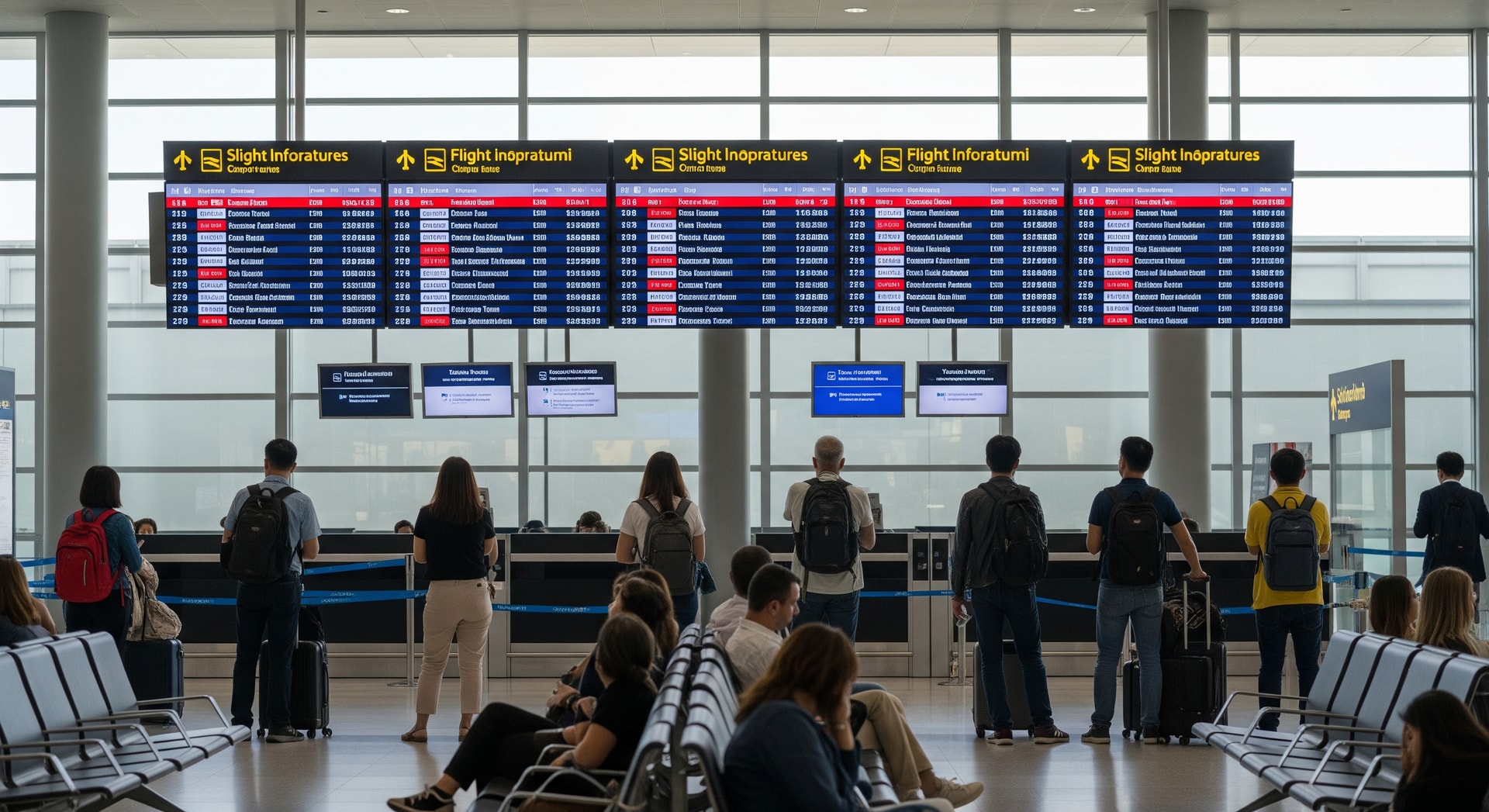
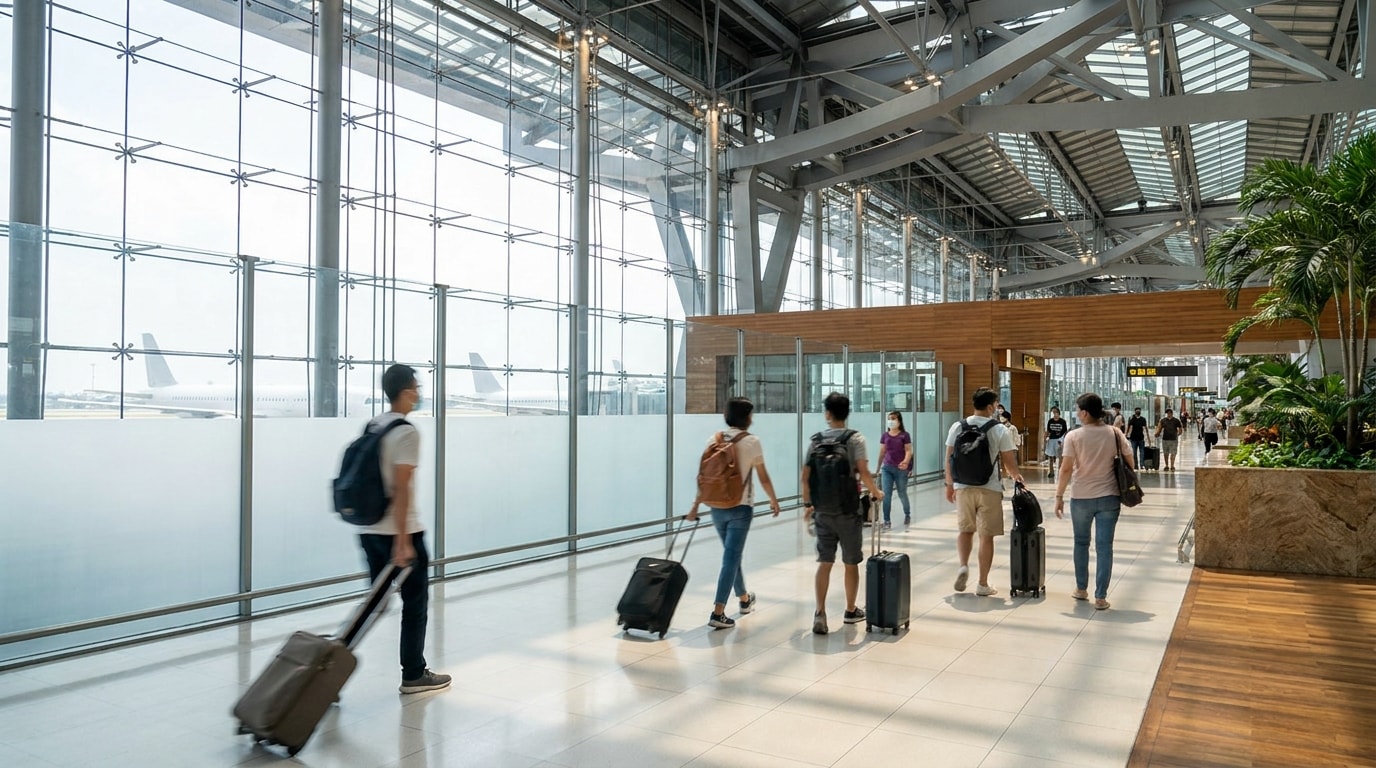
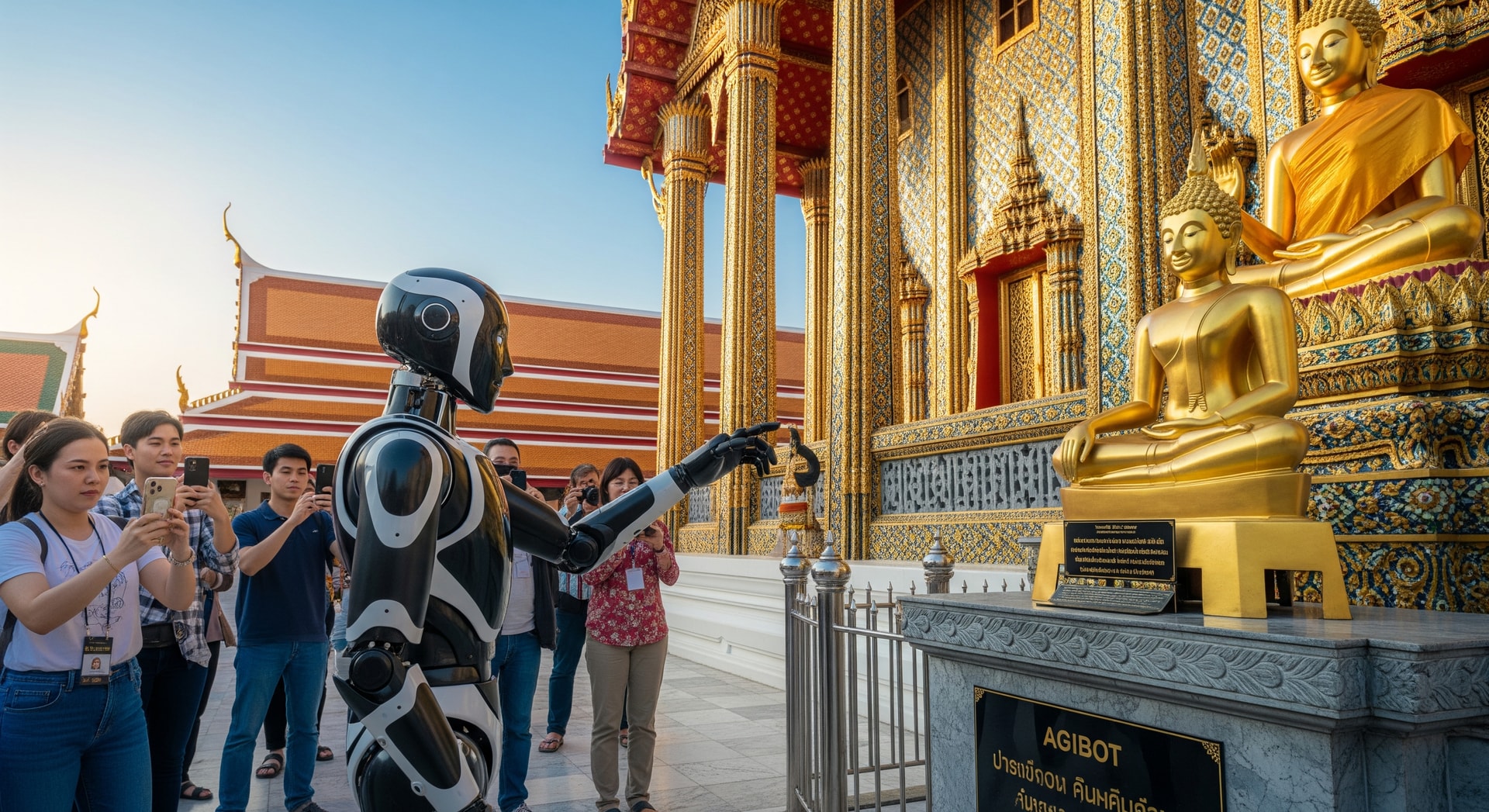
Over the three days, AGIBOT showcased the versatility of its humanoid systems in realistic settings across hospitality, retail and transportation. Demonstrations emphasised how the robots handle real-world scenarios, including operation in crowded public spaces and interaction within cultural sites and transit hubs in Bangkok and beyond.
Aligning with Thailand's Smart Tourism ambitions
Programme organisers framed the AGIBOT deployment as part of Thailand's broader digital transformation goals. Presentations to the Tourism Authority of Thailand (TAT) focused on practical applications such as interactive visitor engagement, automation of routine service tasks, and freeing human staff to focus on higher-value aspects of hospitality.
- Dates: February 11–13, 2026 (three-day engagement programme)
- Audience: Public-sector stakeholders, tourism officials and industry representatives
- Planned market entry: Later in 2026
Cultural debut and multilingual capability
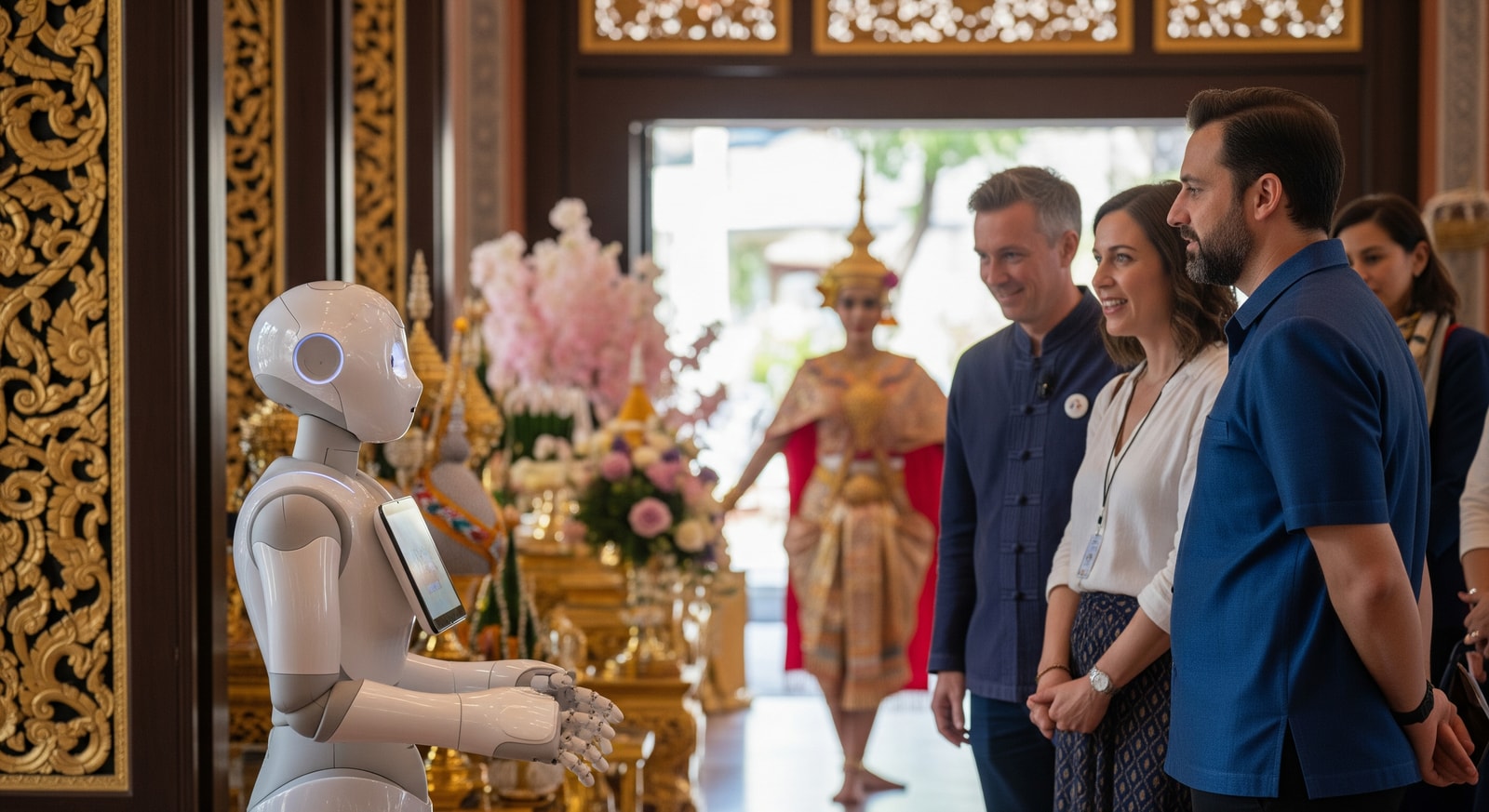
As part of the demonstrations, AGIBOT units participated in Chinese New Year activities on February 11 at an event hosted by the Embassy of the People’s Republic of China in Thailand. Their ability to operate fluently in both Chinese and Thai was presented as a means to bridge language barriers for international visitors and enhance service at events where multilingual interaction is essential.
Technical performance and public visibility
Live demonstrations highlighted the robots' high-precision mobility and stable interaction in busy environments, contrasting with earlier service robots that were often confined to static roles. These demonstrations were shown on local television and through public showcases in Bangkok so that policymakers and the general public could observe the technology's readiness for real-world deployment.
Industrial scale and international track record
AGIBOT's global manufacturing volume underpins the planned rollout in Thailand. Omdia's research found that AGIBOT shipped over 5,100 humanoid units worldwide in 2025, a figure the company says positions it as a market leader by shipment volume and market share. That production capacity is cited as a key factor enabling large-scale deployment across industries.
- Reported shipments: Over 5,100 humanoid units globally in 2025 (Omdia)
- Sectors demonstrated: Hospitality, retail and transportation
- Projected visitor touchpoints: From arrival at Suvarnabhumi Airport to resort check-out
What this means for travellers and the industry
If AGIBOT systems are adopted at scale, travellers can expect more automated touchpoints—multilingual kiosks, real-time navigation at airports and transit hubs, and routine service automation in hotels and attractions. For the tourism industry, embodied AI promises efficiency gains and a reallocation of human labour toward more personalised aspects of hospitality.
So what? The demonstrations mark a transition from concept to operational readiness: Thailand’s Smart Tourism strategy is moving toward integrating embodied AI into everyday visitor services, which could transform how visitors experience transport hubs, cultural events and hotels while supporting national digital innovation goals.
Sources