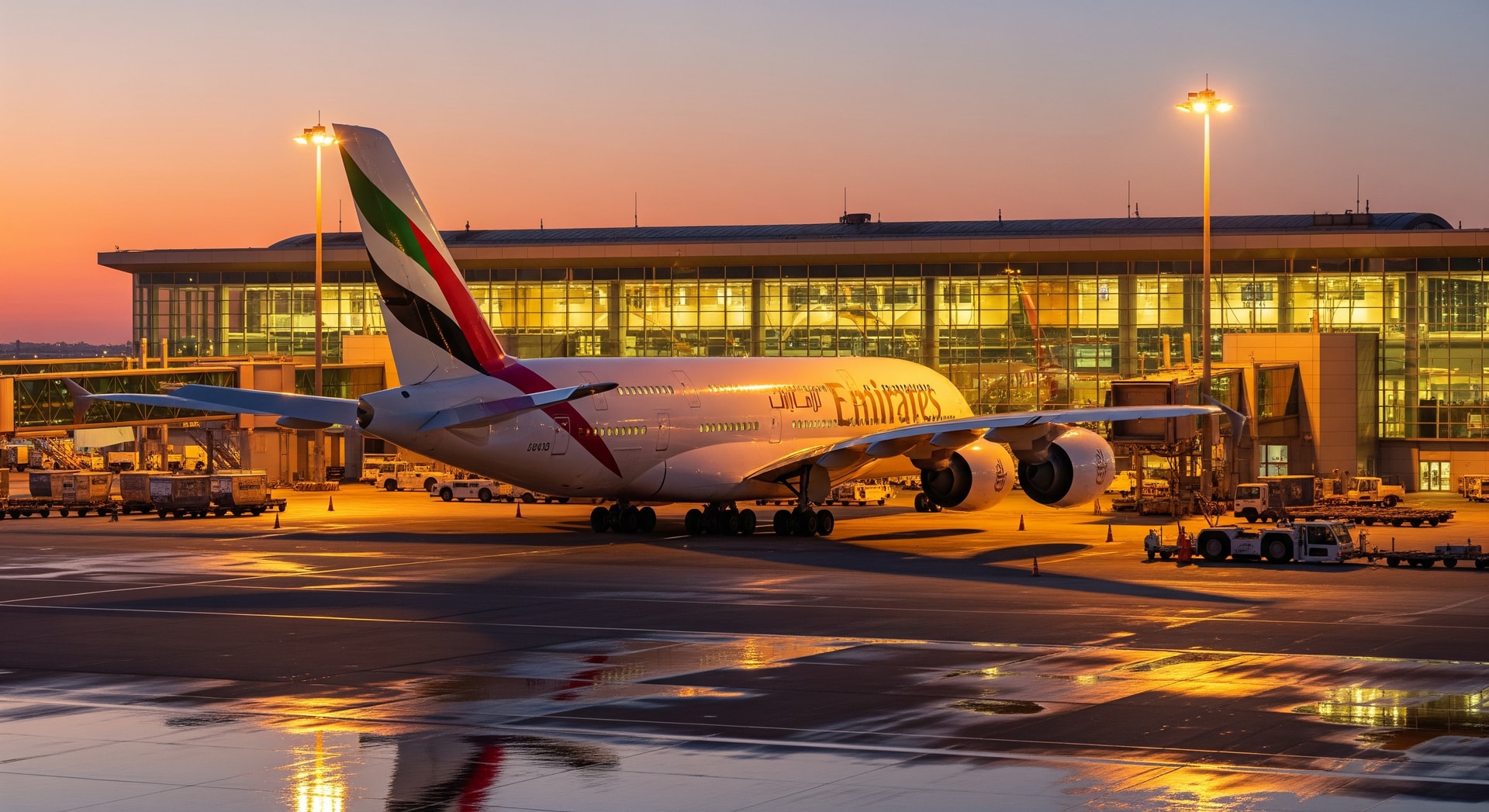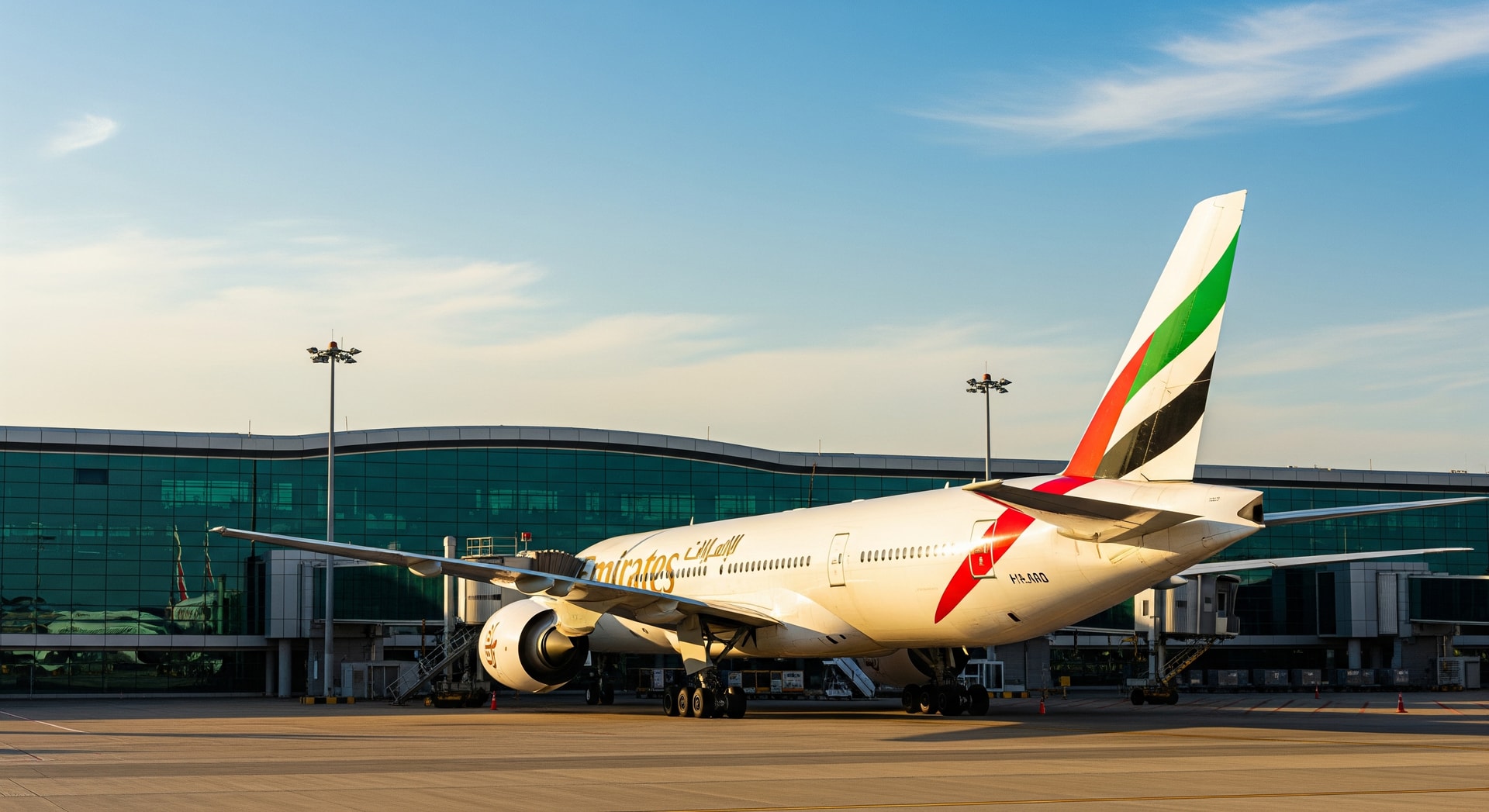
Emirates’ Airbus A350-2000 evaluation could reshape high-capacity long-haul fleet planning as Airbus studies a new flagship to narrow the gap with the Boeing 777X.
Summary: Emirates has signaled it would evaluate the proposed Airbus A350-2000 if Airbus formally launches the program. The concept is expected to seat about 400 to 410 passengers, positioning it against the Boeing 777X, while engine durability and Gulf operating conditions remain key considerations.
Emirates’ Airbus A350-2000 evaluation is emerging as a focal point in a wider aviation debate spanning the United Arab Emirates, France, and the United States, as airlines and manufacturers plan for long-haul capacity needs over the next decade. The interest centers on a proposed widebody concept that would sit above today’s Airbus A350 variants and target routes where airlines want more than 400 seats without sacrificing efficiency or reliability.
The discussion reflects a broader push among global carriers to combine high-density capability with fuel efficiency and dependable operations. Middle East hubs, particularly in the UAE, are closely tied to this trend because their networks rely heavily on ultra-long-range flying and high aircraft utilization.
Emirates’ long-haul capacity needs in the UAE
A potential future order for the A350-2000 is being linked to Emirates Airline’s long-standing requirement for larger aircraft that can move more passengers across long distances while maintaining operational reliability. That requirement aligns with the UAE carrier’s network model, where long-haul connectivity is central to route planning and fleet strategy.
According to the report, Emirates would actively evaluate the aircraft if Airbus proceeds with a formal launch. The airline’s interest fits with prior fleet approaches that prioritize scale alongside efficiency, particularly for high-demand long-haul markets.
Airbus A350 family: satisfaction with A350-900, caution on A350-1000
The article notes that satisfaction has already been expressed with the Airbus A350-900, citing strong dispatch reliability, fuel efficiency, and cabin comfort. At the same time, it says Emirates has been more cautious about the A350-1000, largely due to engine durability concerns under Gulf operating conditions.
High temperatures, long flight stages, and intensive daily utilization are highlighted as factors that increase the demands placed on engines and airframes in the region—making robustness and maintenance performance a central part of any decision on larger variants.
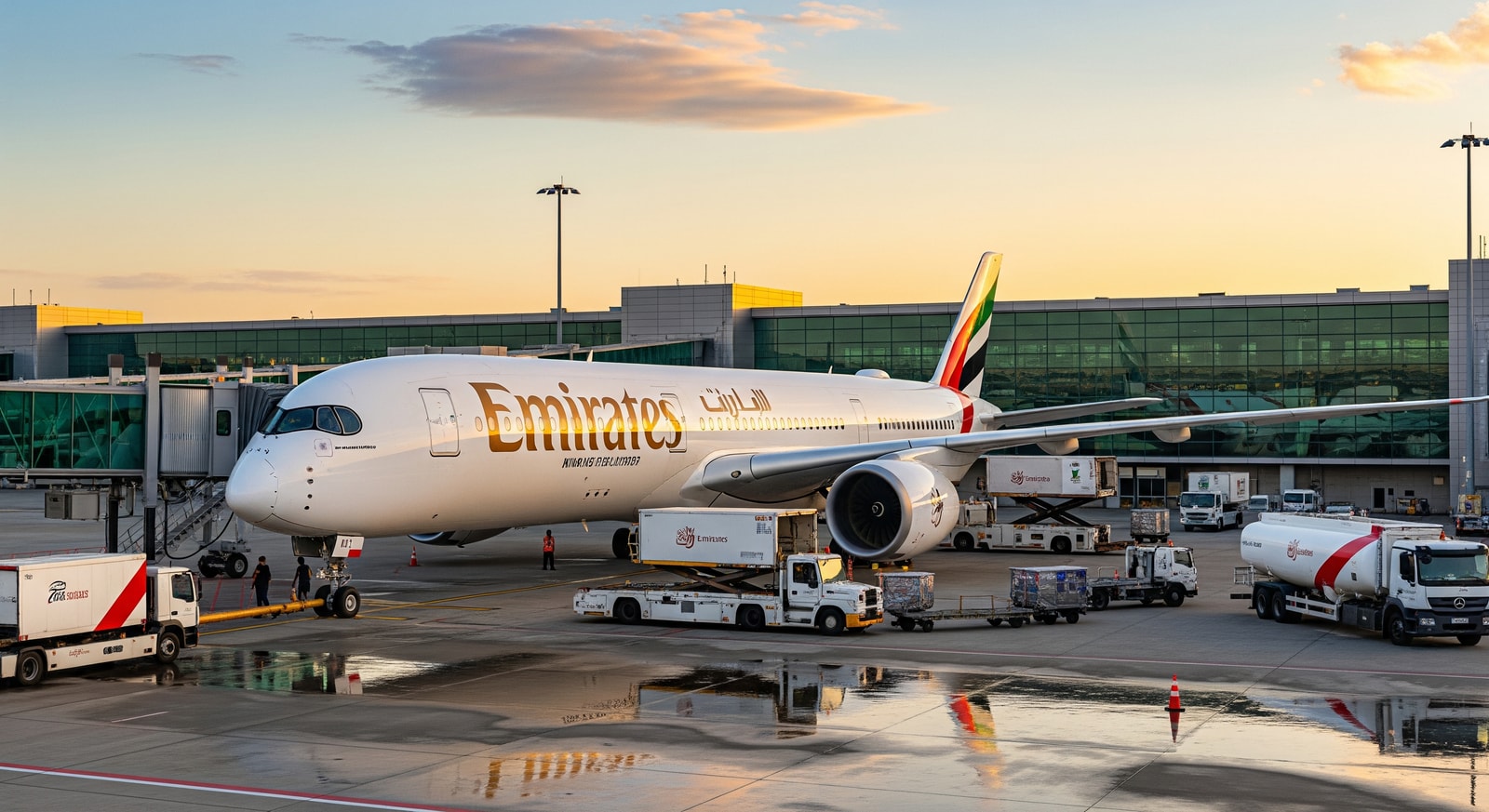
Airbus in France studies a new A350-2000 flagship
In France, Airbus has confirmed it is studying the A350-2000 as a potential largest member of the A350 family. The work is framed as a response to changing competitive dynamics, particularly as the Boeing 777X program advances in the United States.
The proposed aircraft would sit above the A350-1000, which is currently Airbus’s highest-capacity widebody. No formal launch has been announced, and the report emphasizes that Airbus is still assessing technical feasibility and market demand, with airlines in the Middle East and Asia Pacific viewed as key potential customers.
Expected seating capacity and certification changes
The A350-2000 is widely expected to be a stretched derivative of the A350-1000 rather than an all-new aircraft, allowing Airbus to build on existing systems, materials, and certification experience. The current A350-1000 typically seats up to 369 passengers depending on layout; the stretch could add about 40 seats, bringing capacity to roughly 400 to 410 passengers.
To meet evacuation and certification requirements at higher passenger counts, the report says fuselage extensions and the addition of a Type C emergency exit have been anticipated.
- A350-1000 typical maximum capacity: up to 369 passengers (depending on cabin layout)
- A350-2000 concept: approximately 400 to 410 passengers (with a stretch adding about 40 seats)
- Boeing 777X typical configuration: around 420 passengers
Rolls-Royce Trent XWB durability and UAE operating conditions
All A350 variants use Rolls-Royce Trent XWB engines, and the same is expected for the A350-2000. The Trent XWB-97 used on the A350-1000 delivers up to 97,000 pounds of thrust, making it among the most powerful engines in commercial service, according to the report.
However, engine durability remains a deciding factor for airlines operating in demanding environments such as the UAE. The article says improvements in time between overhauls are viewed as essential before airlines commit to larger A350 variants. Rolls-Royce has initiated a durability enhancement program, and updates cited in the report indicate the upgrades are delivering up to 60 percent more time between shop visits, with further improvements expected from 2028.
Competition with Boeing 777X and fleet commonality
The strategic value of the A350-2000 study is closely tied to the Boeing 777X, positioned as a next-generation high-capacity widebody for airlines needing range, capacity, and efficiency on long-haul routes. Airbus is portrayed as trying to close the capacity gap without forcing carriers into an entirely new aircraft family.
By extending the A350 platform, Airbus could offer cockpit and training commonality and allow airlines to keep established maintenance infrastructure—an approach that may appeal to operators already invested in the A350 ecosystem, particularly in the Middle East and Asia Pacific where dense long-haul flows are common.
Why this matters for travelers and the aviation industry
For travelers, the A350-2000 discussions signal how airlines may add seats on long-haul routes in the coming years—potentially influencing availability and the economics of high-demand intercontinental flights routed through major hubs such as those in the UAE. For the industry, the outcome hinges on whether Airbus proceeds beyond the study phase, how quickly engine durability improvements translate into real-world operating confidence, and how the Boeing 777X shapes airline fleet choices in the same capacity bracket.
Sources