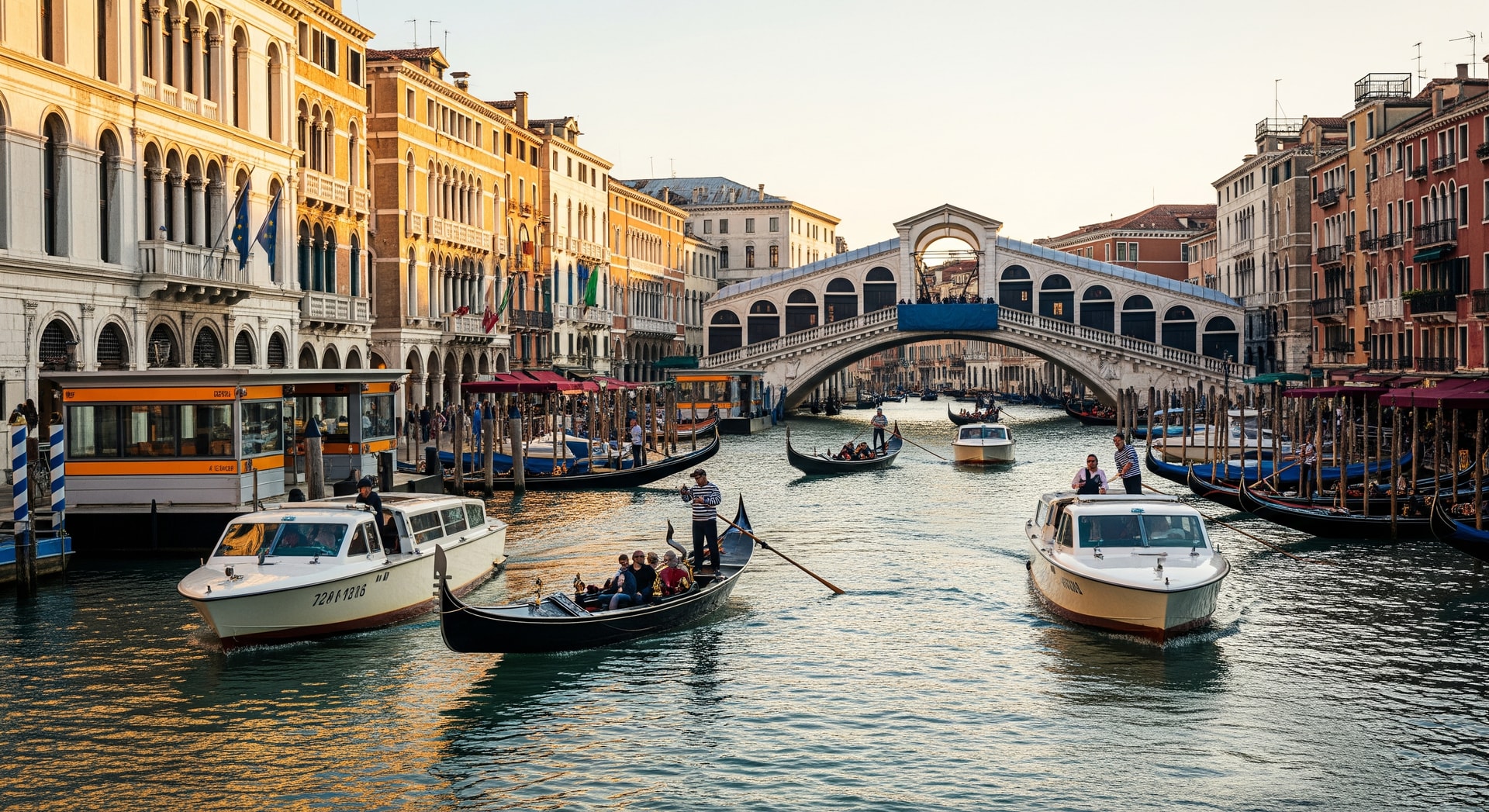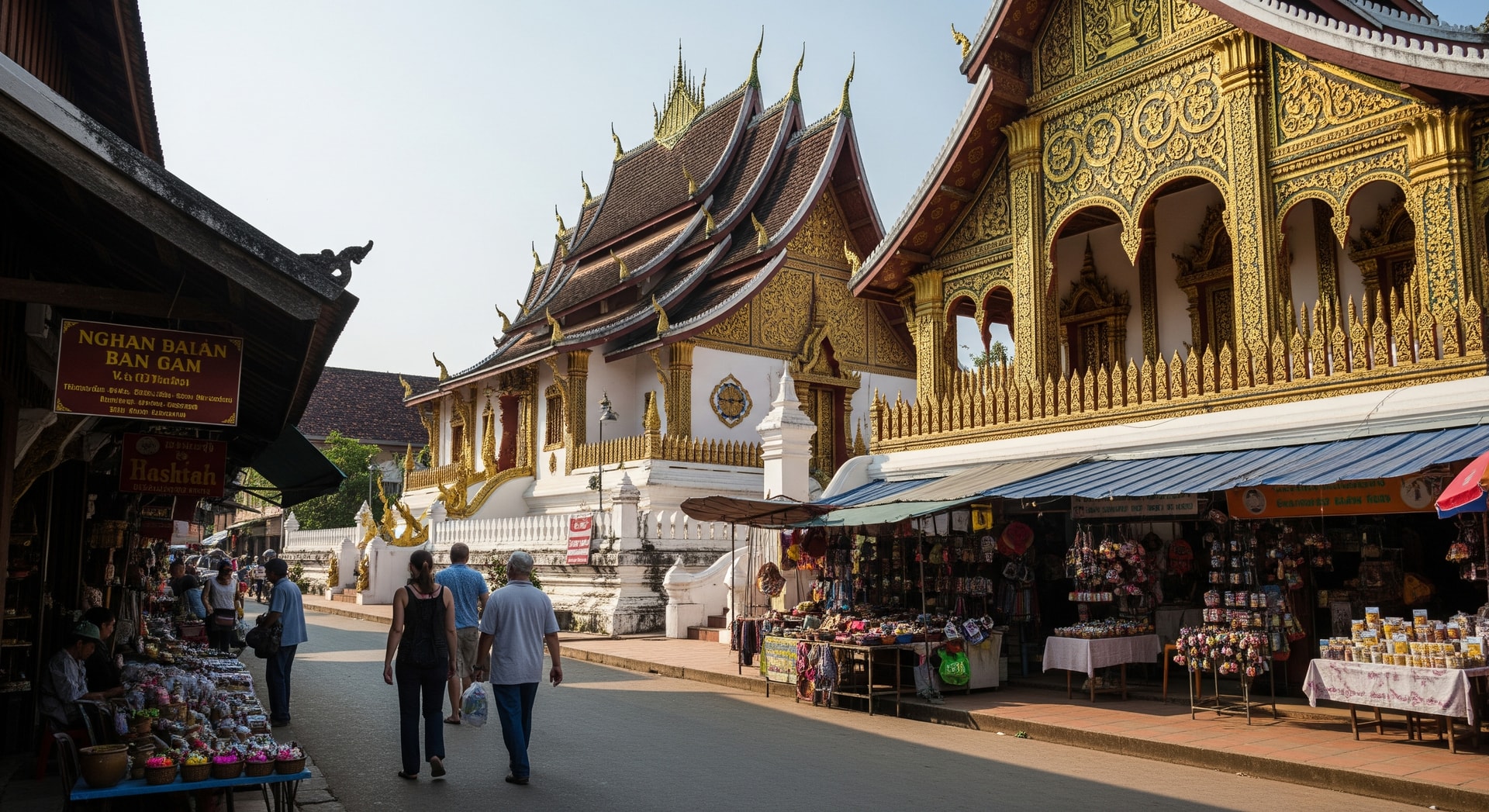
Italy hidden gems such as Matera and Orvieto are being promoted by official tourism sources on Italia.it as more visitors look beyond the country’s most crowded cities.
Summary: Italy’s tourism promotion is increasingly highlighting lesser-known destinations, with official sources on Italia.it pointing travelers to Matera and Orvieto for culture, history, and a quieter alternative to major hotspots like Rome, Venice, and Florence.
Italy hidden gems are drawing more attention as visitor preferences shift toward smaller cities and regions. Official tourism sources on Italia.it are emphasizing destinations including Matera and Orvieto, presenting them as culturally rich places where travelers can experience local life and heritage away from the busiest tourist corridors.
The change comes as Italy’s tourism sector continues its recovery from the pandemic period. Authorities are encouraging travel beyond the country’s best-known cities—such as Rome, Venice, and Florence—both to reduce pressure on overcrowded centers and to spread tourism-related benefits to communities that typically see fewer international visitors.
Italia.it highlights regional travel beyond Italy’s major cities
Italy’s tourism authorities are placing greater emphasis on regions and towns that combine history, cultural identity, and natural scenery. The goal is to encourage travelers to explore less-visited areas and, in doing so, support local economies while helping safeguard Italy’s broad cultural heritage.
Within this approach, Matera and Orvieto are being positioned as examples of destinations that can deliver meaningful experiences without the intensity of the most crowded itineraries. The renewed focus on regional tourism is also bringing wider visibility to other “hidden gem” locations across the country.
Matera tourism: UNESCO-listed Sassi and a transformed city
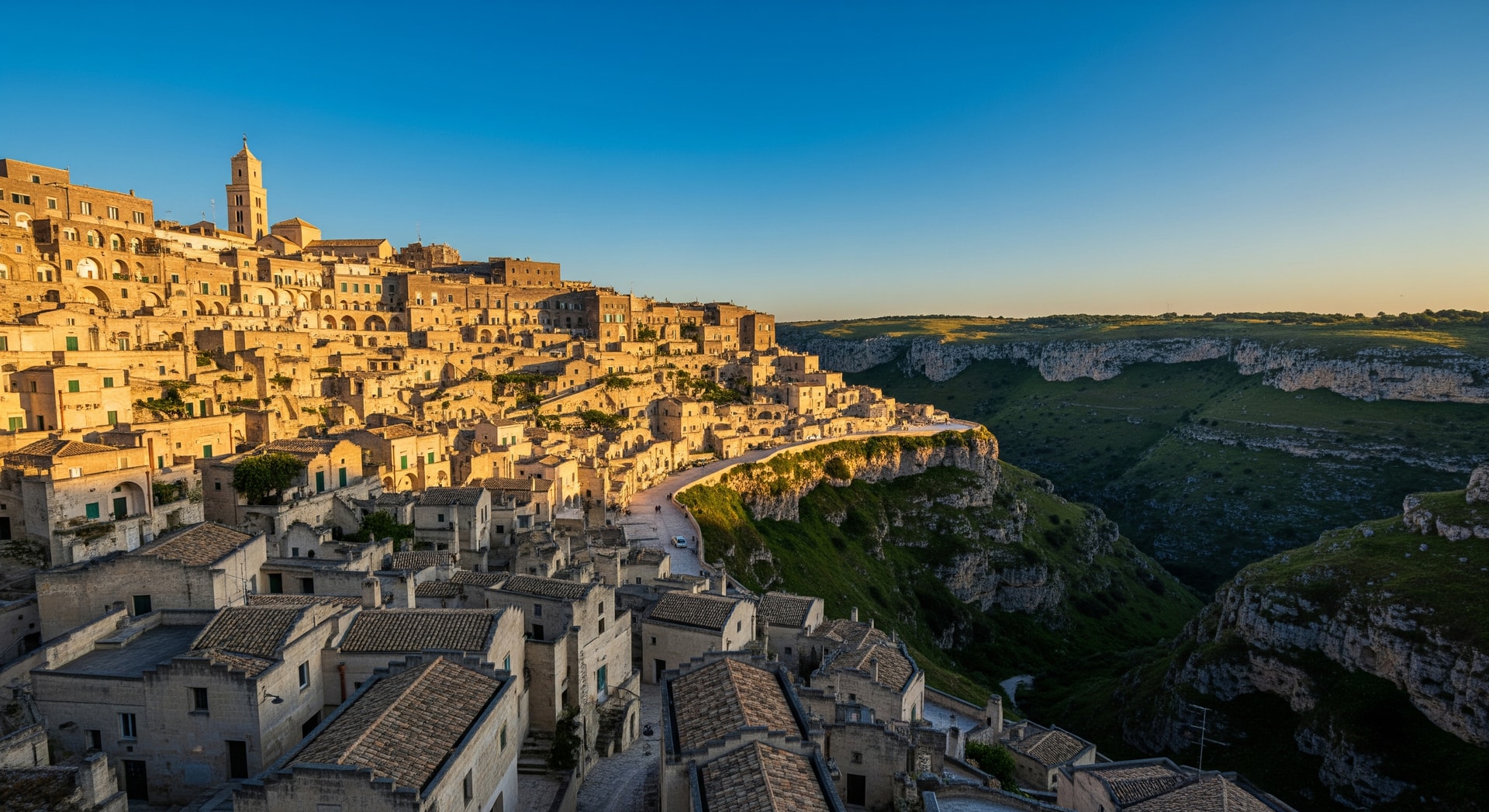
Matera, in southern Italy’s Basilicata region, is being highlighted as one of the country’s standout lesser-known destinations. The city is known for the Sassi di Matera—ancient cave dwellings carved into limestone—and it received UNESCO World Heritage status in 1993.
Once associated with poverty, Matera has been reshaped into a lively cultural center. Its distinctive built environment—homes and structures cut directly into the rock—offers visitors a strong sense of historical continuity and a different perspective on Italy’s architectural heritage.
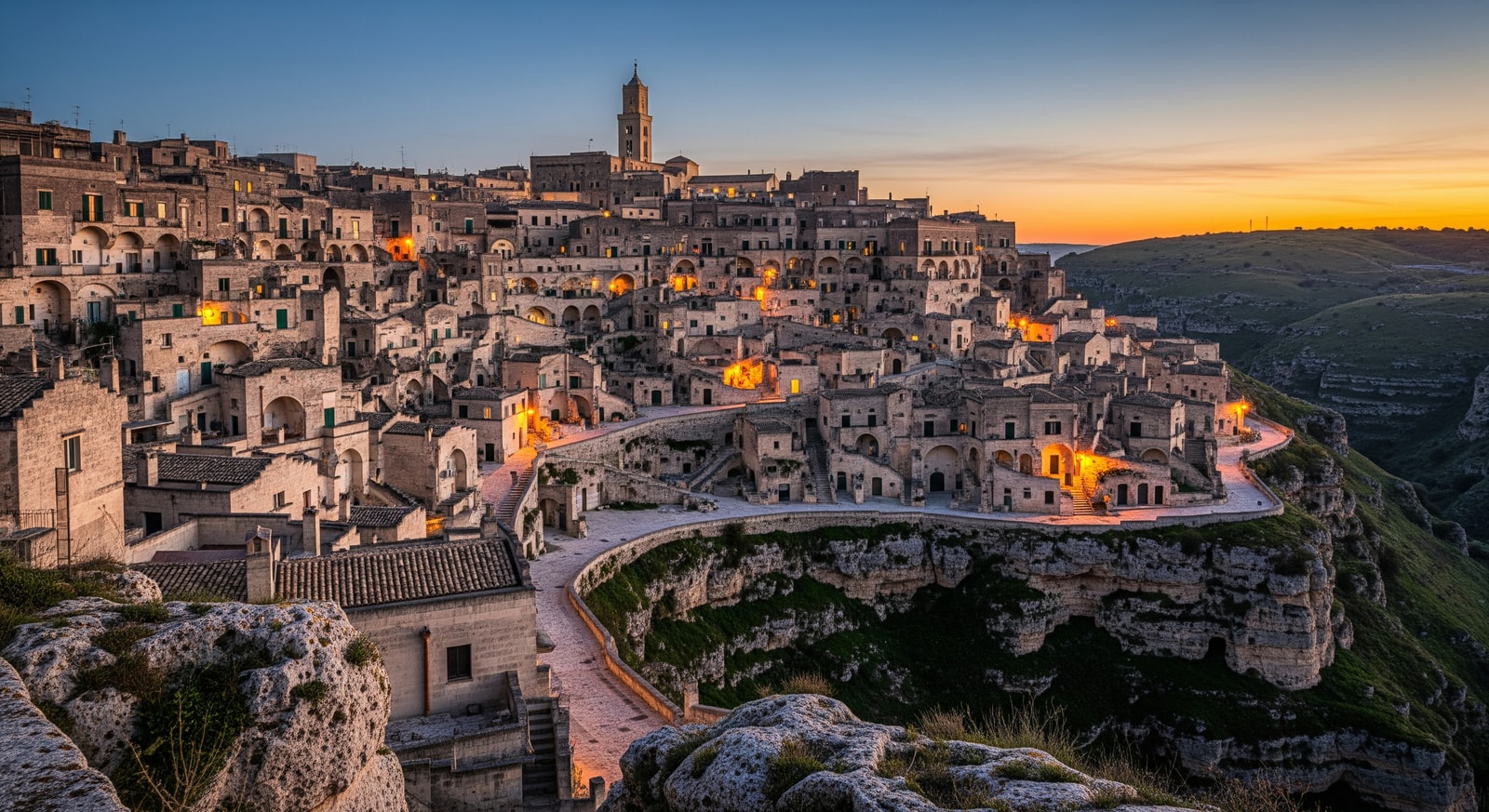
Tourism in Matera has increased in recent years, supported by local and national campaigns that aim to raise awareness of destinations outside the main tourist circuit. Government tourism platforms also present Matera as an example of sustainable tourism, where visitors can connect closely with the landscape and the community.
Orvieto travel: cathedral, medieval streets, and Umbria’s slower pace
Orvieto, located in the Umbria region, is another destination being promoted as an alternative to Italy’s busiest urban centers. Set on a striking hilltop, the city is known for its cathedral, medieval architecture, and wide views across the surrounding countryside.
The city’s appeal also includes walkable streets, opportunities for wine tasting, and a travel rhythm that suits visitors looking for a more relaxed and locally grounded experience. Italia.it notes that Orvieto is appearing more often in itineraries built around cultural discovery and slower travel.
Travelers in Orvieto can take walking tours, explore ancient Etruscan sites, and sample local cuisine. Its proximity to Rome—described as a short drive—also makes it a practical option for those who want a break from the capital’s crowds without traveling far.
Government support for regional tourism and sustainability
The Italian government is promoting regional destinations as part of a broader effort to strengthen tourism nationwide. Local tourism boards and national campaigns are increasingly emphasizing the value of experiencing Italy’s full range of cultural and natural attractions, not only the most famous landmarks.
As more travelers choose quieter and less commercialized places, smaller towns can see a direct economic boost. At the same time, the strategy is intended to ease overcrowding in well-known hotspots and support a more sustainable approach to tourism growth.
- Shift in visitor interest toward lesser-known Italian cities and regions
- Promotion of Matera and Orvieto by official tourism sources on Italia.it
- Policy focus on distributing tourism benefits to less-visited locations
- Efforts to reduce overcrowding in major destinations such as Rome, Venice, and Florence
- Growing emphasis on sustainable, immersive travel experiences
What this means for travelers planning Italy trips in 2026
The focus on Italy’s lesser-known destinations signals a broader change in how the country is being marketed and experienced. For travelers, this can translate into more itinerary options that prioritize cultural depth and local connection—often with fewer crowds than the traditional “big three” city routes.
For the travel industry, the growing visibility of places like Matera and Orvieto supports a more balanced tourism model, with regional destinations expected to play an important role in Italy’s continued tourism growth in 2026 and beyond. For visitors, the practical takeaway is clear: planning beyond the most famous stops may offer a calmer experience while still delivering iconic history, architecture, and food—just in Italy’s quieter corners.
Sources