Air India airworthiness lapse led to a ₹1 crore DGCA penalty after an A320‑neo flew with an expired Airworthiness Review Certificate, the regulator says.
Summary: Air India reported operating an Airbus A320‑neo with an expired Airworthiness Review Certificate (ARC); the Directorate General of Civil Aviation (DGCA) has fined the carrier ₹1 crore and required corrective action.
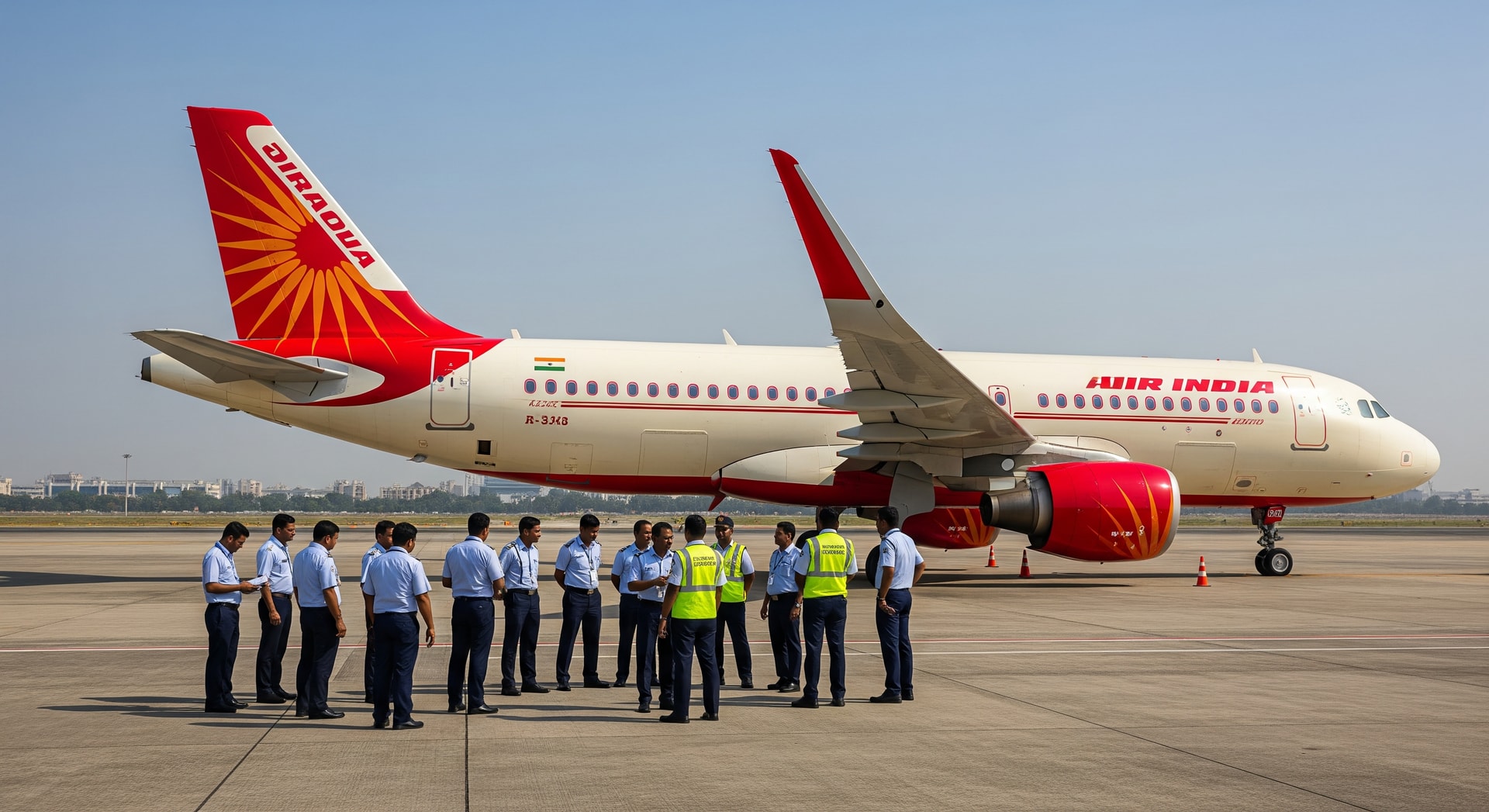
India’s civil aviation regulator has penalised Air India ₹1 crore after the airline voluntarily reported that an Airbus A320‑neo had operated on scheduled revenue flights without a valid Airworthiness Review Certificate (ARC). The issue was disclosed internally on 26 November 2025 and the DGCA’s enforcement order was issued in early February 2026.
What the DGCA found
A DGCA probe determined that the A320‑neo in question flew on at least eight scheduled sectors after its ARC had expired. Although the operator had delegated authority to self‑issue certain certificates, the renewal process was not completed in time and the aircraft continued in commercial service until the lapse was detected and reported.
How the airworthiness process works
An Airworthiness Review Certificate is an annual validation confirming that an aircraft meets maintenance, documentation and physical condition standards required for commercial operations. Under Indian aviation rules, every aircraft used for passenger service must hold a current ARC at all times; operating without one removes regulatory assurance of conformity with safety norms.
- Penalty imposed: ₹1 crore
- Airline self-reported lapse: 26 November 2025
- DGCA order issued: early February 2026
- Flights affected: at least eight scheduled sectors
- Aircraft type: Airbus A320‑neo
"eroded public confidence"
"The lapses identified in this instance reflect procedural failures that could undermine public confidence in aviation safety systems,"
Regulatory response and airline actions
Following the airline’s voluntary disclosure, the aircraft was grounded and Air India initiated corrective measures. The DGCA examined the circumstances, reviewed the airline’s response and considered the steps taken before deciding the penalty. Air India has acknowledged the order and told regulators that "all identified compliance gaps were addressed and shared with the DGCA."
What this means for travellers
The DGCA’s action sends a signal that Indian regulators are actively enforcing certification rules, which can reassure passengers that oversight mechanisms work and lapses are addressed. At the same time, news that a passenger service flew without a current ARC may unsettle some travellers, prompting closer attention to airlines’ safety and compliance records.
Broader impact on the aviation sector
The penalty highlights the need for rigorous internal compliance controls within airlines. Carriers operating under DGCA oversight are likely to strengthen audit and documentation processes to avoid similar enforcement. For Air India, which has been rebuilding its global standing after earlier safety incidents including the investigation into its operations after a major accident in 2025, the episode underscores the importance of strict adherence to certification timelines.
- Regulators may increase inspections of certification processes
- Airlines could tighten internal audit and renewal workflows
- Passengers may factor compliance history into booking choices
So what? This enforcement matter matters because it shows regulators will act when certification processes fail, reinforcing safety oversight that protects passengers. For travellers, the case is a reminder that active regulatory scrutiny helps keep standards high; for airlines, it is a prompt to ensure documentation and renewals are managed proactively to avoid fines and reputational damage.
Sources