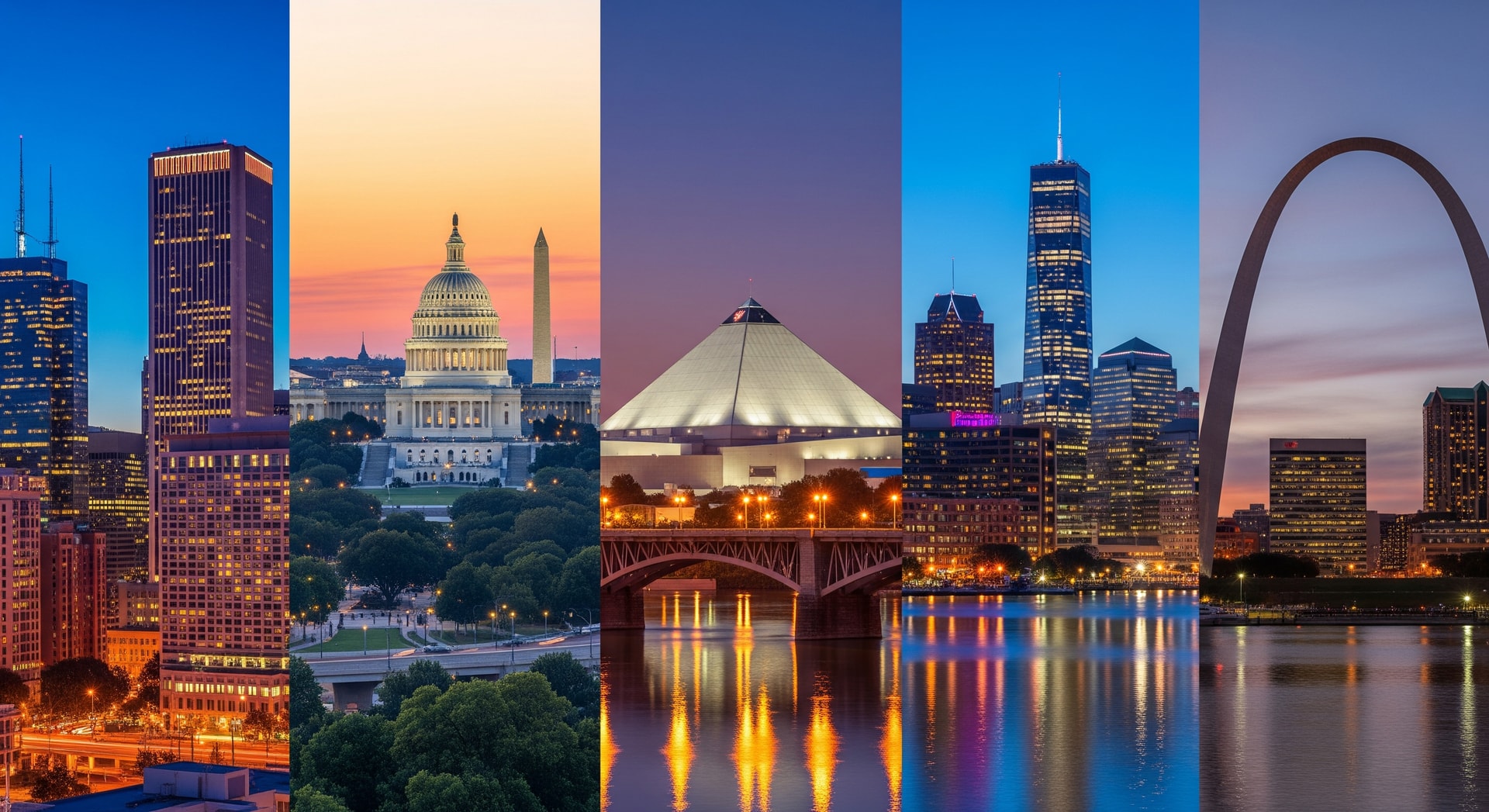
Dangerous US cities 2026: Several major cities, including Washington D.C., Memphis, Chicago, Baltimore and St. Louis, have been flagged by official advisories for high violent crime rates.
Summary: Official travel advisories and police data identify Washington D.C., Memphis, Chicago, Baltimore and St. Louis among US cities with elevated violent crime in 2026. Federal reports, MCCA statistics and international travel warnings recommend heightened vigilance and specific safety steps for visitors.
Government-verified warnings and official travel advisories have highlighted a set of US cities as particularly hazardous for travellers in 2026. Despite an overall national decline in some crime categories, concentrated pockets of violence — including homicides, robberies and armed assaults — have prompted formal alerts from federal and local authorities.
National trends and official data
On a national level, the FBI’s Uniform Crime Reporting (UCR) summary for 2024 shows violent crime decreased 4.5 percent and property crime decreased 8.1 percent compared with 2023. However, federal and local officials warn that specific cities and border areas continue to experience severe violence and organised criminal activity, which has led to targeted advisories from countries such as Canada and the United Kingdom.
Washington D.C.: A declared crime emergency
In August 2025 the White House issued an executive order declaring a crime emergency in the District of Columbia, citing rising violence that affects residents, federal operations and visitors. Official figures referenced in the order show Washington D.C. recorded a homicide rate of 27.54 per 100,000 residents in 2024 and recorded among the highest robbery and vehicle‑theft rates in the nation; vehicle thefts reached 842.4 per 100,000 residents — more than three times the national average.
deserve peace and security
Memphis: highest per‑capita violent crime
A September 2025 presidential memorandum titled “Restoring Law and Order in Memphis” cites FBI data indicating Memphis had the highest violent‑crime rate per capita in 2024. The memorandum highlights exceptionally high per‑capita rates of murder, robbery and aggravated assault as well as significant property crime, prompting federal support including a Memphis Safe Task Force and National Guard deployments to assist local efforts.
St. Louis, Chicago and Baltimore: city-level police figures
- St Louis (Jan–Jun 2025): 67 homicides, 285 robberies, 1,293 aggravated assaults (MCCA mid‑year survey counts).
- Chicago (Jan–Jun 2025): 189 homicides, 2,987 robberies, 7,222 aggravated assaults (police data reported to MCCA).
- Baltimore (Jan–Jun 2025): 68 homicides, 1,199 robberies, 2,375 aggravated assaults, though local officials note some reductions in homicides and non‑fatal shootings for that period.
Border states and drug‑related violence
Canada’s travel advisory warns that criminal incidents tied to drug trafficking are more frequent near the U.S.–Mexico border, specifically naming California, Arizona, New Mexico and Texas. The UK government similarly cautions that drug‑linked violence is a major problem in Mexican states bordering those US regions. Advisories recommend using official border crossings, avoiding night travel and choosing main highways or organised tours when visiting border areas.
Gun violence, mass‑shooting risk and petty crime
Both Canadian and UK advisories note the high rate of firearm possession in the United States and warn that mass‑shooting events, while uncommon, can occur unpredictably. Official guidance advises travellers to follow active‑shooter preparedness resources and be aware that robbery ploys — such as staged vehicle trouble or objects thrown at windscreens — have targeted motorists. Petty crimes like pickpocketing and vehicle break‑ins are also common in tourist hubs; visitors are urged to secure valuables and avoid isolated areas.
Demonstrations and civil unrest
Official advice cautions that peaceful protests can escalate into violence. Canada recommends avoiding demonstration sites, while the UK advises travellers to leave areas showing signs of trouble and to follow local authorities’ instructions. This guidance is particularly relevant for politically charged locations such as Washington D.C., Portland and Atlanta.
Practical steps recommended across official sources include staying in well‑patrolled areas, avoiding high‑risk neighbourhoods, not travelling alone at night, using hotel safes, monitoring local news and social media for alerts, and following police instructions in emergency situations.
Tip: Before travel, consult country advisories from Canada, the UK and the US, check local police updates for your destination city, and plan routes that stick to well‑lit, populated areas.
Why this matters: For travellers and the travel industry, these official warnings mean route planning and on-the-ground safety measures should be prioritised. Being informed about city-level crime patterns and following official guidance can significantly reduce exposure to the risks identified by government sources.
Sources