Chinchero International Airport will open in 2027 and is set to transform access to Machu Picchu and Cusco, while raising questions about sustainable visitor management.
Summary: Chinchero International Airport, due to open in late 2027, will greatly reduce travel time to Cusco and the Sacred Valley and is projected to boost tourism by as much as 200%. Officials and tourism operators warn the surge could strain Machu Picchu unless strict visitor management and infrastructure measures are reinforced.
Chinchero International Airport, scheduled to begin operations in late 2027, is expected to streamline journeys to Cusco and Machu Picchu by reducing the need to route through Lima. The new airport promises a major improvement to regional connectivity and could attract far more international visitors to Peru’s Andean heartland.
Chinchero International Airport: A major shift for Peruvian tourism
The facility is intended to relieve pressure on current travel routes that funnel most international arrivals through Lima followed by lengthy domestic connections to Cusco. Planners estimate the airport could drive a 200% increase in tourism to the region, bringing both economic opportunity and logistical challenges.
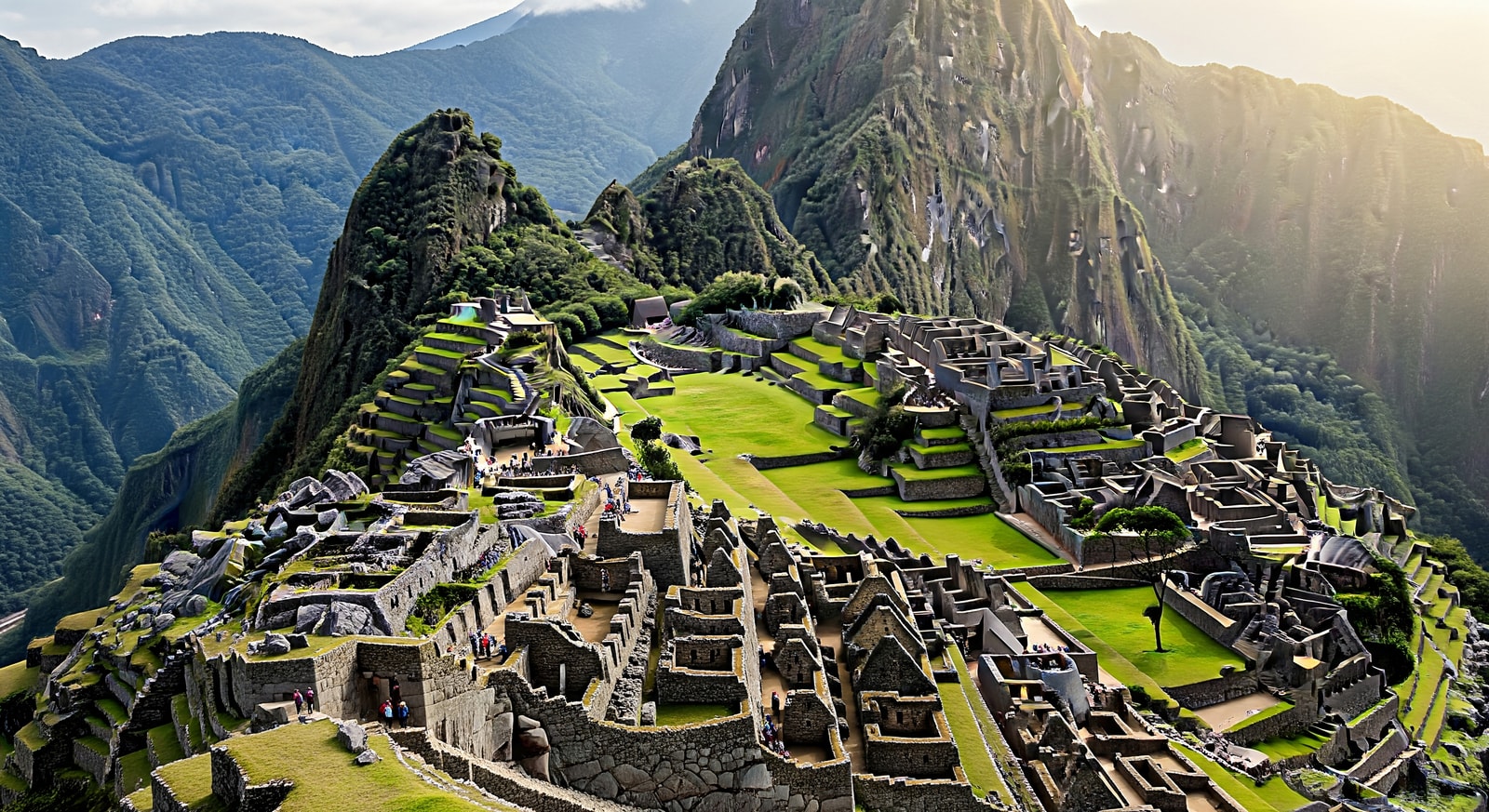
Current visitor regulations at Machu Picchu
To protect the UNESCO World Heritage site, Peruvian authorities have applied stricter controls since 2022. Measures aim to limit wear on the ruins and preserve the site's cultural and spiritual value for future generations.
- Time-slot system for entry to manage flows
- Mandatory tours led by certified guides
- Daily visitor cap of 5,600 during peak periods
- Maximum of 2,400 people permitted inside the ruins at any one time
Risks of a rapid tourism increase
Local operators and conservation advocates warn that a sudden influx of visitors could overwhelm the systems currently used to protect Machu Picchu. Hedder Guispe Puente de la Vega, a Cusco-based tourism operator and founder of Machu Travel Peru, has voiced concern about the possibility of mismanaging higher tourist volumes unless authorities strengthen regulation and infrastructure.
Opportunities and the need for careful management
Improved access could boost the local economy, create jobs, and encourage infrastructure upgrades across the Sacred Valley. Yet the benefits will depend heavily on how well visitor numbers are regulated and how much investment is made in sustainable tourism measures.
Diversifying visits beyond Machu Picchu
Travelers can help reduce pressure on Machu Picchu by exploring the wider region, which offers numerous archaeological and cultural sites that complement the Inca citadel.
- Cusco — historic capital with Inca ruins and colonial architecture
- Sacred Valley — scenic towns and agricultural terraces
- Sacsayhuamán — ceremonial fortress near Cusco
- Ollantaytambo — living Inca town and transport hub
- Pisac and Urubamba — traditional markets and valley landscapes
How travellers should prepare for the change
With anticipated increases in visitor numbers after the airport opens, planning ahead will be essential for a smooth visit to Machu Picchu and the Sacred Valley.
- Book tickets and time slots for Machu Picchu well in advance.
- Choose tour operators that prioritise sustainable and small-group experiences.
- Respect local customs and protected site rules laid out by guides and authorities.
- Be prepared for larger crowds during peak travel times and plan quieter alternatives.
Why this matters: The opening of Chinchero International Airport is more than a convenience — it will reshape travel patterns across southern Peru. For the tourism industry, it promises growth and investment; for heritage managers and local communities, it intensifies the need for sustainable planning to protect cultural and natural assets. So what? Travelers should expect faster access but also greater responsibility: booking early, choosing responsible operators, and supporting conservation-minded policies will help ensure Machu Picchu remains intact for future visitors.
Sources