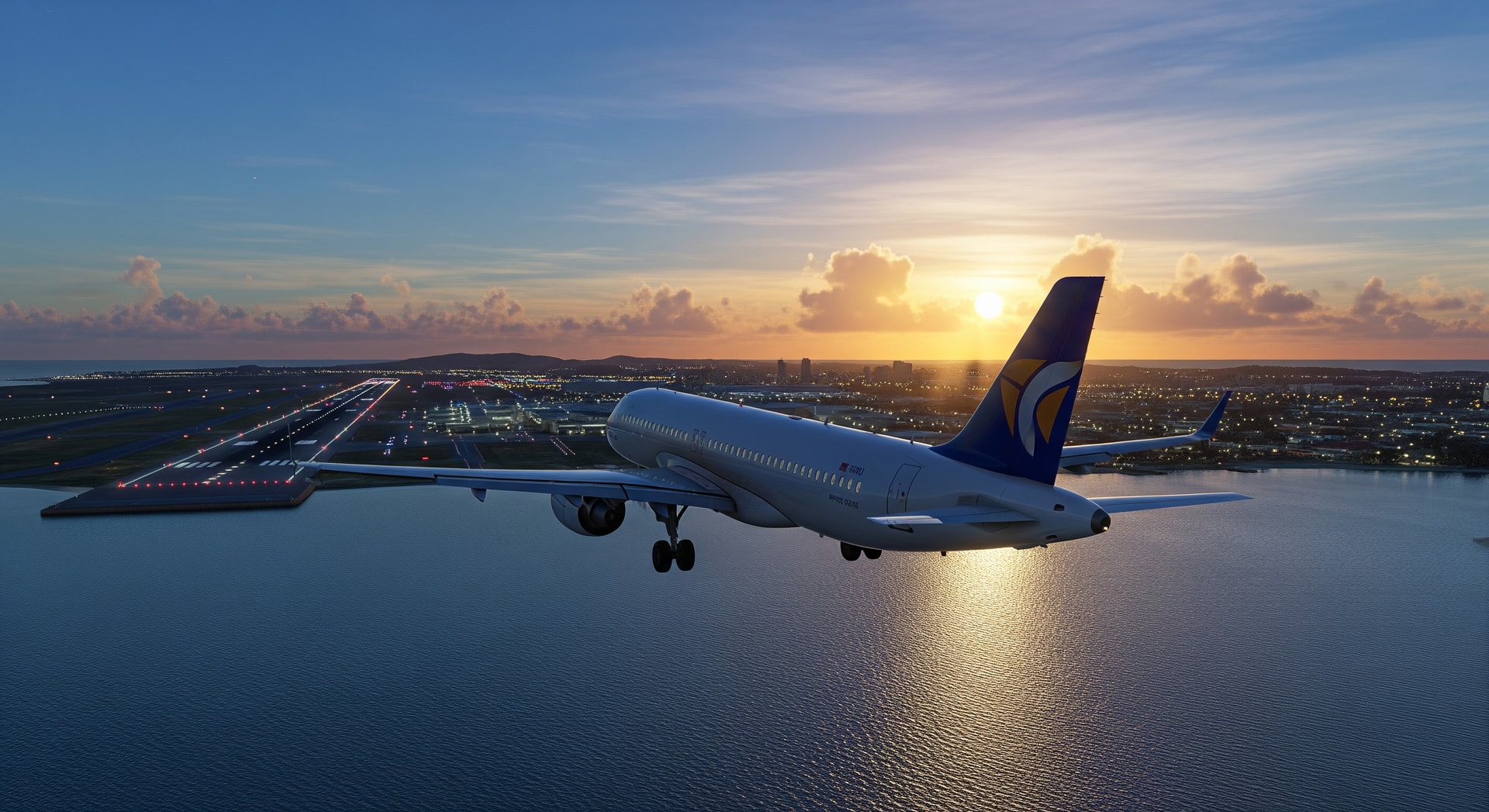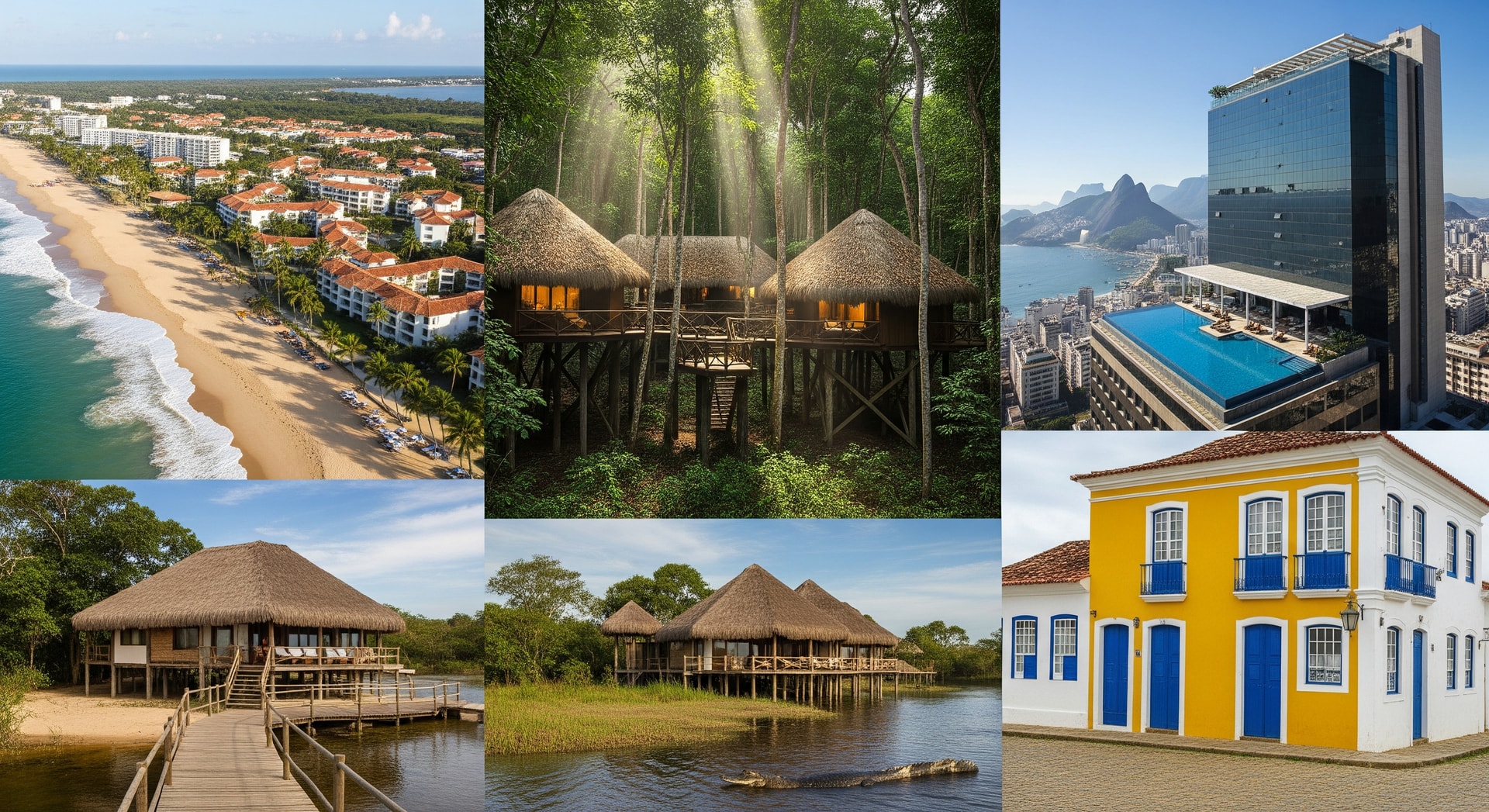
South America travel hotspots are surging in 2025, with Cartagena joining São Paulo, Rio de Janeiro, Buenos Aires, Bogotá, Lima and Santiago in strong visitor growth.
Summary: South America travel hotspots are seeing notable growth in 2025. Cartagena joins six major urban centres — São Paulo, Rio de Janeiro, Buenos Aires, Bogotá, Lima and Santiago — which together recorded strong international arrivals driven by business travel, festivals, gastronomy and eco-tourism.
South America travel hotspots are drawing global attention in 2025 as a group of seven cities records significant international arrivals. Cartagena has emerged as a prominent Caribbean gateway alongside established centres such as São Paulo and Rio de Janeiro, while Buenos Aires, Bogotá, Lima and Santiago each contribute distinct cultural, culinary and nature-based attractions that are lifting the region’s tourism profile.
Regional overview: diverse drivers of growth
Each city’s increase in visitors reflects different strengths: São Paulo’s business and MICE activity, Rio’s revived leisure appeal and major events, Buenos Aires’ cultural offer, Bogotá’s rising food scene, Lima’s culinary reputation, Santiago’s role as an eco-tourism gateway, and Cartagena’s mix of colonial heritage, beaches and expanding cruise calls.
São Paulo: business tourism keeps arrivals high
São Paulo remains South America’s primary business hub and is on track to attract approximately 2.5 million international visitors for January–November 2025. Investment in transport and airport capacity, alongside the “São Paulo, The Business City” campaign, continues to underpin both corporate travel and a growing leisure segment tied to culture and gastronomy.
Rio de Janeiro: recovery fuels a tourism rebound
Rio de Janeiro — the “Marvelous City” — is projected to welcome about 1.97 million international visitors in January–November 2025. The city’s resurgence follows targeted improvements in infrastructure, safety and access, reinforced by the “Rio de Janeiro: Gateway to Brazil” campaign. Rio reported a 47.5% year-over-year increase in international arrivals in 2025.
Buenos Aires: culture and nightlife remain strong pulls
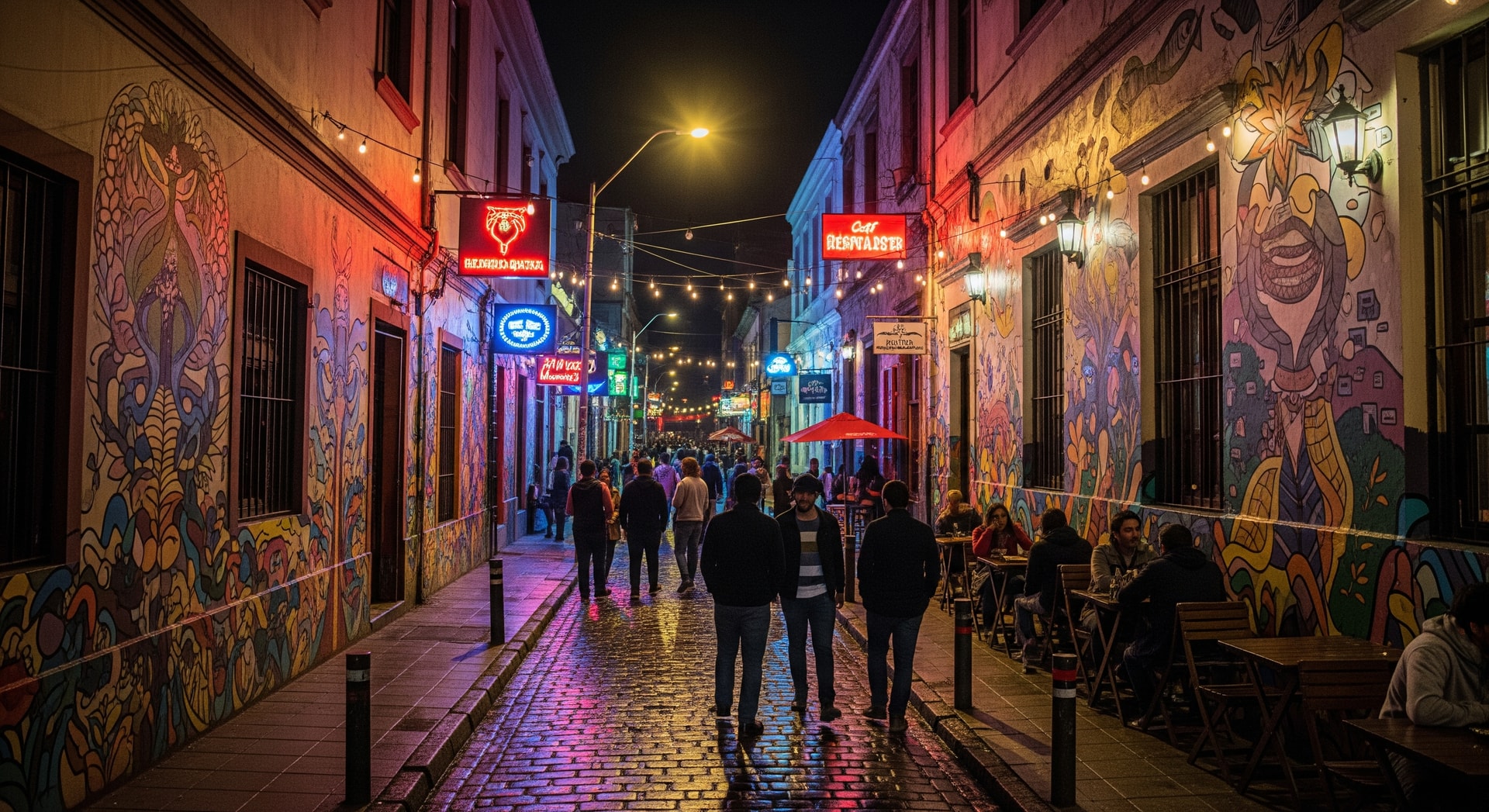
Buenos Aires continues to be a cultural magnet, with projected arrivals near 1.8 million in 2025. The city’s tango heritage, European-style architecture and lively arts and dining scenes draw visitors seeking immersive cultural experiences, supported by festivals and a thriving nightlife.
Bogotá and Lima: culinary scenes spark new interest
Bogotá is experiencing a tourism upswing, with projected international arrivals around 1.6 million in 2025, helped by the national “Colombia, the Country of Beauty” initiative and a dynamic restaurant scene. Lima, long acknowledged as a global gastronomic capital, is expected to receive about 1.4 million visitors in 2025, serving both as a culinary destination and a gateway to Peru’s archaeological sites.
Santiago: eco-tourism and adventure gateway
Santiago is consolidating its role as the entry point for Chile’s natural attractions, with around 1.1 million international visitors projected in 2025. The city’s proximity to Patagonia, the Atacama Desert and the Andes, coupled with a push for sustainable tourism, has strengthened its appeal for adventure and eco-conscious travellers.
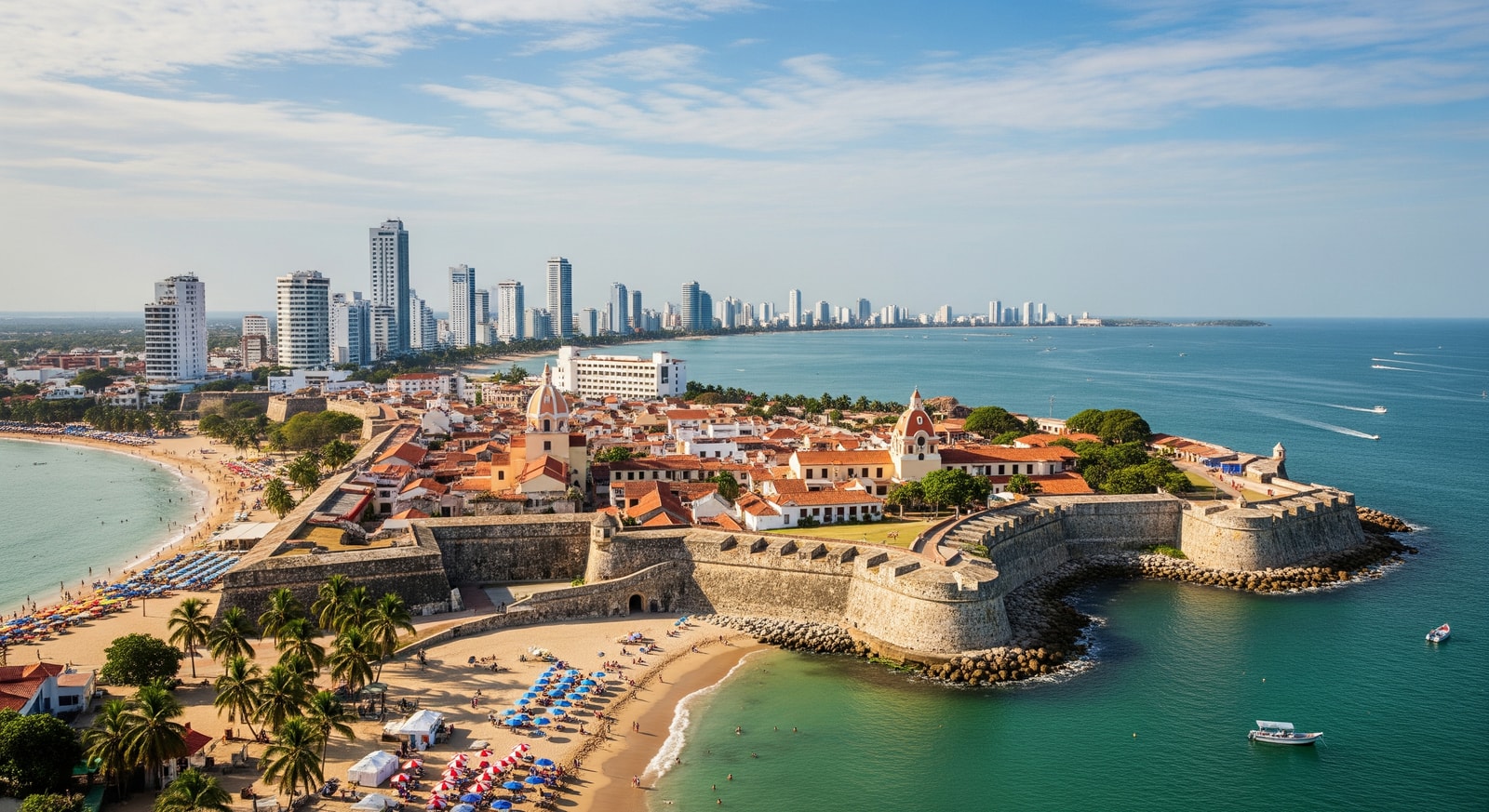
Cartagena: Caribbean charm and cruise growth
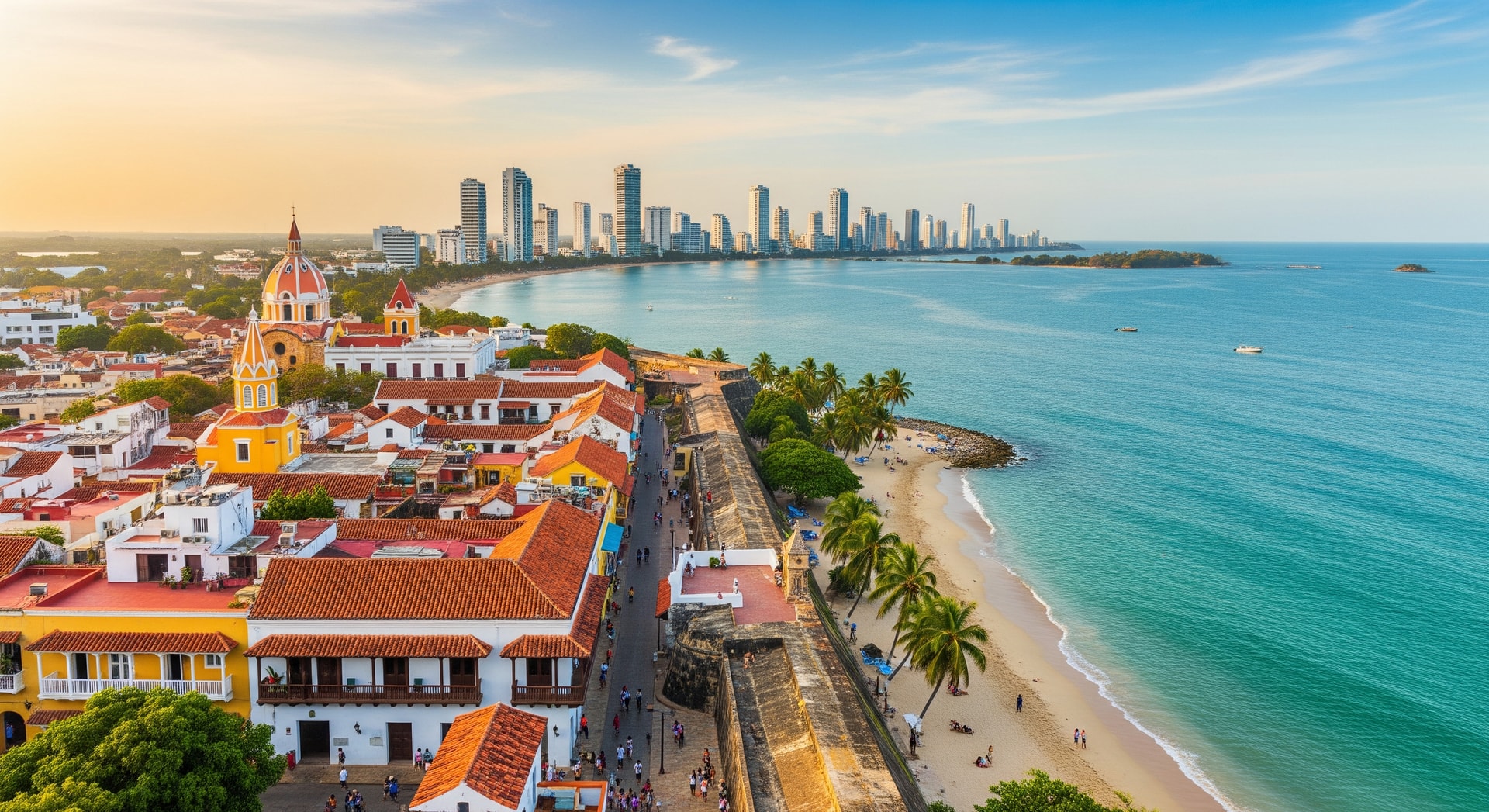
Cartagena is emerging as a standout Caribbean destination, with roughly 900,000 international visitors forecast for 2025. Its UNESCO-listed walled city, beaches and growing cruise terminal have elevated Cartagena’s profile among travellers from North America and Europe, while investments in hotel capacity support its expanding tourism offer.
- São Paulo: ~2.5 million (Jan–Nov 2025)
- Rio de Janeiro: ~1.97 million (Jan–Nov 2025), 47.5% growth
- Buenos Aires: ~1.8 million (projected 2025)
- Bogotá: ~1.6 million (projected 2025)
- Lima: ~1.4 million (projected 2025)
- Santiago: ~1.1 million (projected 2025)
- Cartagena: ~900,000 international arrivals (2025)
What this means for travellers and the industry
The rise of these seven cities signals broader opportunity across South America: improved transport links, more flight options, expanding hotel inventories and diversified tourism products—business events, cultural festivals, gastronomy and nature travel—are creating richer itineraries for visitors and new revenue streams for local economies.
So what? For travellers this means more choices and reasons to visit South America in 2025 — from culinary trips in Lima and Bogotá to beach-and-history packages in Cartagena, city-breaks in São Paulo and Buenos Aires, or adventure departures from Santiago. For the travel industry, the trend underlines the value of investing in infrastructure, sustainable practices and targeted marketing to sustain growth.
Sources