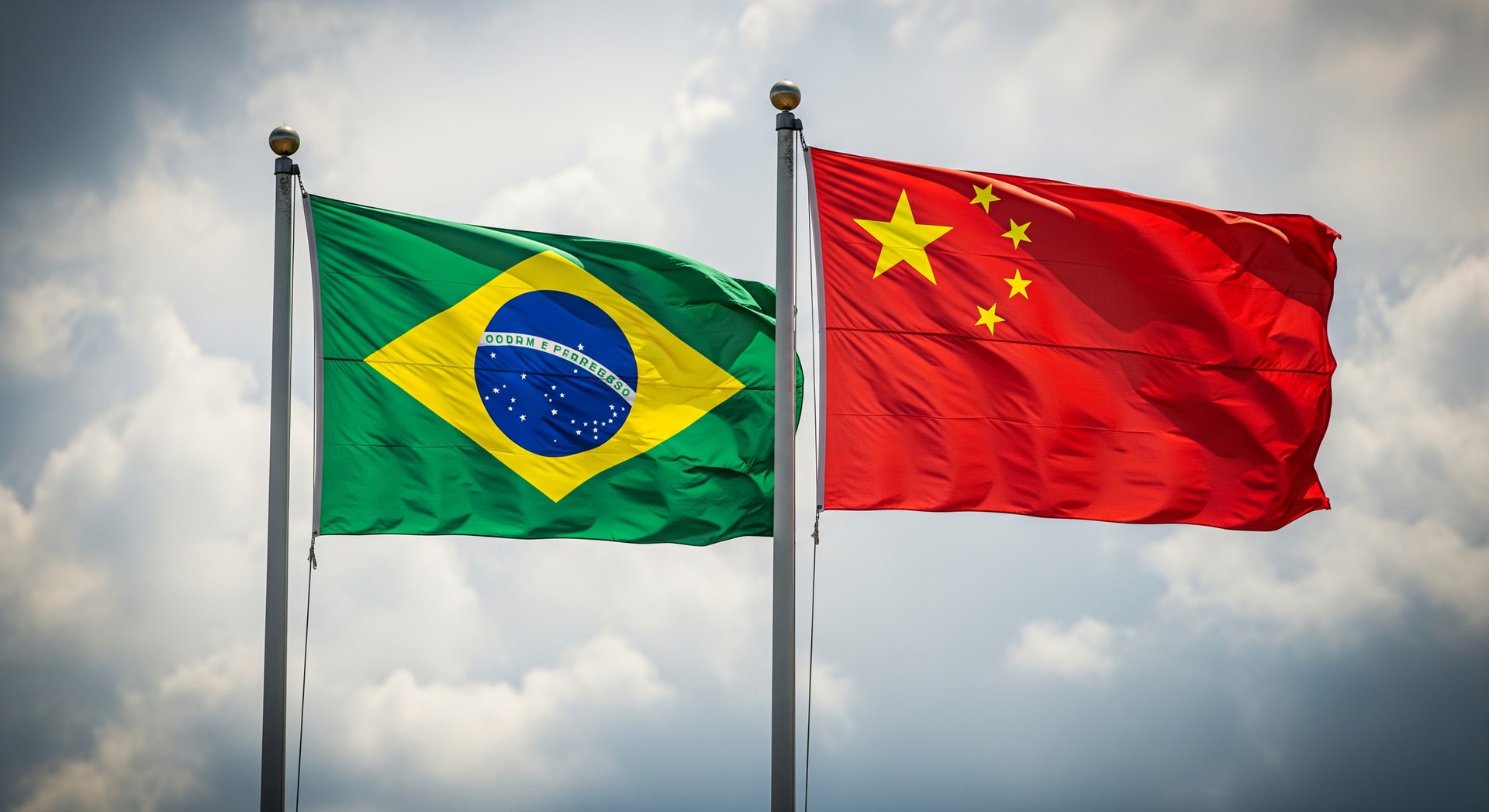
Brazil visa-free travel plans for Chinese citizens are under consideration following China’s visa waiver for Brazilian passport holders, a move analysts say could deepen bilateral trade and investment.
Summary: Brazil is considering a visa-free policy for Chinese citizens for short-term visits, following China’s visa waiver for Brazilian passport holders from June 1, 2025, to December 31, 2026 (up to 30 days for business, tourism, family visits, and transit). Analysts say easier travel could support trade, investment, and services cooperation, but note that flight costs, distance, and trade barriers may still limit near-term impact.
Brazil visa-free travel for Chinese citizens is being discussed as the country looks to deepen ties with China. The proposal follows Brazil’s late January 2026 announcement that it plans to allow Chinese nationals to enter Brazil for short-term trips without needing a visa, a step that has drawn attention from analysts watching the relationship between the two major emerging economies.
Observers describe the potential waiver as part of a broader effort to make cross-border movement easier and to reinforce what is often viewed as a key South-South economic partnership. Expectations include increased exchanges not only in tourism, but also in trade, investment, and cultural links.
Reciprocal visa-free access between Brazil and China
The discussion in Brazil comes after China introduced its own visa-free entry policy for Brazilian passport holders. Under that Chinese policy, Brazilians can enter China without a visa for up to 30 days for business, tourism, family visits, and transit.
China’s visa waiver is set to run from June 1, 2025, to December 31, 2026. Analysts see Brazil’s consideration of a similar approach for Chinese travelers as a reciprocal signal aimed at reducing friction for short stays and encouraging more frequent in-person engagement.
Why analysts say visa-free travel matters for trade and investment
Commentators argue that easing visa requirements can improve the movement of people connected to commerce, which in turn can support the flow of goods and services. With both countries playing significant roles in the global economy, fewer travel barriers could make business processes faster and open additional opportunities across sectors.
visa-free travel would simplify the entire commercial process, from market research and negotiations to factory inspections and post-investment personnel mobility.
Zhou Mi, a senior researcher at the Chinese Academy of International Trade and Economic Cooperation, also pointed to how the two economies complement each other. In the analysis cited, China is strong in machinery, electronics, and new energy vehicles, while Brazil is positioned around agriculture-related industries—an alignment that could support expanded cooperation, including large infrastructure projects.
- China’s visa-free entry for Brazilians: June 1, 2025, to December 31, 2026
- Maximum stay in China under the waiver: up to 30 days
- Permitted purposes under China’s waiver: business, tourism, family visits, and transit

Record bilateral trade sets the backdrop
Support for the visa-free discussion is also tied to the scale of existing economic ties. A report from the Brazil-China Business Council said bilateral trade reached $171 billion in 2025, an 8.2% increase compared with the prior year.
The same report described China as Brazil’s largest trading partner. It also noted that the United States ranked second, with a total trade volume of $83 billion over the same period.
Services sectors could see a boost
Beyond merchandise trade, analysts expect the relaxed travel rules to help services industries where cooperation has been more limited. Areas mentioned include finance, tourism, education, and healthcare services, with digital tools also supporting cross-border collaboration.
Immediate implications for Chinese companies operating in Brazil
For Chinese firms already active in Brazil, easier entry could quickly reduce friction for in-person work. Sinovac Biotech said the policy would improve its ability to carry out research and development, clinical trials, and technology cooperation in Brazil, where it has a partnership with Brazil’s health ministry signed in November 2025 for a 10-year collaboration.
According to the report, Sinovac’s partnership is worth more than $700 million and includes supplying 60 million vaccine doses for diseases including varicella and rabies. The company expects the cooperation to support Brazil’s healthcare infrastructure and local vaccine production, with travel flexibility helping research and medical teams attend technical discussions and trials and support local manufacturing capacity.
At the same time, Sinovac cautioned that travel access alone does not remove all barriers to expansion.
visa convenience alone will not guarantee market expansion.
Meng Weining, Vice-President of Sinovac, said regulatory compliance, taxation, and policy uncertainty remain major issues for cross-border operations, highlighting that companies can still face complex operating conditions even when travel becomes easier.
Constraints: flights, distance, and trade policy barriers
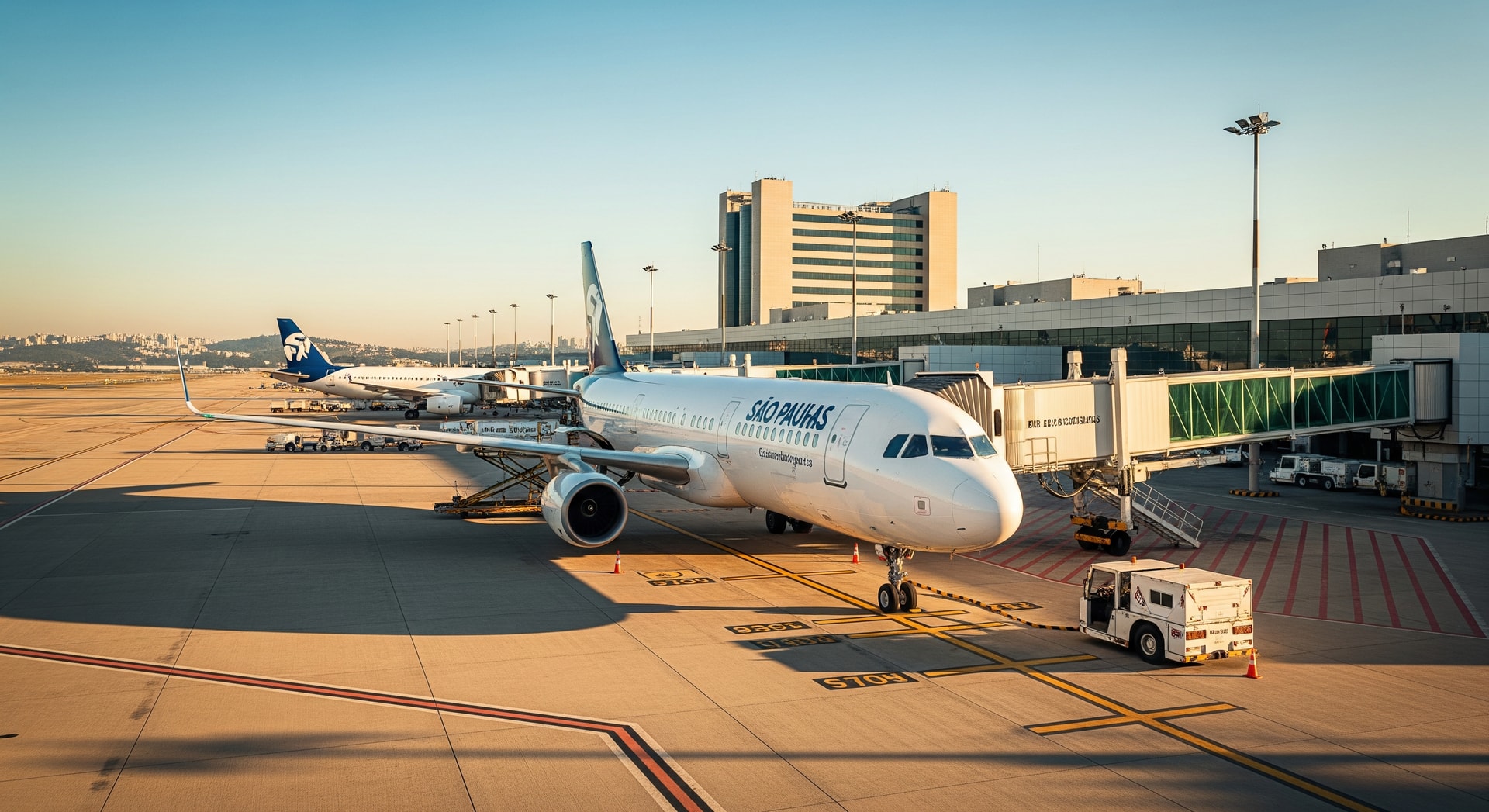
Analysts also warned that practical constraints could slow the pace of change. The long distance between China and Brazil, along with the high operating costs of ultra-long-haul flights, may limit immediate growth in passenger demand even if visa rules are relaxed.
Zoey Wang, director of global infrastructure ratings at Fitch Ratings, said the policy could result in more frequent flights or a return of capacity on existing routes, rather than prompting airlines to launch new non-stop services right away. The report also noted that Brazil’s high tariff levels, customs procedures, and quarantine standards remain obstacles to smoother trade flows.
What this means for travelers and the wider travel industry
For travelers, the key takeaway is that visa policy shifts between Brazil and China could make short trips simpler—particularly for business visitors and tourists—if Brazil proceeds with visa-free entry for Chinese citizens and implementation details are confirmed. For airlines and travel providers, analysts suggest demand may show up first through added frequency or restored capacity on existing routes, while broader growth will still depend on costs, logistics, and the wider trade environment. In practical terms, the policy signals closer bilateral engagement, but it does not eliminate other hurdles that can affect travel and cross-border activity.
Sources