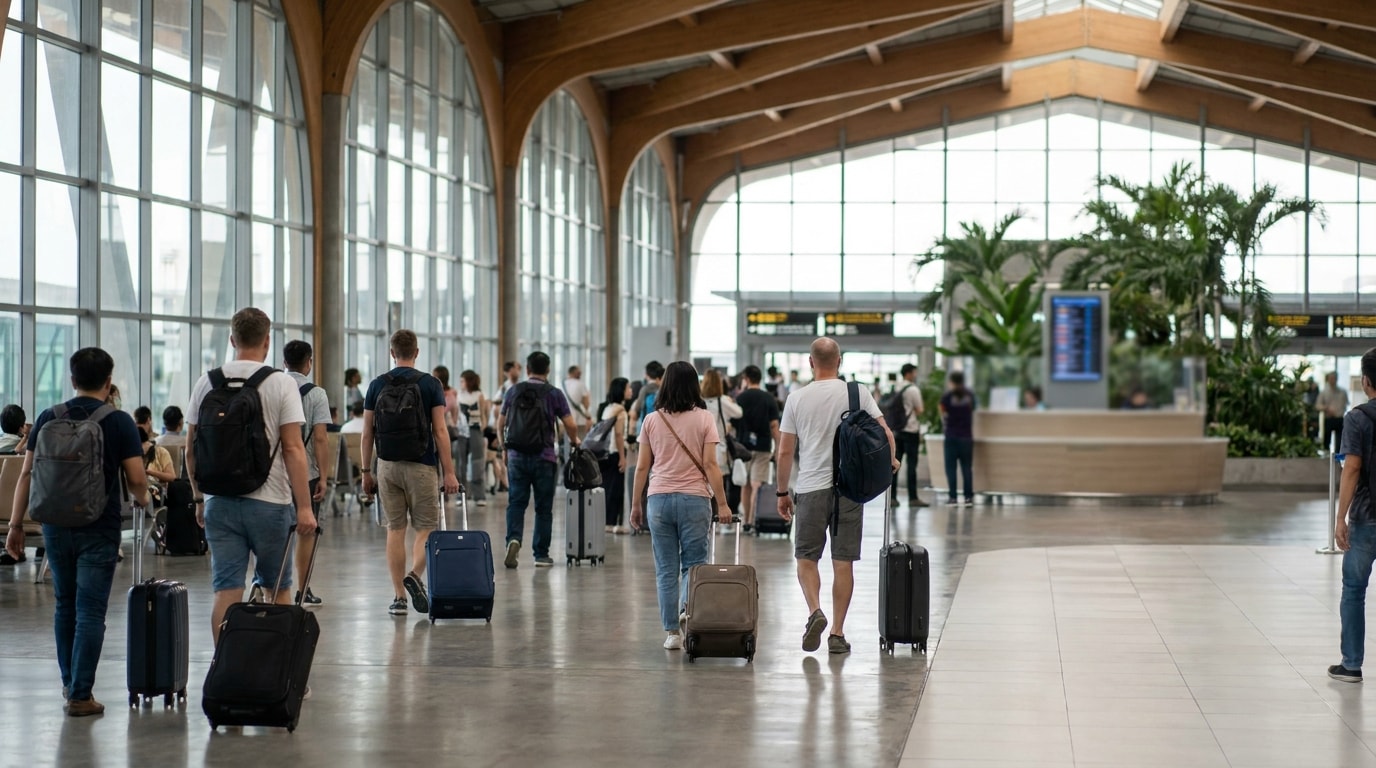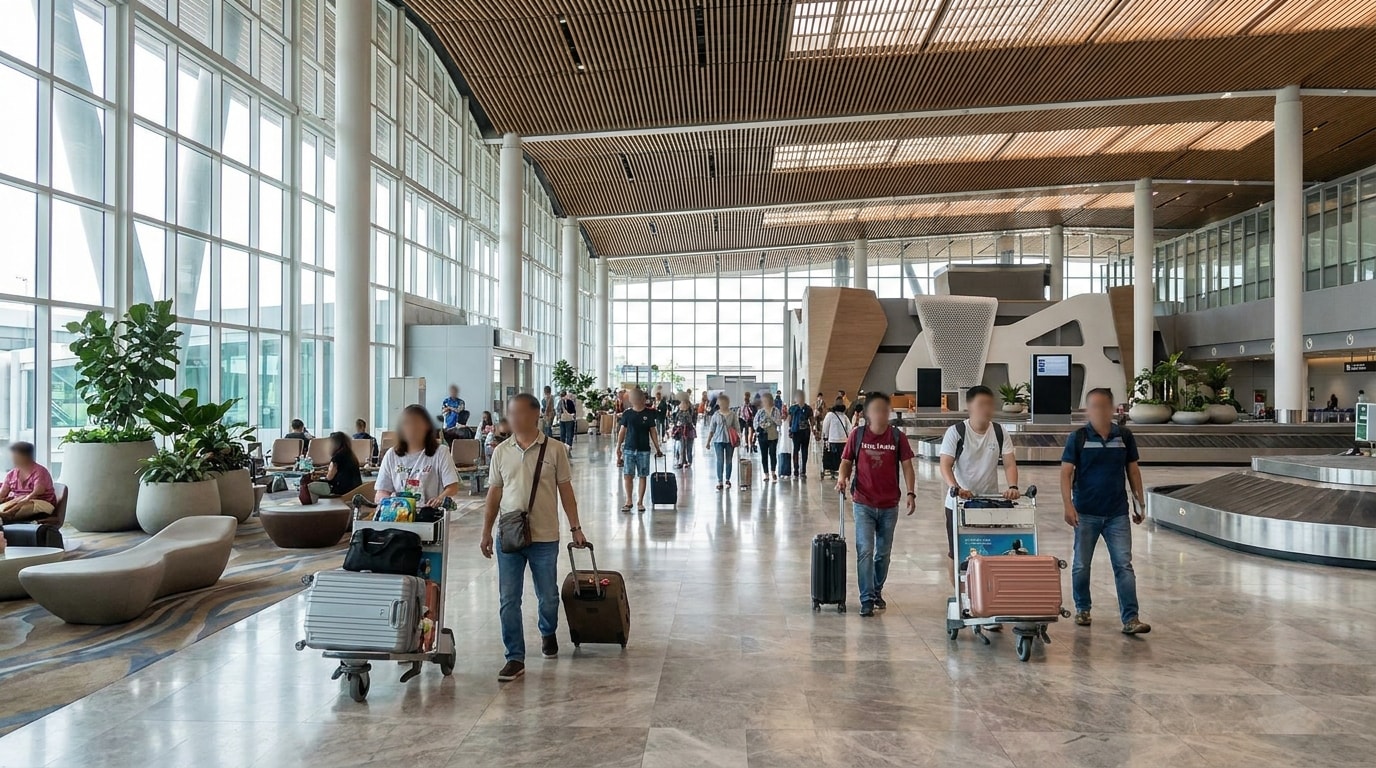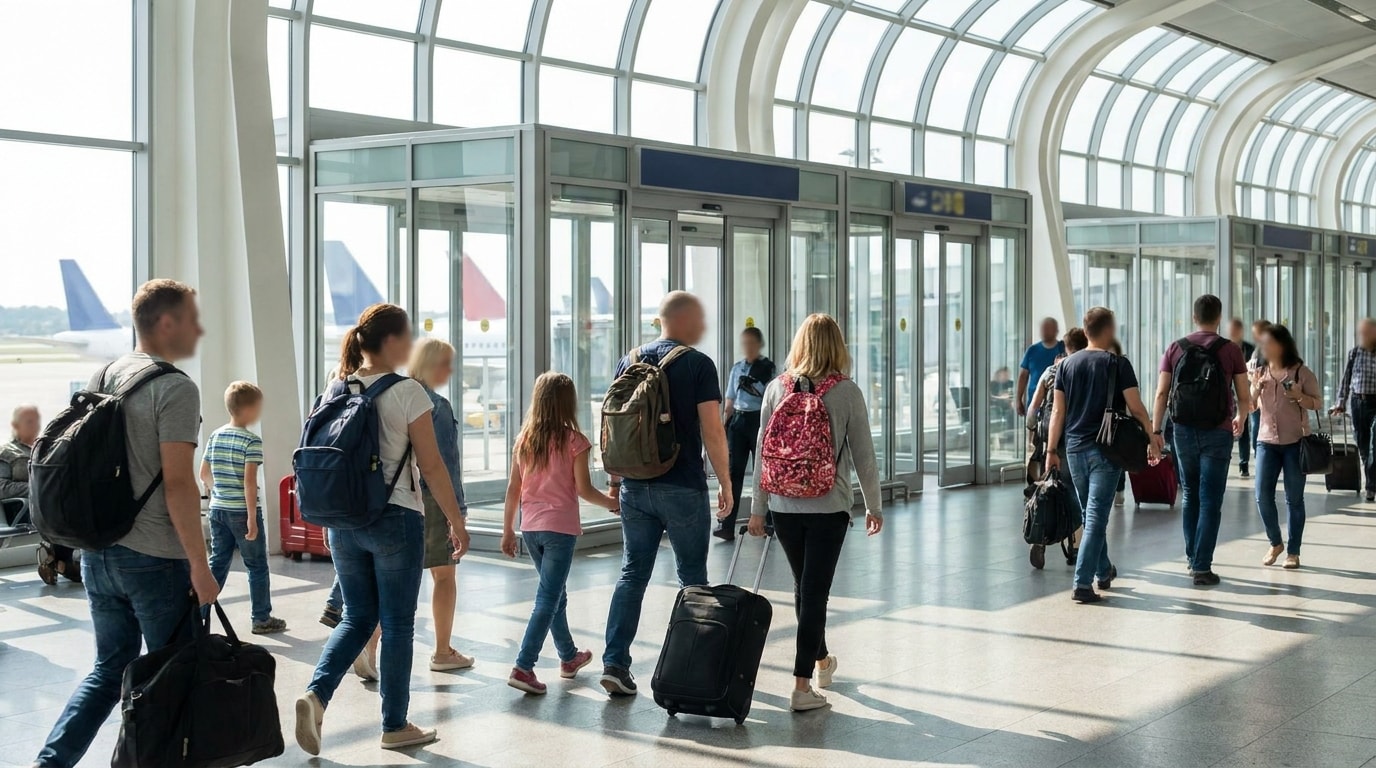
Cambodia tourism is facing renewed pressure as border tensions with Thailand and ongoing scam hub perceptions influence international travellers’ destination choices for 2026.
Summary: Cambodia tourism is encountering fresh headwinds in 2026 as renewed Cambodia–Thailand border tensions near the Preah Vihear Temple and persistent “scam hub” perceptions discourage some international travellers. Hotels in Siem Reap and Phnom Penh are reported to be seeing occupancy below projections, while the government pursues tourism messaging, border de-escalation efforts, and tighter oversight of special economic zones.
Cambodia tourism is being tested by a combination of geopolitical friction and reputational concerns that are reshaping travel decisions across Southeast Asia. While Cambodia’s historic sites and cultural appeal remain intact, the country’s post-pandemic recovery is facing obstacles linked to border tensions and a lingering stigma around cyber-scam activity.
Industry observers cited in the report describe these issues as key deterrents for both Western visitors and regional travellers who might otherwise include Cambodia in their itineraries. The combined effect is a narrowing of visitor flows at a time when the sector is trying to rebuild momentum.
Cambodia–Thailand border tensions intensify near Preah Vihear Temple
According to the article, Cambodia’s diplomatic relationship with Thailand is under strain again due to renewed territorial disagreements. The report points to high-altitude areas near the historic Preah Vihear Temple as a focal point for military posturing and administrative disputes, with long-running land ownership grievances resurfacing.
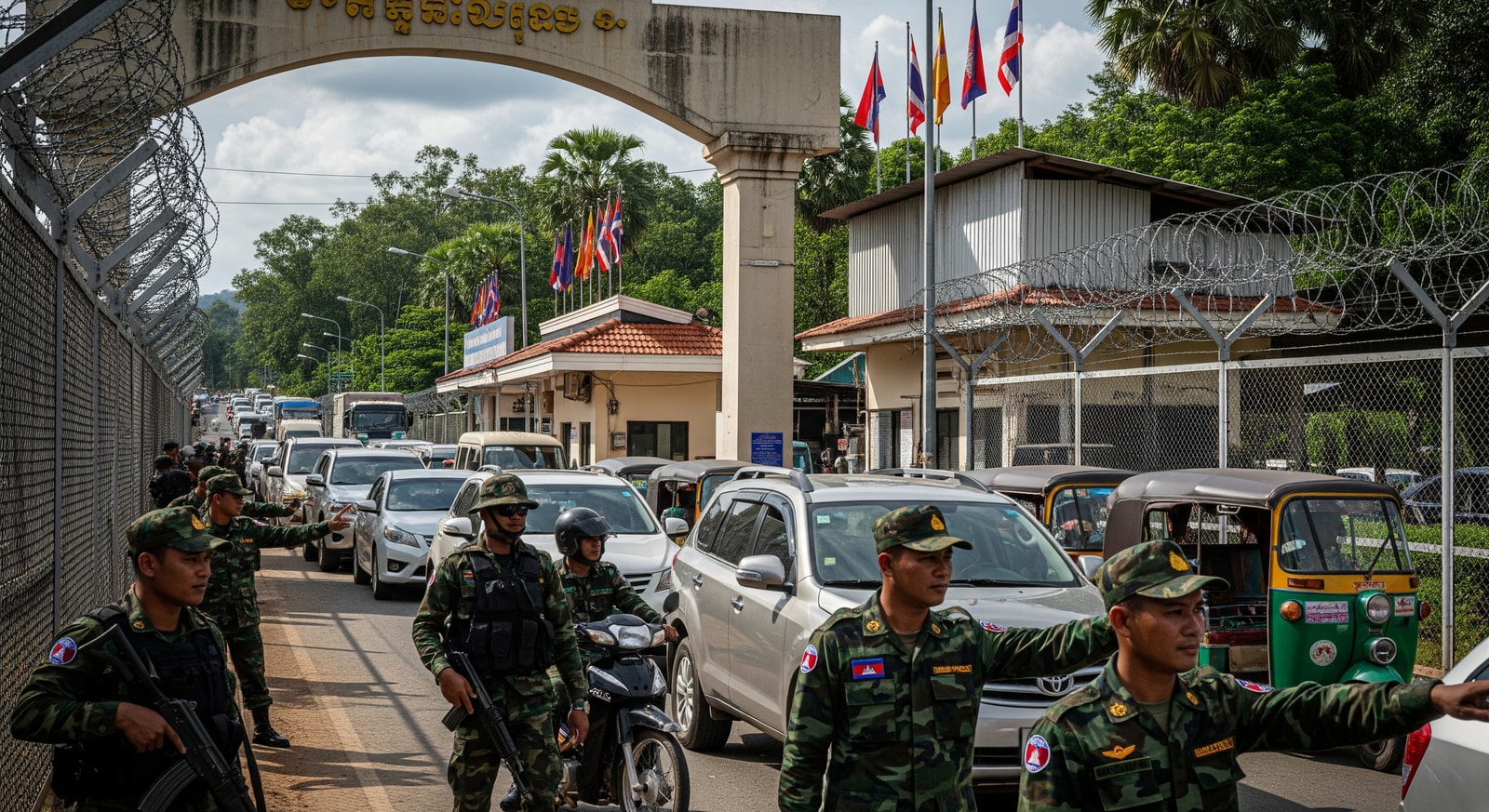
The piece also notes a visible increase in security personnel along Cambodia’s northern frontier. This heightened security environment is described as a factor behind cancellations of cross-border tour packages that traditionally connect Cambodia and Thailand, affecting travel patterns that previously benefited both sides.
Where border crossings once served as relatively straightforward routes for backpackers and higher-end travellers, the report says the experience is increasingly shaped by delays, added bureaucracy, and safety warnings. Checkpoints that previously supported tourism and cultural exchange are now viewed more through a national security lens.
Scam hub perceptions and cybercrime allegations weigh on Cambodia’s image
Beyond physical border issues, the report describes a reputational challenge tied to the region’s association with sophisticated cyber-scam operations. It says international media coverage has widely documented the use of large-scale industrial parks by criminal syndicates to run global fraud schemes.
The article links some of these compounds to remote provinces and special economic zones, naming Sihanoukville, and notes allegations involving human trafficking and forced labor. Even with reported crackdowns by the government in Phnom Penh, the perception of Cambodia as a base for “scam centers” is portrayed as difficult to reverse quickly.
The report adds that viral online accounts and documentaries have influenced potential visitors, particularly those prioritizing personal safety and ethical tourism. As a result, Cambodia’s international narrative is described as shifting away from cultural heritage and toward concerns about modern criminal activity.
Tourism and hospitality feel the economic impact in Siem Reap and Phnom Penh
The article says the combined pressures are being felt across Cambodia’s hospitality sector. Luxury hotel chains in Siem Reap and boutique guesthouses in Phnom Penh are reported to be recording occupancy rates that are significantly below projected targets for 2026.
It also reports that some international developers are reconsidering infrastructure investments due to concerns that Cambodia’s tourism “brand” has been damaged. Analysts cited in the piece highlight the importance of long-haul visitors from Europe and North America, noting that their absence creates a substantial shortfall in foreign currency exchange compared with regional travel flows.
Marketing efforts aimed at promoting destinations such as the Cardamom Mountains and Cambodia’s southern islands are described as being overshadowed by headlines focused on instability and crime, limiting the effectiveness of tourism promotion during the 2026 season.
Government response: tourism messaging, border de-escalation, and tighter SEZ rules
The report says the Cambodian Ministry of Tourism is working to reposition the country’s image by emphasizing the safety of major tourist corridors and separating legitimate tourism activity from illicit operations in more isolated areas. It also describes “passive diplomacy” intended to reduce tensions at the Thai border, with the longer-term hope that joint heritage management could replace military confrontation.
In parallel, the article notes stricter regulations being applied to special economic zones, alongside expectations that greater transparency and international cooperation could help reduce the scam hub stigma over time. However, it cautions that these measures are progressing slowly and that the near-term outlook for the 2026 travel season is expected to remain negative.
Perception gap and what 2026 could mean for Cambodia travel
A central theme in the article is the gap between everyday life in Cambodia and the more sensational portrayals that can dominate international coverage. While the report states that most of the country remains peaceful and welcoming, it argues that travel advisories and high-profile warnings can strongly influence decision-making.
- Border tensions near the Preah Vihear Temple are linked to increased security presence and tour cancellations between Cambodia and Thailand.
- Cyber-scam reporting tied to industrial parks and special economic zones such as Sihanoukville is contributing to a persistent reputational challenge.
- Hotels in Siem Reap and Phnom Penh are reported to be below 2026 occupancy projections, with investment decisions under review.
The report frames 2026 as a pivotal year, suggesting Cambodia’s tourism recovery depends on progress in resolving border disputes through clear legal frameworks and on effectively dismantling criminal syndicates linked to scam operations. Until then, it argues, the sector is likely to continue underperforming.
Why this matters: for travellers planning Cambodia or multi-country Southeast Asia trips, the article underscores how quickly border conditions and destination reputation can affect routes, tour availability, and confidence. For the industry, it highlights that rebuilding demand is not only about attractions and infrastructure, but also about reducing security risks and restoring trust in the destination’s safety narrative.
Sources