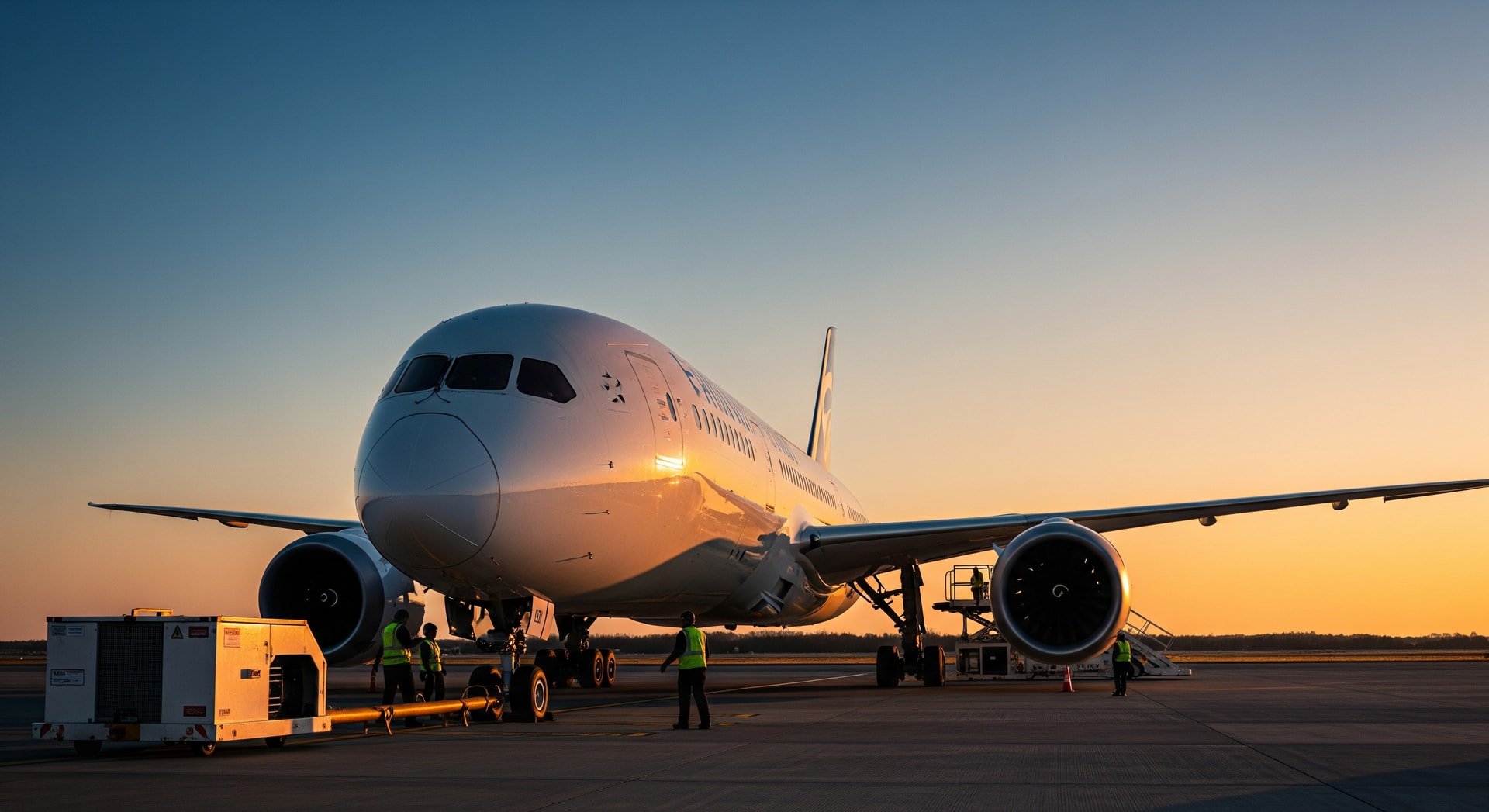
Boeing 787 Dreamliner fuel-control fault has prompted groundings at major carriers, threatening delays and cancellations on long-haul routes.
Summary: A fuel-control switch defect on the Boeing 787 Dreamliner has led several major airlines to ground some or all of their 787 fleets, risking delays and cancellations on key long-haul routes and creating knock-on effects for tourism and hospitality.
A newly identified fuel-control fault affecting the Boeing 787 Dreamliner has forced airlines to take precautionary action, with carriers including United Airlines, British Airways, Air India, Delta, ANA and Qatar Airways confronting partial or full groundings of their 787 fleets. The Boeing 787 Dreamliner issue raises immediate operational concerns for long-haul services and passengers booked on affected routes.
What the technical fault involves
Engineers have traced the problem to a component in the 787’s fuel control system: a switch that can fail to remain latched in the “RUN” position during engine start. If the switch does not stay latched, it could lead to engine failures or interruptions in flight, prompting regulators and operators to impose stricter inspections and, in some cases, groundings until fixes or verifications are completed.
Which airlines are affected
The technical advisory has hit a range of global carriers that operate sizable 787 fleets. United Airlines, British Airways, Air India, Delta, All Nippon Airways (ANA) and Qatar Airways are among those confronting service changes as they assess the risk and perform required checks.
- United Airlines: Operates the largest 787 fleet in North America; groundings could affect many international long-haul services.
- British Airways: Relies on 787s for routes from London to destinations such as New York, Dubai and Sydney, increasing potential for schedule reshuffles.
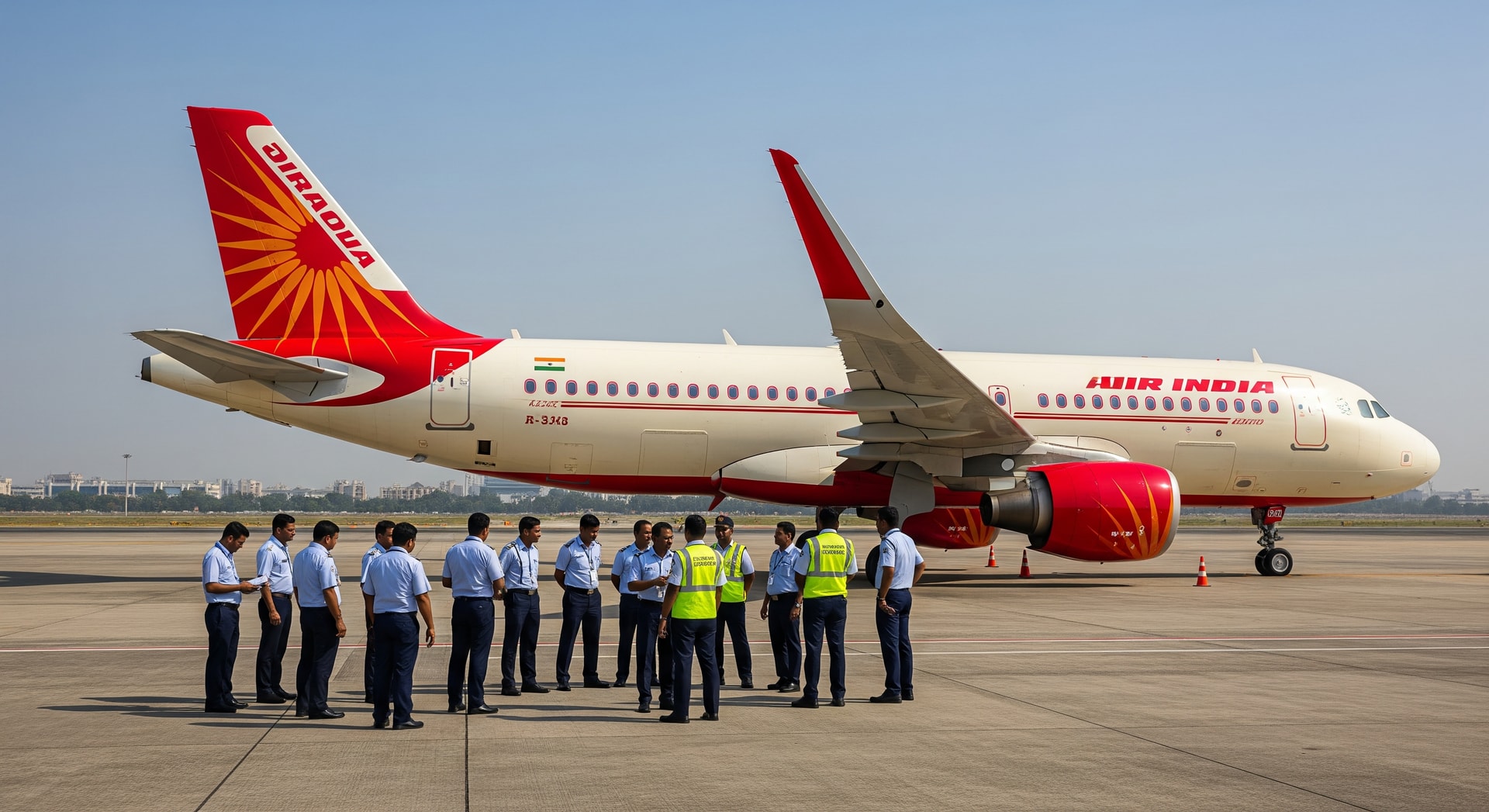
- Air India: One of Asia’s biggest Dreamliner operators; groundings may disrupt routes to the United States, Europe and Southeast Asia.
- Delta, ANA and Qatar Airways: Also adjusting schedules and aircraft rotations across their international networks.
Immediate operational consequences
Grounding even a portion of a carrier’s 787 fleet forces rapid retiming of aircraft and crews, introduction of substitute aircraft where available, and in many cases rebooking passengers onto alternate services. For airlines with a heavy reliance on the Dreamliner for fuel-efficient long-haul sectors, this can mean notable reductions in capacity and a rise in cancellations or extended connection times.
Broader impact on tourism and hospitality
The travel ecosystem is tightly linked: airline delays and cancellations ripple into hotels, tour operators and ground services. Destinations expecting arrivals via affected carriers may see last-minute booking changes, increased demand for nearby hotel rooms for stranded travellers, and pressure on travel agents to rebook tours and connections.
How airlines are responding
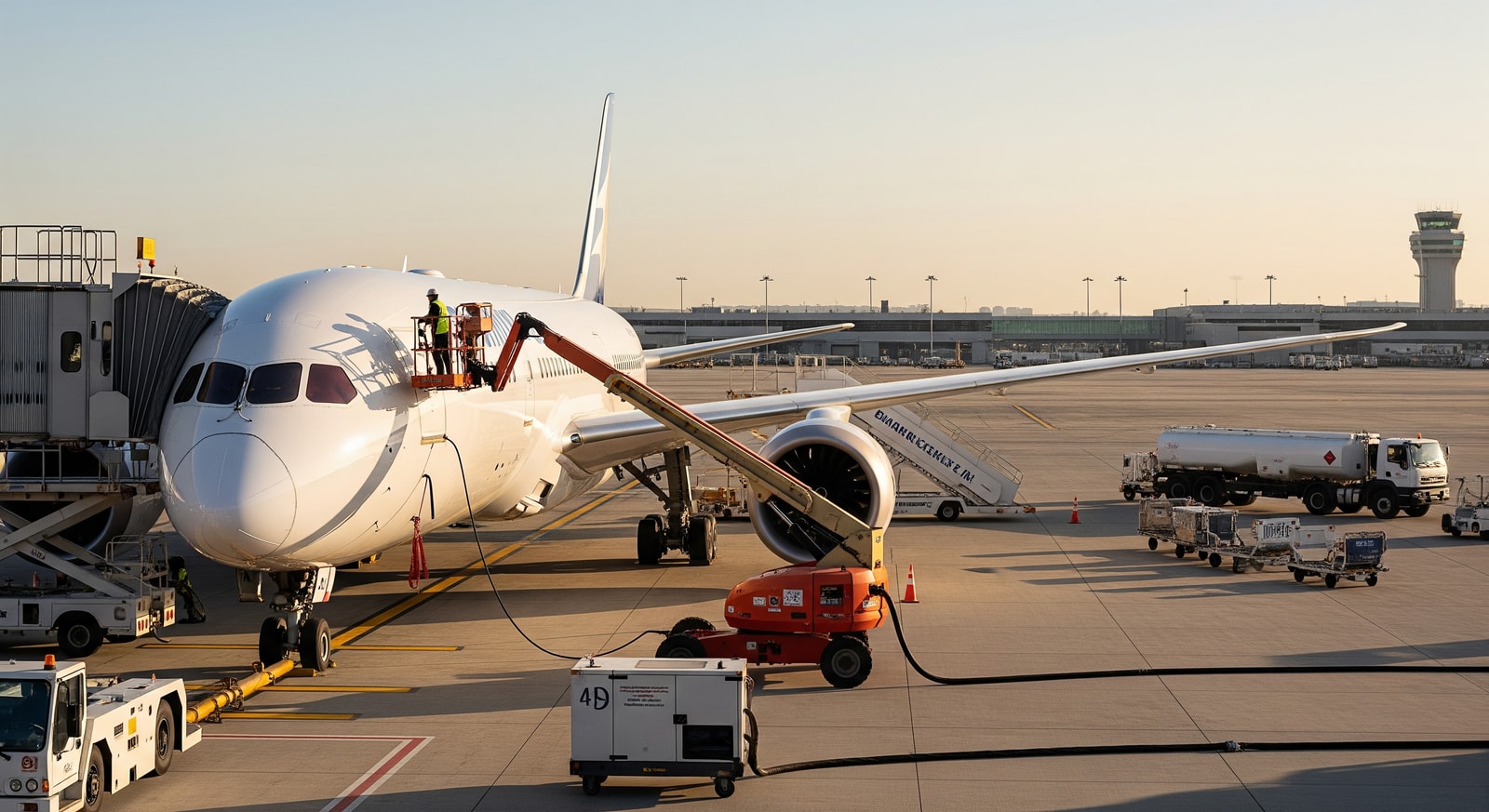
Carriers are coordinating with Boeing and aviation authorities to determine the scope of required inspections and corrective actions. Some operators have temporarily suspended 787 operations on selected routes, while others are selectively grounding aircraft pending part replacement or confirmations that systems meet safety requirements. Airlines are also prioritising passenger communications and offering rebooking options where services are affected.
Practical tips for travellers
- Stay informed: Check your flight status on the airline’s official website or app for real-time updates.
- Consider alternatives: Ask the airline about rebooking on different aircraft types or routes if your Dreamliner service is affected.
- Buy travel insurance: Ensure your policy covers cancellations and delays related to technical groundings.
- Prepare for overnight stays: If delays require an unexpected night away, have a backup plan for accommodation.
- Be patient: Airport and airline staff will be handling high volumes of changes; polite communication helps secure faster assistance.
So what? Why this matters to travellers and the industry
Short-term, passengers on routes operated by the affected airlines should expect possible changes to schedules and aircraft. For the industry, the episode underlines how a single technical defect can disrupt global networks and pressure hotels, tour operators and airports. In the medium term, resolving the fault quickly and transparently will be essential for restoring capacity and traveller confidence.
Sources