Addis Ababa tourism has jumped sharply, recording nearly 700,000 international visitors in the first six months of Ethiopia's 2025-2026 fiscal year as major carriers expand routes.
Summary: Addis Ababa tourism has surged to nearly 700,000 international arrivals in the first six months of Ethiopia's 2025-2026 fiscal year, driven by route expansions from Ethiopian Airlines, Emirates, Qatar Airways, Turkish Airlines and Lufthansa.
Addis Ababa tourism has recorded an exceptional rise, with almost 700,000 foreign visitors arriving during the opening six months of Ethiopia’s 2025-2026 fiscal year. The increase has been fuelled largely by improved air connectivity as major carriers expand services to the Ethiopian capital, boosting both leisure and business travel.
Airlines expand global links to Addis Ababa
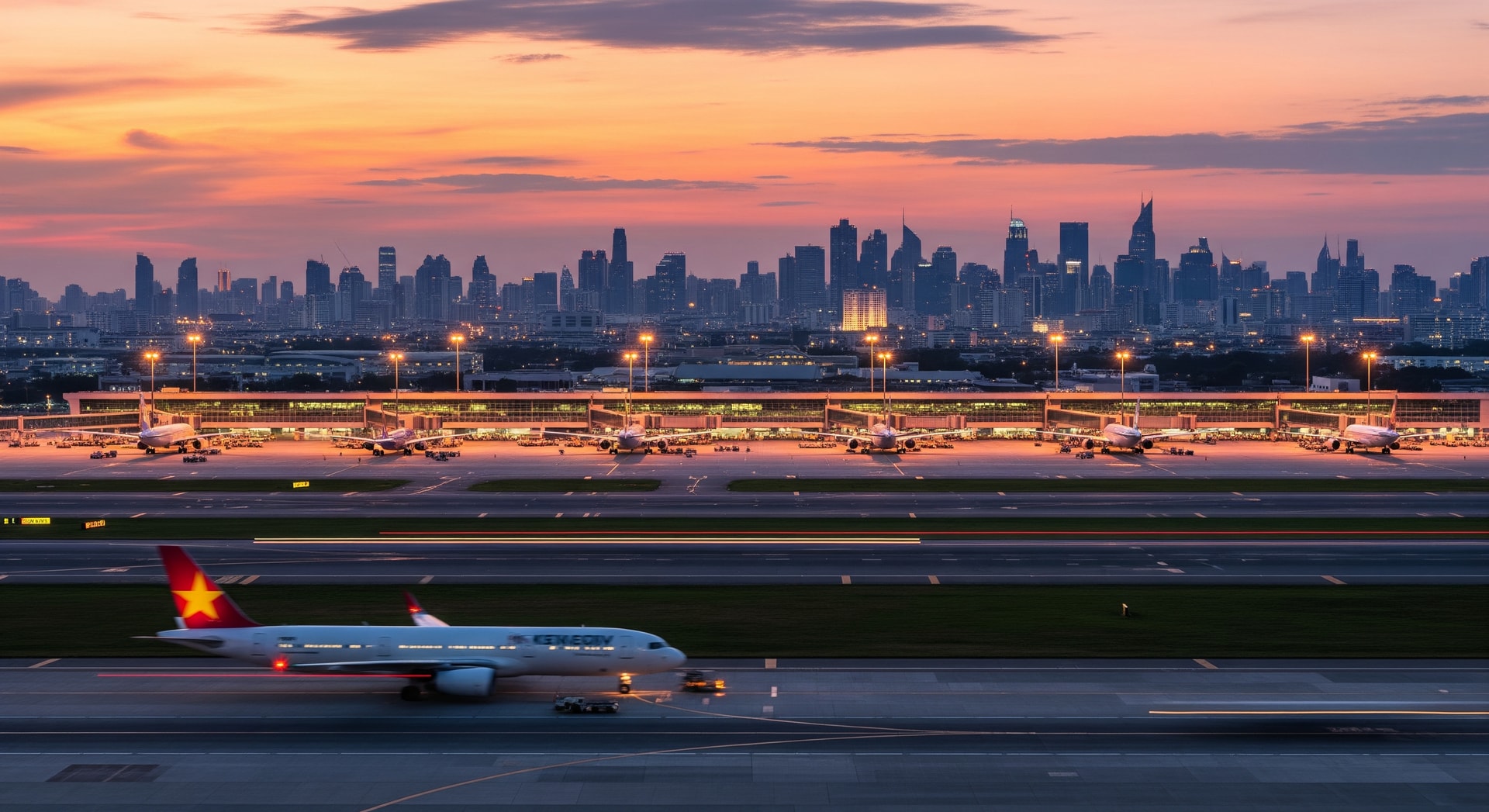
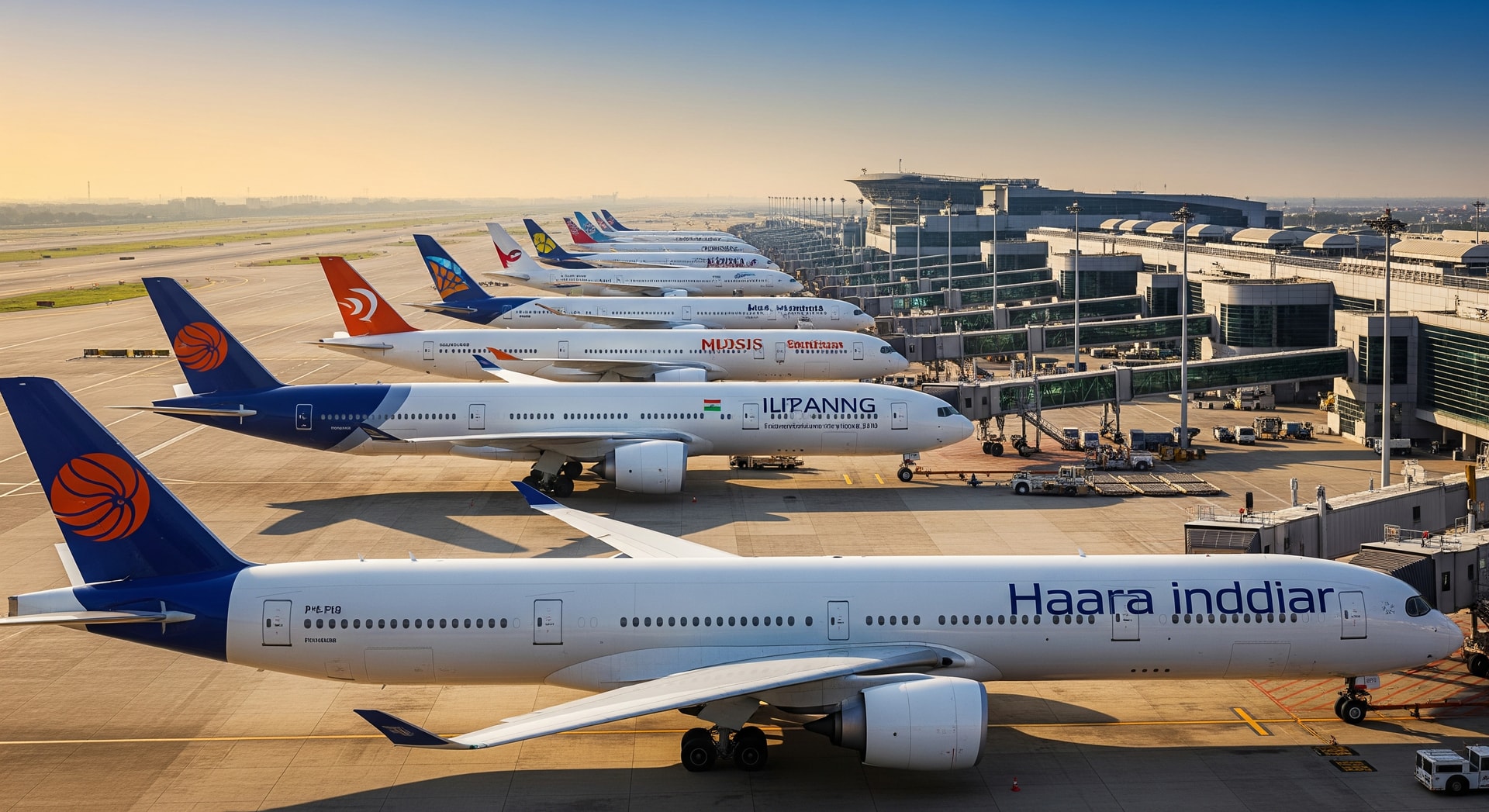
One of the main drivers behind the surge is the widening network of international carriers serving Addis Ababa. Ethiopian Airlines, a central figure in the city’s connectivity, operates to more than 125 international destinations and has reinforced its role as a gateway to Ethiopia and wider Africa.
- Emirates: operates daily flights between Dubai and Addis Ababa
- Qatar Airways: connects Doha to Addis Ababa with multiple weekly services
- Turkish Airlines: provides convenient connections via Istanbul
- Lufthansa: offers direct flights from Frankfurt
- Other frequent long-haul origins: London, New York and Guangzhou
The wider choice of routes and increased frequencies have made Addis Ababa more accessible from Europe, the Middle East, Asia and the Americas. Carriers’ modern services and schedules are attracting both conference delegates and leisure visitors, helping explain the rapid rise in arrivals.
Hospitality sector responds to rising demand
The influx of nearly 700,000 tourists in six months has pushed occupancy rates across Addis Ababa to record levels. The city—home to about 3.5 million people—has seen accelerated investment from international hotel groups and growth in mid-range and budget accommodations to handle increased demand.
- Major chains investing include Hilton, Marriott and Sheraton
- New boutique properties and upgraded mid-range hotels emerging
- Increased development of services aimed at business and MICE travellers
Culture, festivals and sports draw visitors
Ethiopia’s cultural and religious calendar is a strong magnet for international tourists. Celebrations such as Timkat (Epiphany), Meskel (the finding of the True Cross) and Enkutatash (Ethiopian New Year) bring vibrant ceremonies and large crowds. In addition, the growth of sports tourism, including international marathon events, has attracted athletes and fans to the capital.
- National Museum of Ethiopia — home to the fossil of Lucy
- Holy Trinity Cathedral — key Ethiopian Orthodox site
- Entoto Mountains — panoramic views and historical churches
- Merkato — one of Africa’s largest open-air markets
- Local cuisine — injera and traditional stews
Airport upgrades and urban infrastructure
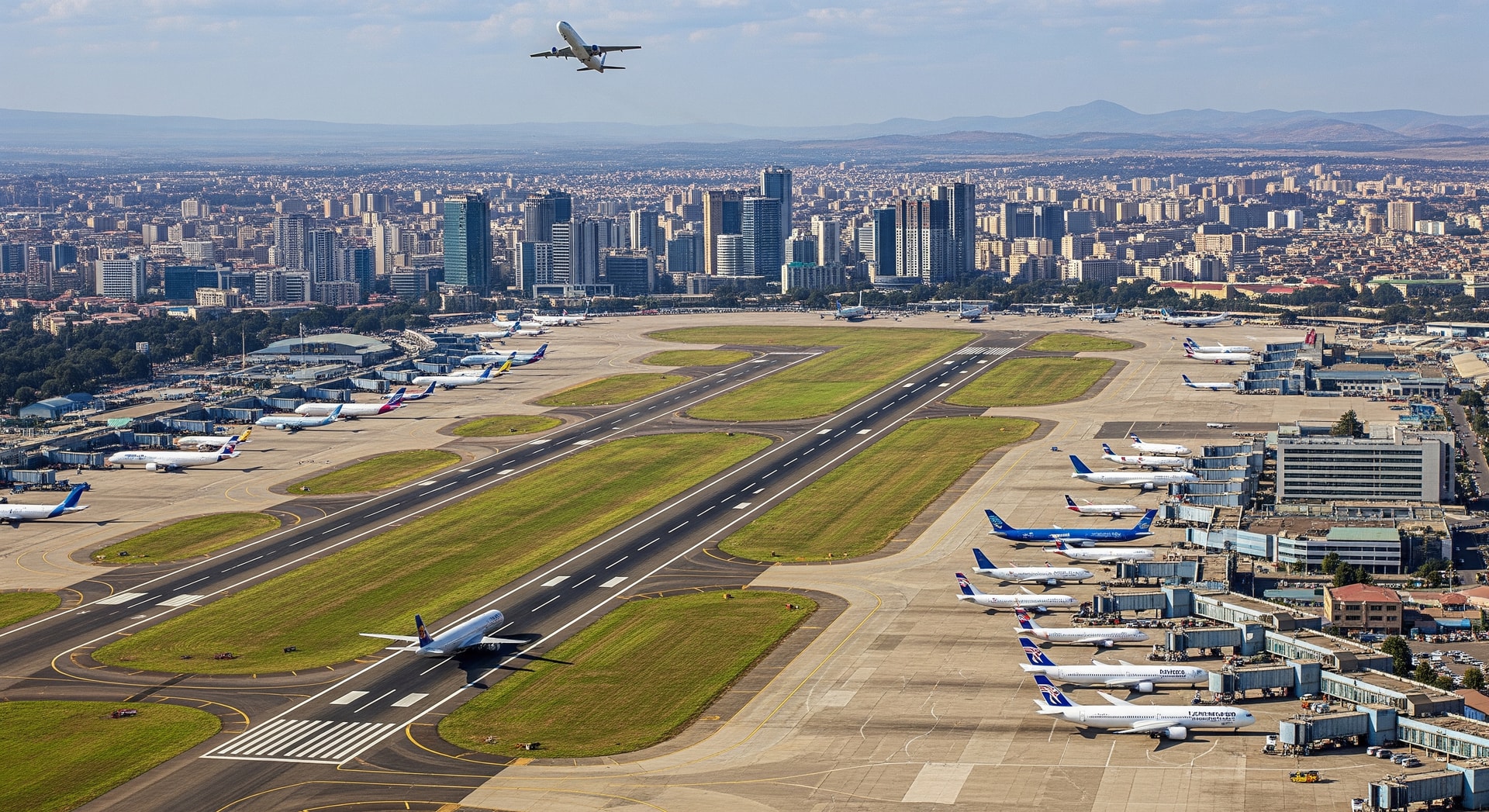
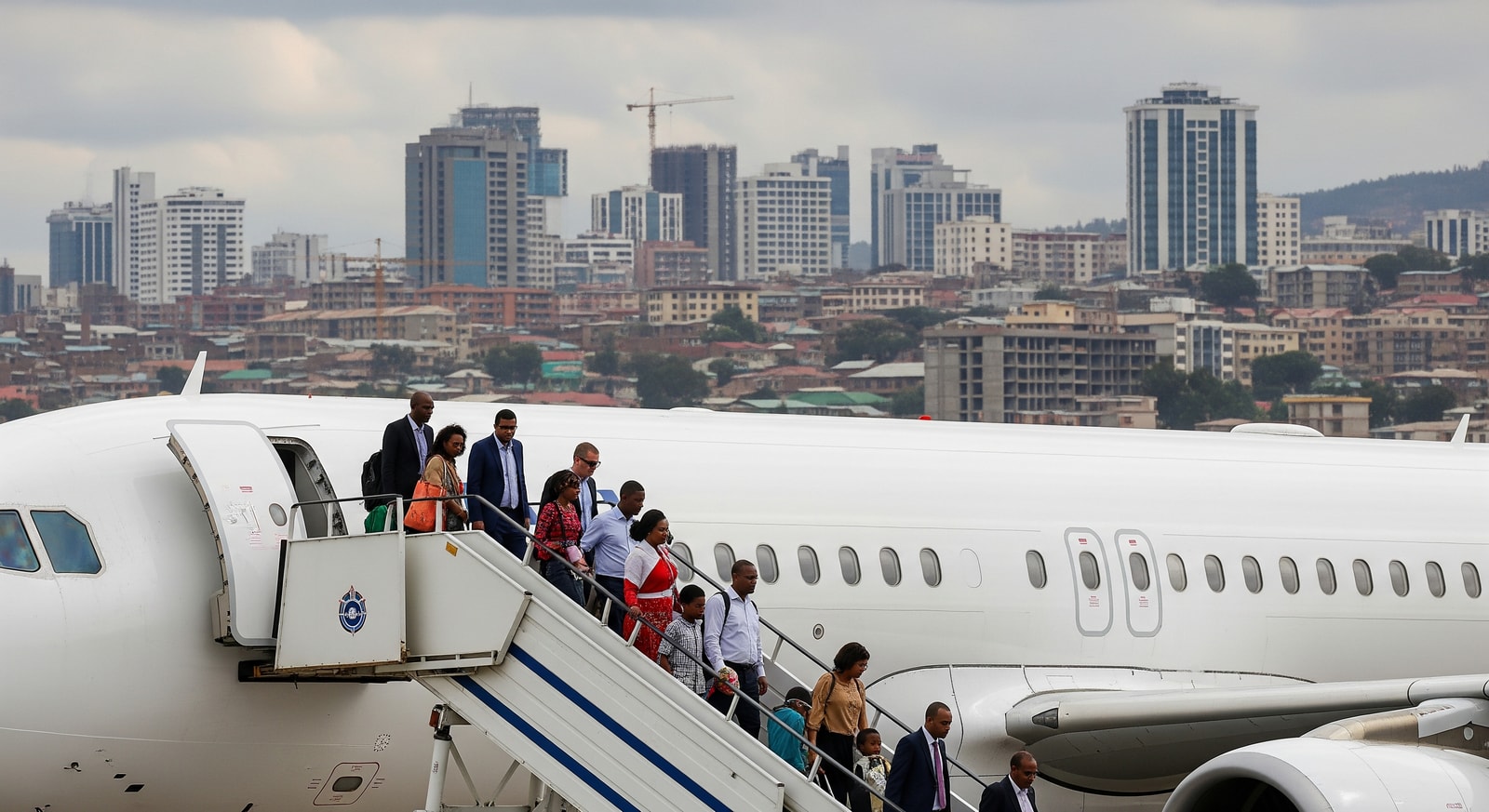
To handle the higher passenger volumes, Addis Ababa has invested in infrastructure improvements. Upgrades at Bole International Airport, including terminal expansion and enhanced passenger facilities such as new lounges and VIP services, have increased capacity and improved the arrival experience for international travellers.
Practical travel information for visitors
- Visa: Most travellers require a visa; many nationalities can obtain an e-visa online before travel
- Currency: Ethiopian Birr (ETB); credit cards accepted at major hotels but carry cash for markets
- Weather: Mild highland climate, typical range 15°C to 25°C—pack for cool evenings
- Language: Amharic is the official language; English is widely used in tourist areas
- Health: Recommended vaccinations include yellow fever, hepatitis and typhoid; use bottled or filtered water
Looking ahead, Addis Ababa’s tourism momentum appears set to continue as airlines deepen their networks and hotel and transport infrastructure keep pace. For travellers, improved connectivity means more convenient flight options and a growing range of accommodation and cultural experiences. For the travel industry, the surge highlights emerging opportunities in East Africa for airlines, hoteliers and event organisers.
So what? Greater air connectivity and nearly 700,000 visitors in six months make Addis Ababa an increasingly important hub for both leisure and business travel. Travelers can expect more flight choices and improved services; the industry can anticipate continued investment and growth opportunities.
Sources