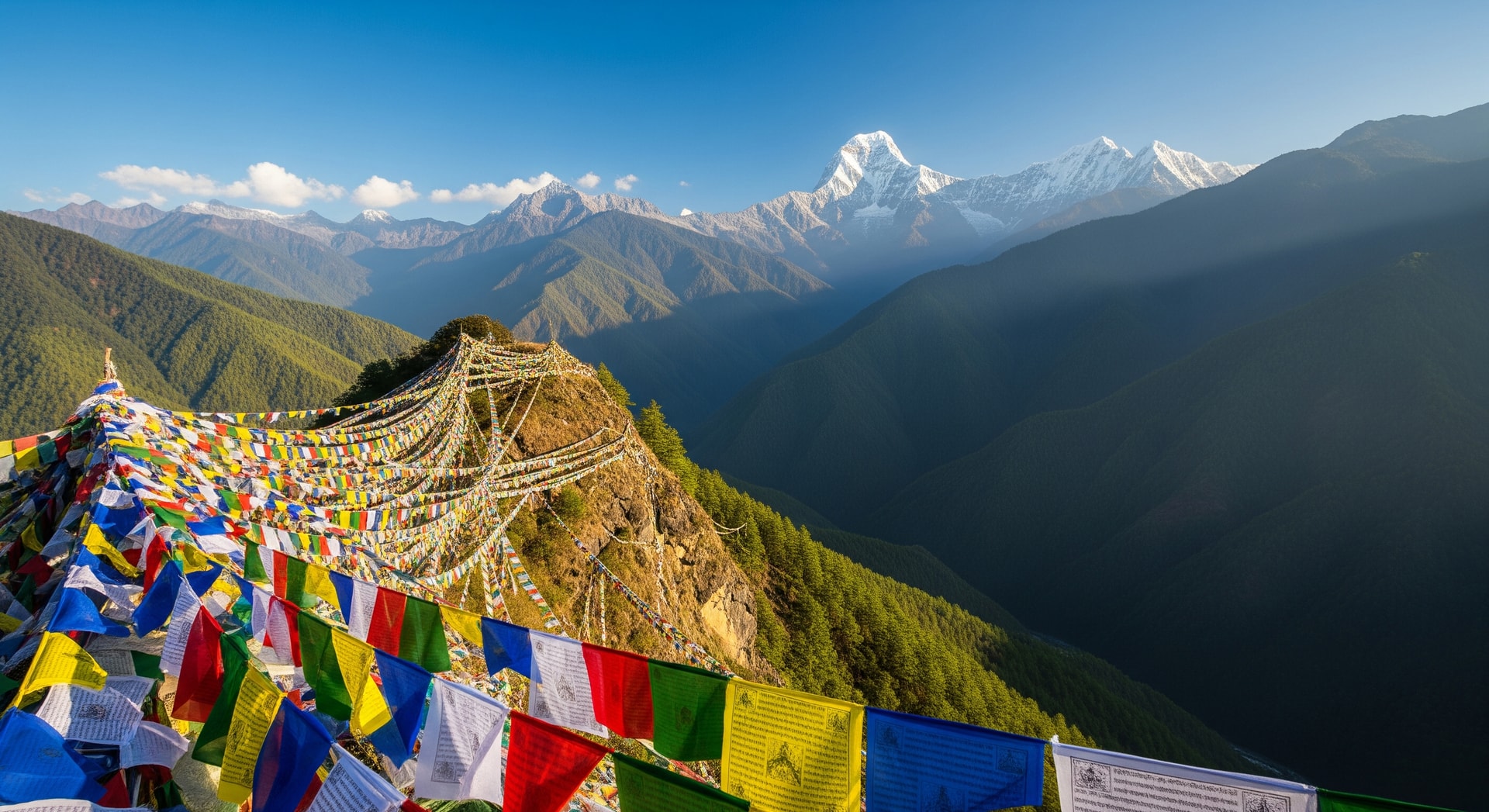
Bhutan adventure options span the Snowman Trek, mountain biking, glacier-fed rafting and paragliding, all delivered within a high-value, low-impact tourism model.
Summary: Bhutan adventure options range from the 25‑day Snowman Trek to glacier‑fed rafting, paragliding and high‑altitude biking — all offered within the kingdom's regulated, sustainable tourism framework.
Positioned between Tibet and the Eastern Himalayas, Bhutan offers a distinctive Bhutan adventure experience where monasteries and cultural heritage sit beside glaciers, roaring rivers and mountain passes that rise above 5,000 metres. Adventure in the kingdom is framed by careful regulation and a focus on preserving wilderness rather than mass commercialisation.
A Himalayan Adventure Ethos
Bhutan follows a ‘high value, low impact’ tourism policy that keeps visitor numbers limited and activities supervised. Expeditions are guided, rafting routes are certified and trekking trails are maintained to protect sensitive ecosystems and cultural sites.
1. Trekking Across Sacred High-Altitude Terrain
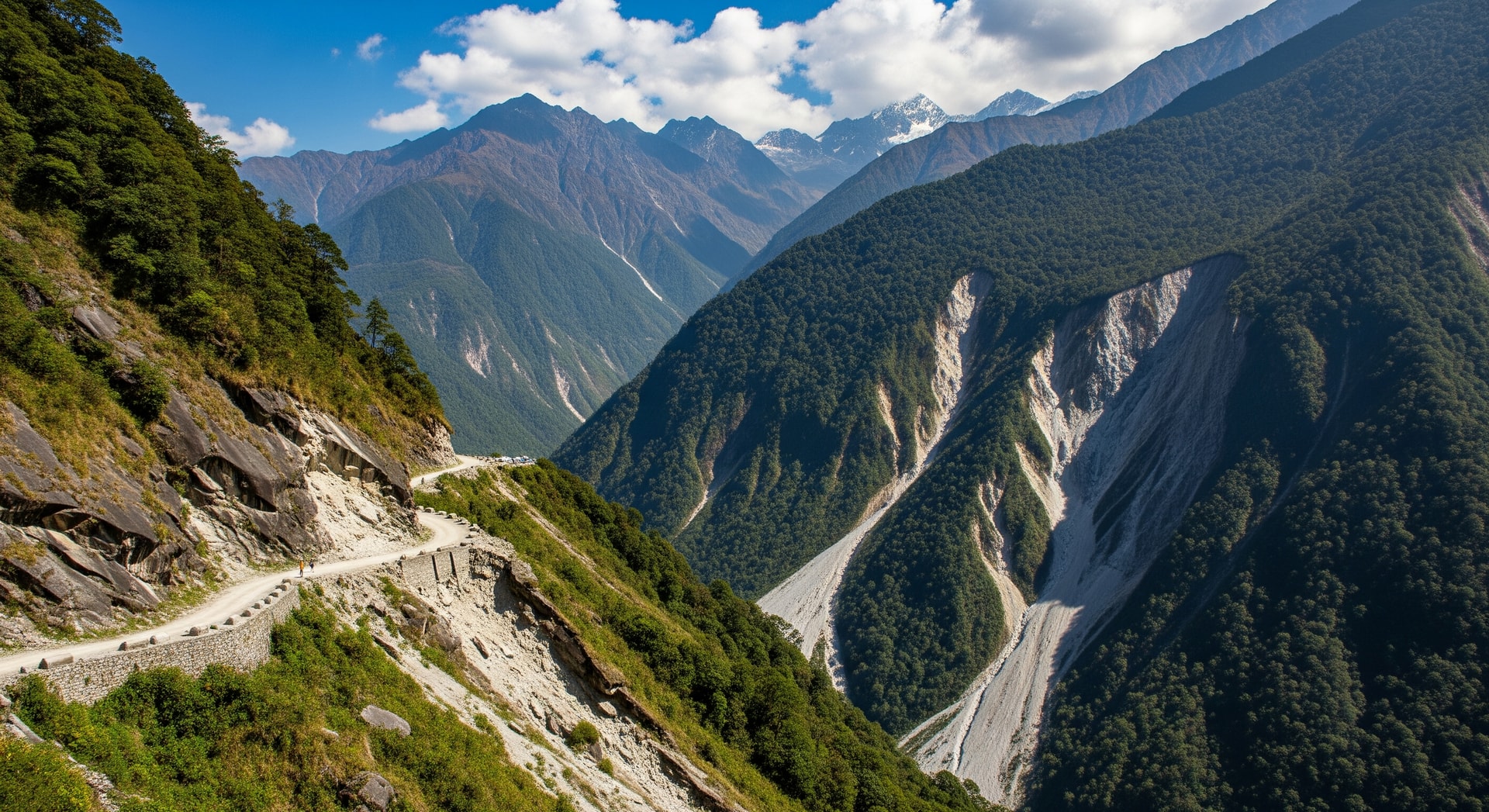
Bhutan’s trekking routes are quieter and more remote than many Himalayan circuits, crossing protected forests, alpine meadows and sparsely populated valleys. Routes range from accessible day hikes near Paro and Punakha to extremely demanding expeditions that test the most experienced trekkers.
- Accessible day hikes: Paro and Punakha approaches to Taktsang Monastery
- Druk Path Trek: 5–6 days between Paro and Thimphu, passing high‑altitude lakes and ridgelines
- Bumthang Owl Trek: A three‑day cultural and scenic trek
- Snowman Trek: 25 days crossing 11 passes above 4,500 metres, with elevations exceeding 5,000 metres — one of the world’s most demanding treks
Trekking seasons favoured by visitors are March to May, when rhododendrons bloom, and September to November, when skies are generally clear. Along trails, travellers may spot blue sheep, pass chortens and monasteries, and cross suspension bridges hung with prayer flags.
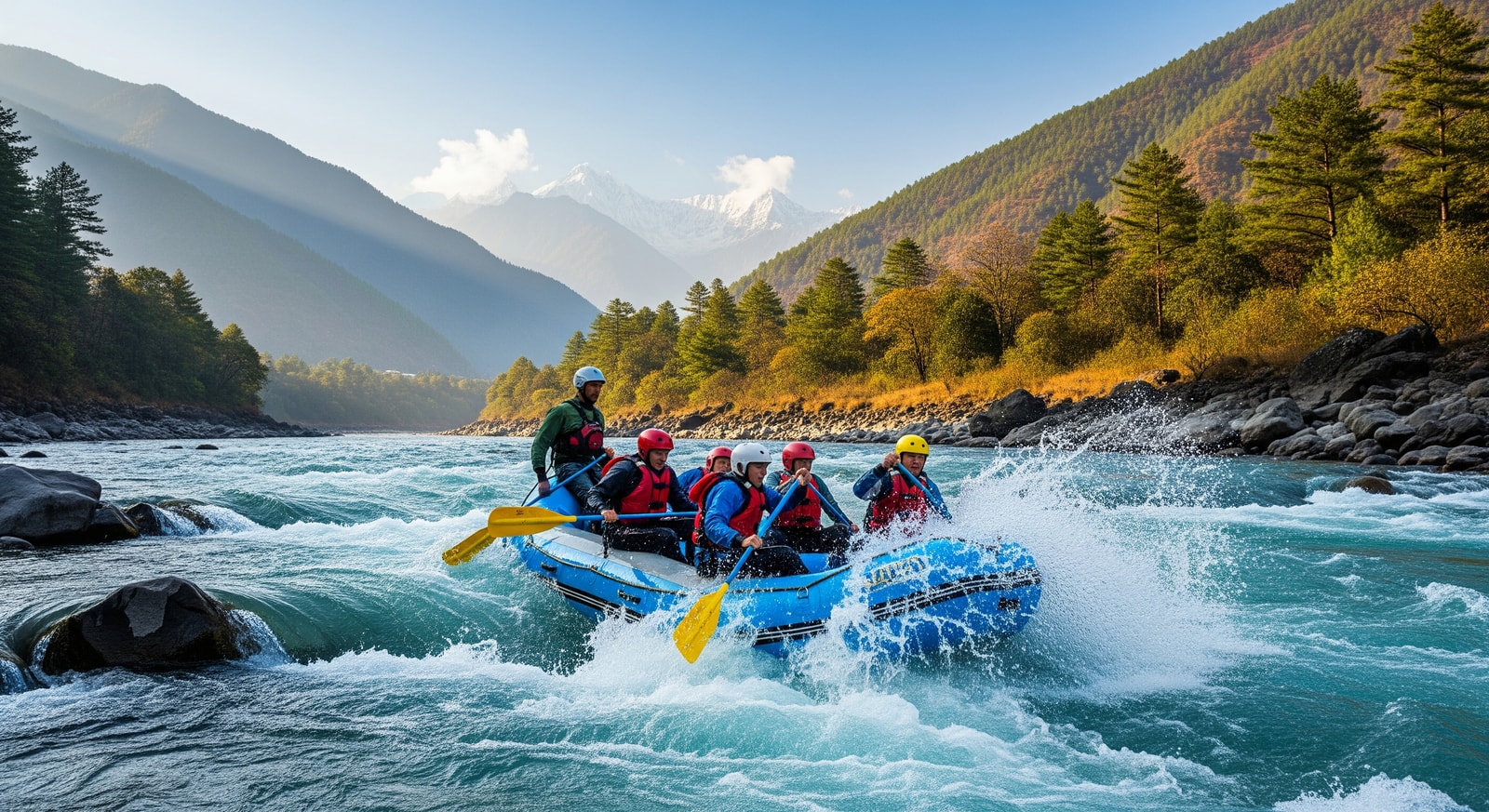
2. White‑Water Rafting on Glacier‑Fed Rivers
Bhutan’s rivers originate in Himalayan glaciers, producing cold, clear water that cuts through terraced fields and forested slopes. Rafting experiences combine adrenaline on rapids with scenic and cultural views, especially near landmarks such as Punakha Dzong.
- Mo Chhu (Female River): Gentle Class I–II rapids, suitable for beginners
- Pho Chhu (Male River): Stronger Class II–IV rapids for more experienced paddlers
- Mangde Chhu: Sustained Class II+ rapids offering a balanced challenge
- Dangme Chhu: Multi‑day excursions through Royal Manas National Park with calmer sections and wildlife viewing
Outfits provide helmets, life jackets and certified guides. Rapids deliver bursts of excitement while placid stretches reveal traditional farmhouses and riverside scenery. Rafting is generally recommended in spring and autumn and avoided during the monsoon.
3. Mountain Biking Through Alpine Passes
Bhutan’s mountain roads and remote trails suit cyclists seeking altitude and solitude. Climbs demand steady effort in thinner air while descents offer long views and fast stretches, occasionally interrupted by grazing yaks and village traffic.
- Paro Valley: Gentle routes through agricultural landscapes and cultural sites
- Chele La Pass: Climbs to 3,988 metres, the highest motorable pass in Bhutan
- Punakha–Thimphu: Route over Dochula Pass at 3,100 metres with mixed road surfaces
- Bumthang Valley: Remote trails in eastern Bhutan past ancient bridges and monasteries
4. Paragliding Above Himalayan Valleys
Paragliding in Bhutan offers rare aerial perspectives of valleys, monasteries and ridgelines. Paro Valley is the most popular launch area, with Ura Valley in Bumthang offering a quieter alternative. Tandem flights are available with certified pilots, typically lasting 15 to 30 minutes and best attempted in stable morning conditions.
5. Camping Under Himalayan Skies
Camping options range from basic trekking camps beside alpine lakes to luxury glamping near Paro and Punakha. Riversides along rafting routes, especially the Dangme Chhu corridor, allow overnight stays with wildlife-viewing opportunities. Evenings commonly feature campfires and local dishes such as ema datshi; nights reveal a vivid Milky Way and morning frost at high elevations.
Bhutan’s Adventure Identity on the Global Stage
Compared with larger adventure hubs in Nepal and China, Bhutan has carved a niche by limiting visitor numbers and prioritising ecological protection and cultural preservation. The result is an experience that pairs physical challenge with a disciplined, thoughtful approach to wilderness travel.
Why this matters: For travellers, Bhutan adventure options mean access to rare, well‑managed high‑altitude experiences that emphasise safety and sustainability. For the industry, Bhutan’s model demonstrates how regulated tourism can protect fragile environments while still offering compelling adventure products. So what? If you value pristine landscapes, cultural immersion and responsible operations, Bhutan remains one of the most distinctive high‑altitude destinations to consider.
Sources