Bali floods on February 23–24, 2026 caused widespread travel disruption, with flights diverted and hotels relocating guests amid heavy rain and safety alerts.
Summary: Bali floods on February 23–24, 2026 triggered flight diversions and hotel evacuations across Denpasar, Badung, Kuta and Legian. Ngurah Rai Airport operated with delays; some international services were rerouted. No fatalities were reported.
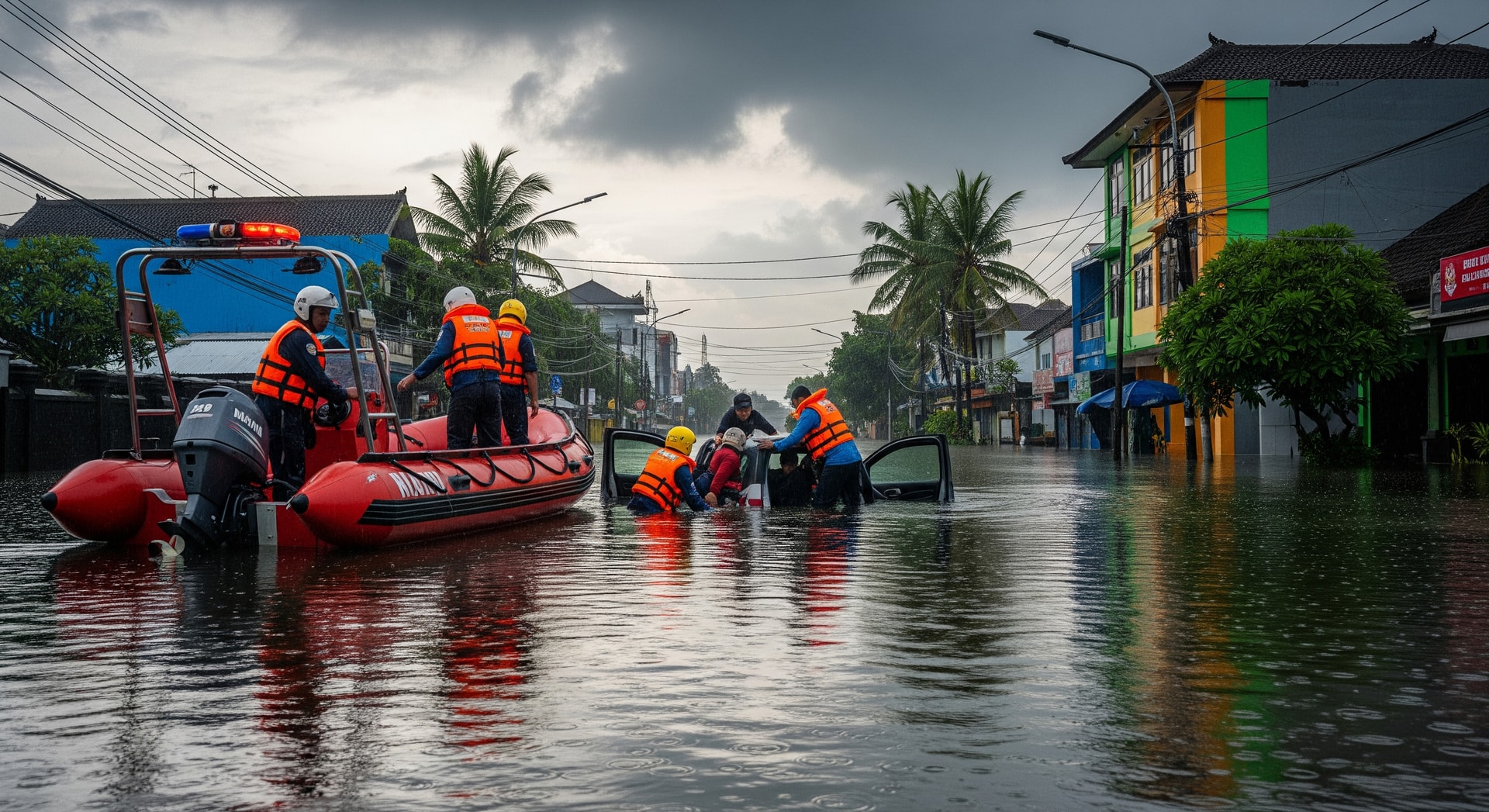
Intense monsoon rainfall on February 23–24, 2026 left streets in Denpasar, Badung, Kuta and Legian under water and prompted emergency responses across Bali’s main tourist districts. The Bali floods forced temporary relocations of several hundred people, disrupted international flight schedules at Ngurah Rai International Airport and led to short-term evacuations in low-lying hotel areas.
Flight disruptions and airport operations
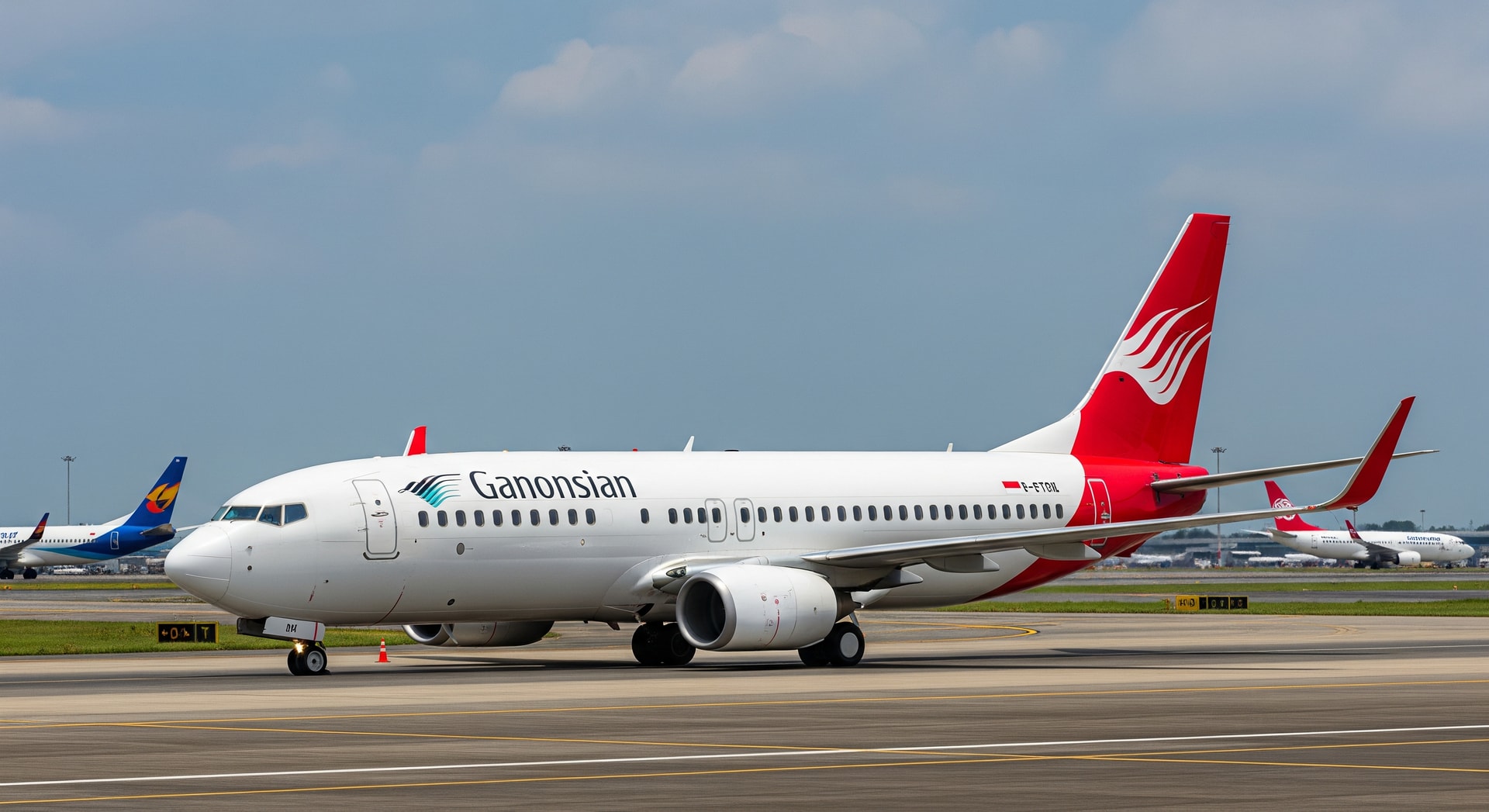
Ngurah Rai International Airport stayed open but experienced reduced visibility and longer aircraft turnaround times. Airlines reprioritised safety, resulting in diverted services and multiple departure delays as crews managed congested ramps and adverse conditions.
Indonesia AirAsia diverted a Phuket–Denpasar flight to Jakarta before repositioning it, while a Cebu Pacific service from Manila was rerouted to Makassar. Carriers affected included Qantas, AirAsia, Singapore Airlines, Garuda Indonesia, Jetstar and regional operators that feed long‑haul services through hubs such as Singapore and Kuala Lumpur.
Weather warnings and safety measures
Indonesia’s meteorology agency issued red-level alerts for heavy rain, strong winds and high southern waves, forecasting winds of up to around 45 km/h and potential wave heights nearing four metres. Airlines and ground teams monitored updates closely and implemented contingency procedures to protect passengers and crews.
Hotel responses and guest safety
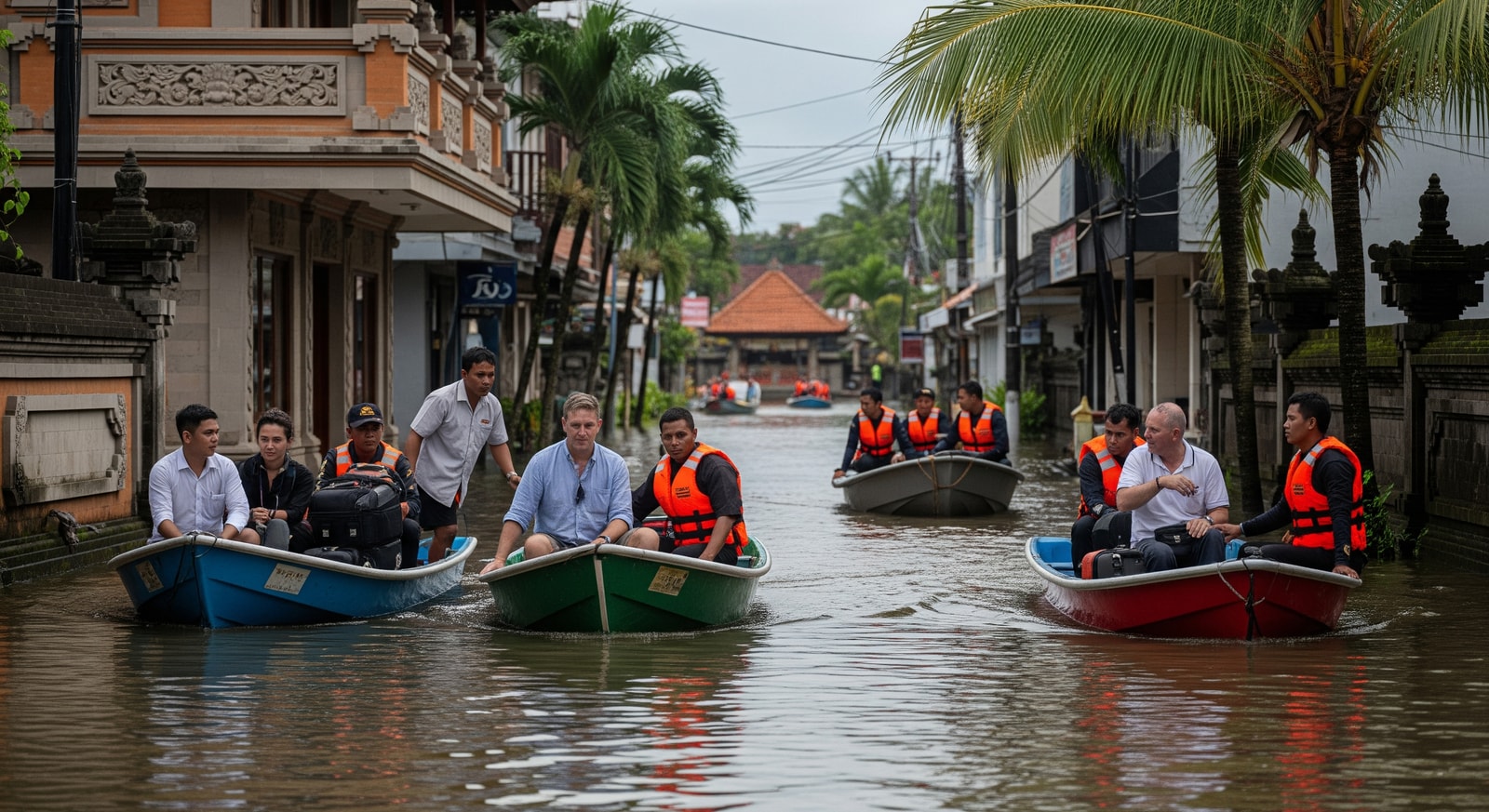
Hotels across Nusa Dua, Seminyak, Ubud, Legian and Kuta activated emergency protocols. Staff moved guests out of ground-floor rooms, deployed pumps and coordinated temporary transfers to alternative properties. Around 350 people sought refuge as waters rose, including approximately 30 foreign tourists who were evacuated from affected zones.
Who was affected and travel patterns
Bali remains a major international destination: the island recorded nearly 6.95 million direct foreign arrivals in 2025. Australia was the largest source market, contributing more than 1.6 million visitors, followed by growing volumes from India and China. India sent 569,260 visitors in 2025 while China contributed over 537,000 arrivals.
Short-term disruptions primarily affected connectivity for passengers travelling from Australia, India, China, the United States and the United Kingdom, particularly those relying on tight connections through hubs such as Singapore and Kuala Lumpur.
Operational and industry impacts
Diversions and delays carry immediate costs for airlines — added fuel use, re-accommodation and extended crew duty times — but the event was short-lived and did not indicate a structural drop in demand. Bali’s December 2025 figures—over 572,000 foreign visitors that month—illustrate resilient year‑end travel appetite.
- Immediate impacts: flight diversions, departure delays, guest relocations
- Safety outcomes: no fatalities reported during the February event
- Infrastructure stress: drainage and ground‑floor areas most affected
- Industry response: hotels and airlines prioritised emergency procedures
Advice for travellers planning Bali trips
- Check weather forecasts and official advisories daily.
- Monitor airline apps for real‑time flight updates.
- Allow extra time for airport transfers during heavy rain alerts.
- Book flexible accommodation and travel insurance that covers weather disruptions.
- Request higher-floor rooms in coastal hotels during monsoon months.
Bali’s tourism sector continues to invest in resilience — improved drainage, hotel preparedness and earlier warning systems — but climate volatility means sudden events are now an operational reality for airlines, hoteliers and visitors.
So what? For travellers and industry stakeholders the Bali floods underline the importance of planning for weather-related interruptions. While demand for Bali remains strong, building flexibility into itineraries and choosing accommodation with clear safety measures can reduce disruption risk and ensure a quicker return to normal travel plans.
Sources