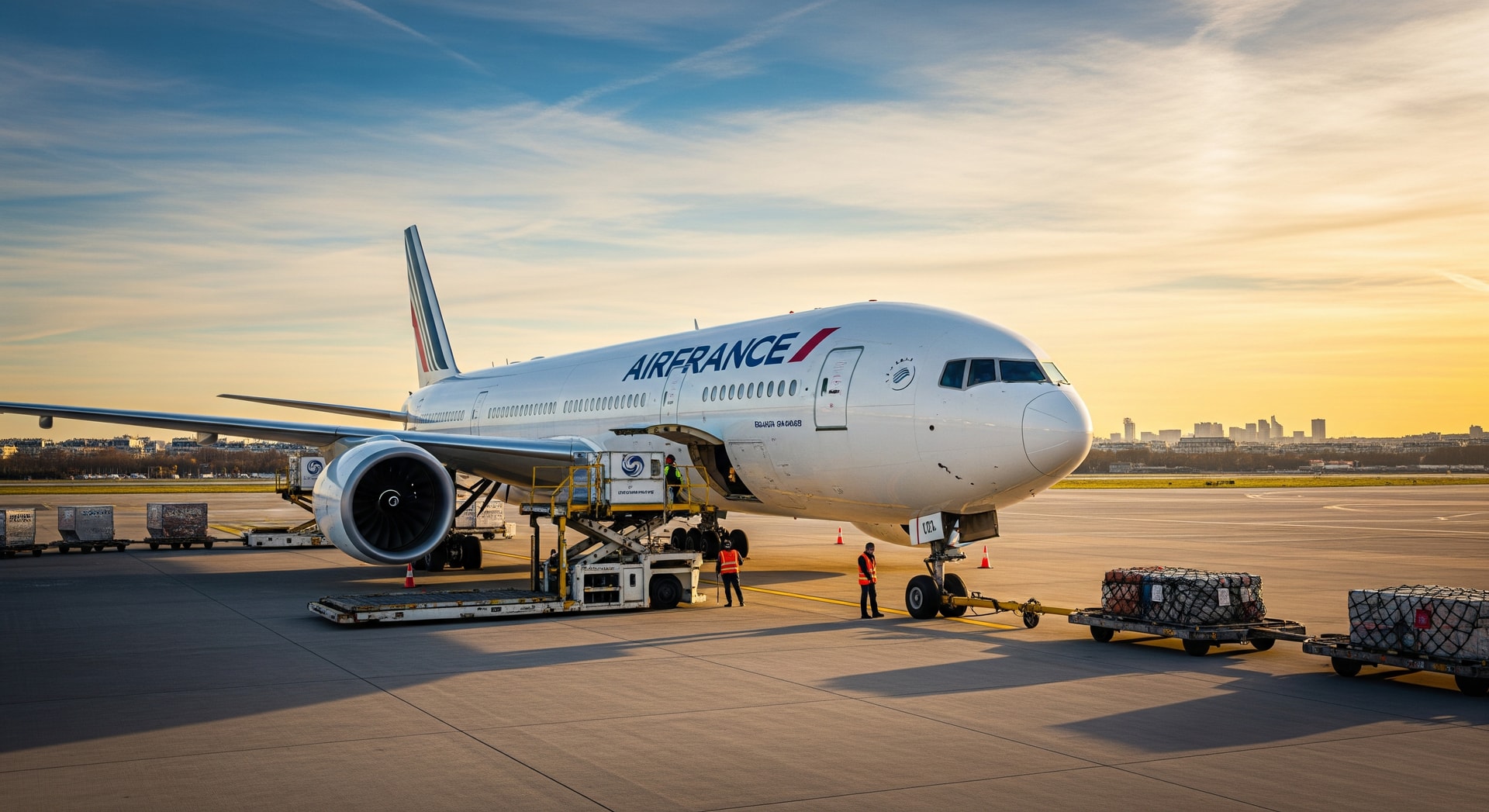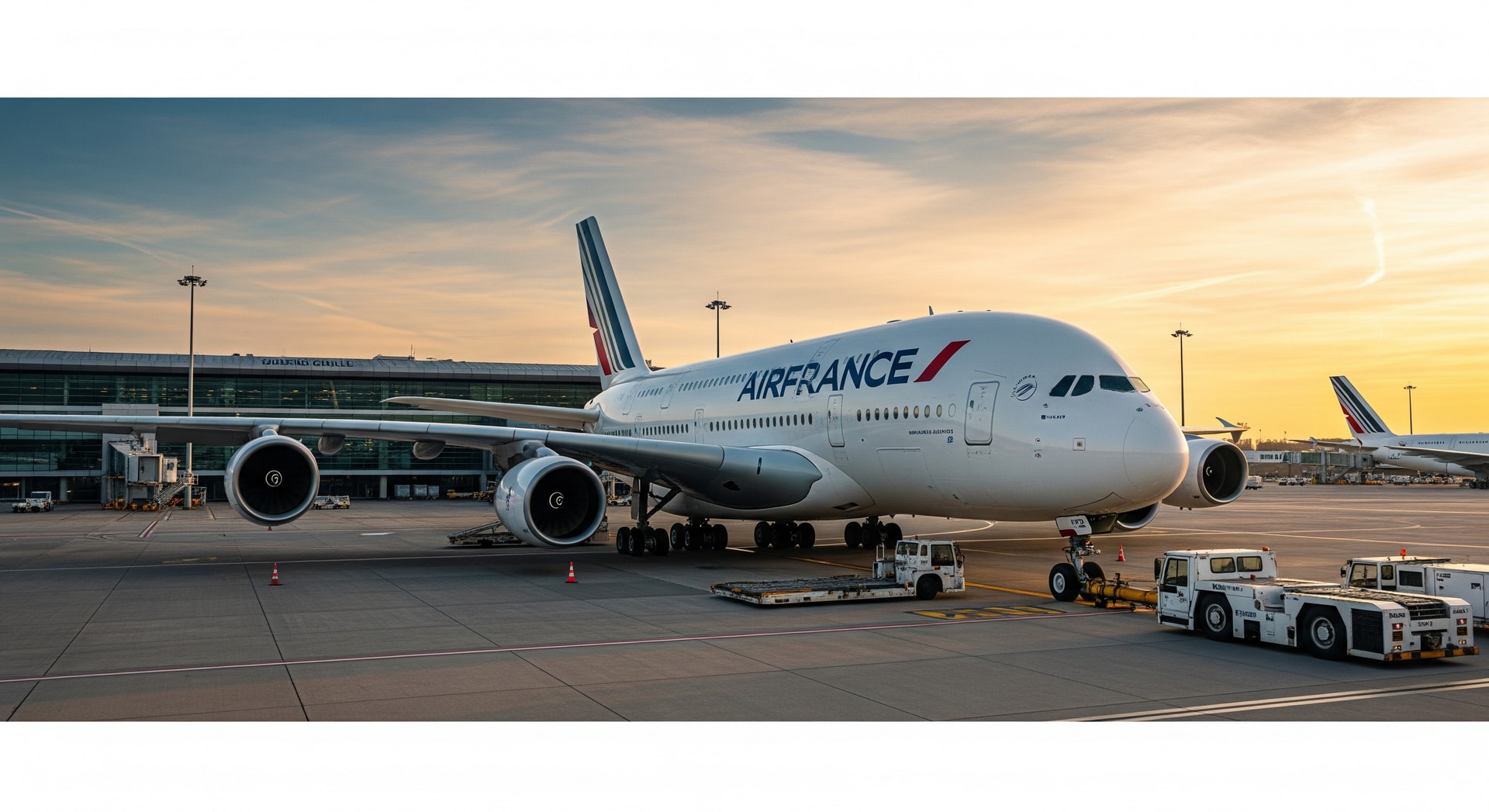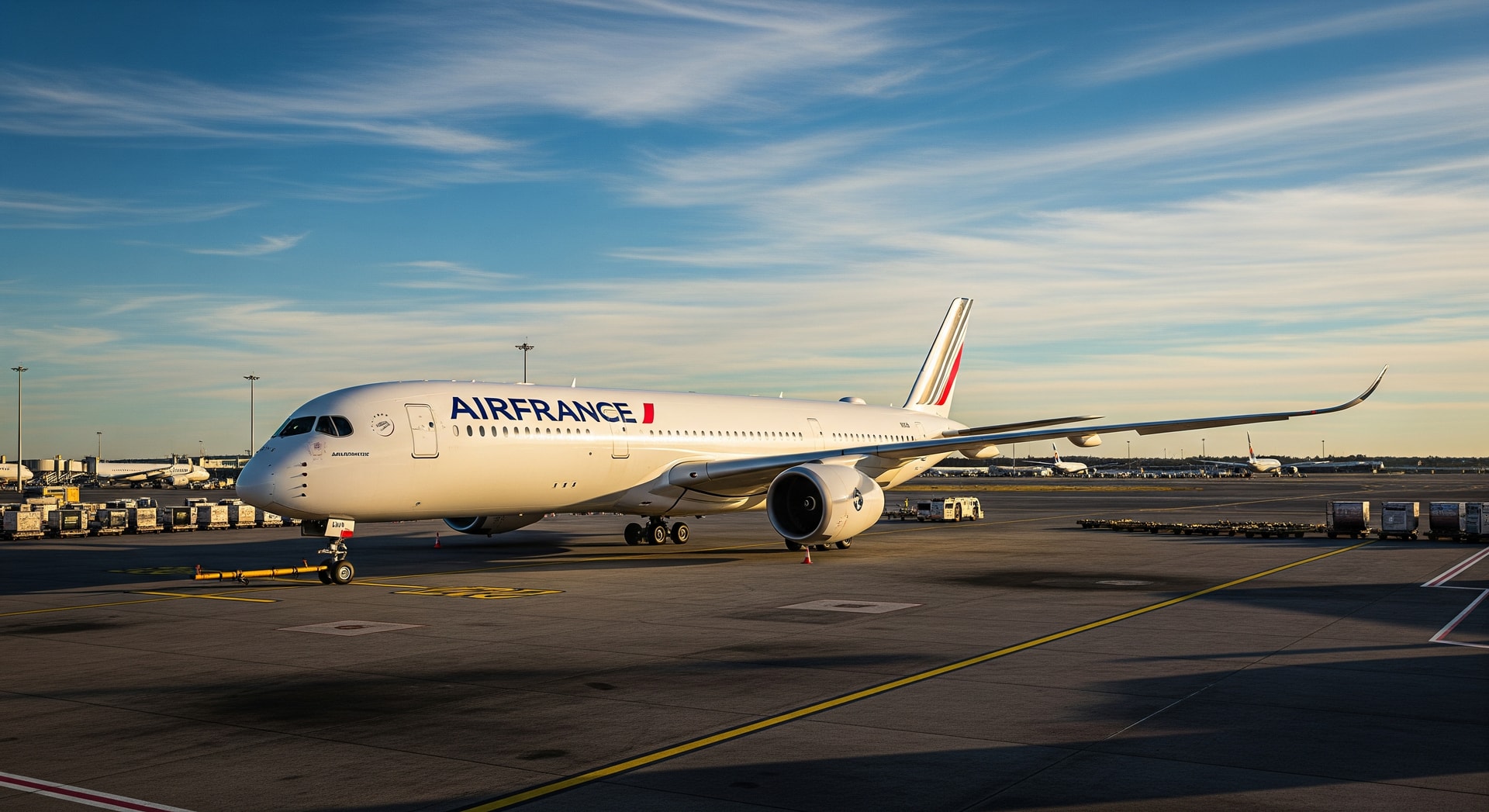
Air France AF702 emergency landing in Abidjan occurred after the A350-900 taxied into a restricted military area, leaving the aircraft stuck and provoking flight cancellations and inspections.
Summary: Air France flight AF702, an A350-900 carrying 283 passengers and 12 crew, made an emergency landing in Abidjan on 3 February 2026 and subsequently taxied into a restricted military area, becoming stuck. The incident delayed disembarkation, led to the cancellation of the return AF703, and prompted technical inspections; no injuries were reported.
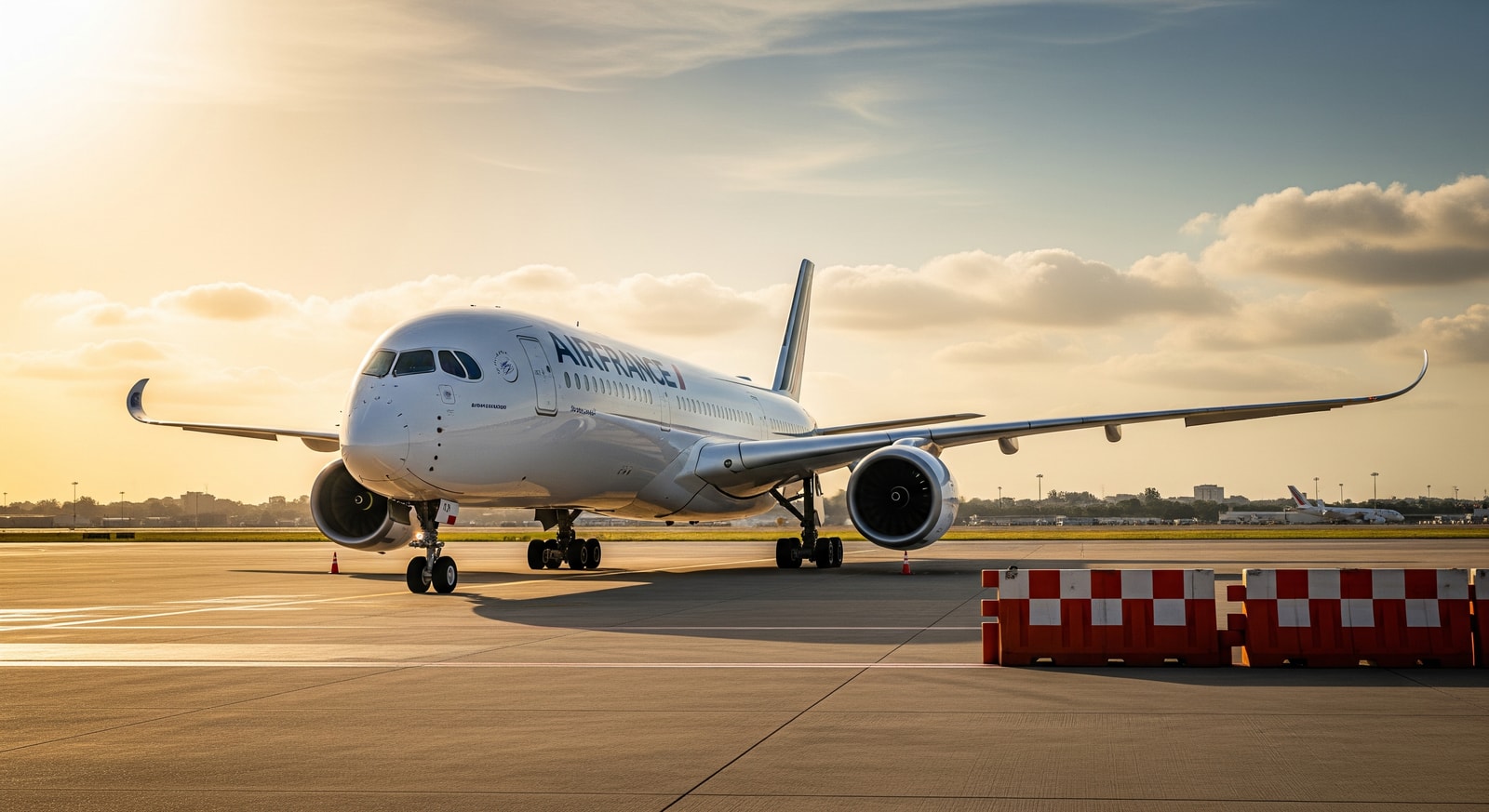
Air France AF702 emergency landing in Abidjan unfolded on 3 February 2026 when an Airbus A350-900 operated by Air France inadvertently taxied into a restricted military zone after landing, becoming immobilized and triggering operational disruption. The flight had departed Paris-Charles de Gaulle and carried 283 passengers and 12 crew members.
What happened during the landing
The aircraft, an Airbus A350-900 with tail number F-HUVM, completed its flight from Paris-Charles de Gaulle and touched down on Runway 03 at Félix Houphouët-Boigny International Airport in Abidjan at 19:27 GMT on 3 February 2026. While the touchdown was reported as normal, the aircraft later took a wrong turn during taxi and entered a military taxiway that was not suitable for the wide-body jet.
Aircraft became stuck in restricted area
Once the A350 entered the military zone it became wedged on narrower pavements and was unable to manoeuvre. Ground teams had to summon specialised towing equipment to extract the jet. Passengers and crew remained onboard while teams worked to remove the aircraft, extending the disembarkation process by several hours.
- Flight: Air France AF702 (Paris-Charles de Gaulle to Abidjan)
- Aircraft: Airbus A350-900, tail number F-HUVM
- Onboard: 283 passengers and 12 crew members
- Landing: Runway 03 at 19:27 GMT on 3 February 2026
Operational and passenger impact
The delayed disembarkation affected scheduling at the airport and forced the cancellation of the return service AF703 that night. Ground crews conducted a detailed inspection of the aircraft, focusing on the landing gear and tyres after the jet had traversed an unsuitable surface.
Air France dispatched a technical team from Paris to Abidjan to perform the required checks. Authorities reported no injuries among passengers or crew. Nonetheless, the incident has prompted scrutiny over ground navigation procedures at Félix Houphouët-Boigny Airport.
Security and regional implications
The aircraft's entry into a restricted military area raised immediate security concerns given the sensitivity of the zone. The episode has led industry observers to question air traffic control and ground routing practices at the airport and to call for reviews to prevent similar occurrences.
Observers have also noted potential reputational effects for Abidjan as an international gateway to West Africa, especially as carriers and travellers weigh safety and reliability when planning routes to the region.
So what? For travellers and airlines, the incident underscores the importance of robust ground procedures and clear taxiway routing at busy international airports. While no injuries occurred, delays and cancellations highlight potential ripple effects across networks.
Sources