Aer Lingus passport rule change will require a valid passport or Irish Passport Card for all passengers travelling between the UK and Ireland from 25 February 2026.
Summary: Aer Lingus will require a valid passport or Irish Passport Card for all passengers travelling between the UK and Ireland from 25 February 2026, ending widespread use of alternative photo ID on these routes.
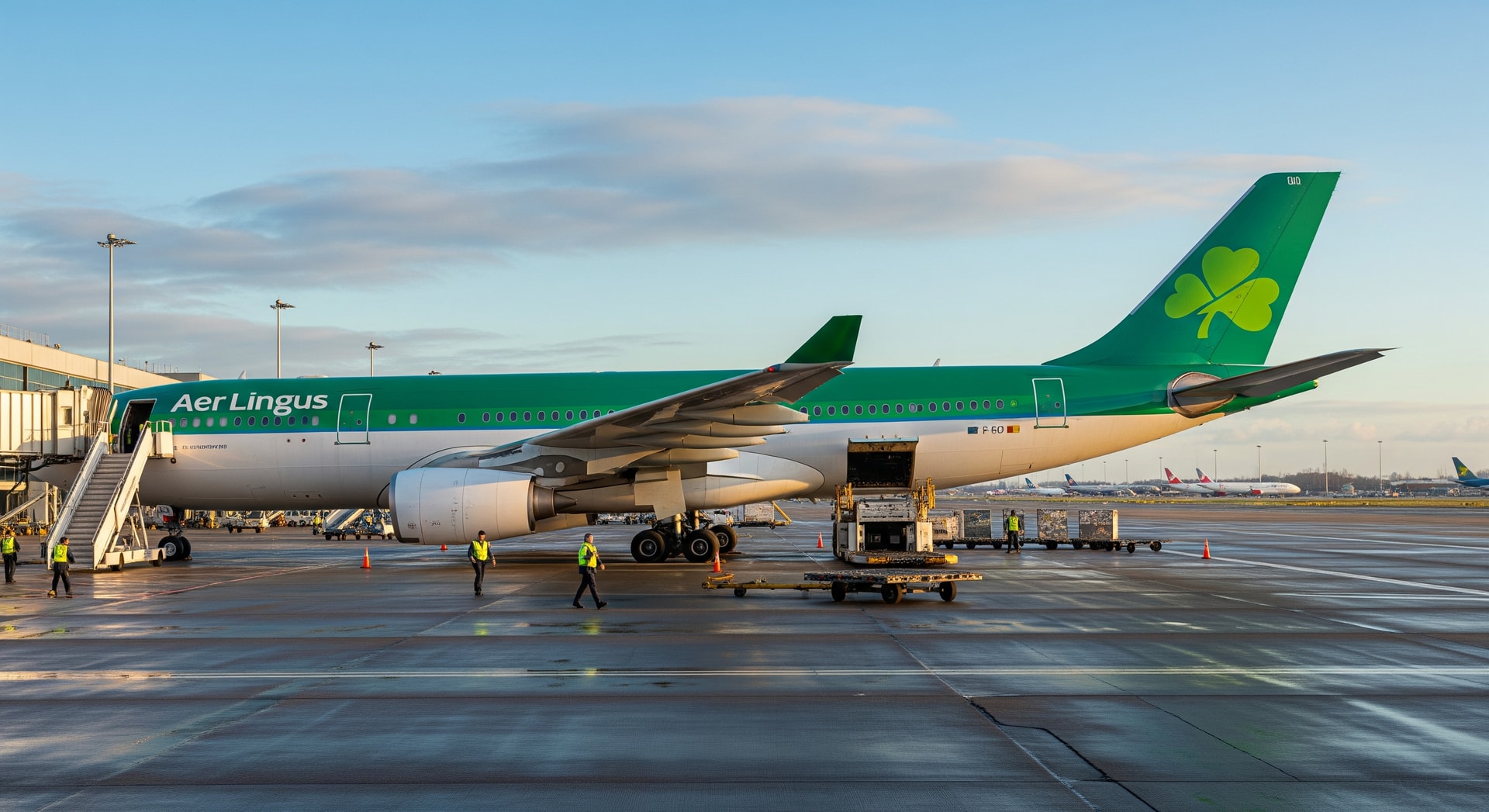
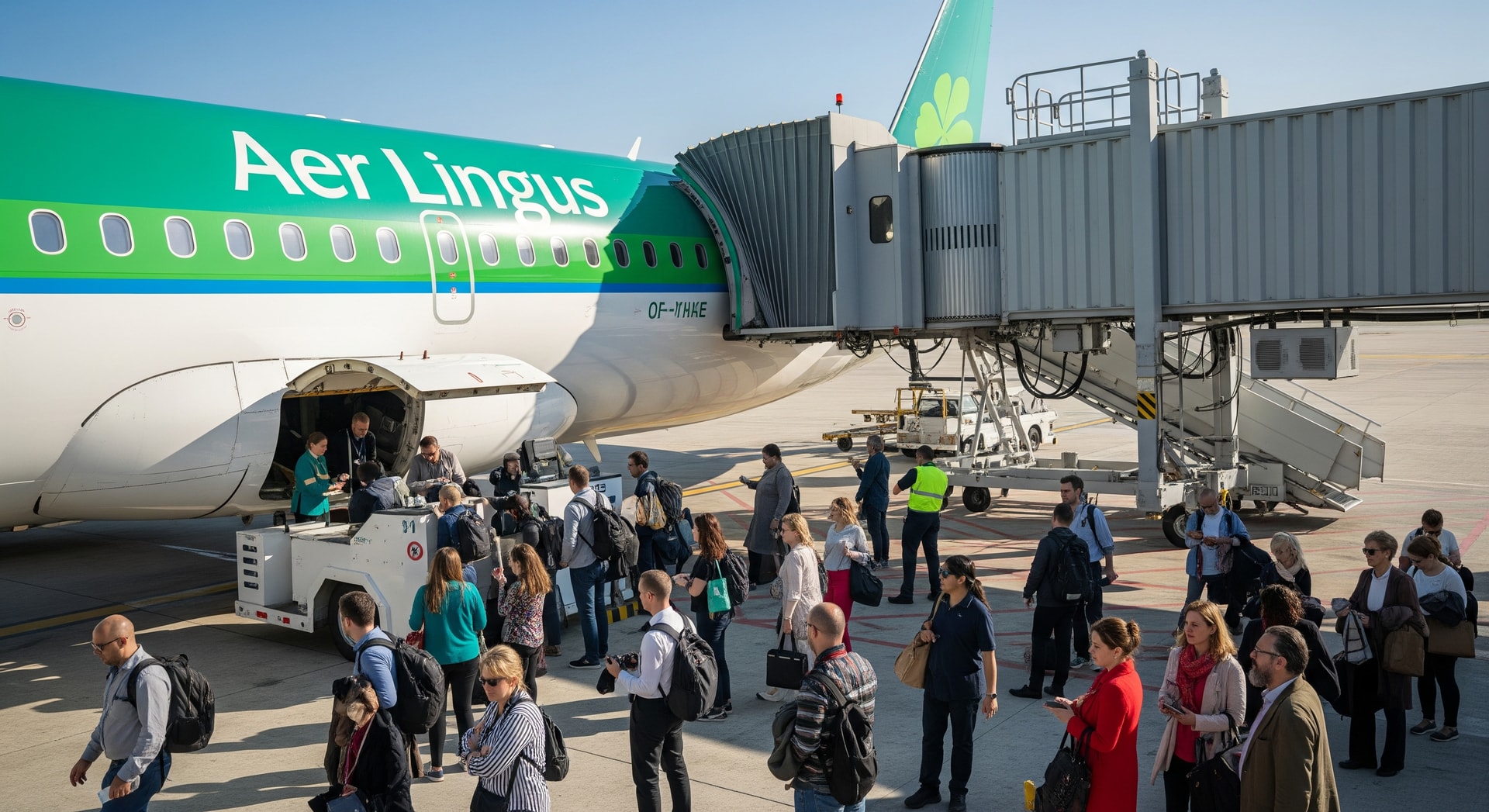
Aer Lingus passport rule change means that, starting 25 February 2026, every passenger flying between the United Kingdom and the Republic of Ireland must present a valid passport or an Irish Passport Card. The airline says this will apply at check-in and boarding across its network.
What is changing?
For many years travel across the Irish Sea benefited from the Common Travel Area’s flexible approach to identification. Aer Lingus and its regional partners commonly accepted a range of photographic ID — such as driving licences or work ID — for British and Irish citizens on flights between the two jurisdictions.
Under the new policy those alternative forms of ID will no longer be accepted at check-in or boarding. Whether flying from London to Dublin or Manchester to Cork, passengers will need either a passport book or the Irish Passport Card to travel.
Why now? Airline and border reasons
Aer Lingus said the change is designed to "ensure consistency across the network" and "improve operational performance." The carrier argues that a single, standard document requirement reduces confusion for staff and passengers and helps avoid delays caused by unfamiliar or inconsistent forms of identification.
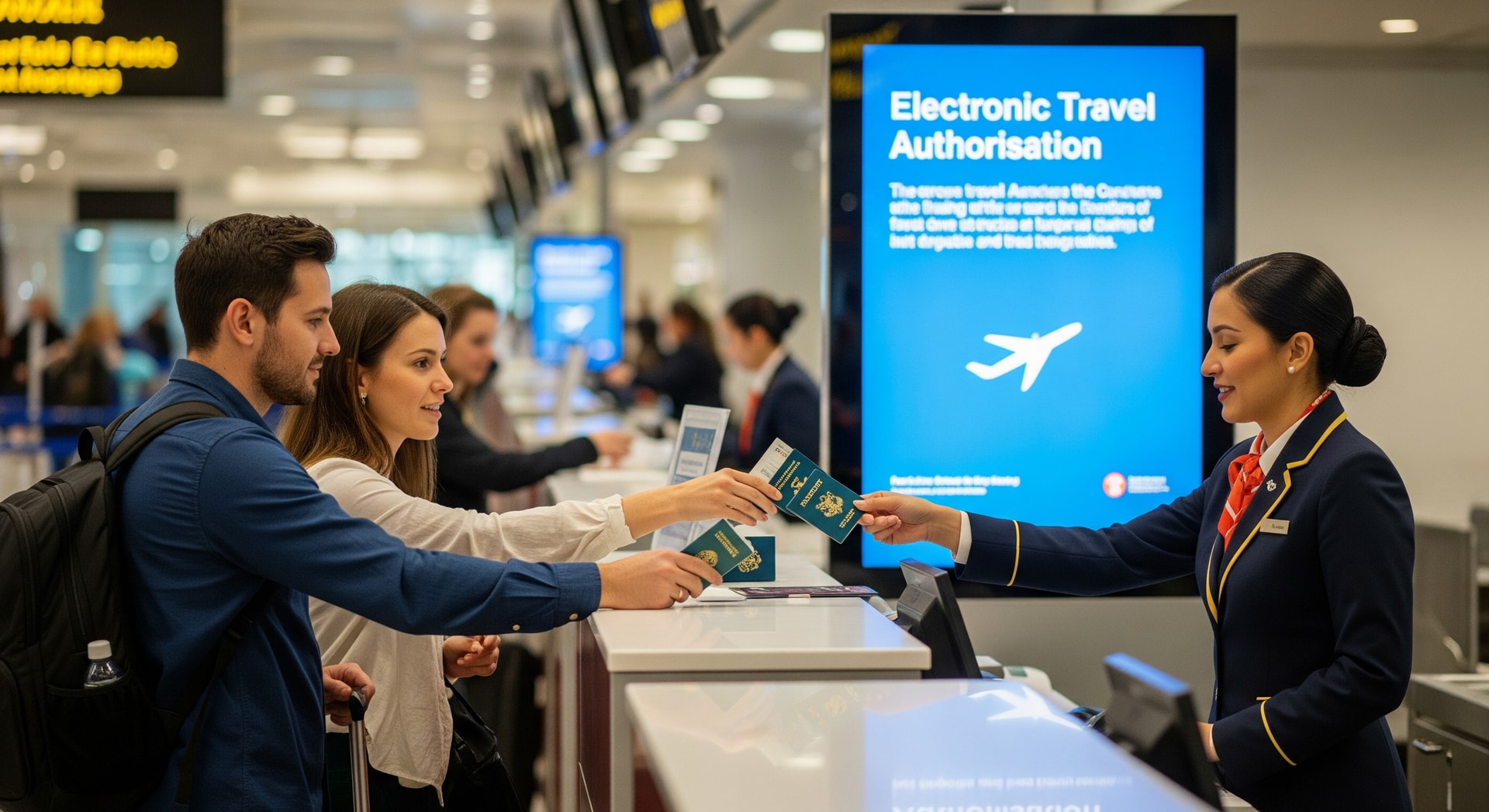
The update also dovetails with the UK’s wider rollout of the Electronic Travel Authorisation (ETA) system. Although British and Irish citizens are not required to obtain an ETA, airlines must more rigorously confirm the nationality of travellers to prevent non‑exempt passengers from boarding without necessary digital permissions.
Who is affected?
- Irish and British citizens: Must carry a valid passport or an Irish Passport Card.
- International passengers: Non‑British/Irish nationals still require a passport and, where applicable, a visa or UK ETA.
- Domestic flights: Journeys that remain within the UK (e.g., Belfast to London) or within Ireland (e.g., Dublin to Donegal) are exempt from this change, though standard airline photo ID rules apply.
Frequent travellers who have relied on driving licences will need to reassess their travel documents. Many Irish flyers may opt for the compact Irish Passport Card rather than carry a passport booklet for short trips.
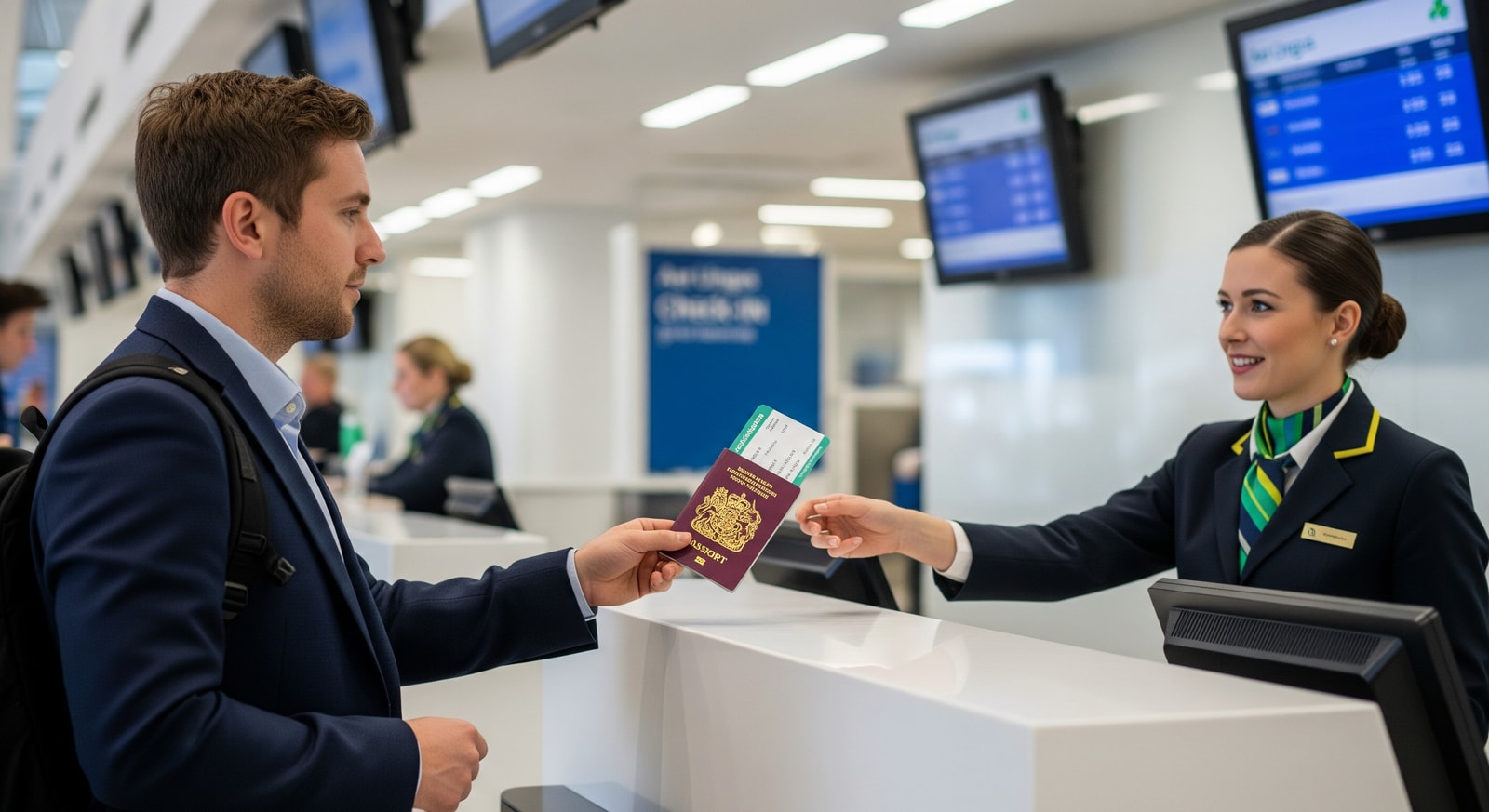
Practical impacts for travellers
The move represents a shift in expectations: journeys that once required only a driving licence now align with routine international travel checks. The intention is to reduce the number of passengers turned away at the gate and to create a predictable documentation standard across routes.
Key dates and traveller advice
- Check your passport expiry if travelling on or after 25 February 2026.
- Apply early for a passport or Irish Passport Card to avoid processing delays.
- If travelling with non‑British/Irish family or friends, confirm whether they need a UK ETA or visa.
- Monitor Aer Lingus’ official Travel Updates page for any adjustments to carrier policy.
So what? For travellers, the immediate takeaway is simple: carry a passport. For the industry, this change tightens document checks on one of Europe’s busiest short‑haul corridors and reflects a broader shift toward standardised, digitally supported border controls.
Sources