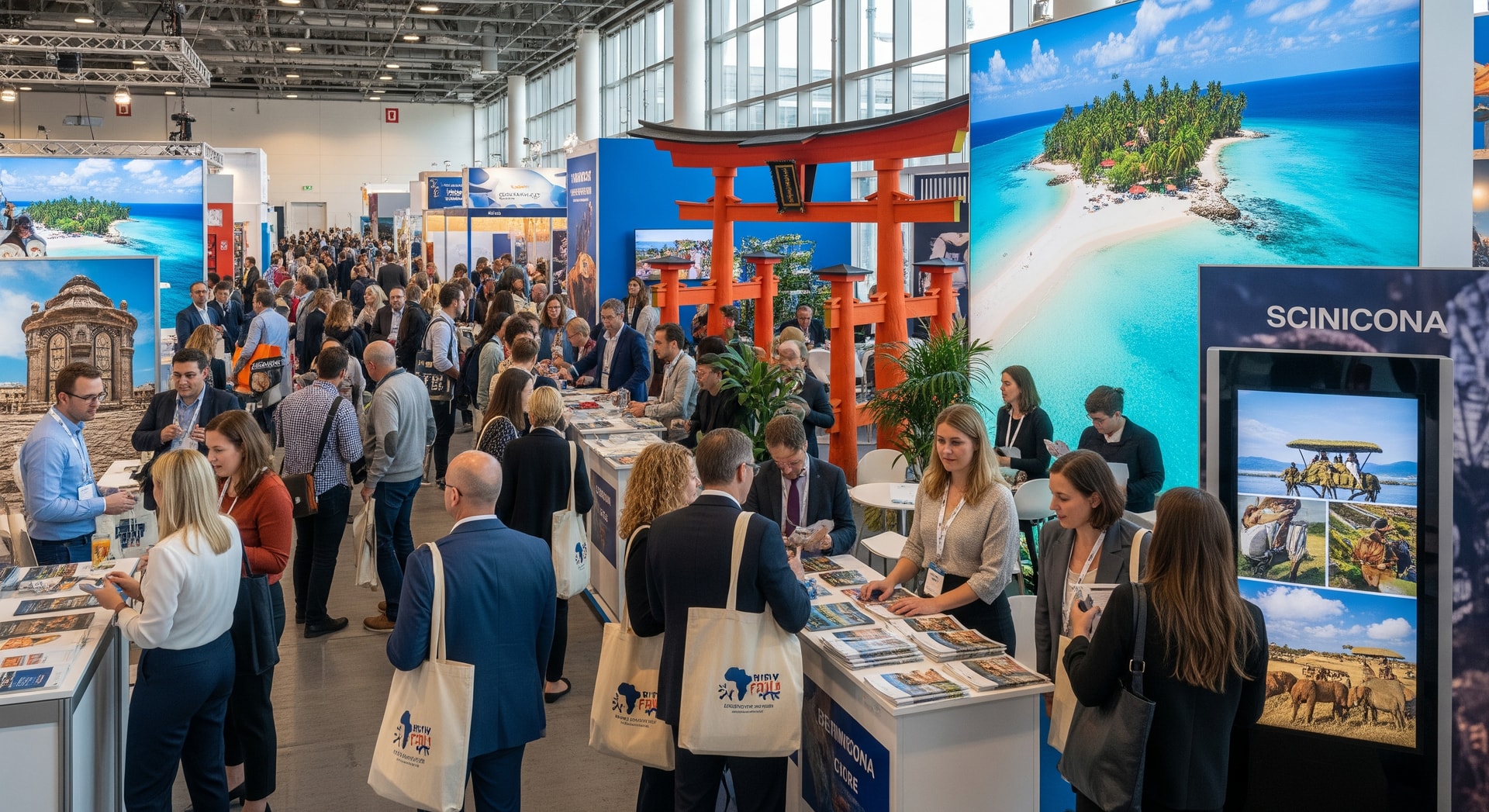
The U.S. hotel industry is forecast to see a modest recovery in 2026, with RevPAR expected to rise 0.6% helped by the FIFA World Cup and improving demand in key markets.
Summary: Analysts expect a modest recovery in the U.S. hotel industry in 2026, with RevPAR up 0.6%. Demand should rebound (+0.4%) following a 0.5% dip in 2025. ADR growth of 1% and FIFA World Cup-related demand in host cities should help stabilise performance.
The U.S. hotel industry enters 2026 with cautious optimism after a difficult 2025. Forecasts point to a modest 0.6% increase in Revenue per Available Room (RevPAR) as several positive factors — most notably the FIFA World Cup and a more favorable calendar — are expected to lift demand in select markets.
Market outlook for 2026
After 2025’s unusual decline — the first non-recessionary drop in RevPAR on record — the sector is expected to steady. The projected 0.6% RevPAR increase is driven by a slight recovery in demand and modest upward pressure on room rates as conditions normalize across segments and regions.
Demand dynamics and segment performance
Demand patterns are expected to vary by hotel type. Mid-tier and luxury properties should see some relief, while select-service and economy hotels may continue to face headwinds. Average Daily Rate (ADR) growth is forecast at 1.0%, a slight increase from prior expectations.
- 2025 demand: -0.5%
- 2026 demand forecast: +0.4%
- RevPAR forecast for 2026: +0.6%
- ADR growth forecast: +1.0% (previously 0.9%)
- Group demand 2025: -1.8%; group ADR rose 4.0%
Weather-related disruptions also weighed on 2025 performance. Hurricane Milton and Hurricane Helene displaced bookings in several regions; as those impacts fade, demand is expected to strengthen later in 2026.
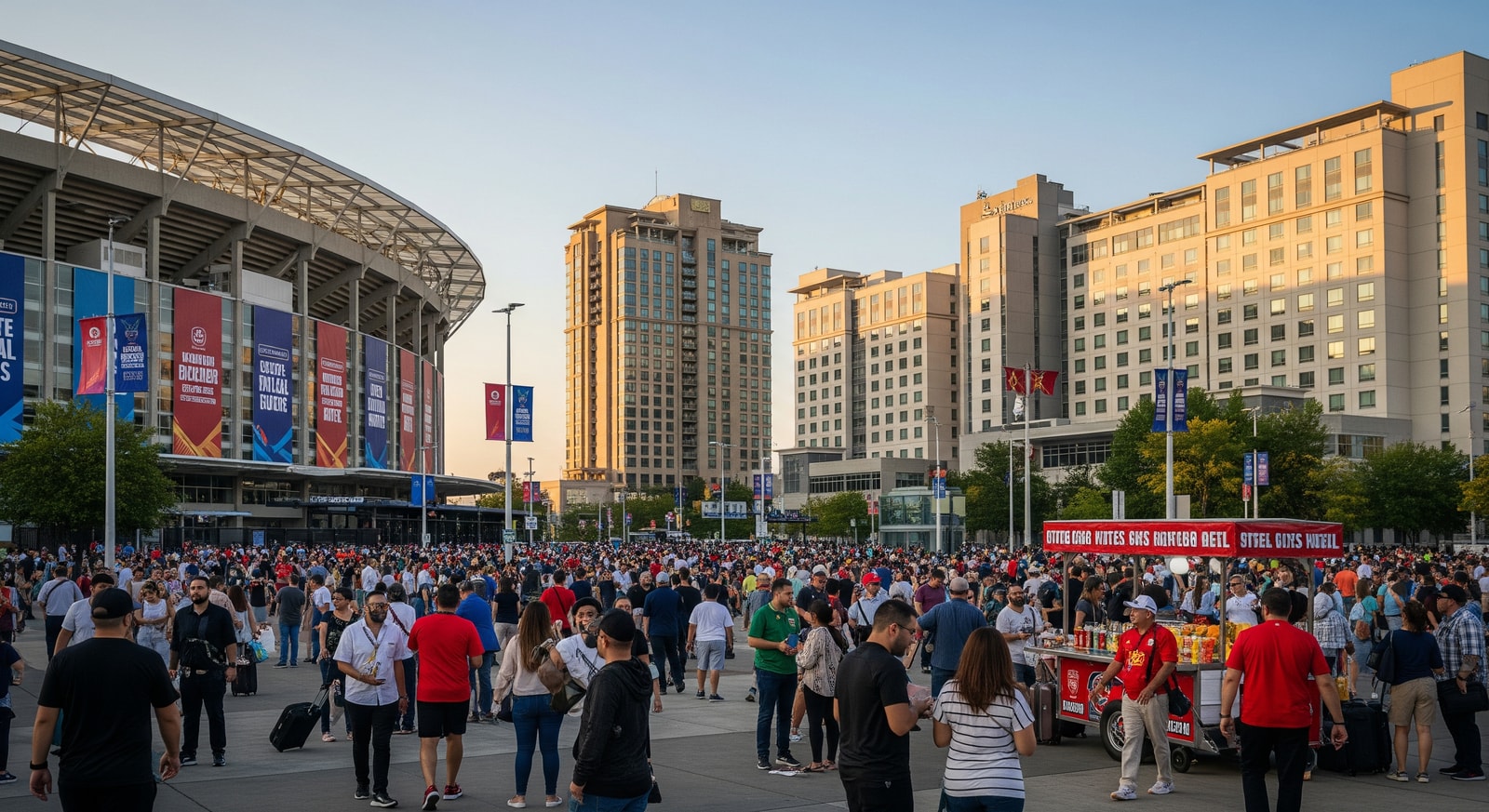
FIFA World Cup and international demand
The summer 2026 FIFA World Cup is expected to provide a measurable uplift, especially in match-hosting cities. Across the U.S., Canada and Mexico, the tournament could contribute about a 0.4% boost to RevPAR in those markets, as fans from key footballing nations generate inbound demand.
International arrivals to the United States are projected to increase by 3.7% in 2026, helping overall room revenue. Analysts estimate the World Cup will add roughly 1.1% to RevPAR in cities hosting matches. Outbound U.S. travel is also expected to rise, with a 4.6% increase forecast for 2026 following a 4.7% gain in 2025.
Supply trends and conversions
Hotel supply growth should be subdued in 2026, with an expected increase of 0.7%, revised down from 0.9%. There are about 767,000 rooms in the development pipeline, but only 19% of those are currently under construction, which limits near-term additions to stock.
Conversions are on the rise: nearly 1,900 hotels underwent conversions in 2025, the highest annual total since 2016. Owners appear to be preferring conversions over new builds amid higher construction costs and financing challenges.
Long-term view and pricing pressure
Looking past 2026, growth is expected to remain modest. RevPAR is projected to rise 1.4% in 2027 and 2.0% in 2028, with ADR the main growth contributor though likely to lag inflation. The recovery is anticipated to be gradual and sensitive to global economic and geopolitical developments.
Travel tips for 2026
- Book early for World Cup match dates — expect higher prices and limited availability.
- Reserve hotels near convention centers early if travelling for conferences or business events.
- Monitor ADR trends and look for off-peak promotions to save on premium markets.
- Choose flexible booking options to manage pricing volatility and last-minute changes.
Why this matters: For travelers and industry stakeholders, 2026 promises a cautious return to steadier performance. Event-driven demand and constrained near-term supply should support rates in key markets, but variability across segments means careful planning remains essential. So what? If you’re travelling to host cities during major events or attending conferences, expect higher rates and limited availability — booking early and choosing flexible options will help manage costs and risk.
Sources