
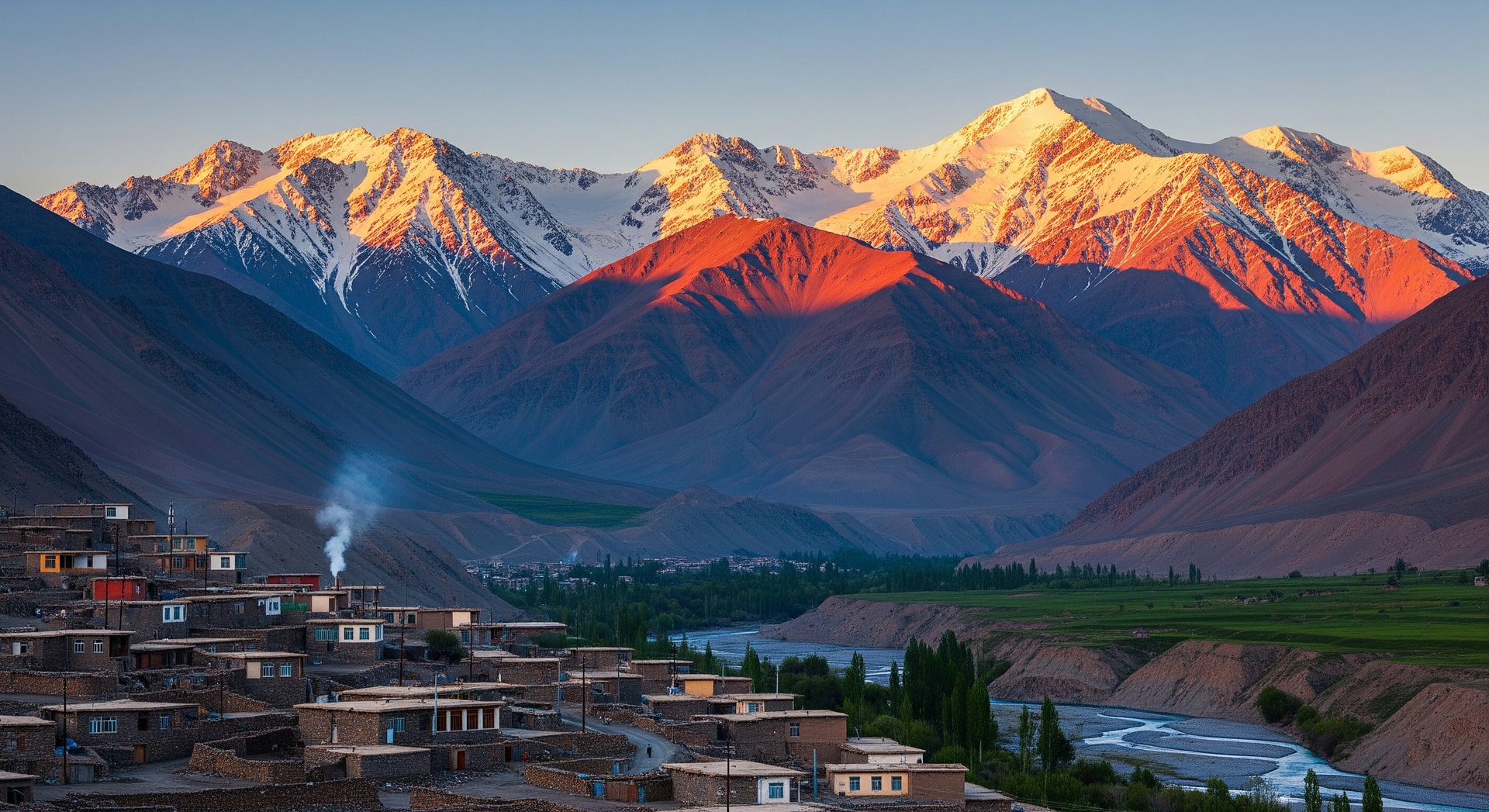
Tajikistan stands as one of Central Asia's most breathtaking and least-visited destinations — a mountainous wonderland where the ancient Silk Road carved its way through dramatic passes, where hospitable communities welcome travelers with genuine warmth, and where the legendary Pamir Highway offers one of the world's greatest road journeys through landscapes of staggering beauty. This small but spectacular nation, dominated by the soaring Pamir Mountains that form the western extension of the Himalayas, rewards adventurous travelers with experiences unavailable anywhere else on Earth: pristine alpine lakes reflecting snow-capped seven-thousanders, ancient fortresses perched on rocky outcrops, hot springs bubbling beneath glacier-clad peaks, and encounters with welcoming Pamiri and Tajik communities whose hospitality traditions date back centuries along Silk Road trading routes.
Understanding Tajikistan's visa requirements is essential for any traveler planning to explore this remarkable country. The good news is that Tajikistan has modernized its entry procedures significantly, introducing an efficient e-Visa system that allows travelers from most countries to apply entirely online without visiting embassies or mailing documents. For those planning to travel the famous Pamir Highway through Gorno-Badakhshan Autonomous Oblast (GBAO), an additional permit is required — but this too can now be obtained through the same convenient online system.
This comprehensive guide covers everything you need to know about visiting Tajikistan in 2026, including the e-Visa application process, GBAO permit requirements, documentation needed, practical entry information, and essential tips for experiencing the extraordinary landscapes and cultures of the Pamir region. Whether you're a seasoned overlander planning the complete Pamir Highway adventure, a trekker seeking world-class mountain wilderness, or a cultural traveler drawn by Silk Road history, this guide prepares you for an unforgettable journey through the Roof of the World.
Tajikistan Entry Requirements Overview
Tajikistan has progressively modernized its visa system to encourage tourism while maintaining necessary border controls for this strategically located nation sharing borders with Afghanistan, China, Kyrgyzstan, and Uzbekistan. The country now offers an efficient electronic visa system that has dramatically simplified the application process compared to the previous embassy-based procedures that required physical document submission and often lengthy processing times.
All visitors to Tajikistan must hold a valid passport with at least six months remaining validity from the date of entry and at least two blank pages for visa stamps and entry marks. The e-Visa system covers most nationalities, with the notable exception of citizens from CIS countries who benefit from separate bilateral agreements allowing visa-free or simplified entry. Immigration procedures at Dushanbe International Airport and land border crossings have improved significantly in recent years, though travelers should still allow adequate time for processing, particularly at busy overland checkpoints.
A crucial aspect of Tajikistan travel planning involves understanding the separate permit requirement for Gorno-Badakhshan Autonomous Oblast (GBAO), the mountainous eastern region that contains the Pamir Highway and most of Tajikistan's spectacular high-altitude scenery. This permit is distinct from the e-Visa but can conveniently be applied for simultaneously through the same online portal. Without the GBAO permit, travelers cannot legally enter the Pamir region — a restriction that is actively enforced at checkpoints along the highway and can result in fines and removal from the restricted area.
Tajikistan's tourism infrastructure continues to develop rapidly, with increasing numbers of guesthouses, improved road conditions on major routes, and growing awareness among local businesses of international travelers' needs. However, this remains an adventurous destination requiring flexibility, patience, and proper preparation. Understanding the visa and permit requirements thoroughly before arrival ensures you can focus on experiencing the extraordinary landscapes and warm hospitality that make Tajikistan such a special destination for intrepid travelers.

Tajikistan
Capital: Dushanbe
Currency: Tajikistani Somoni (TJS)
Language: Tajik, Russian
Timezone: UTC+5
Processing: 2-3 business days
Quick Facts
- Population: 10 million
- 93% mountainous terrain
- Home to Ismoil Somoni Peak (7,495m)
- Famous for: Pamir Highway, Silk Road history
Tajikistan Entry Quick Facts
e-Visa: Available for 120+ nationalities
Tourist visa validity: 60 days
Maximum stay: 45 days
GBAO permit: Required for Pamir region
Processing time: 2-3 business days
Passport validity: 6 months required
Understanding the Tajikistan e-Visa System
Tajikistan's electronic visa system represents a significant advancement in the country's tourism accessibility, allowing travelers from over 120 countries to apply for entry authorization entirely online through the official government portal. The e-Visa eliminates the need for embassy visits, document mailings, and the uncertainties that previously characterized Tajik visa applications. The system is straightforward, reliable, and has made Tajikistan significantly more accessible to international visitors seeking Silk Road adventures and mountain experiences.
The standard tourist e-Visa allows a single entry into Tajikistan with a validity period of 60 days from the issue date and a maximum stay of 45 days within the country. This generous timeframe accommodates most travel itineraries, from short cultural visits to Dushanbe and the Fan Mountains to extended Pamir Highway journeys combining multiple regional highlights. The e-Visa is valid for entry at all international airports and land border crossings, providing flexibility for travelers planning overland routes from neighboring Uzbekistan, Kyrgyzstan, or through the remote Wakhan Corridor border with Afghanistan.
Processing times for the Tajikistan e-Visa are remarkably quick compared to traditional visa procedures, with most applications approved within 2-3 business days. During peak travel seasons (June through September) or holiday periods, processing may occasionally take longer, so applying at least two weeks before your intended travel date is advisable. Once approved, the e-Visa is delivered electronically to the email address provided during application — travelers should print the visa document and carry it alongside their passport for presentation to immigration officials and at any security checkpoints encountered during travel.
The e-Visa system also offers the crucial option to simultaneously apply for the GBAO permit required for Pamir Highway travel. By selecting this option during the visa application and paying the additional permit fee, travelers can secure both authorizations through a single convenient process. This integration has simplified trip planning considerably for the many visitors whose primary interest in Tajikistan centers on the spectacular Pamir region and its legendary mountain highway.
Tajikistan e-Visa Types
| Visa Type | Validity | Max Stay | Fee (USD) |
|---|---|---|---|
| Tourist e-Visa | 60 days | 45 days | $50 |
| Tourist e-Visa + GBAO Permit | 60 days | 45 days | $70 |
| Business e-Visa | 60 days | 45 days | $70 |
| Group Tourist Visa (5+ people) | 60 days | 45 days | $35/person |
Apply for GBAO Permit with Your e-Visa
If you plan to travel the Pamir Highway or visit any part of Gorno-Badakhshan region, apply for the GBAO permit simultaneously with your e-Visa. It's cheaper and more convenient than obtaining it separately in Dushanbe, and ensures you have all necessary authorizations before arrival.
The GBAO Permit: Essential for Pamir Travel
The Gorno-Badakhshan Autonomous Oblast (GBAO) permit is a special travel authorization required for all foreign visitors entering Tajikistan's eastern mountainous region, which encompasses the entire Pamir Highway route, the spectacular Wakhan Valley bordering Afghanistan, the stunning alpine lakes of Karakul and Yashilkul, and virtually all of the country's most dramatic high-altitude scenery. This permit is separate from and additional to the standard Tajikistan visa, reflecting GBAO's special administrative status and its sensitive border locations adjacent to Afghanistan and China.
The GBAO region covers approximately 64,200 square kilometers — over 44% of Tajikistan's total area — yet contains only about 3% of the country's population. This vast and sparsely inhabited mountain realm includes some of the most spectacular landscapes in all of Central Asia: the Pamir Mountains reaching heights over 7,000 meters, ancient Silk Road fortresses overlooking strategic valleys, hot springs scattered throughout the highlands, and welcoming Pamiri communities maintaining distinctive cultural traditions in remote valleys accessible only via rough mountain tracks. Without the GBAO permit, travelers cannot legally enter any of this extraordinary region.
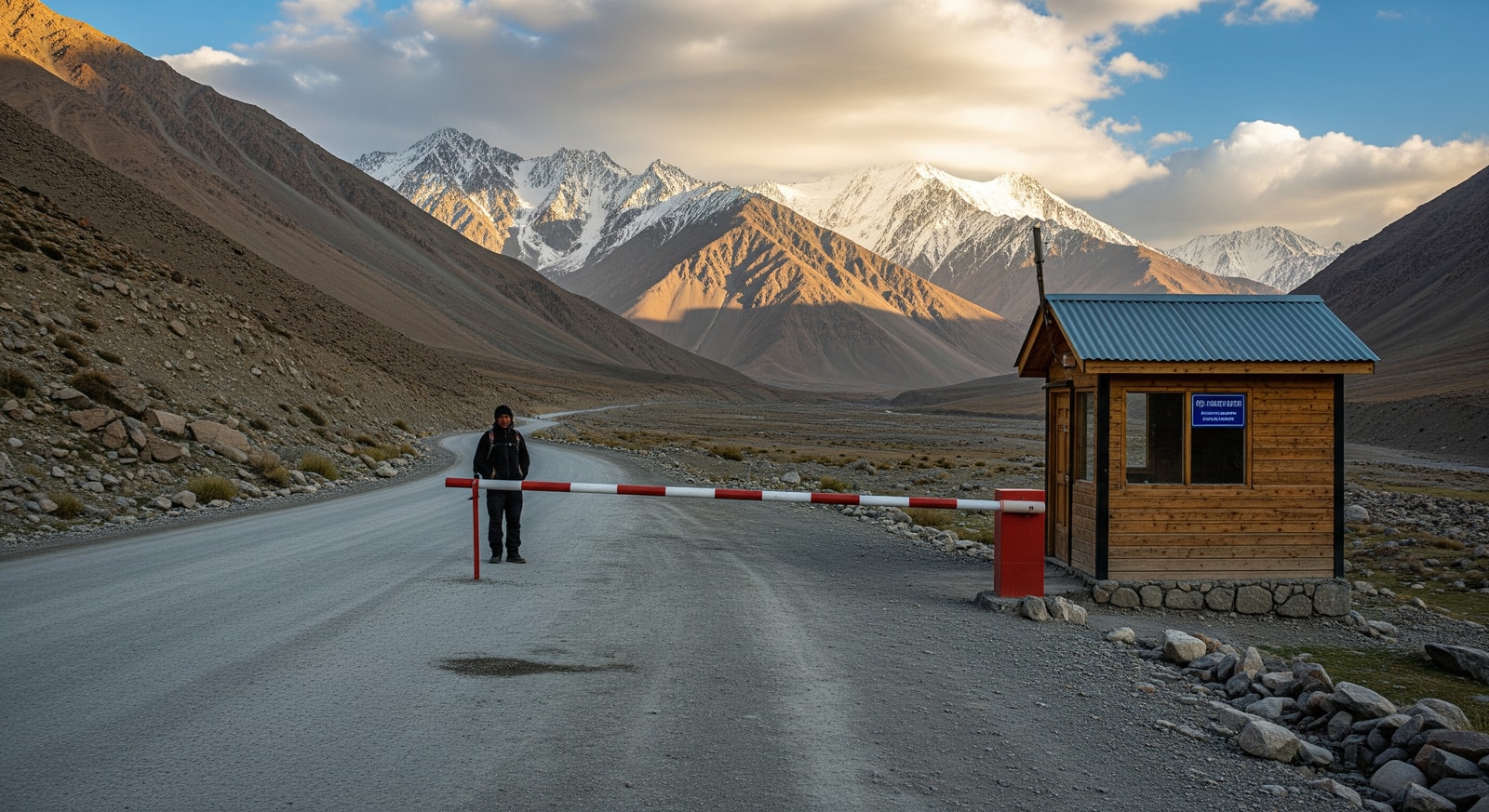
Enforcement of the GBAO permit requirement is consistent and unavoidable. Multiple checkpoints along the Pamir Highway verify permits and register all travelers passing through. The main checkpoint at Kalaikhumb, where the highway officially enters GBAO territory, is particularly thorough. Travelers found without valid GBAO permits face fines, are turned back from the region, and in some cases have experienced more significant difficulties with Tajik authorities. There is simply no way to travel the Pamir Highway or explore the Pamirs without this essential document.
The most efficient approach is applying for the GBAO permit simultaneously with your e-Visa through the official government portal. This combined application costs $70 USD total (compared to $50 for the visa alone) and processes together with your visa application. Alternatively, if you already hold a valid Tajikistan visa, the GBAO permit can be obtained at the OVIR (visa registration office) in Dushanbe, though this requires visiting the office in person, potentially waiting several days for processing, and navigating bureaucratic procedures that many travelers find frustrating compared to the straightforward online process.
GBAO Permit is Mandatory
You CANNOT travel the Pamir Highway or enter any part of Gorno-Badakhshan region without a valid GBAO permit. Checkpoints are strictly enforced, and traveling without the permit results in fines, removal from the area, and potential difficulties with authorities. Apply for this permit when you apply for your e-Visa — it's simple and prevents any issues during your journey.
Required Documents for Tajikistan e-Visa
The Tajikistan e-Visa application requires straightforward documentation that most travelers can readily prepare. Having all documents ready in the correct digital formats before beginning the online application ensures a smooth process and helps avoid delays or rejection due to technical issues with uploaded files.
- Valid passport: Minimum 6 months validity from entry date with at least 2 blank pages
- Passport bio page scan: Clear, color scan in JPEG or PDF format (max 1MB file size)
- Digital photograph: Recent passport-style photo (35x45mm) with white background, JPEG format
- Travel itinerary: Intended entry date, planned duration, and entry point information
- Email address: Valid email for receiving application updates and approved e-Visa
- Payment method: Credit or debit card (Visa/Mastercard) for online fee payment
- Accommodation details: Hotel booking or address of intended stay in Tajikistan
- Entry/exit points: Planned border crossing or airport for arrival and departure
Photo Requirements
Your digital photo must meet passport photo standards: neutral expression, face clearly visible, plain white background, no glasses or head coverings (unless for religious purposes). Many applications are delayed due to non-compliant photos — use a proper passport photo service or follow the portal's photo guidelines carefully.
How to Apply for the Tajikistan e-Visa
The Tajikistan e-Visa application process is conducted through the official government portal and can be completed in approximately 15-20 minutes when all documents are prepared in advance. The system guides applicants through each step clearly, from account creation to document upload and payment.
- Visit the official Tajikistan e-Visa portal (www.evisa.tj)
- Create an account with your email address and password
- Select 'Tourist' as your visa type and single or multiple entry
- Check the GBAO permit option if planning Pamir Highway travel
- Complete the application form with personal and passport details
- Enter your travel itinerary including dates and entry points
- Upload your passport bio page scan and digital photograph
- Review all information carefully for accuracy
- Pay the visa fee (and GBAO permit fee if applicable) via credit card
- Submit the application and note your reference number
- Wait 2-3 business days for processing and approval notification
- Download and print your approved e-Visa document
Check Your Tajikistan Visa Requirements
Tajikistan e-Visa Fees and Processing Time
Tajikistan e-Visa fees are standardized through the official government portal and paid directly online during the application process. The fee structure is transparent, with clear pricing for different visa types and the optional GBAO permit. Processing typically takes 2-3 business days, making the system one of the faster e-Visa processes in Central Asia.
Complete Fee Structure
| Service | Fee (USD) | Processing Time |
|---|---|---|
| Tourist e-Visa (45-day stay) | $50 | 2-3 business days |
| GBAO Permit (with e-Visa) | $20 additional | Processed together |
| Business e-Visa | $70 | 2-3 business days |
| Visa Extension (in Dushanbe) | ~$30-50 | 3-5 business days |
| GBAO Permit (in Dushanbe only) | $20-30 | 1-3 business days |
Payment Information
Visa fees are non-refundable once submitted
Accepted cards: Visa, Mastercard
Total for visa + GBAO permit: $70 USD
No additional service fees on official portal
Receipt provided via email after payment
Tajikistan and the Ancient Silk Road
Tajikistan occupies a pivotal position in Silk Road history, with its mountain passes and river valleys serving as crucial links between the ancient civilizations of China, India, Persia, and the Mediterranean world for over two millennia. Caravans carrying silk, spices, precious stones, and ideas traversed these routes, and the remnants of this extraordinary history remain visible throughout the country in ancient fortresses, petroglyphs, and trading post ruins that evoke the golden age of trans-continental commerce.
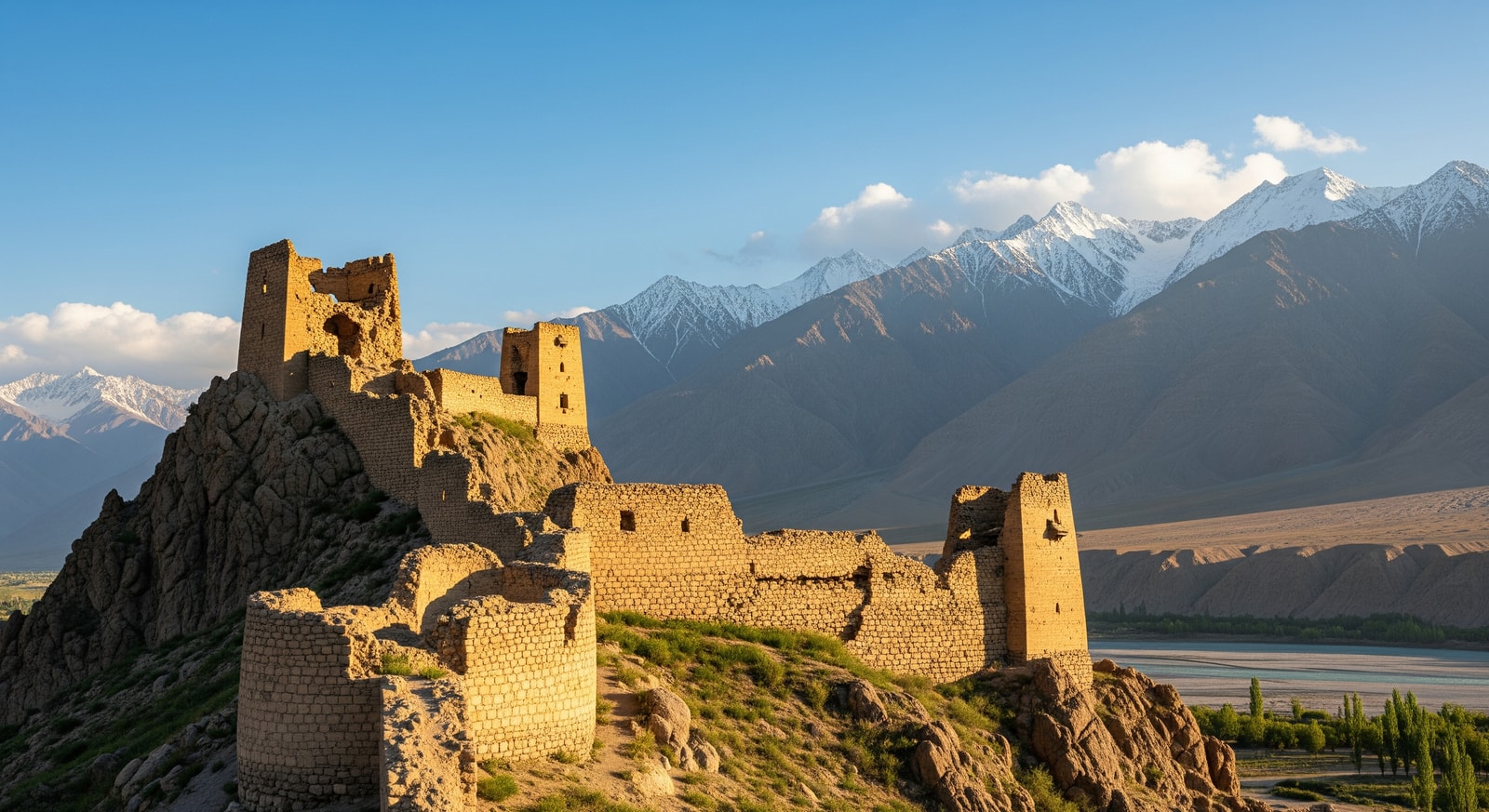
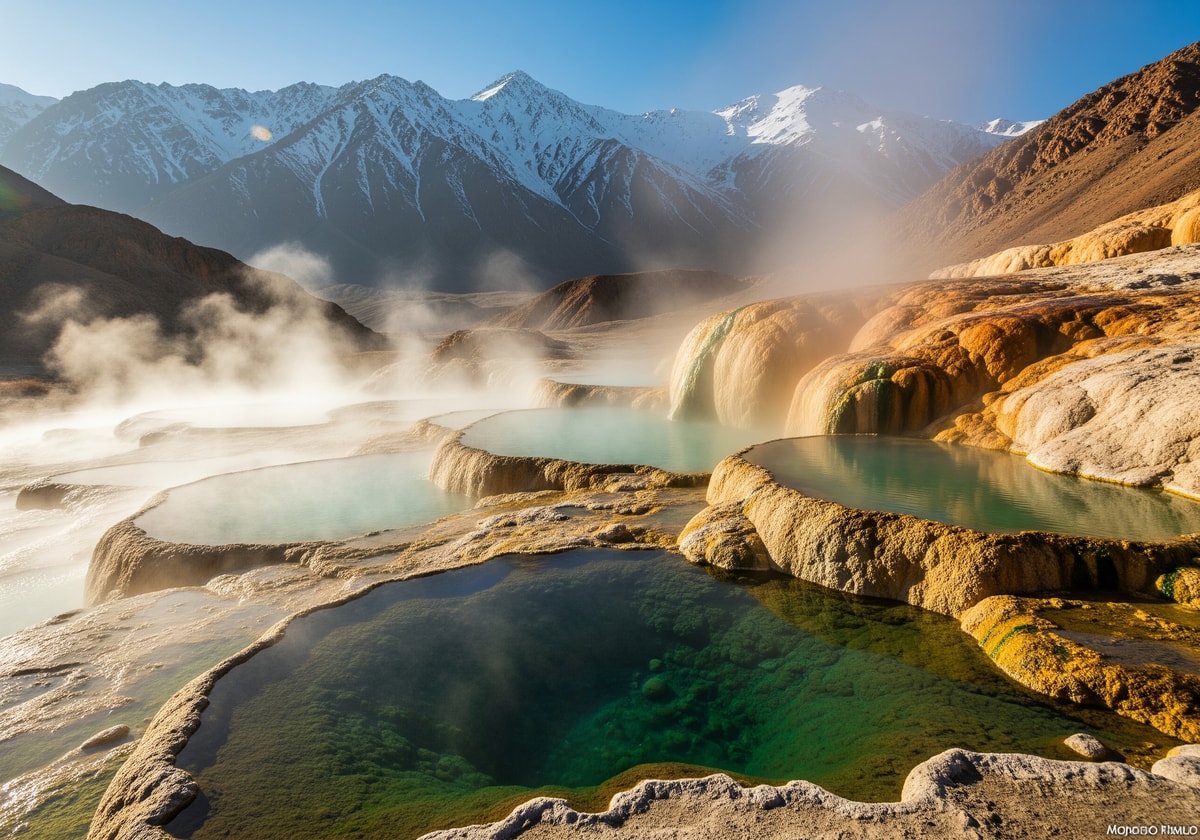
The strategic importance of Tajik territory is evident in sites like the Yamchun Fortress in the Wakhan Valley, a dramatic Zoroastrian-era fortification perched on a rocky promontory overlooking the ancient route to India and Afghanistan. The nearby Bibi Fatima hot springs, named for the Prophet Muhammad's daughter, have drawn travelers seeking their healing waters for centuries. The city of Penjikent, near the Uzbek border, preserves remarkable Sogdian frescoes and archaeological remains from one of the Silk Road's most important cultural centers, offering insights into the sophisticated civilization that once flourished along these trade routes.
Modern travelers following these ancient paths experience landscapes that have changed little since merchant caravans wound through mountain passes loaded with goods from distant lands. The sense of historical continuity is powerful as you traverse the same routes, stay in the same valleys, and experience the hospitality of communities whose ancestors welcomed Silk Road travelers centuries ago. This living connection to history, combined with Tajikistan's spectacular natural scenery, creates a travel experience of profound depth and lasting impact.
The Pamir Highway itself follows routes that have served travelers for millennia, connecting the Ferghana Valley to the west with the high passes leading toward China and the Indian subcontinent. Towns like Khorog, Ishkashim, and Murghab grew from Silk Road trading posts and retain their role as supply points and gathering places for travelers, now serving adventurers and tourists rather than merchant caravans but maintaining the same essential function in facilitating journeys through this spectacular but demanding landscape.
The Pamir Highway: World's Second-Highest Road
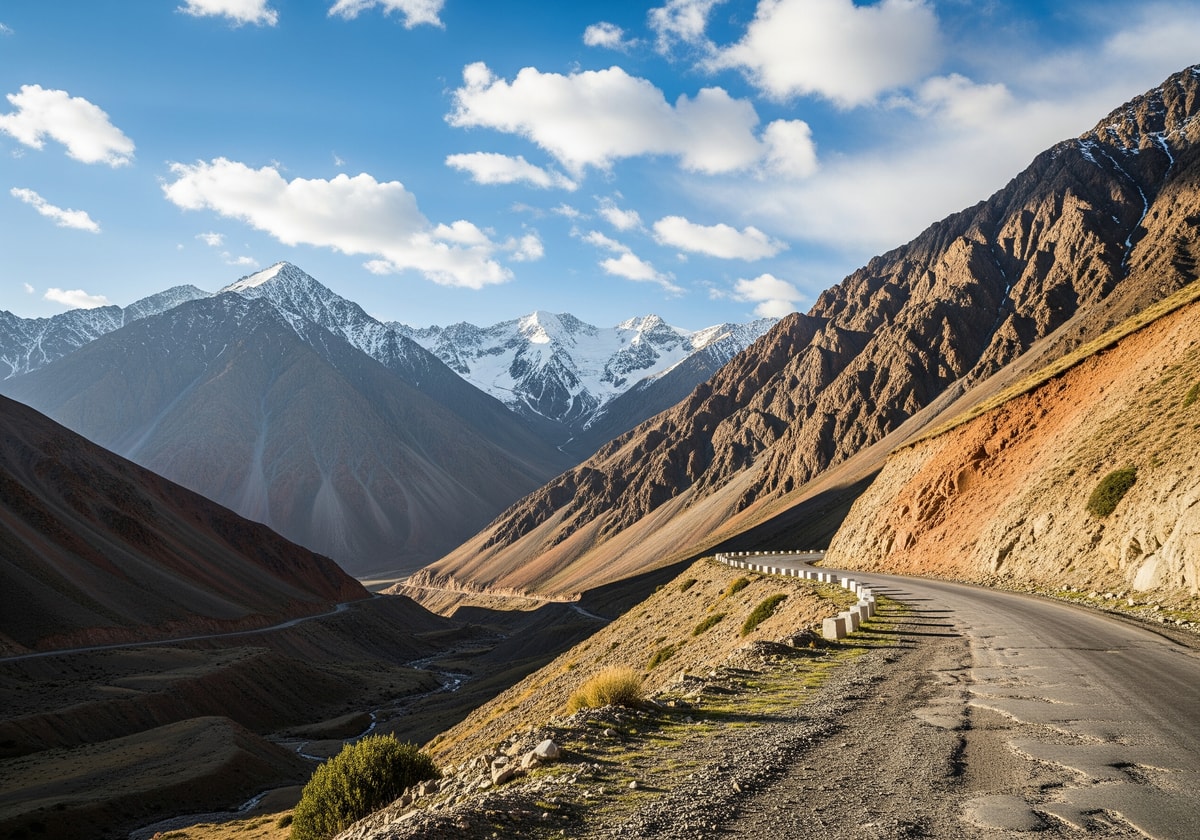
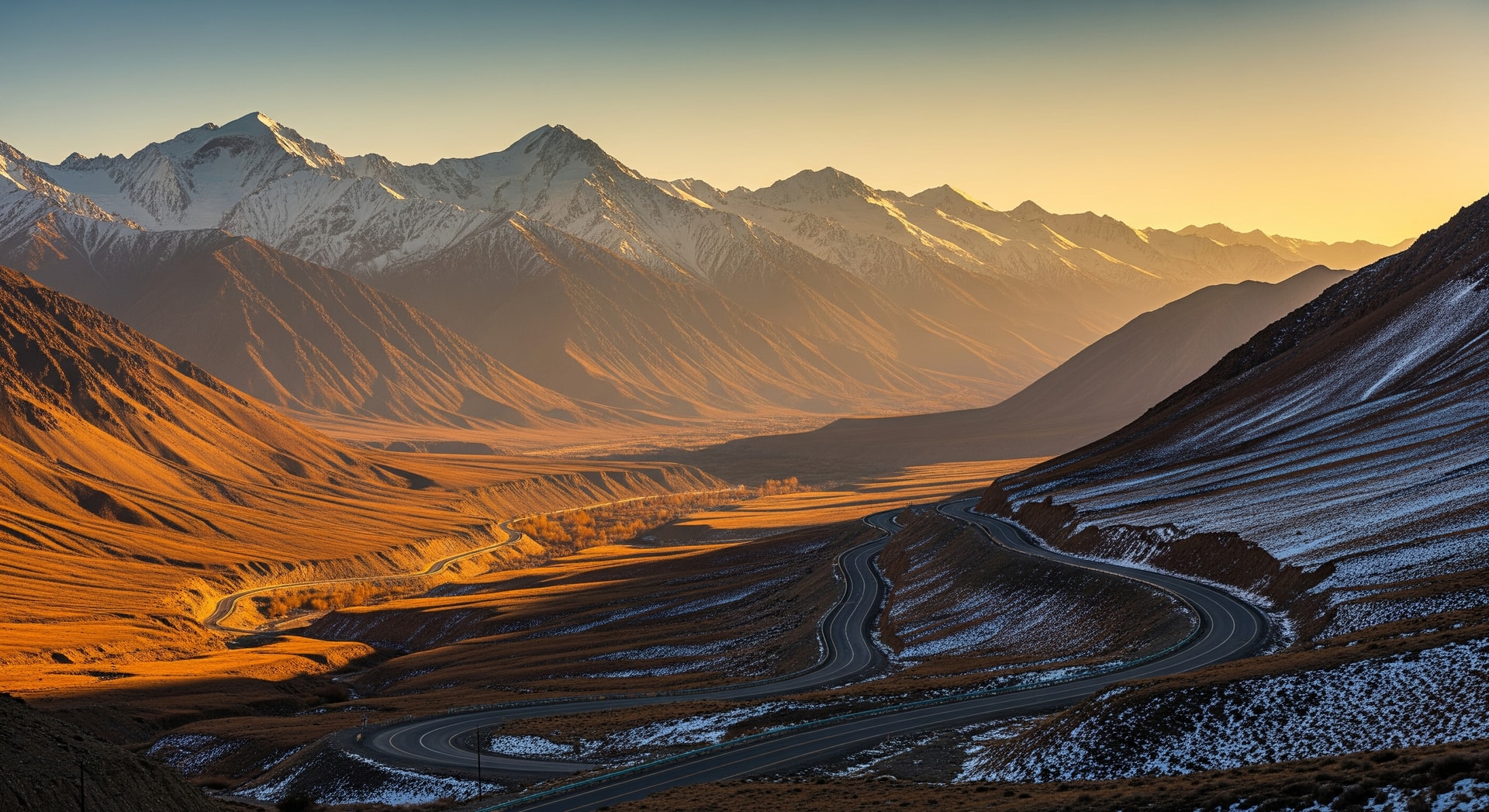
The Pamir Highway (officially the M41) ranks among the world's most legendary road journeys — a 1,200-kilometer route connecting Dushanbe with Osh in Kyrgyzstan through some of the most spectacular and remote mountain scenery on Earth. Reaching a maximum elevation of 4,655 meters at the Ak-Baital Pass, it stands as the second-highest international highway in the world after the Karakoram Highway linking Pakistan and China. For adventurous travelers, completing this journey represents a bucket-list achievement and an encounter with landscapes of almost incomprehensible grandeur.
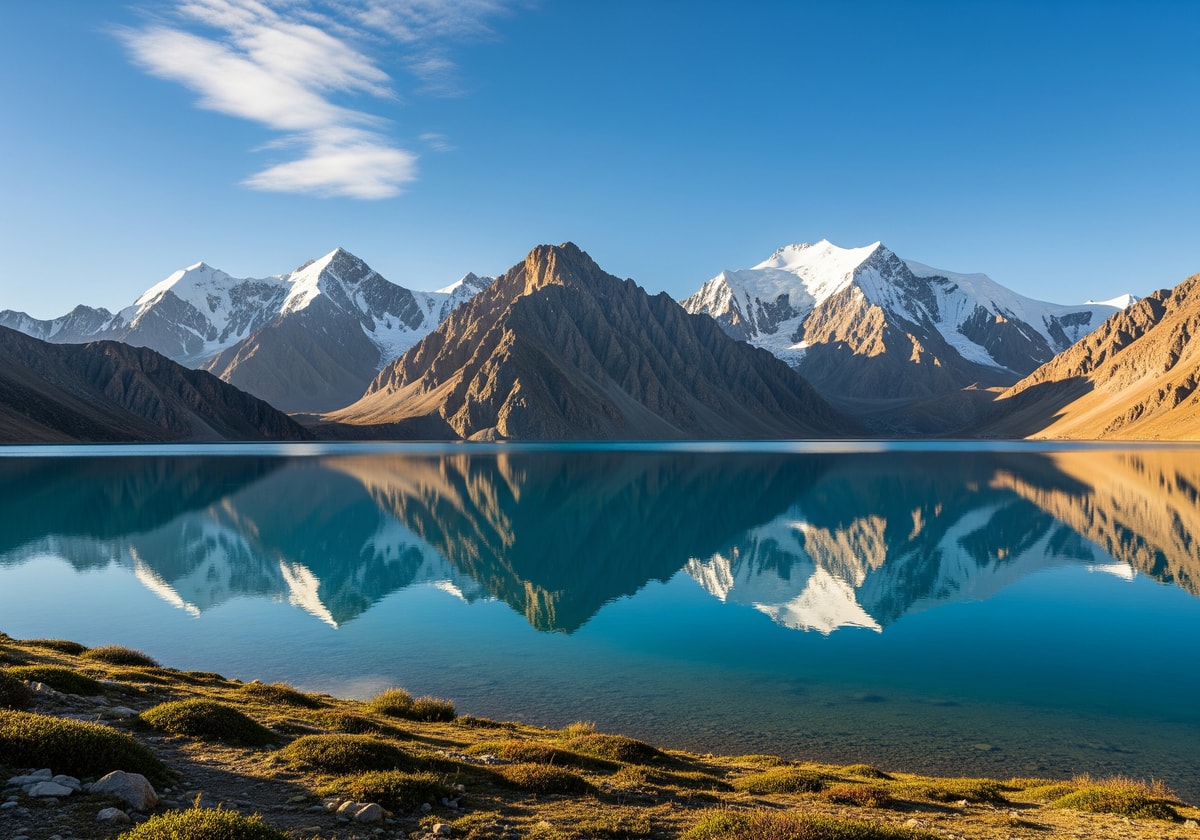
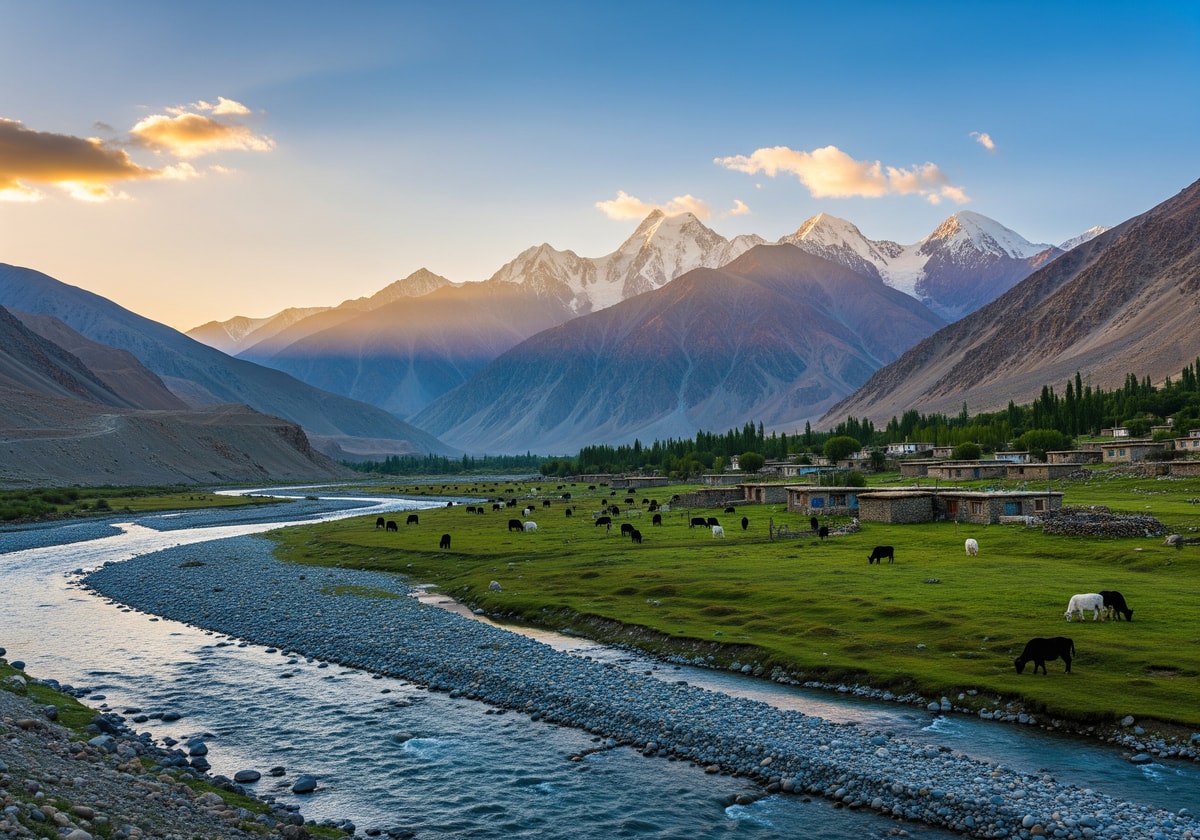
The highway traverses the heart of the Pamir Mountains, often called the 'Roof of the World' for their position at the junction of the Himalayas, Karakoram, Hindu Kush, and Tian Shan ranges. Along the route, travelers encounter turquoise alpine lakes including the stunning Karakul at 3,914 meters elevation, Yashilkul reflecting surrounding peaks in its still waters, and countless smaller lakes scattered throughout high valleys. Hot springs dot the landscape, offering welcome relief from the rigors of travel — Bibi Fatima and Garm Chashma being among the most famous. The Wakhan Valley section provides extraordinary views across to Afghanistan's Hindu Kush mountains and opportunities to visit ancient Silk Road fortresses.
Most travelers spend 5-10 days completing the Pamir Highway journey, though the route rewards slower travel and extended exploration of side valleys and local communities. The main staging points along the route include Khorog (the GBAO regional capital and largest town in the Pamirs), Ishkashim (gateway to the Wakhan Valley), Langar (access point for petroglyphs and the southern Wakhan), Alichur and Murghab (high-plateau towns in the eastern Pamirs), and Karakul village beside its namesake lake near the Kyrgyz border.
Road conditions vary significantly along the highway, with some sections well-maintained asphalt and others deteriorated to rough gravel or even boulder-strewn tracks, particularly on the high passes and in the eastern sections. A robust 4x4 vehicle is strongly recommended, and many travelers opt for organized tours or shared jeep transport rather than self-driving. The journey can be completed year-round by determined travelers, but the main season runs from June through September when passes are reliably open and weather conditions are most favorable.
The Pamir Highway is too dangerous for regular tourists to travel
While the Pamir Highway is remote and requires proper preparation, thousands of tourists safely complete the journey every year. The main challenges are road conditions, altitude, and limited infrastructure rather than security concerns. With appropriate planning, reliable transportation, and respect for the mountain environment, the journey is achievable for adventurous travelers with reasonable fitness levels.
Essential Tajikistan Travel Tips
Traveling in Tajikistan requires more preparation and flexibility than typical tourist destinations, but the rewards for those who embrace the adventure are extraordinary. Understanding practical realities before arrival helps ensure a smooth and enjoyable journey through this spectacular country.
- Cash is essential: ATMs are rare outside Dushanbe; bring sufficient USD cash (crisp, undamaged bills) to exchange. Credit cards are rarely accepted
- Altitude awareness: Much of the Pamir region exceeds 3,500 meters. Acclimatize properly, recognize altitude sickness symptoms, and descend if necessary
- Accommodation: Homestays are the primary option along the Pamir Highway. Expect basic but welcoming facilities — bring a sleeping bag for comfort
- Language: Tajik and Russian are spoken; English is limited outside tourist infrastructure. Learn basic Russian phrases and carry a translation app
- Best season: June-September offers the best weather and road conditions. July-August sees peak visitor numbers; June and September provide good conditions with fewer crowds
- Shared transport: Shared jeeps and marshrutkas connect major points. Hiring a private driver/guide is recommended for flexibility and safety
- Fuel: Fill up whenever possible in the Pamirs — fuel stations are scarce and may have limited or no supply
- Communications: Mobile coverage exists in major towns but is absent in many mountainous areas. Inform contacts of your itinerary before entering remote regions
- Border crossings: Plan border crossings carefully; some are open only on specific days or have limited hours
- Respect local customs: Dress modestly, ask permission before photographing people, and accept hospitality graciously — refusing food or tea can cause offense
The Pamir Highway changed my perspective on what travel can be. The landscapes were unlike anything I'd ever seen, but it was the people — their warmth, their hospitality, their resilience — that made Tajikistan truly unforgettable. Every traveler I met said the same thing: this is the real Central Asia.
Tajikistan is unsafe due to its proximity to Afghanistan
Tajikistan is generally safe for tourists. The Afghan border areas in the Wakhan Valley are actually quite peaceful — the communities on both sides have traded peacefully for centuries. The Tajik government maintains strong border security, and the main tourist routes see thousands of visitors annually without incident. Standard travel precautions apply, but fear of the Afghan border should not deter visitors.
Registration Requirement
Foreign visitors staying more than 10 days in Tajikistan must register with OVIR (passport registration office) in Dushanbe. Hotels typically handle registration for their guests, but if staying in homestays, you may need to register yourself or through a local contact. Keep registration receipts as proof.
Frequently Asked Questions
How long does the Tajikistan e-Visa take to process?
Can I get the GBAO permit on arrival in Dushanbe?
What is the best time to travel the Pamir Highway?
Do I need a 4x4 vehicle for the Pamir Highway?
How much money should I bring to Tajikistan?
Is the Afghan border area safe to visit?
Can I extend my Tajikistan visa?
What altitude should I expect on the Pamir Highway?
What type of accommodation is available along the Pamir Highway?
Do I need travel insurance for Tajikistan?
Can I travel from Tajikistan to Kyrgyzstan via the Pamir Highway?
What food should I expect in Tajikistan?
Start Your Tajikistan Adventure
Tajikistan offers one of the world's last great travel adventures — a journey through landscapes of staggering beauty where ancient Silk Road history interweaves with living mountain cultures, where the legendary Pamir Highway delivers one extraordinary vista after another, and where the warmth of local hospitality transforms challenging travel into profound human connection. This is not an easy destination, but for those who embrace the adventure with proper preparation and an open spirit, Tajikistan delivers experiences that fundamentally change how you see the world and your place within it.
The e-Visa system has made accessing this extraordinary country easier than ever before. With your visa and GBAO permit secured before departure, you can focus entirely on the remarkable journey ahead — whether you're completing the full Pamir Highway traverse from Dushanbe to Osh, exploring the ancient Silk Road heritage of the Wakhan Valley, trekking through the stunning Fan Mountains, or simply discovering the friendly chaos of Dushanbe's bazaars and teahouses. Each traveler who makes this journey joins a lineage stretching back millennia to the merchants, pilgrims, and adventurers who traversed these same mountain passes in search of trade, enlightenment, and discovery.
Check your visa requirements, prepare your documentation, and begin planning your journey to the Roof of the World. The Pamirs have been welcoming travelers for thousands of years — your turn to discover why this spectacular corner of Central Asia captures hearts and imaginations like few places on Earth.
Get the DoVisa App
Store your Tajikistan visa and GBAO permit, access offline travel information for your Pamir Highway adventure.




Comments(12)
Leave a Comment
Just completed the Pamir Highway from Dushanbe to Osh — absolutely life-changing experience! The e-Visa process was smooth and straightforward. Make sure to get the GBAO permit when you apply, the checkpoints are strict. The scenery between Khorog and Murghab is unlike anything I've ever seen.
The homestays along the highway were the highlight of my trip. Basic facilities but incredible hospitality — the families genuinely wanted to share their culture. Bring small gifts from home (photos of your country, sweets for children) as thank-you tokens.
Question: I'm planning to do the highway in late September. Is this too late in the season? Worried about weather and road conditions.
The Wakhan Valley section was my favorite part — seeing Afghanistan across the river and visiting the ancient fortresses felt like stepping back in time on the Silk Road. Bibi Fatima hot springs after a long day of driving is pure bliss!
Pro tip: Bring way more cash than you think you need. We ran low near Murghab and there's literally nothing except one exchange office with terrible rates. Budget at least $60/day per person including transport if hiring shared jeeps.
Is altitude sickness a serious concern? I've never been above 3000m before and some of my friends are worried about me doing this trip.
The e-Visa system worked perfectly for me. Applied on Monday, approved by Wednesday. Just make sure your photo meets the requirements — my first attempt was rejected because of shadows on my face. Re-submitted with a proper passport photo and it was approved within hours.
Karakul Lake at sunrise was the most beautiful thing I've ever seen. The reflection of the peaks in the perfectly still water... I sat there for two hours just taking it in. Worth the entire journey just for that moment.
Hired a Land Cruiser and driver from Dushanbe for the full highway — cost about $800 for 7 days split between 4 travelers. Highly recommend going this route rather than shared transport. Our driver knew all the best stops and secret viewpoints.
Can I combine Tajikistan with Uzbekistan and Kyrgyzstan in one trip? What's the best routing?
The Fan Mountains near Dushanbe are incredible for trekking and often overlooked by travelers rushing to the Pamirs. Spent 5 days trekking through the Alauddin Lakes area — turquoise lakes, dramatic peaks, and hardly any other tourists. No GBAO permit needed either!
Don't skip the bazaars in Dushanbe and Khorog — amazing dried fruits, nuts, and local handicrafts. The traditional Pamiri socks make perfect gifts and the vendors are happy to bargain and share tea while you shop.