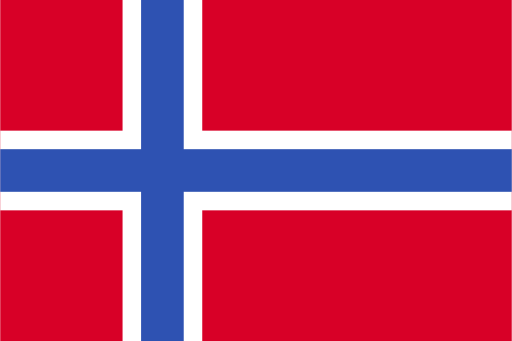
Svalbard and Jan Mayen flag

Svalbard & Jan Mayen Visa-Free Travel

Discover the Arctic wilderness — no visa required for Svalbard, but plan your Norwegian transit carefully

4.6Trustpilot

Check Visa Requirements

See if you need a visa for Svalbard and Jan Mayen

Please select your passport
Where are you going?

How to Plan Your Svalbard Trip

Understanding entry requirements — Svalbard is visa-free, but Norway transit may require a visa

1

Check your Norway transit requirements

While Svalbard itself requires no visa under the Svalbard Treaty, all commercial flights transit through mainland Norway (typically Oslo or Tromsø). If your nationality requires a Schengen visa to enter Norway, you'll need one for your transit. Our nationality checker helps you determine your specific requirements based on your passport.

2

Apply for Schengen visa if needed

If you require a Schengen visa to transit Norway, apply through the Norwegian embassy or consulate in your country. Standard processing takes 15-30 days. Your visa should cover both your outbound and return transit through Norway. We can guide you through the Norwegian visa application process if needed.

3

Prepare your Arctic documentation

While no visa is needed for Svalbard, you should carry proof of travel insurance covering Arctic evacuation, accommodation bookings in Longyearbyen, and return flight tickets. Tour operators may require additional documentation for expedition cruises or wilderness excursions outside the settlement areas.

4

Arrive in the Arctic

Fly into Svalbard Airport, Longyear (LYR) via Oslo or Tromsø. Present your passport at Norwegian immigration during transit. Upon arrival in Longyearbyen, there are no formal immigration checks as Svalbard is outside the Schengen Area. Welcome to one of the world's most extraordinary Arctic destinations!

Traveler researching Arctic expedition on laptop with Northern Lights imagery on screen
0+Happy Travelers
0/7Expert Support
0%+Approval Rate
0Customer Rating

Svalbard & Jan Mayen Entry Requirements

Visa-Free Entry

Unlimited stay

No visa required for any nationality under Svalbard Treaty

Norway Transit Visa

Up to 90 days

Schengen visa needed for Norway transit if applicable

Long-Term Residence

Indefinite

Anyone can live and work without permit in Svalbard

Schengen Visa

Up to 90 days

Required for mainland Norway travel before or after

Essential Requirements

  • 📘Valid passport for identification purposes
  • 🏥Travel insurance with Arctic evacuation coverage
  • ✈️Schengen visa for Norway transit if required
  • 🏨Accommodation booking in Longyearbyen
  • 💰Proof of funds for extremely high living costs
  • 📄Return flight ticket or onward travel proof

The Svalbard Treaty & Visa-Free Access
Svalbard holds a unique status in international law. Under the Svalbard Treaty of 1920, signed by over 40 nations, citizens of all signatory countries have equal rights to reside and work in the archipelago. This means no visa is required for any nationality to enter Svalbard itself — a remarkable exception in today's world of strict border controls. The treaty grants Norway sovereignty over Svalbard while guaranteeing equal access to all signatory nations for fishing, hunting, and commercial activities. In practice, this means anyone from any country can visit, live, and work in Svalbard without obtaining a visa or work permit. However, this open-door policy comes with practical considerations: the Norwegian government cannot provide welfare services to non-residents, and the harsh Arctic environment makes self-sufficiency essential. While Svalbard itself has no entry restrictions, reaching the archipelago requires transiting through mainland Norway. All commercial flights to Svalbard Airport, Longyear (LYR) depart from Oslo Gardermoen (OSL) or Tromsø (TOS). This means travelers whose nationalities require a Schengen visa to enter Norway must obtain one before their journey, even though their final destination has no visa requirement.
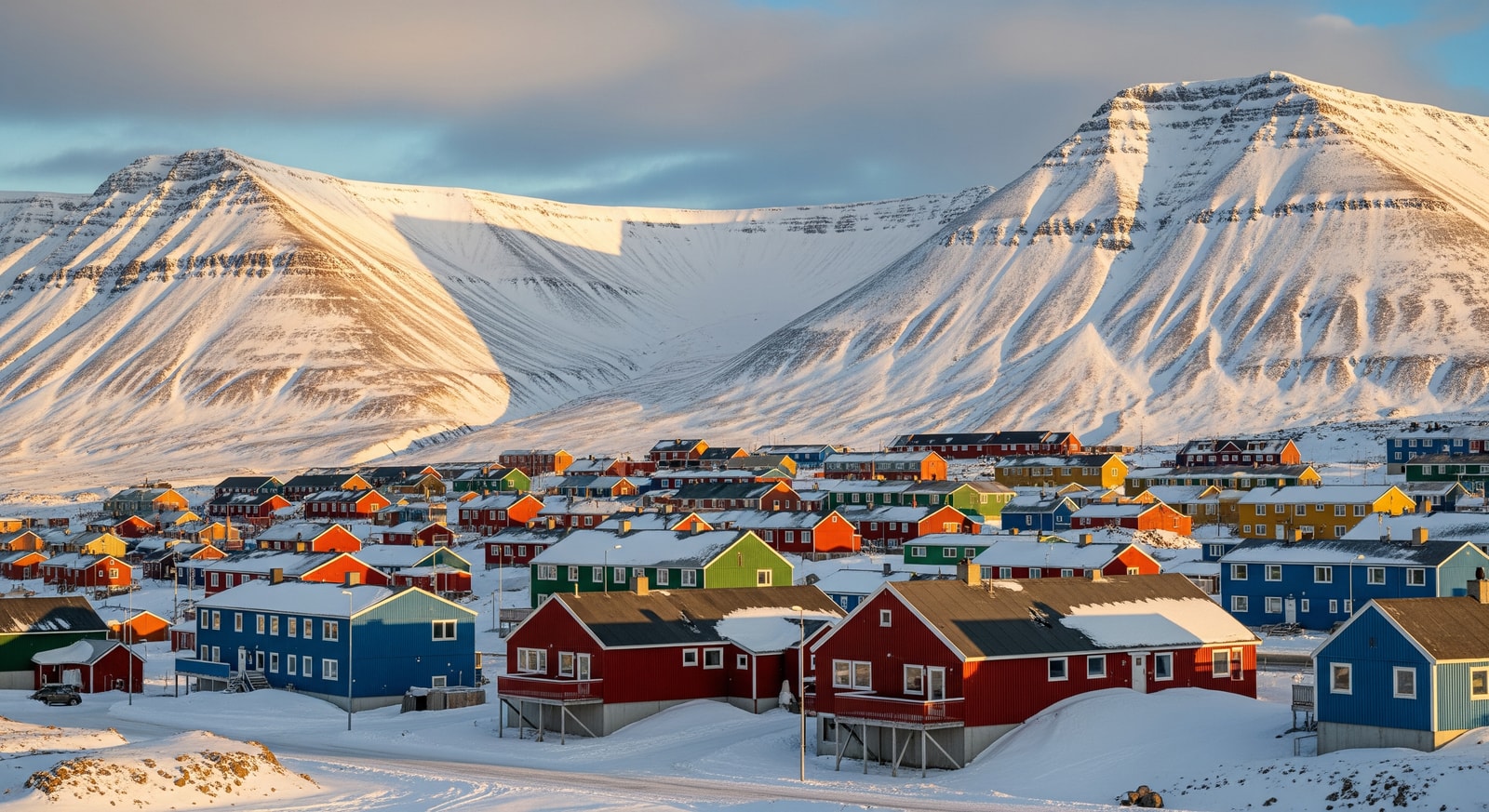
Colorful wooden houses of Longyearbyen settlement against snow-covered Arctic mountains in Svalbard
Longyearbyen — The world's northernmost settlement with permanent population

Norway Transit & Schengen Requirements
Transit Through Mainland Norway Since all flights to Svalbard transit through Norway, understanding Schengen visa requirements is crucial. Citizens of visa-exempt countries (including USA, Canada, UK, Australia, Japan, and most EU/EEA nations) can transit Norway without a visa and continue to Svalbard with just their passport. Citizens of visa-required countries must obtain a Schengen visa from a Norwegian embassy or consulate before travel. When applying, explain that your destination is Svalbard (which is outside the Schengen Area) but that you need to transit Norway. A single-entry or double-entry Schengen visa typically suffices for a return journey. Important Considerations • Your Schengen visa validity must cover both your outbound transit to Svalbard and your return transit through Norway • If planning to spend time in mainland Norway before or after Svalbard, factor this into your visa application • Svalbard time does not count toward your 90-day Schengen limit since the archipelago is outside the Schengen Area • Norwegian immigration at Oslo or Tromsø will stamp your passport on entry and exit from the Schengen Area
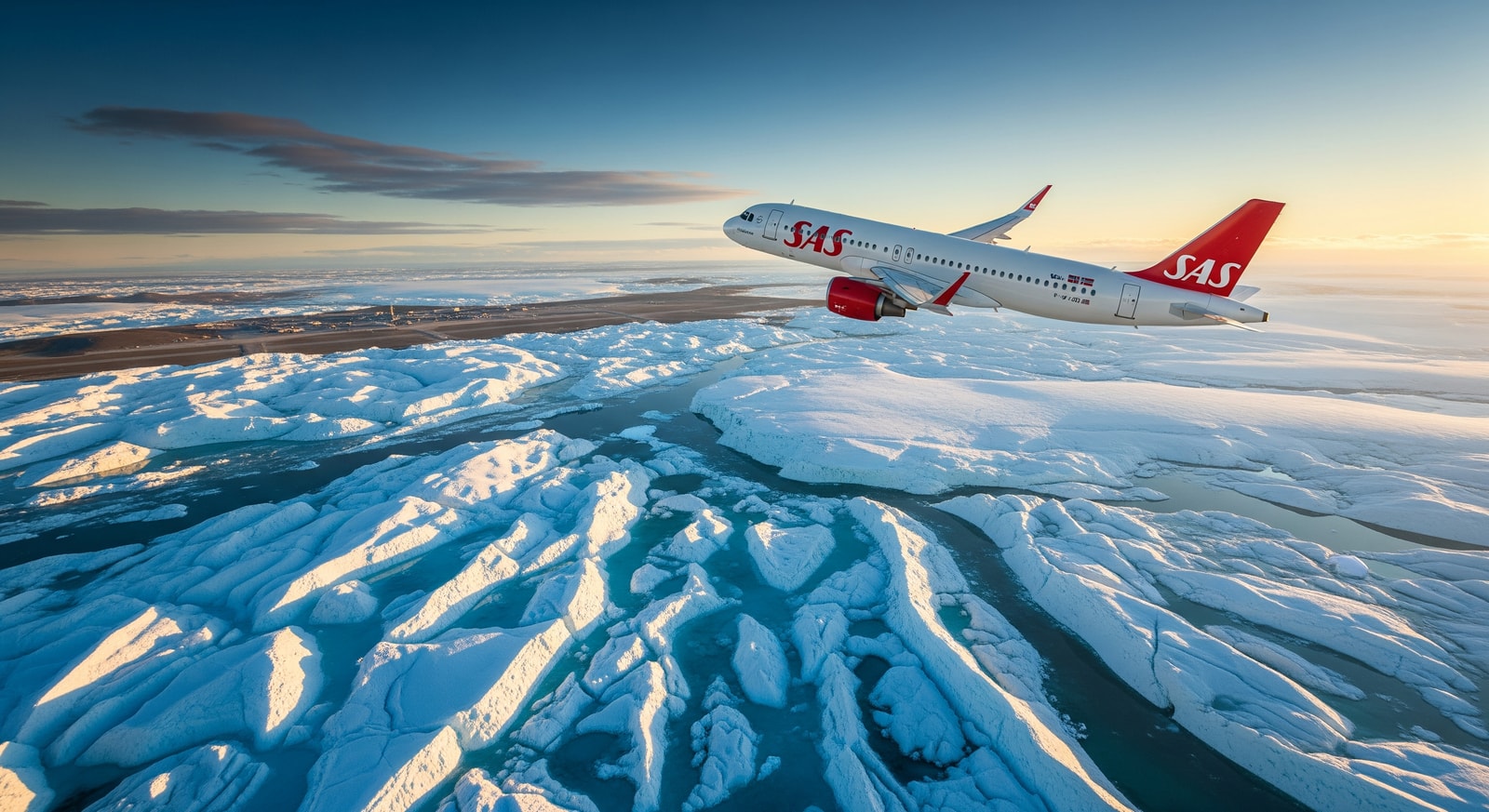
SAS aircraft flying over dramatic Arctic ice formations approaching Svalbard Airport
Flights to Svalbard — All routes transit through Oslo or Tromsø

Practical Requirements & Preparations
Essential Documentation While no visa is needed for Svalbard, proper preparation is essential for this extreme environment: • Valid passport: Required for identification, though no minimum validity is mandated • Travel insurance: Absolutely essential — must include emergency evacuation coverage (standard policies rarely cover Arctic regions adequately) • Accommodation confirmation: Hotels and guesthouses in Longyearbyen book quickly, especially during aurora and polar bear seasons • Financial means: Svalbard has Norway-level prices with Arctic markups — budget NOK 2,000-4,000 per day minimum • Return transportation: Proof of onward travel is advisable though not strictly required Living & Working in Svalbard Unlike anywhere else on Earth, anyone can move to Svalbard and work without a permit. However, practical realities limit this freedom: employers typically require housing (extremely scarce), and the Norwegian government provides no social services to those who cannot support themselves. Most residents work in tourism, research, mining, or public services.
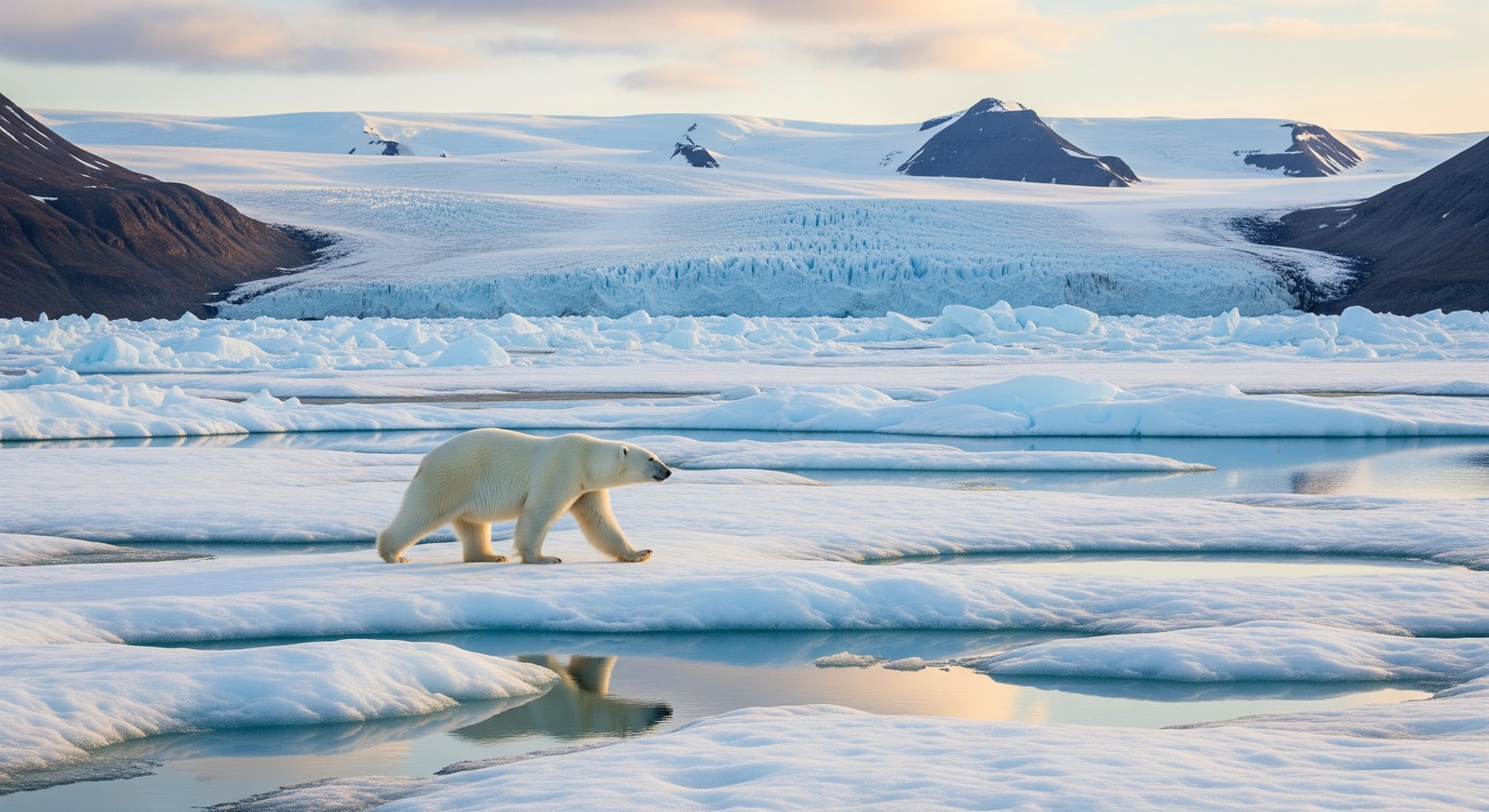
Majestic polar bear walking across Arctic sea ice in Svalbard with glacier backdrop
Polar bears — Svalbard has more polar bears than people

Jan Mayen & Travel Logistics

Jan Mayen Island Jan Mayen is a remote volcanic island located between Svalbard and Iceland. Unlike Svalbard, Jan Mayen has no civilian population and is accessible only with special permission from Norwegian authorities. The island hosts a Norwegian military and meteorological station with approximately 18 personnel who rotate every six months. Occasional expedition cruise ships pass by but rarely land. For all practical purposes, Jan Mayen is not a tourist destination. Getting to Svalbard Svalbard Airport, Longyear (LYR) is served by: • SAS: Daily flights from Oslo (3 hours) and Tromsø (1.5 hours) • Norwegian: Seasonal service from Oslo Flight frequency increases during peak tourist season (March-August for midnight sun, September-February for Northern Lights). Expedition cruises from mainland Norway or other Arctic ports provide alternative access for those with more time. Best Times to VisitPolar Night (November-February): 24-hour darkness, Northern Lights, extreme cold (-20°C to -30°C) • Blue Season (March-April): Returning light, excellent aurora viewing, snowmobile expeditions • Midnight Sun (May-August): 24-hour daylight, wildlife watching, hiking, boat tours • Autumn (September-October): Stunning colors, aurora season begins, shoulder season prices
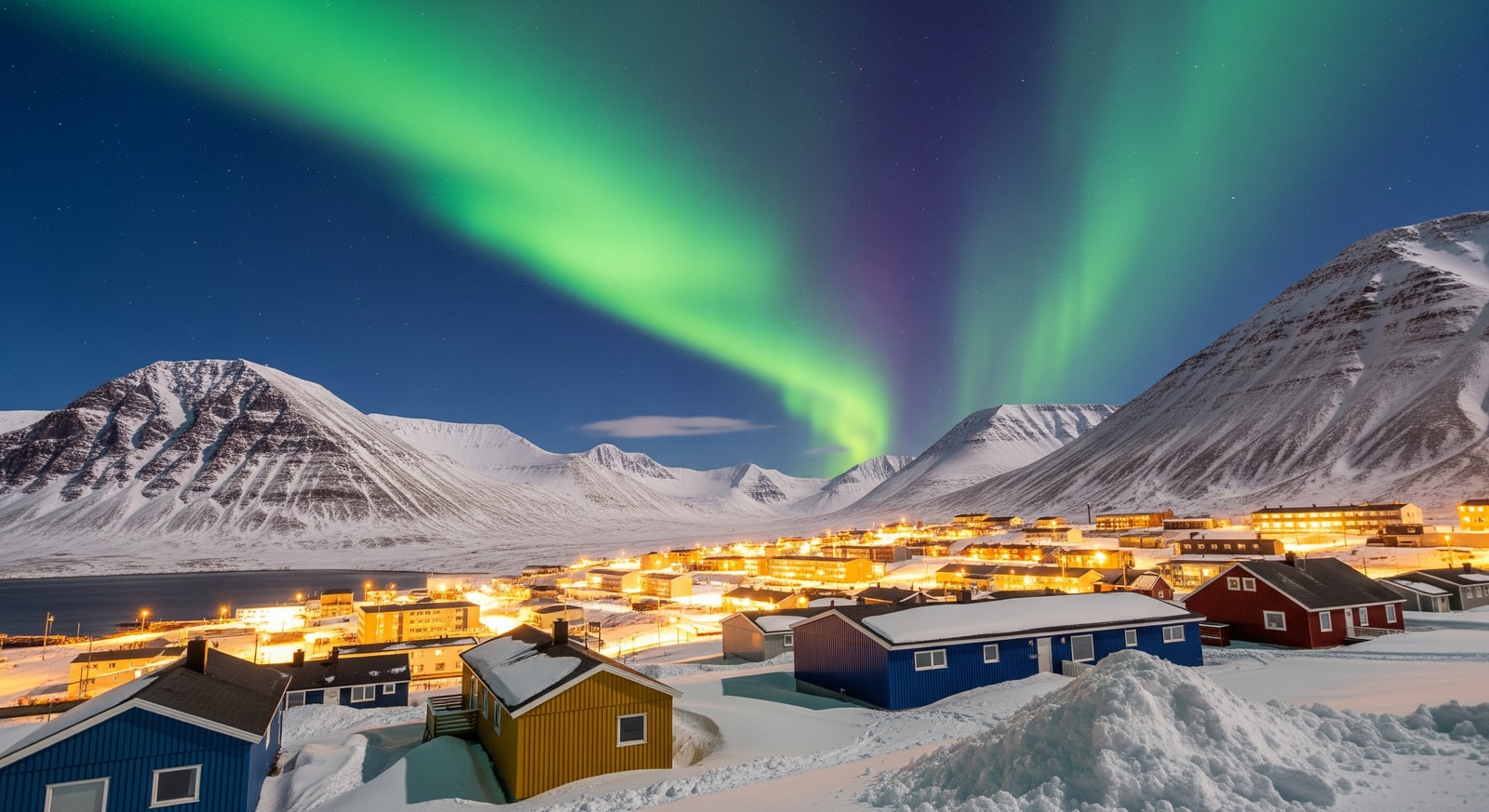
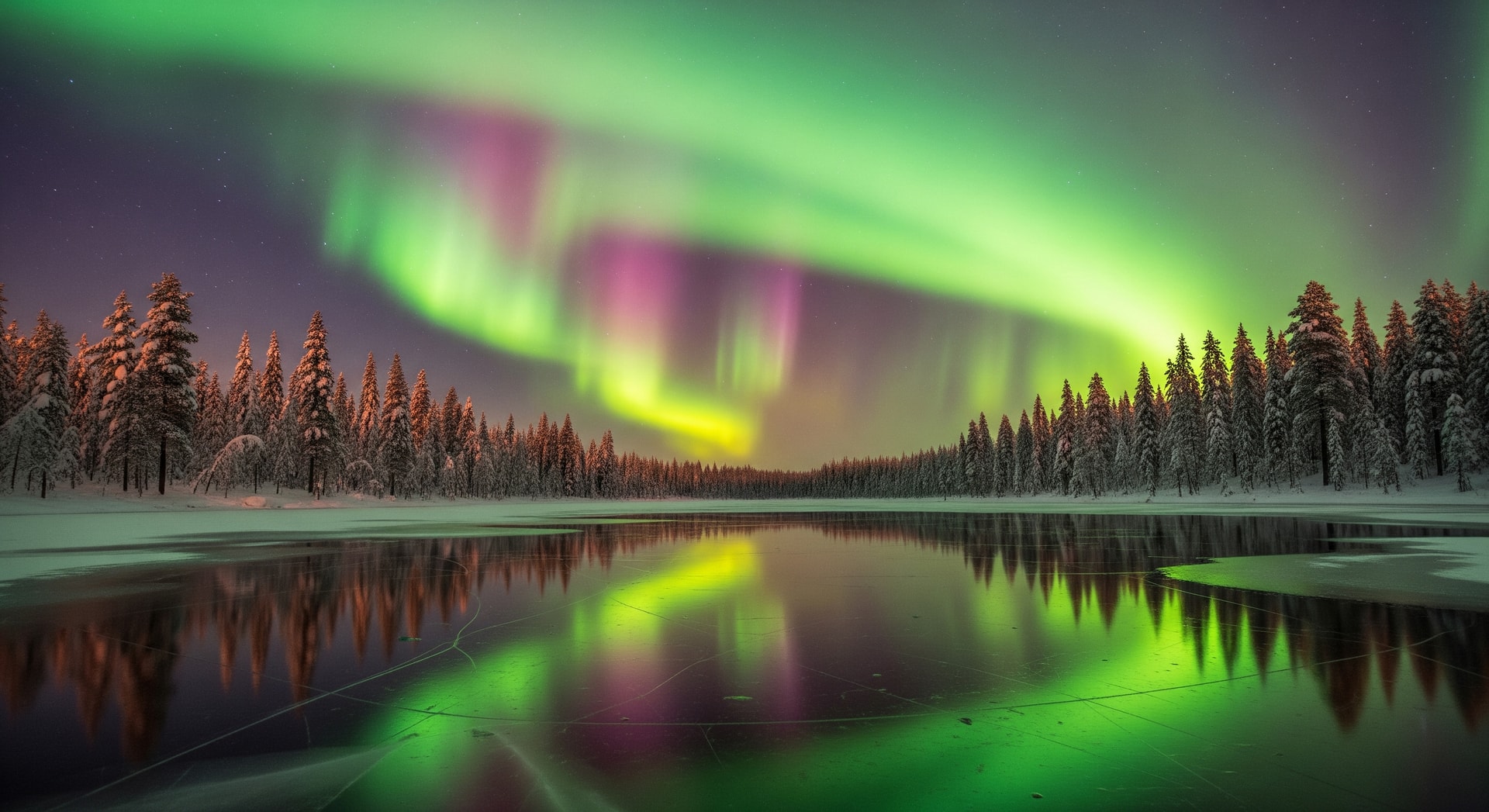
Spectacular green and purple Northern Lights dancing over Longyearbyen settlement in Svalbard
Aurora Borealis — Svalbard offers world-class Northern Lights viewing

Why Choose DoVisa?

See the difference between applying yourself vs using our expert service

Feature
📋Applying Yourself
With DoVisa
Application reviewExpert review before submissionNo expert check100% reviewed by experts
Document validationCheck documents meet requirementsRisk of rejectionPre-checked for errors
Customer supportHelp when you have questionsGovernment offices only24/7 dedicated support
Form guidanceAssistance filling out formsComplex forms aloneStep-by-step guidance
Status trackingKnow where your application isManual checkingReal-time updates
Refund if deniedProtection if visa is rejectedNo refund possibleMoney-back guarantee

Check Your Requirements

See what you need for Svalbard & Jan Mayen

Please select your passport
Where are you going?
1,000+Travelers assisted
24/7Expert support
4.7Customer rating
99%Satisfaction rate

Certified Customer Reviews

Travelers to Svalbard & Jan Mayen rated this product 4.7 out of 5 based on 12 reviews.

4.7/ 5
Based on 12 verified reviews

Filter by rating

Erik S.Jan 15, 2026

"DoVisa clarified that as a US citizen I didn't need any visa for my Svalbard trip. Great info about the Norway transit too. Saw polar bears and the Northern Lights!"

Priya M.Jan 8, 2026

"As an Indian passport holder, I needed a Schengen visa to transit Oslo. DoVisa explained everything clearly and helped with my Norwegian visa application. Svalbard was magical!"

Thomas K.Dec 22, 2025

"Helpful service explaining the unique Svalbard situation. I was confused about the treaty requirements but their team clarified everything. Good experience overall."

Yuki T.Dec 14, 2025

"Perfect guidance for my aurora photography trip to Longyearbyen. Japanese passport meant no visa needed for Norway transit. The Arctic was absolutely stunning!"

Ahmed R.Nov 30, 2025

"Needed Schengen visa for my UAE passport. DoVisa made the Norwegian visa process straightforward. The Global Seed Vault tour was incredible!"

Lisa B.Nov 18, 2025

"Good information service. They correctly identified I needed a double-entry Schengen visa for my round trip through Oslo. Arctic adventure was worth the planning!"

Chen W.Oct 25, 2025

"The Svalbard Treaty concept was new to me. DoVisa explained how I could visit freely but needed a Chinese visa for Norway transit. Excellent support team!"

Maria G.Sep 12, 2025

"Brazilian passport holder here. No Schengen visa needed for short transit. DoVisa confirmed this quickly and gave great tips for Arctic preparation. Loved Svalbard!"

James O.Aug 5, 2025

"Helpful clarification on requirements. British passport made things easy post-Brexit. Their insurance recommendations for Arctic evacuation coverage were valuable."

Fatima N.Jun 20, 2025

"DoVisa guided me through the entire process. Pakistani passport required Schengen visa but Svalbard itself was visa-free. The midnight sun was unforgettable!"

Henrik L.Apr 15, 2025

"Swedish citizen so no visa hassle, but DoVisa gave excellent advice on what documentation to bring. The polar bear safari exceeded all expectations!"

Sophie D.Mar 8, 2025

"Clear explanation of the unusual Svalbard situation. French passport meant easy access. Would have liked more specific tour recommendations but overall helpful."

Svalbard & Jan Mayen FAQs

Do I need a visa to visit Svalbard?
No visa is required for any nationality to enter Svalbard itself. Under the Svalbard Treaty of 1920, citizens of all signatory nations (which includes virtually all countries) have the right to visit, reside, and work in Svalbard without obtaining a visa or work permit. This makes Svalbard unique in the modern world — one of the only places where anyone can enter freely regardless of nationality. However, reaching Svalbard requires transiting through mainland Norway, which may require a Schengen visa depending on your nationality.
What is the Svalbard Treaty and why does it matter?
The Svalbard Treaty (also called the Spitsbergen Treaty) was signed in 1920 and grants Norway sovereignty over Svalbard while guaranteeing equal rights to citizens of all signatory nations. Over 40 countries have signed the treaty, including all major nations. The treaty ensures that citizens of signatory countries can visit, reside, and engage in commercial activities (fishing, hunting, mining) in Svalbard under equal conditions. This is why no visa or work permit is required — the treaty predates modern immigration systems and establishes Svalbard as an area of international access under Norwegian administration.
Do I need a visa to transit through Norway to reach Svalbard?
This depends on your nationality. Visa-exempt nationals (including citizens of USA, Canada, UK, EU/EEA countries, Australia, Japan, and many others) can transit Norway without a visa. Visa-required nationals must obtain a Schengen visa from a Norwegian embassy or consulate before travel. Since all commercial flights to Svalbard depart from Oslo or Tromsø, you will pass through Norwegian immigration during transit. Your Schengen visa should be valid for both your outbound and return journey through Norway.
How do I get to Svalbard?
The only practical way to reach Svalbard is by air to Svalbard Airport, Longyear (LYR) near Longyearbyen. Regular flights operate from Oslo (OSL) taking approximately 3 hours, and from Tromsø (TOS) taking about 1.5 hours. SAS and Norwegian airlines operate these routes, with frequency increasing during peak tourist seasons. Expedition cruise ships also visit Svalbard from mainland Norway and other Arctic ports, though these typically don't allow disembarkation for independent travel. There are no roads, trains, or ferries connecting Svalbard to the mainland.
What documents do I need to visit Svalbard?
While no visa is required for Svalbard, you should carry: Valid passport for identification and Norwegian transit; Schengen visa if your nationality requires one for Norway; Travel insurance with Arctic-specific coverage including emergency evacuation; Accommodation confirmation in Longyearbyen; Proof of sufficient funds (Svalbard is extremely expensive); and Return flight tickets. For expedition cruises or wilderness activities outside Longyearbyen, tour operators may require additional documentation or waivers.
Can I work in Svalbard without a work permit?
Yes, uniquely in the world, anyone can work in Svalbard without obtaining a work permit, regardless of nationality. The Svalbard Treaty guarantees equal employment rights to citizens of all signatory nations. However, practical limitations apply: employers typically provide housing (which is extremely scarce), the Norwegian government does not provide social services to non-residents, and the harsh Arctic environment requires self-sufficiency. Most jobs are in tourism, scientific research, mining, and public services. While legally possible, moving to work in Svalbard requires substantial planning and usually a pre-arranged job offer with housing.
How long can I stay in Svalbard?
There is no time limit on how long you can stay in Svalbard. Unlike virtually everywhere else in the world, the Svalbard Treaty places no restrictions on the duration of visits. You can theoretically stay indefinitely. However, practical considerations apply: you must be able to support yourself financially (no welfare services are available to non-residents), housing in Longyearbyen is extremely limited and expensive, and the harsh climate makes year-round living challenging. Importantly, time spent in Svalbard does not count toward your 90-day Schengen limit since Svalbard is outside the Schengen Area.
What is the best time to visit Svalbard?
Svalbard offers distinct experiences year-round: Polar Night (November-January) brings 24-hour darkness ideal for Northern Lights viewing in extreme cold (-20°C to -30°C). Blue Season (February-March) offers returning twilight, excellent aurora, and snowmobile expeditions with magical blue light. Spring (April-May) provides increasing daylight, good wildlife viewing, and ski touring conditions. Midnight Sun (June-August) means 24-hour daylight perfect for hiking, boat tours, and wildlife watching when polar bears hunt on sea ice edges. Autumn (September-October) sees returning darkness, aurora season beginning, and stunning tundra colors. Each season offers unique Arctic experiences.
Can I visit Jan Mayen Island?
For practical purposes, Jan Mayen is not a tourist destination. The remote volcanic island between Svalbard and Iceland has no civilian population — only a Norwegian military and meteorological station with approximately 18 rotating personnel. Special permission from Norwegian authorities is required to visit, and this is rarely granted except for scientific or official purposes. Some Arctic expedition cruises pass Jan Mayen and may offer distant views or, very occasionally, shore landings by arrangement, but these are exceptions. If you're interested in remote Arctic islands, Svalbard offers far more accessible opportunities.
Is Svalbard safe to visit?
Svalbard is generally safe but presents unique Arctic hazards. The greatest risk is polar bears — Svalbard has approximately 3,000 polar bears, outnumbering the human population. Outside Longyearbyen's settlement boundaries, carrying a firearm or traveling with an armed guide is mandatory. Other risks include extreme cold, sudden weather changes, crevasses on glaciers, and avalanches. Adequate travel insurance with Arctic evacuation coverage is essential — standard policies typically exclude polar regions. Within Longyearbyen itself, crime is virtually non-existent. The settlement has excellent emergency services despite its remote location.
What is the Global Seed Vault and can I visit it?
The Svalbard Global Seed Vault is a secure seed bank built into the Arctic permafrost near Longyearbyen, storing over 1.1 million seed samples from worldwide gene banks as a backup against global catastrophe. The vault itself is not open to public tours for security reasons — it operates as a 'doomsday vault' where samples are deposited but rarely retrieved. However, you can visit the exterior entrance, which features an illuminated art installation visible from Longyearbyen. The entrance has become an iconic Svalbard landmark. Some tour operators offer excursions to the vault exterior with explanations of its purpose and significance.
What currency is used in Svalbard and how expensive is it?
Svalbard uses the Norwegian Krone (NOK). Credit cards are widely accepted in Longyearbyen. Svalbard is extremely expensive — expect to pay even more than mainland Norway's already high prices due to the cost of transporting everything to the Arctic. Budget a minimum of NOK 2,000-4,000 per day for basic expenses. Hotel rooms start around NOK 1,200-2,000 per night, restaurant meals NOK 200-400, and organized tours from NOK 1,000-5,000 depending on activity. Alcohol is notably cheaper than mainland Norway as Svalbard has reduced taxes, making it one of the few bargains available.
What should I pack for a trip to Svalbard?
Arctic conditions require serious preparation: Layered clothing including thermal base layers, insulating mid-layers (fleece or down), and windproof/waterproof outer shells; Extreme cold weather gear including insulated winter boots rated to -30°C or below, thick mittens, warm hat covering ears, balaclava or neck gaiter, and ski goggles; Sun protection during summer months when 24-hour daylight and snow reflection create intense UV exposure — bring high-SPF sunscreen and quality sunglasses. Tour operators often provide specialized equipment for activities like snowmobile expeditions or glacier hikes. Pack more warm layers than you think you'll need.
Are there polar bears in Longyearbyen?
Polar bears occasionally wander into Longyearbyen, though this is relatively rare. The settlement has warning systems and protocols for bear incursions. Within Longyearbyen, you can walk freely without weapons, though awareness is advisable. Outside the settlement, the situation changes dramatically — polar bear encounters are a genuine risk, and carrying a suitable firearm or traveling with an armed guide is mandatory. Svalbard has approximately 3,000 polar bears across the archipelago. Tour operators provide armed guides and all necessary safety equipment for wilderness excursions. The polar bear population is one of Svalbard's great attractions, but they must be treated with absolute respect.
Can I see the Northern Lights in Svalbard?
Svalbard offers exceptional Northern Lights viewing due to its high-latitude location (74-81°N). The aurora season runs from late September through mid-March when darkness returns after the midnight sun period. Peak viewing is typically October-February. Svalbard's position means aurora can appear overhead rather than just on the horizon as seen from lower latitudes. Clear skies are essential — the best conditions often occur during cold, high-pressure weather systems. Many tour operators offer dedicated aurora expeditions including snowmobile trips, boat tours, and heated viewing camps. The polar night period offers the most hours of potential viewing.
What wildlife can I see in Svalbard besides polar bears?

Svalbard hosts remarkable Arctic wildlife: Marine mammals include walrus (large colonies at several locations), bearded and ringed seals, beluga and bowhead whales, and occasionally narwhals and orcas. Land mammals include Svalbard reindeer (a small, distinct subspecies), Arctic foxes in both white and blue-phase coats, and of course polar bears. Birdlife is spectacular during summer with millions of seabirds including puffins, little auks, guillemots, kittiwakes, Arctic terns, and various geese species nesting on cliffs and tundra. Marine life includes diverse fish species and the occasional whale shark. Wildlife tours by boat, snowmobile, or on foot are Svalbard's main tourist activity.
DoVisa Arctic travel specialist helping customer plan Svalbard expedition

Still have questions?

Our team is here to help 24/7

Ready for Your Arctic Adventure?

Polar bears, Northern Lights, and the midnight sun — experience the world's High Arctic

Check Requirements

Or apply via our mobile app

Download on App StoreGet it on Google Play

Explore Nearby Destinations