Simple 4-step process — most applications approved within 10-15 business days
1
Complete the online application
Fill out our streamlined form with your travel details, personal information, and purpose of visit. Our system guides you through Romania's specific requirements as an EU member state that is not yet fully part of the Schengen Area. Real-time validation ensures all fields meet Romanian immigration standards.
2
Upload required documents
Submit your passport scan with at least 6 months validity, a recent biometric photograph meeting EU standards (35x45mm, white background), proof of accommodation in Romania, travel insurance covering your stay, and financial documentation showing sufficient funds for your visit.
3
We process your application
Your verified application is prepared and submitted to the Romanian consular authorities. Our team monitors your application status and handles any additional documentation requests, keeping you informed throughout the 10-15 business day processing period via email updates.
4
Receive your Romania visa
Once approved, your visa is affixed to your passport or issued as an electronic authorization depending on visa type. You can then travel to Romania and explore everything from Bucharest's vibrant capital to the legendary castles of Transylvania. Bun venit!
Visa types needed for Romania
Available visa products
ETIAS Travel Authorisation - 3 years, Multiple entry Most Popular
ETIAS Travel Authorisation - 3 years, Multiple entry
ETIAS is the upcoming EU travel authorisation for visa-exempt travellers visiting the Schengen area. It is not yet in operation: order now and we prepare your application and file it with the EU the moment the system launches. Once issued, ETIAS is valid for 3 years (or until your passport expires) and covers unlimited short stays across all ETIAS countries.
Applicants must submit the following documents:
🛂 Passport: Scan of your passport bio page, valid for your trip
💳 Payment: Credit or debit card for the fee
Important to know
Presale: ETIAS is not yet in operation — we file your application when the EU launches the system
For visa-exempt (visa waiver) nationalities only
One authorisation per traveller, linked to your passport
Romania, as a member of the European Union since 2007, operates its own visa system while working toward full Schengen Area integration. Until Romania joins Schengen completely, the country maintains its own visa requirements separate from the Schengen visa system, though it recognizes valid Schengen visas for entry.
Visa-Free Travel
Citizens of EU/EEA member states can enter Romania freely with just a valid passport or national ID card, with no time limits on their stay. Additionally, nationals from over 60 countries including the United States, Canada, Australia, New Zealand, Japan, South Korea, and most Latin American nations can visit Romania visa-free for up to 90 days within any 180-day period for tourism or business purposes.
Short-Stay Visa (Type C)
Nationals requiring visas must apply for a Short-Stay Visa (Type C) for visits up to 90 days. This covers tourism, visiting family or friends, attending conferences, short-term business activities, and cultural or sports events. The visa can be single, double, or multiple entry depending on your travel needs.
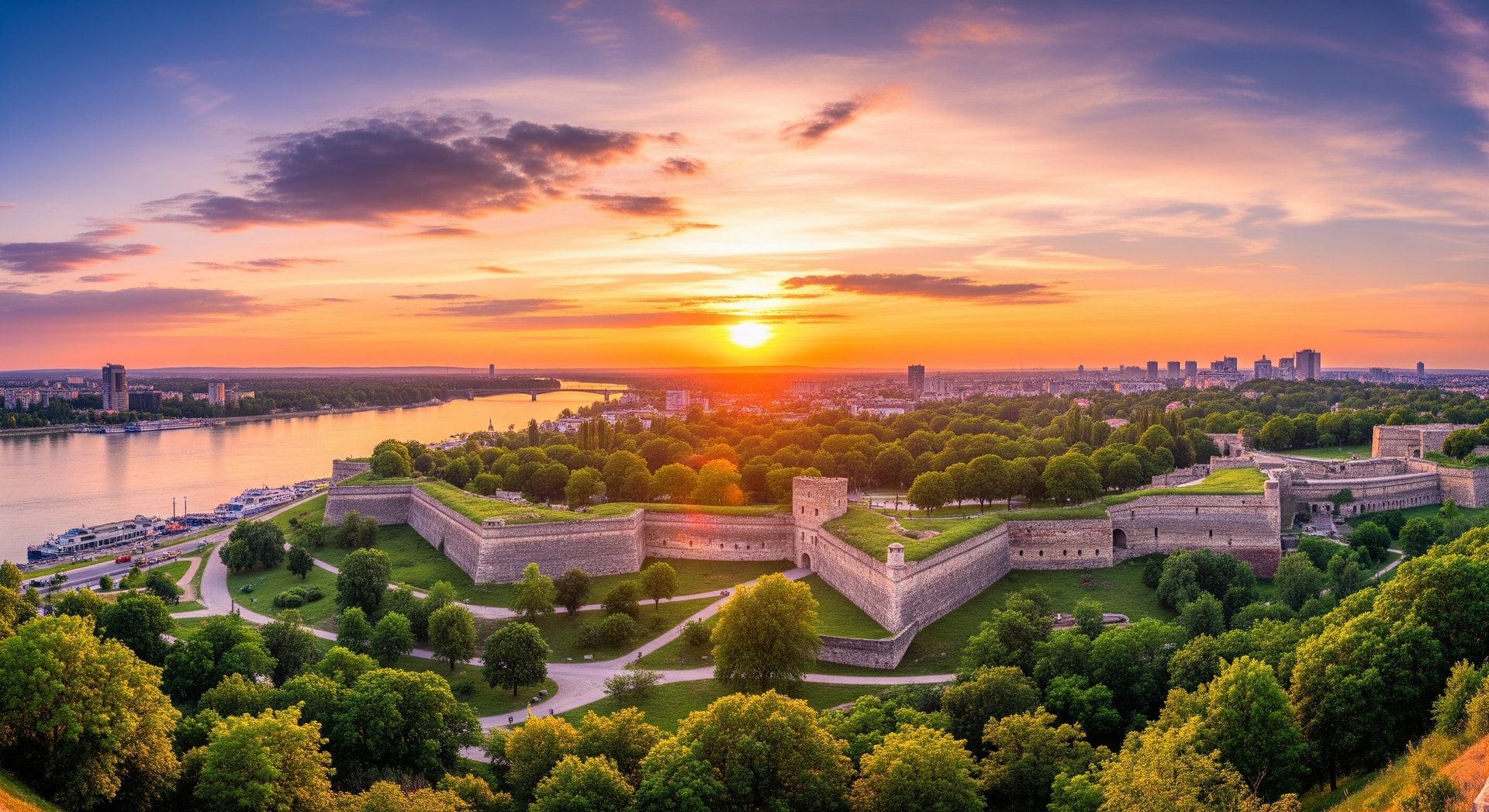
The Romanian Athenaeum — Bucharest's iconic concert hall and cultural landmark
Long-Stay & Work Visas
Long-Stay Visa (Type D)
For stays exceeding 90 days, you'll need a Long-Stay Visa (Type D). This category covers employment, studies at Romanian universities, family reunification, scientific research, and other long-term purposes. Long-stay visas are typically valid for up to 1 year and serve as the basis for obtaining a Romanian residence permit.
Employment in Romania
Working in Romania requires a work permit issued by the Romanian Immigration Inspectorate, followed by a Long-Stay Visa for employment purposes. EU citizens have the right to work freely without additional permits. Third-country nationals must have a job offer from a Romanian employer who initiates the work permit process. The Romanian labor market has grown significantly, particularly in IT, automotive manufacturing, and business services sectors.
Student Visas
Romania hosts numerous international students at its universities in Bucharest, Cluj-Napoca, Timisoara, and Iasi. Student visas require acceptance from a recognized Romanian educational institution, proof of tuition payment, accommodation arrangements, and evidence of financial means to support yourself during studies.
Peles Castle — A masterpiece of 19th-century architecture in the Carpathian Mountains
Schengen & Entry Requirements
Romania and the Schengen Area
Romania is an EU member but is not yet a full member of the Schengen Area. However, holders of valid Schengen visas (double or multiple entry) can enter Romania without obtaining a separate Romanian visa, provided the Schengen visa is still valid with remaining days. Similarly, holders of Romanian visas cannot use them to enter Schengen countries — separate Schengen visas are required.
Entry Requirements for All Travelers
• Passport validity: Must be valid for at least 3 months beyond your planned departure from Romania, with at least 2 blank pages
• Travel insurance: Mandatory coverage of at least €30,000 for medical emergencies and repatriation
• Financial proof: Approximately €50 per day of stay, demonstrated through bank statements, credit cards, or cash
• Accommodation: Hotel reservations, rental agreements, or an invitation letter from a Romanian host
• Return transportation: Confirmed flight tickets or proof of onward travel
Special Entry Notes
Romania shares borders with Bulgaria, Hungary, Serbia, Ukraine, and Moldova. Land border crossings are available at multiple points, but processing times can vary. The busiest entry points are Henri Coanda International Airport (Bucharest) and the Hungarian border crossings.
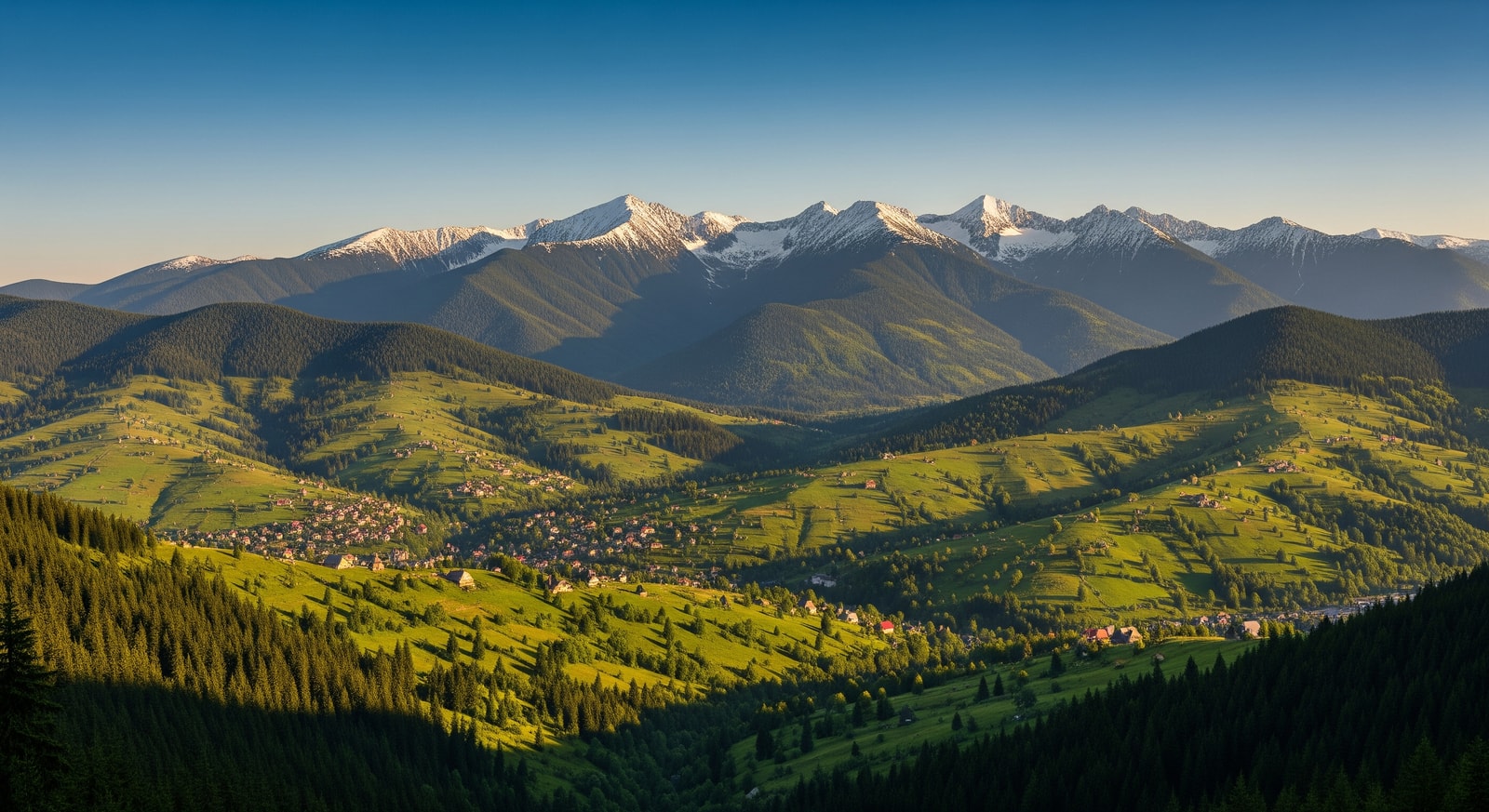
The Carpathian Mountains — Romania's spectacular natural backbone
Processing & Travel Tips
Visa Processing Times
Standard processing for Romanian visas takes 10-15 business days from the date of application submission at a consulate or visa application center. During peak summer months and around major holidays (Christmas, Easter), processing may extend to 20-30 days. We recommend applying at least 4-6 weeks before your intended travel date.
Application Process
Romanian visa applications must typically be submitted in person at a Romanian embassy or consulate, or through an authorized visa application center. An appointment is usually required. Biometric data (fingerprints and digital photo) may be collected during your appointment.
Best Time to Visit Romania
Romania offers distinct experiences throughout the year. Spring (April-May) brings mild weather and blooming landscapes. Summer (June-August) is ideal for hiking the Carpathians and exploring the Black Sea coast. Autumn (September-October) offers stunning fall colors in Transylvania and is perfect for wine harvesting festivals. Winter (December-February) transforms Romania into a wonderland for skiing in Poiana Brasov or Sinaia, and Christmas markets in Sibiu and Bucharest.
Getting Around
Romania has well-connected domestic flights, an extensive railway network, and good intercity bus services. Renting a car offers the most flexibility for exploring the countryside, castles, and mountain villages. Major credit cards are widely accepted in cities, though cash (Romanian Leu) is preferred in rural areas.
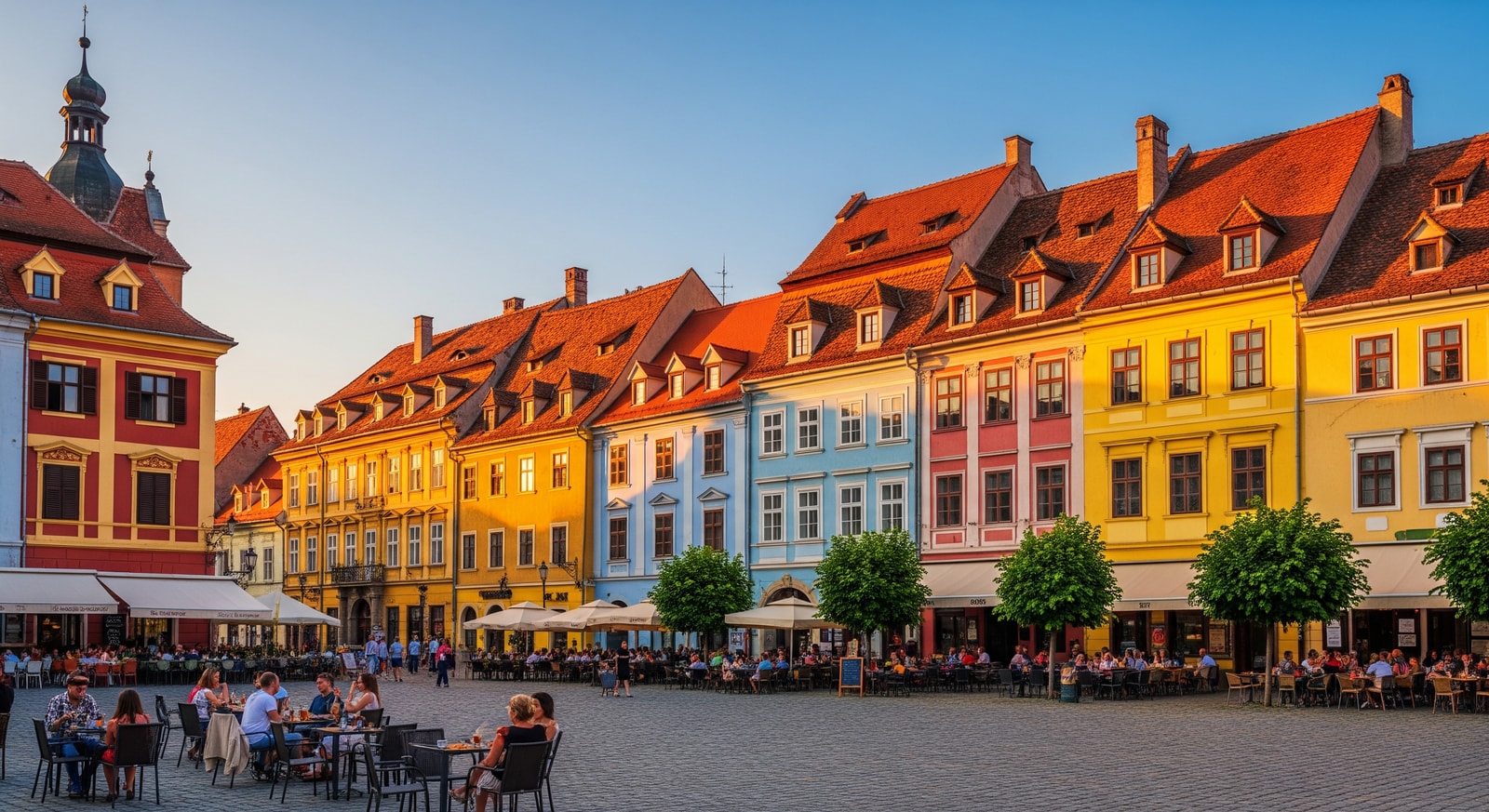
Sibiu — A beautifully preserved medieval city and European Capital of Culture
Why Choose DoVisa?
See the difference between applying yourself vs using our expert service
Travelers to Romania rated this product 4.7 out of 5 based on 12 reviews.
4.7/ 5
Based on 12 verified reviews
Filter by rating
Michael R.Jan 15, 2026
"Got my Romania visa sorted in just under two weeks. DoVisa made the consulate appointment process so much easier to understand. Now exploring Transylvania!"
Elena K.Jan 8, 2026
"The Schengen vs Romania visa rules were confusing but DoVisa support explained everything clearly. My application was approved without any issues."
James T.Dec 29, 2025
"Processing took about 12 days which was within the stated timeframe. Good documentation guidance. Would use again for my next trip."
Sofia M.Dec 18, 2025
"Excellent service! They helped me prepare all the documents for my business visa. The checklist feature was super helpful for the consulate visit."
Daniel P.Dec 5, 2025
"First time visiting Romania to see Dracula's castle. DoVisa walked me through every step. Visa approved and trip was amazing!"
Anna L.Nov 20, 2025
"Solid service overall. The insurance requirement clarification was particularly useful. Got my visa in about 15 days."
Robert H.Oct 28, 2025
"Applied for a multiple entry visa for business trips to Bucharest. DoVisa's guidance on the invitation letter requirements was spot on. Highly recommend."
Maria C.Sep 15, 2025
"The team answered all my questions about Romania not being in Schengen yet. Very knowledgeable and patient with my many emails!"
Thomas W.Aug 22, 2025
"Good experience with the visa application process. Communication could be slightly faster but overall satisfied with the service."
Laura B.Jul 10, 2025
"Used DoVisa for my family trip to Romania. They helped with all four applications and everything went smoothly at the embassy."
Stefan N.May 18, 2025
"Professional service from start to finish. My visa was ready in 10 days. Already planning my next Romanian adventure!"
Jennifer A.Mar 25, 2025
"Very helpful with the financial documentation requirements. The €50/day rule was clearly explained. Visa approved!"
Michael R.Jan 15, 2026
"Got my Romania visa sorted in just under two weeks. DoVisa made the consulate appointment process so much easier to understand. Now exploring Transylvania!"
Elena K.Jan 8, 2026
"The Schengen vs Romania visa rules were confusing but DoVisa support explained everything clearly. My application was approved without any issues."
James T.Dec 29, 2025
"Processing took about 12 days which was within the stated timeframe. Good documentation guidance. Would use again for my next trip."
Romania Visa FAQs
What types of visas are available for Romania?
Romania offers several visa categories to accommodate different travel purposes. Short-Stay Visa (Type C) allows stays up to 90 days within any 180-day period for tourism, business visits, family visits, or attending events. Long-Stay Visa (Type D) is for stays exceeding 90 days, including employment, studies, family reunification, or long-term business activities. Transit visas are available for those passing through Romania to reach another destination. Additionally, Romania offers airport transit visas for certain nationalities who need to change planes at Romanian airports. The specific visa type required depends on your nationality, purpose of visit, and intended length of stay.
Is Romania part of the Schengen Area?
Romania is a member of the European Union but is not yet a full member of the Schengen Area. This means Romania maintains its own visa requirements separate from the Schengen visa system. However, there's good news for Schengen visa holders: Romania recognizes valid Schengen visas (double or multiple entry) for entry, allowing you to visit without obtaining a separate Romanian visa, provided your Schengen visa has remaining validity and entries. Conversely, a Romanian visa does not grant access to Schengen countries — you would need a separate Schengen visa for travel to countries like France, Germany, or Italy. Romania is actively working toward full Schengen membership, so this situation may change in the future.
Who needs a visa to visit Romania?
Visa requirements for Romania depend on your nationality. EU/EEA citizens and Swiss nationals can enter Romania freely with just a valid passport or national ID card — no visa required, no time limits. Visa-exempt countries include the United States, Canada, Australia, New Zealand, Japan, South Korea, United Kingdom, and most Latin American nations — citizens can stay up to 90 days within any 180-day period without a visa. Visa-required nationalities include citizens of many African, Asian, and Middle Eastern countries who must obtain a visa before travel. You can check Romania's Ministry of Foreign Affairs website or use DoVisa's eligibility checker to confirm requirements for your specific nationality.
What documents are required for a Romania visa?
A complete Romania visa application typically requires: Valid passport with at least 3 months validity beyond your planned stay and minimum 2 blank pages • Completed application form signed and dated • Recent biometric photo (35x45mm, white background, taken within last 6 months) • Travel insurance covering at least €30,000 for medical emergencies and repatriation • Proof of accommodation (hotel bookings, rental agreement, or invitation letter from host) • Financial proof showing approximately €50 per day of stay • Round-trip flight tickets or proof of onward travel • Cover letter explaining purpose of visit • For business visas: invitation from Romanian company • For family visits: proof of relationship and host's ID/residence documents. Additional documents may be required based on your specific circumstances.
How long does Romania visa processing take?
Standard processing time for Romania visa applications is 10-15 business days from the date of submission at a Romanian consulate or visa application center. However, processing times can vary based on several factors: application volume at your specific consulate, time of year (peak summer season and holiday periods may extend processing), complexity of your application, and whether additional documentation is requested. During busy periods, processing can take 20-30 days. We strongly recommend applying at least 4-6 weeks before your intended travel date to account for potential delays. Some consulates offer expedited processing for urgent travel needs, typically at an additional fee — check with your local Romanian consulate for availability.
How long can I stay in Romania with a tourist visa?
With a Short-Stay Visa (Type C), you can stay in Romania for up to 90 days within any 180-day period. This is calculated using a rolling 180-day window — meaning any day you look back 180 days, your total stays in Romania during that period should not exceed 90 days. The visa may be issued as single entry, double entry, or multiple entry depending on your travel needs. For visa-exempt nationals, the same 90/180 rule applies. If you need to stay longer than 90 days, you must apply for a Long-Stay Visa (Type D) before traveling, or exit Romania before your permitted stay expires. Overstaying your visa can result in fines, deportation, and future entry bans.
Can I extend my Romania visa while in the country?
Extensions for Short-Stay Visas are generally not permitted except in exceptional circumstances such as medical emergencies, force majeure events, or serious humanitarian reasons. If you need to stay longer than initially planned, you should typically exit Romania before your visa expires and apply for a new visa. For Long-Stay Visa (Type D) holders, you can apply for a residence permit at the Romanian Immigration Inspectorate (Inspectoratul General pentru Imigrări) to extend your legal stay. This application should be submitted at least 30 days before your current visa expires. The residence permit allows you to remain in Romania for extended periods and can be renewed annually depending on your purpose of stay.
Can I work in Romania with a tourist visa?
No, tourist visas and short-stay visas do not permit employment in Romania. If you wish to work in Romania, you must obtain the proper authorization: EU/EEA citizens have the right to work freely in Romania without any additional permits. Third-country nationals must first secure a job offer from a Romanian employer, who then applies for a work permit on your behalf through the Romanian Immigration Inspectorate. Once approved, you can apply for a Long-Stay Visa (Type D) for employment purposes. Working without proper authorization can result in significant fines, deportation, and bans on future entry. If you're attending business meetings or conferences, this is permitted on a business visa or even tourist visa for visa-exempt nationals, as long as you're not receiving salary from a Romanian entity.
Do I need to print my Romania visa?
Unlike electronic visas used by some countries, Romanian visas are typically affixed directly to your passport as a visa sticker. This means you must submit your physical passport during the application process and will receive it back with the visa attached. When traveling, you'll present this passport with the visa sticker at Romanian border control. Some documentation may be issued electronically (such as application confirmations or appointment letters), and these should be printed and kept with your travel documents. Always carry printed copies of your travel insurance, accommodation bookings, return flight tickets, and any other supporting documents in case they're requested at the border.
What happens if my Romania visa application is rejected?
If your Romania visa application is rejected, you will receive a written notification explaining the reason for refusal. Common rejection reasons include: incomplete documentation, insufficient financial proof, inadequate travel insurance, unclear purpose of travel, concerns about return intention, or previous immigration violations. You have the right to appeal the decision within a specified timeframe (usually 5-30 days depending on the consulate) by submitting a written appeal addressing the concerns raised. Alternatively, you can submit a new application with corrected or additional documentation addressing the refusal reasons. DoVisa offers a guarantee: if your visa is rejected due to an error on our part, we provide a full refund of our service fee and free reapplication assistance.
What is the best time to visit Romania?
Romania offers distinct experiences throughout the year. Spring (April-May) brings mild temperatures, blooming countryside, and fewer tourists — perfect for exploring villages and castles. Summer (June-August) is ideal for hiking in the Carpathian Mountains, visiting the Black Sea beaches at Constanta and Mamaia, and attending festivals; temperatures range from 25-35°C. Autumn (September-October) offers stunning fall foliage in Transylvania, wine harvest festivals, and comfortable temperatures for sightseeing. Winter (December-February) transforms Romania into a winter wonderland with excellent skiing in Poiana Brasov, Sinaia, and Predeal, plus magical Christmas markets in Sibiu and Bucharest. Each season has its charm, so the best time depends on your interests.
What are the main entry points to Romania?
Romania has several international entry points. By air: Henri Coanda International Airport (OTP) in Bucharest is the main hub, followed by Cluj-Napoca International Airport (CLJ), Timisoara (TSR), Iasi (IAS), and Sibiu (SBZ). Budget airlines connect Romania to many European cities. By land: Major border crossings include those with Hungary (Nadlac, Bors), Bulgaria (Giurgiu-Ruse bridge, Calafat-Vidin), Serbia, Ukraine, and Moldova. Border wait times vary — crossings with Hungary and Bulgaria (both EU members) are generally faster. By sea: The Black Sea port of Constanta handles cruise ships and ferries. By rail: International trains connect Romania to Budapest, Belgrade, Sofia, Vienna, and other European cities. Whichever route you choose, ensure you have all required documents ready for immigration inspection.
Is Romania safe for tourists?
Yes, Romania is generally considered a safe destination for tourists. Violent crime against visitors is rare, and most trips are trouble-free. However, as in any country, you should take standard precautions: be aware of pickpockets in crowded tourist areas and on public transport, especially in Bucharest; secure your valuables; use licensed taxis or ride-sharing apps; and avoid displaying expensive items. Romania has a well-functioning emergency system (dial 112 for emergencies). Healthcare facilities in major cities are adequate, though travel insurance is highly recommended. Romanians are known for their hospitality and are generally helpful to tourists. Rural areas and smaller towns are particularly safe and welcoming. Overall, with normal precautions, you can enjoy a worry-free visit to Romania.
Can I enter Romania with a Schengen visa?
Yes, holders of valid Schengen visas can enter Romania without obtaining a separate Romanian visa. Your Schengen visa must be a double or multiple entry visa with remaining validity and permitted stays. Single entry Schengen visas that have already been used cannot be used for Romania entry. Time spent in Romania does not count against your 90/180-day Schengen allowance since Romania is outside the Schengen zone. However, remember that a Romanian visa does not allow entry to Schengen countries. If your itinerary includes both Romania and Schengen countries, you'll need to plan your visa strategy carefully — typically obtaining a Schengen multiple entry visa that covers your entire trip is the most practical approach.
What currency is used in Romania?
Romania's official currency is the Romanian Leu (RON), with the plural form being Lei. While Romania is an EU member, it has not yet adopted the Euro. Currency exchange is available at airports, banks, and exchange offices (casa de schimb) throughout the country — exchange offices in city centers usually offer better rates than those at airports. ATMs are widely available in cities and most towns, accepting international cards. Credit cards (Visa, Mastercard) are accepted in hotels, restaurants, and shops in urban areas, but cash is preferred in rural regions, markets, and smaller establishments. It's advisable to carry some cash in Lei for smaller purchases and when traveling to remote areas. Tipping is customary — around 10% in restaurants if service charge isn't included.
Do I need travel insurance for Romania?
Yes, travel insurance is mandatory for Romania visa applications. Your policy must provide coverage of at least €30,000 for medical emergencies and repatriation, and it must be valid for the entire duration of your intended stay plus a few extra days. The insurance must cover all EU member states, not just Romania. Even if you're a visa-exempt traveler, we strongly recommend having comprehensive travel insurance that covers medical emergencies, trip cancellation, lost luggage, and other unforeseen circumstances. Romanian public healthcare, while available, may not be free or comprehensive for foreign visitors. Pharmacies are available throughout the country, but having insurance ensures you can access private medical care if needed without significant out-of-pocket expenses.
Still have questions?
Our team is here to help 24/7
Get Visa Tips & Exclusive Deals
Join 1,000+ travelers. No spam, unsubscribe anytime.






 With DoVisa