Simple 4-step process — most applications approved within 5-7 business days
1
Complete the online application
Fill out our streamlined application form with your personal details, travel plans, and itinerary for Mali. Our intelligent validation system guides you through each section, checking for common errors and ensuring your application meets Malian embassy requirements for a smooth submission.
2
Upload your documents
Submit your passport scan (bio page clearly visible), a recent passport-sized photograph, proof of accommodation in Mali, and supporting documents. Our visa specialists review every document against Malian immigration standards before submission, significantly reducing the risk of rejection.
3
We process your visa
Your verified application is prepared and submitted to the appropriate Malian consular authorities. We monitor processing status and proactively communicate any updates, requests for additional documentation, or status changes via email and SMS throughout the process.
4
Receive your visa
Once approved, your Mali visa is ready for collection or delivery. Present your visa along with your passport at Malian immigration upon arrival. Bienvenue au Mali — welcome to one of Africa's most historically significant destinations!
Mali welcomes visitors seeking to explore its extraordinary historical and cultural heritage, from the legendary city of Timbuktu to the UNESCO-listed Great Mosque of Djenne. The Malian visa system accommodates various travel purposes through its embassy and consulate network.
Tourist Visa — Single Entry
The standard Mali tourist visa allows a single entry with stays typically up to 30 days — ideal for exploring the ancient manuscripts of Timbuktu, witnessing the annual Djenne mosque replastering festival, cruising the Niger River, and trekking through the dramatic Dogon Country. This visa type suits cultural enthusiasts, history buffs, and adventure travelers. You can engage in tourism activities, visit archaeological sites, and experience Mali's rich musical heritage. Extensions may be possible at the Direction Nationale de la Police in Bamako.
Transit Visa
For travelers passing through Mali en route to other West African destinations, a transit visa permits stays up to 72 hours. This allows enough time to explore Bamako, visit the National Museum, or experience the vibrant local markets before continuing your journey. Transit visas are useful for overland travelers crossing through Mali on regional trips.
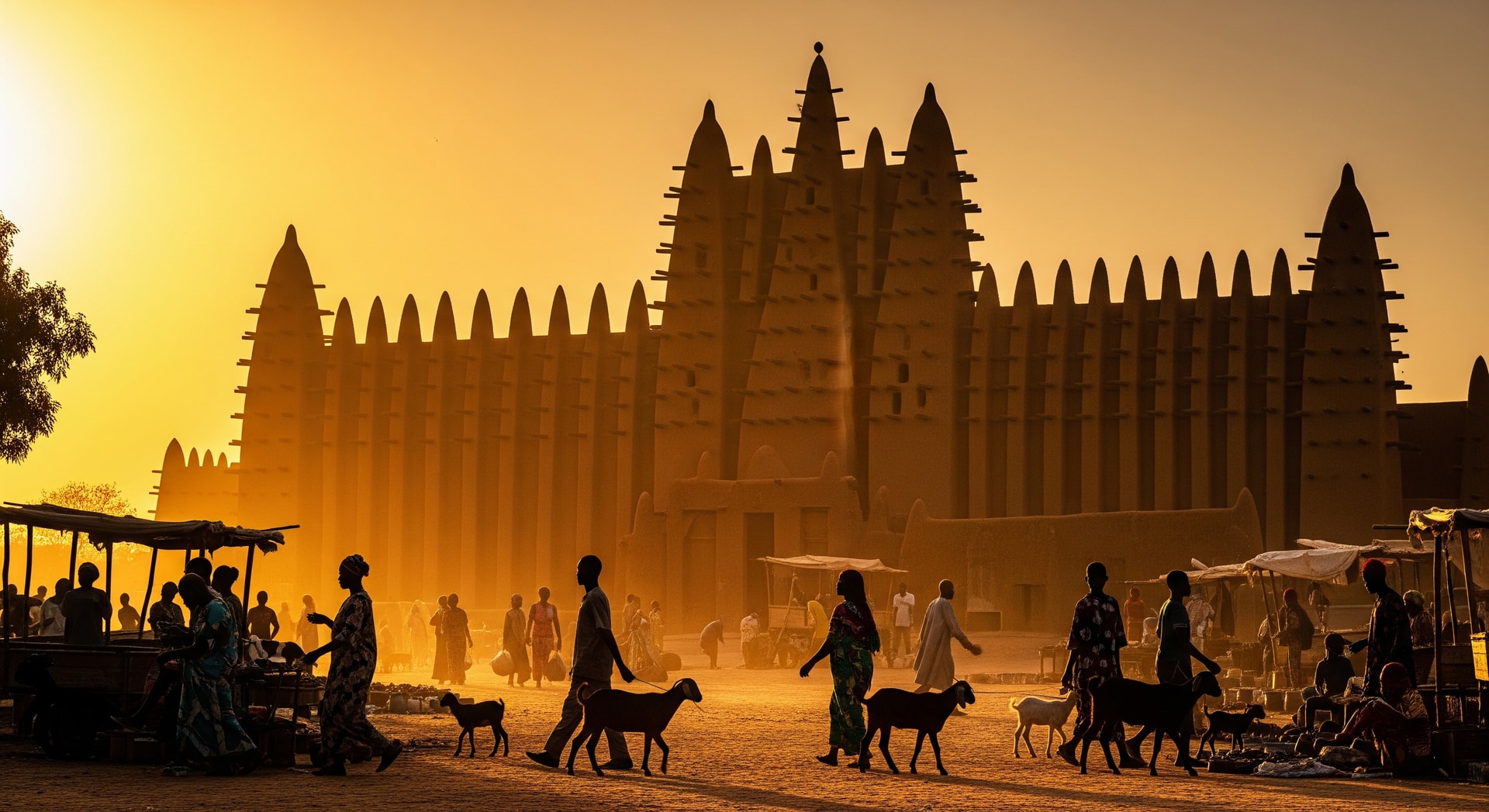
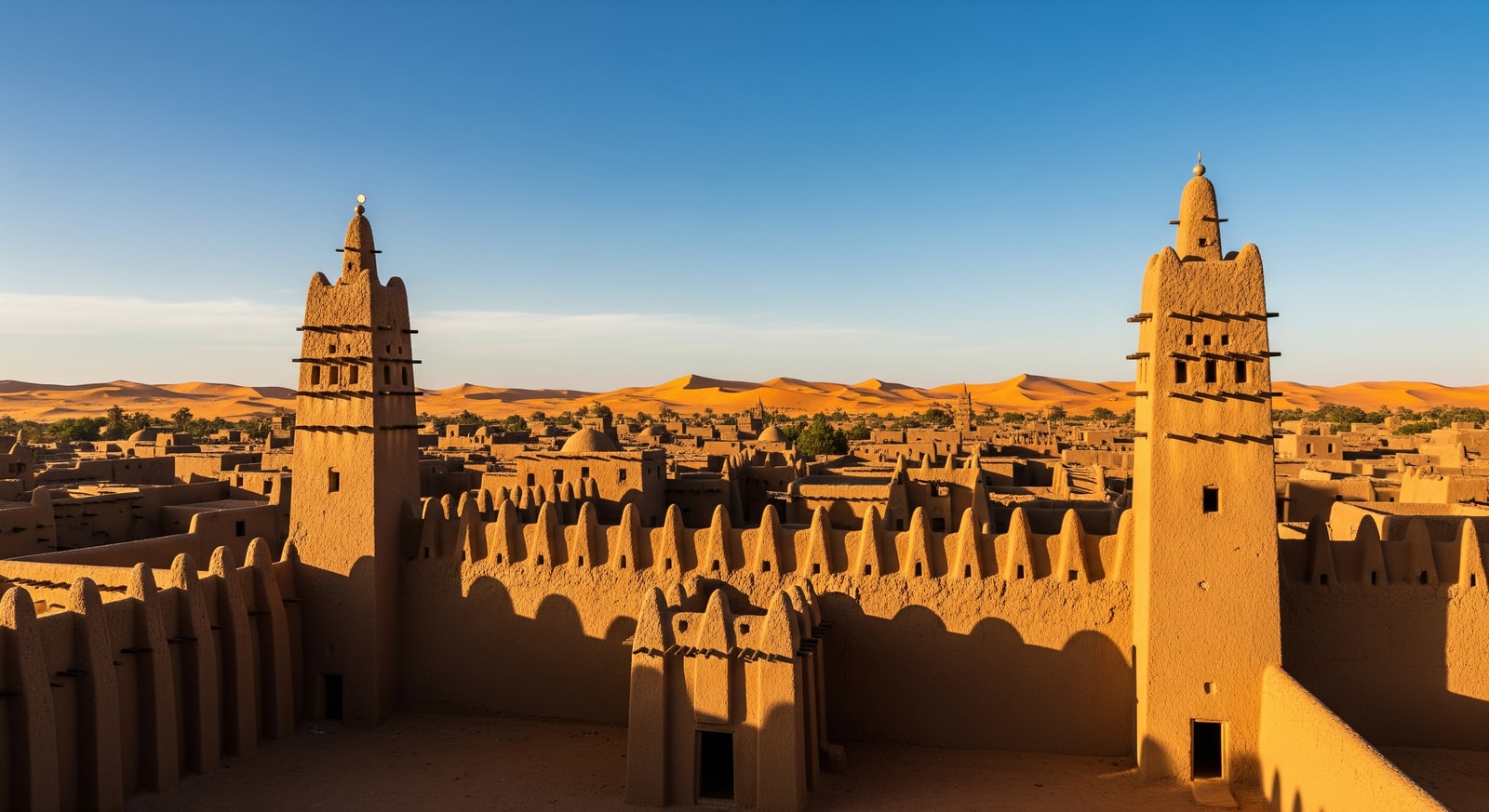
Timbuktu — The legendary city of gold and ancient learning
Business & Long-Stay Visas
Business Visa
The Mali business visa caters to professionals conducting commercial activities within the country. This includes attending business meetings, trade fairs, and conferences; exploring mining and investment opportunities; establishing trade contacts in agriculture, textiles, and other sectors; and conducting market research. Business visas allow stays up to 90 days and can be issued for single or multiple entries. Required documentation includes an invitation letter from a Malian company, your company's registration documents, and a detailed business itinerary.
Long-Stay Visa
For extended visits exceeding 90 days, Mali offers long-stay visas suitable for family reunification, employment, research projects, or humanitarian work. These visas require additional documentation including sponsorship letters, employment contracts for work purposes, or proof of family ties. Long-stay visa holders typically need to register with local authorities upon arrival and may need to obtain a residence permit for stays exceeding the initial visa period.
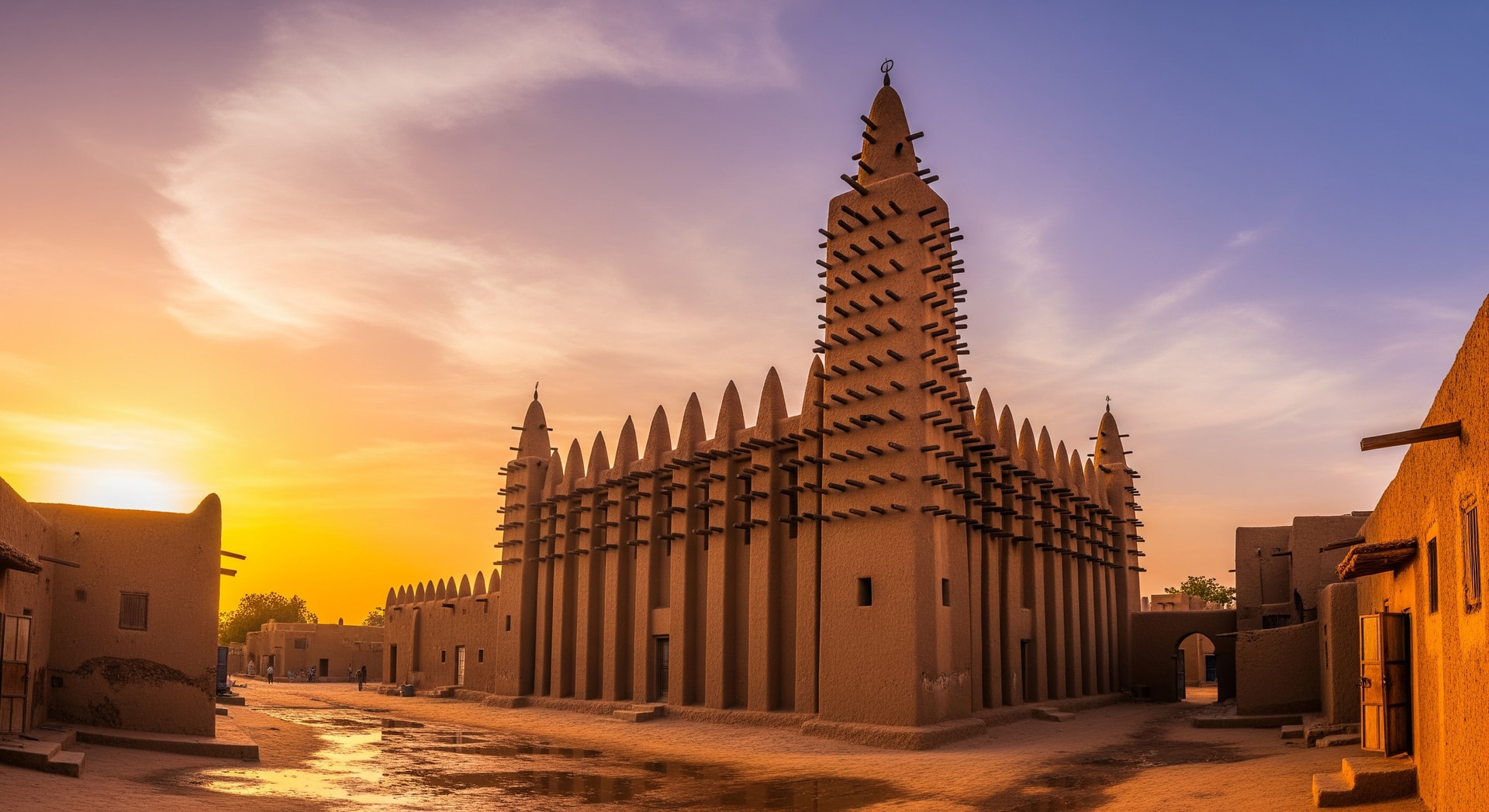
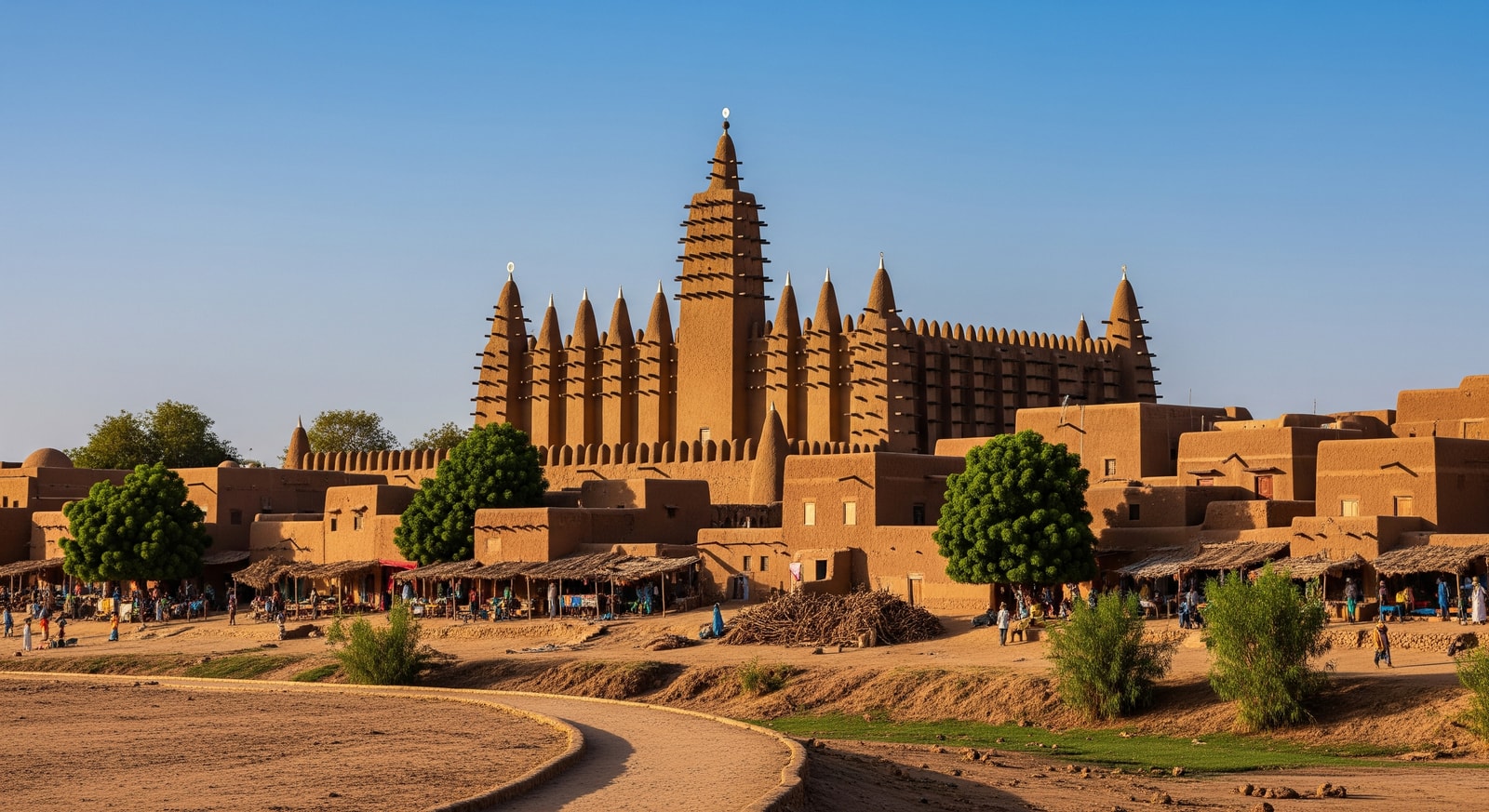
Great Mosque of Djenne — The world's largest mud-brick structure
Entry Requirements
Essential Requirements
All Mali visa applicants must meet these fundamental requirements:
• Passport validity: Minimum 6 months beyond your intended arrival date with at least two blank pages for entry stamps
• Yellow fever vaccination: Mandatory for all travelers. The International Certificate of Vaccination (yellow card) must be presented at immigration. The vaccination must be administered at least 10 days before arrival.
• Photographs: Two recent passport-sized photos (35x45mm) with white background, taken within the last 6 months
• Accommodation proof: Hotel booking confirmation or invitation letter from host in Mali with their contact details
• Travel itinerary: Flight bookings showing entry and exit from Mali
• Sufficient funds: Evidence of financial means to support your stay (bank statements recommended)
ECOWAS Citizens
Citizens of ECOWAS (Economic Community of West African States) member countries can enter Mali without a visa for stays up to 90 days using a valid national ID card or passport. ECOWAS members include Senegal, Guinea, Ivory Coast, Burkina Faso, Niger, Nigeria, Ghana, and other West African nations.
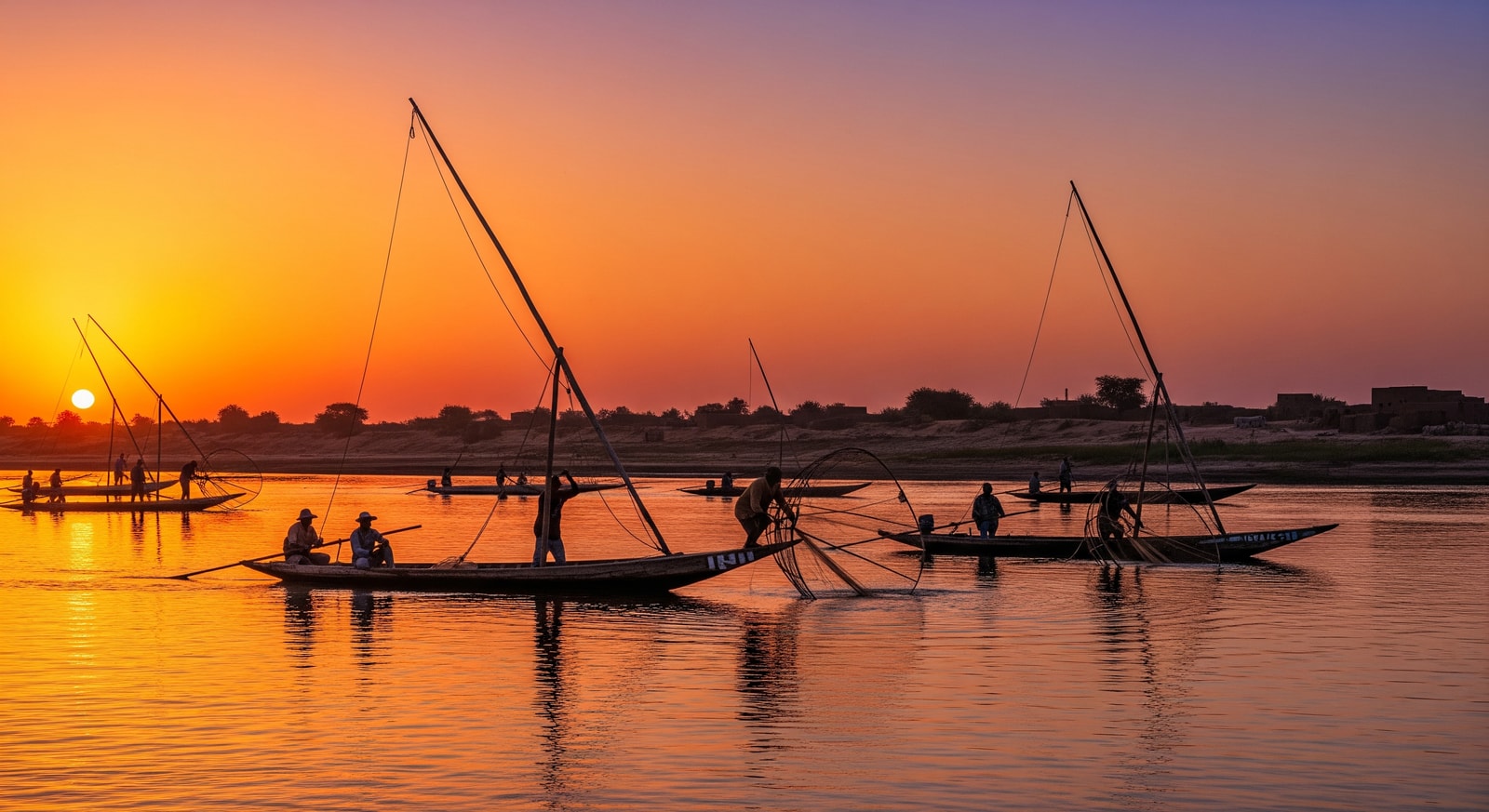
Niger River — Mali's lifeline and gateway to ancient trading routes
Entry Points & Processing
Entry Points & Immigration
Mali visas are valid at all official entry points including:
• Airports: Modibo Keita International Airport (BKO) in Bamako is the main international gateway. Mopti Airport serves domestic and regional flights.
• Land borders: Official crossings with Senegal (Kidira-Diboli), Mauritania (Nioro), Algeria (Bordj Badji Mokhtar), Niger (Ayorou), Burkina Faso (multiple crossings), Ivory Coast (Zegoua), and Guinea (Kouremale)
Processing Times & Application Timing
Visa processing typically takes 5-10 business days through Malian embassies and consulates, though times can vary. During peak tourist season (November-February, the cooler dry season) and around major festivals like the Festival au Desert, processing may take slightly longer. We recommend applying at least 3-4 weeks before your intended travel date to allow buffer time.
Travel Advisory Note
Due to ongoing security concerns in certain regions, many governments advise against travel to northern and central Mali. Tourist activities are generally concentrated in Bamako, Segou, and the safer southern regions. Always check current travel advisories and consider guided tours with reputable operators familiar with local conditions.
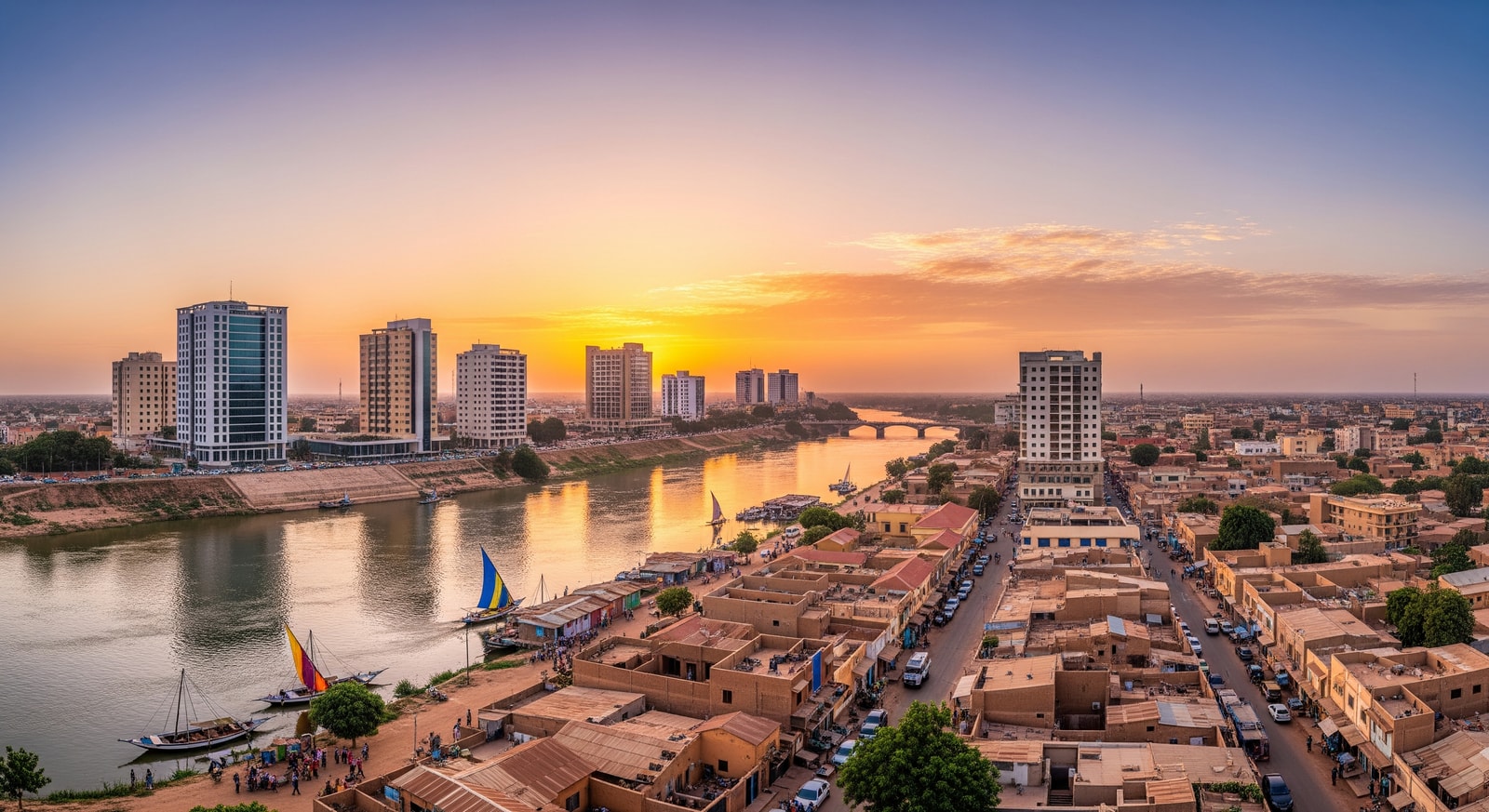
Bamako — Mali's vibrant capital on the banks of the Niger River
Why Choose DoVisa?
See the difference between applying yourself vs using our expert service
Travelers to Mali rated this product 4.7 out of 5 based on 10 reviews.
4.7/ 5
Based on 10 verified reviews
Filter by rating
Pierre D.Jan 18, 2026
"Excellent service for my Mali visa! The team guided me through the entire process and my visa was ready within a week. The documentation checklist was incredibly helpful."
Amadou K.Jan 12, 2026
"As a frequent traveler to Mali for business, DoVisa has made the process so much easier. Their French-speaking support team is a great plus for West Africa trips."
Jennifer M.Jan 5, 2026
"Got my tourist visa for Mali without any issues. The process took about 8 days which was within the expected timeframe. Good communication throughout."
Thomas R.Dec 28, 2025
"Planning a trip to see Timbuktu was a dream come true. DoVisa handled the visa perfectly and even provided helpful travel tips for Mali. Highly recommended!"
Fatou S.Dec 20, 2025
"The team was very knowledgeable about Mali visa requirements. They caught a small error in my application before submission that could have caused delays."
Michael B.Dec 15, 2025
"Business visa for Mali processed smoothly. The invitation letter requirements were clearly explained. Support team responded quickly to all my questions."
Claire L.Dec 8, 2025
"Visited Mali to see the Dogon Country and the Great Mosque of Djenne. DoVisa made the visa application stress-free so I could focus on planning my adventure."
Ibrahim T.Nov 30, 2025
"Family visa applications for 4 people all processed together efficiently. Everyone approved and we had an amazing time visiting relatives in Bamako."
Sarah W.Nov 22, 2025
"Good service overall. The yellow fever vaccination requirement reminder was very helpful. Visa arrived as promised and entry into Mali was smooth."
Jean-Paul N.Nov 15, 2025
"Research visa for studying ancient manuscripts in Timbuktu. DoVisa helped with the complex documentation requirements. Professional service from start to finish."
Pierre D.Jan 18, 2026
"Excellent service for my Mali visa! The team guided me through the entire process and my visa was ready within a week. The documentation checklist was incredibly helpful."
Amadou K.Jan 12, 2026
"As a frequent traveler to Mali for business, DoVisa has made the process so much easier. Their French-speaking support team is a great plus for West Africa trips."
Jennifer M.Jan 5, 2026
"Got my tourist visa for Mali without any issues. The process took about 8 days which was within the expected timeframe. Good communication throughout."
Mali Visa FAQs
What types of visas are available for Mali?
Mali offers several visa categories to accommodate different travel purposes. Tourist visa allows stays up to 30 days for sightseeing, cultural experiences, and visiting historical sites like Timbuktu and Djenne. Business visa permits stays up to 90 days for commercial activities including meetings, conferences, and trade exploration. Transit visa allows up to 72 hours for travelers passing through Mali to other destinations. Long-stay visa is available for extended visits related to work, family reunification, research, or humanitarian activities. The right visa depends on your travel purpose, duration, and intended activities in Mali.
Do I need a visa to visit Mali?
Most foreign nationals require a visa to enter Mali. Visa required: Citizens of most countries including the United States, United Kingdom, European Union nations, Australia, and Canada need to obtain a visa before arrival. Visa-free access: Citizens of ECOWAS (Economic Community of West African States) member countries can enter Mali without a visa for stays up to 90 days. ECOWAS members include Senegal, Guinea, Ivory Coast, Burkina Faso, Niger, Nigeria, Ghana, Togo, Benin, Cape Verde, Sierra Leone, Liberia, Gambia, and Guinea-Bissau. Verification: Always confirm current requirements for your specific nationality before traveling, as regulations can change.
What documents are required for a Mali visa application?
Essential documents for all applications: Valid passport with minimum 6 months validity beyond your stay and at least 2 blank pages; two recent passport-sized photographs (35x45mm, white background); completed application form; proof of yellow fever vaccination (mandatory). Tourist visa additional requirements: Hotel booking confirmations or invitation letter from host in Mali; round-trip flight itinerary; proof of sufficient funds (bank statements). Business visa additional requirements: Invitation letter from Malian company on official letterhead; employer support letter; company registration documents; business itinerary. All applicants: Travel insurance is recommended though not always mandatory. Documents should be clear and legible.
How long does Mali visa processing take?
Mali visa processing typically takes 5-10 business days through embassy or consulate applications. Processing times can vary based on several factors: Embassy workload affects timing, with peak tourist season (November-February) potentially experiencing longer waits. Application completeness significantly impacts speed — applications with all required documents process faster. Visa type matters, as business visas requiring company verification may take longer. Recommendations: Apply at least 3-4 weeks before travel; ensure all documents meet requirements; respond promptly to any information requests. DoVisa's document review helps ensure applications are complete before submission.
Is yellow fever vaccination required for Mali?
Yes, yellow fever vaccination is mandatory for all travelers entering Mali, regardless of where you're traveling from. This is strictly enforced at all entry points. You must present your International Certificate of Vaccination (yellow card) to immigration officials upon arrival. Important timing: The vaccination must be administered at least 10 days before your arrival in Mali to be considered valid. Lifetime validity: A single yellow fever vaccination now provides lifetime protection according to WHO guidelines — you don't need boosters. Where to get vaccinated: Visit an authorized yellow fever vaccination center or travel health clinic in your home country. They will issue the official yellow card. Without certificate: Travelers without valid proof of vaccination may be denied entry or required to be vaccinated at the airport, which can cause significant delays.
Can I extend my Mali visa once I arrive?
Yes, Mali tourist and business visas can potentially be extended while in the country. Where to apply: Extensions are processed at the Direction Nationale de la Police in Bamako or regional police headquarters in major cities. Requirements: Valid passport with remaining blank pages, current visa, passport photographs, completed extension application form, proof of accommodation for extended stay, proof of sufficient funds, and the extension fee. Process: Applications should be submitted before your current visa expires. Processing typically takes several days. Important: Extension approval is discretionary and not guaranteed. Overstaying your visa is a serious offense that can result in fines, detention, or future entry bans. Planning ahead: If you know you'll need more than 30 days, consider applying for a longer visa initially or a business visa which allows up to 90 days.
What are the main entry points into Mali?
Mali has several official entry points for international travelers. By air: Modibo Keita International Airport (BKO) in Bamako is the main international gateway, receiving flights from Paris, Casablanca, Addis Ababa, and other African capitals. By land: Official border crossings include Kidira-Diboli (Senegal), Nioro (Mauritania), crossings with Burkina Faso at Koloko, Faramana, and Heremakono, crossings with Ivory Coast near Zegoua, crossings with Guinea near Kouremale, crossings with Niger near Ayorou, and Bordj Badji Mokhtar (Algeria). By river: Some travelers enter via Niger River boat services from neighboring countries. Travel advisory: Due to security concerns, many land borders in northern and central Mali are not recommended for travel. Check current advisories and stick to well-established routes.
Is Mali safe for tourists?
Mali's security situation varies significantly by region. Higher risk areas: Northern Mali (including Timbuktu, Gao, Kidal) and central regions have active security threats. Most governments advise against all travel to these areas. Relatively safer areas: Bamako and the southern regions, including Segou, Sikasso, and areas along the southern Niger River, have better security situations, though standard precautions apply. Practical advice: Always check your government's current travel advisories; register with your embassy before travel; use reputable tour operators familiar with local conditions; avoid traveling at night outside cities; stay informed about local developments. Guided tours: For destinations like Djenne and Dogon Country, organized tours with experienced guides are strongly recommended. Many operators have extensive security protocols and local knowledge that enhance safety.
Can I work in Mali with a tourist visa?
No, Mali tourist visas do not permit employment. Tourist visas are strictly for leisure activities, sightseeing, visiting friends and family, and cultural experiences. Business visas allow commercial activities like meetings and trade exploration but not paid employment with a Malian employer. Legal employment requires a work permit and long-stay visa, which involves employer sponsorship by a registered Malian entity, extensive documentation, and immigration approvals. Volunteer work: Genuine volunteer activities with registered NGOs or humanitarian organizations may require specific authorization — check with the relevant embassy. Penalties: Working illegally risks fines, deportation, and future visa bans. Mali immigration can conduct checks, particularly at businesses employing foreign nationals.
What currency is used in Mali and can I use cards?
Mali uses the West African CFA Franc (XOF), the common currency of the West African Economic and Monetary Union. Cash is essential: Mali is primarily a cash-based economy. Bring sufficient Euros or US Dollars to exchange upon arrival — Euros often get better rates as the CFA is pegged to the Euro. Exchange at banks, authorized forex bureaus, or major hotels in Bamako. Card acceptance: Very limited. Some upscale hotels and restaurants in Bamako may accept Visa or Mastercard, but don't rely on cards outside the capital. ATMs exist in Bamako but can be unreliable — always have cash backup. Practical tips: Bring clean, undamaged notes; smaller denominations are useful for daily transactions; keep money secure and be discreet when handling cash in public. Tipping: Small tips are appreciated for good service, typically 500-1000 CFA for guides and hotel staff.
What is the best time to visit Mali?
The best time to visit Mali is during the cool dry season from November to February. November-February: Temperatures are pleasant (20-30C), minimal rainfall, excellent visibility for photography, and the Niger River is navigable for boat trips. This is peak tourist season with the best conditions for visiting Timbuktu, Djenne, and Dogon Country. March-May: Hot season with temperatures exceeding 40C. Very challenging travel conditions, though fewer tourists. The harmattan dust wind can reduce visibility. June-October: Rainy season with heavy showers, particularly in the south. Roads can become impassable, and some areas flood. Not recommended for tourism. Special events: The Festival au Desert (usually January-February) showcases Tuareg music and culture. The annual replastering of the Great Mosque of Djenne occurs before the rainy season, typically in April.
Do children need their own Mali visa?
Yes, every traveler including children and infants requires their own Mali visa. There are no family visas or provisions for children traveling on parents' documents. Requirements for children: Valid passport in the child's own name with 6+ months validity; passport-sized photographs meeting standard specifications; completed application with child's details; yellow fever vaccination certificate. Additional documentation: If a child travels with only one parent, a notarized consent letter from the absent parent may be required. Children traveling without parents need notarized authorization from both parents and may need to travel with an authorized adult. Application process: Parents typically apply for children's visas together with their own applications. Fees: Children generally pay the same visa fees as adults — there are typically no reduced rates for minors.
What happens if my Mali visa application is rejected?
Mali visa rejections can occur but are relatively uncommon for properly prepared applications. Common rejection reasons: Incomplete documentation; passport validity issues; photos not meeting specifications; missing yellow fever certificate; insufficient proof of funds or accommodation; concerns about travel purpose; criminal background issues. If rejected: You'll receive notification of the rejection. Mali embassies may not provide detailed reasons. You can reapply with improved documentation addressing potential issues. Prevention: Ensure documents are complete and meet all requirements; verify passport validity; provide comprehensive travel plans; include proof of funds and confirmed accommodation. DoVisa assistance: Our document review service identifies potential issues before submission, significantly reducing rejection risk. If rejection results from our processing error, we provide refund and reapplication assistance.
What are Mali's main tourist attractions?
Mali offers extraordinary historical and cultural attractions. Timbuktu: The legendary city was once Africa's intellectual and spiritual capital, home to ancient mosques and libraries containing priceless manuscripts. Great Mosque of Djenne: The world's largest mud-brick building, a UNESCO World Heritage Site, and an architectural masterpiece rebuilt annually. Dogon Country: The dramatic Bandiagara Escarpment, home to the Dogon people with their unique cliff dwellings, traditional ceremonies, and ancient cosmological beliefs. Niger River: Take a traditional pinasse boat trip along Africa's third-longest river, passing fishing villages and historic trading towns. Bamako: The vibrant capital offers the National Museum, Bamako Grand Mosque, and lively markets. Segou: Colonial architecture, pottery traditions, and access to the Niger River. Note that security restrictions currently limit access to some northern attractions.
Do I need travel insurance for Mali?
While not always a mandatory visa requirement, comprehensive travel insurance is strongly recommended for Mali. Medical coverage: Essential due to limited healthcare facilities. Ensure your policy covers emergency medical evacuation to a country with advanced medical care — this can cost tens of thousands of dollars without insurance. Trip cancellation: Given Mali's evolving security situation, trip cancellation coverage provides protection if travel advisories change. Coverage should include: Emergency medical treatment and hospitalization; medical evacuation and repatriation; trip cancellation and interruption; lost or stolen belongings; 24-hour emergency assistance line. Policy verification: Confirm your policy covers Mali specifically, as some insurers exclude certain regions or countries. Adventure activities like trekking in Dogon Country may need additional coverage. Bring documentation: Carry printed proof of insurance and emergency contact numbers during your trip.
Still have questions?
Our team is here to help 24/7
Get Visa Tips & Exclusive Deals
Join 1,000+ travelers. No spam, unsubscribe anytime.


 With DoVisa