
Ireland flag

Get Your Ireland Visa Online

Fast visa processing for tourism, business, and study — experience the Emerald Isle

4.6Trustpilot

Check Visa Requirements

See if you need a visa for Ireland

Please select your passport
Where are you going?

How to Get Your Ireland Visa

Quick 4-step process — most travelers approved within 5-15 business days

1

Complete the online application

Fill out our streamlined application form with your travel details and personal information. Our intelligent validation system pre-checks every field against Irish Naturalisation and Immigration Service (INIS) requirements, catching errors before submission and ensuring your application is complete.

2

Upload your documents

Submit a clear passport scan (bio page with photo), recent digital photograph meeting Irish visa specifications, and supporting documents such as accommodation bookings and travel insurance. Our document specialists verify everything meets INIS standards to prevent delays.

3

We process your visa

Your verified application is submitted to the Irish immigration authorities through official channels. We track processing status continuously and notify you immediately of any updates, decisions, or additional documentation requests via email and SMS.

4

Receive your visa

Once approved, your visa will be stamped in your passport or issued electronically depending on your nationality and visa type. You can then board your flight to Ireland and present your documents at immigration. Ceud mile failte — a hundred thousand welcomes!
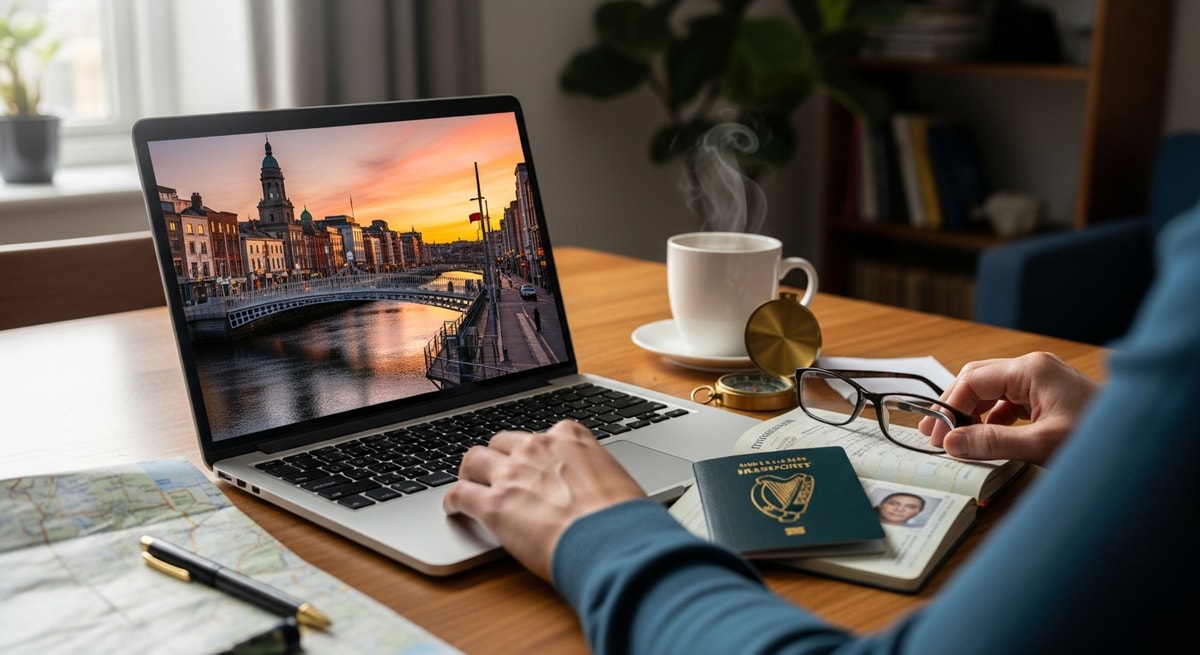
Traveler planning Ireland trip with laptop showing Dublin cityscape and passport
0+Happy Travelers
0/7Expert Support
0%+Approval Rate
0Customer Rating

Ireland Visa Requirements & Entry Information

Short Stay C Visa

Up to 90 days

For tourism, family visits, and short business trips

Business Visa

Up to 90 days

For meetings, conferences, and business activities

Long Stay D Visa

Over 90 days

For extended stays, study, or employment purposes

Working Holiday

Up to 12 months

Work and travel for eligible nationalities ages 18-35

Essential Requirements

  • 📘Passport valid 6+ months beyond travel dates
  • 📷Two recent passport-sized photographs
  • 💰Proof of sufficient funds for your stay
  • 🏨Confirmed accommodation bookings
  • 🏥Travel insurance covering medical expenses
  • ✈️Return or onward travel ticket

Short Stay & Tourist Visas
Ireland operates its own independent visa system, separate from the Schengen Area. This means a Schengen visa does not permit entry to Ireland, and an Irish visa does not grant access to Schengen countries. Ireland offers straightforward visa pathways for tourists and short-term visitors, with many nationalities enjoying visa-free access. Visa-Free Entry Citizens of the European Union, European Economic Area (EEA), and Switzerland can enter Ireland freely without any visa and have the right to live and work there. Additionally, nationals from approximately 70 countries can visit Ireland visa-free for up to 90 days, including citizens of the United States, Canada, Australia, New Zealand, Japan, South Korea, Brazil, Argentina, and many others. These visitors receive a stamp upon arrival permitting a stay of up to 90 days for tourism or business. Short Stay C Visa Travelers from countries requiring a visa must apply for a Short Stay C Visa before traveling to Ireland. This includes citizens of China, India, Russia, South Africa, Nigeria, Philippines, and many other nations. The Short Stay C Visa allows visits of up to 90 days for purposes including tourism, visiting family and friends, business meetings, conferences, short courses, and medical treatment. Processing typically takes 5-15 business days through the standard service, with faster processing available for urgent travel needs.
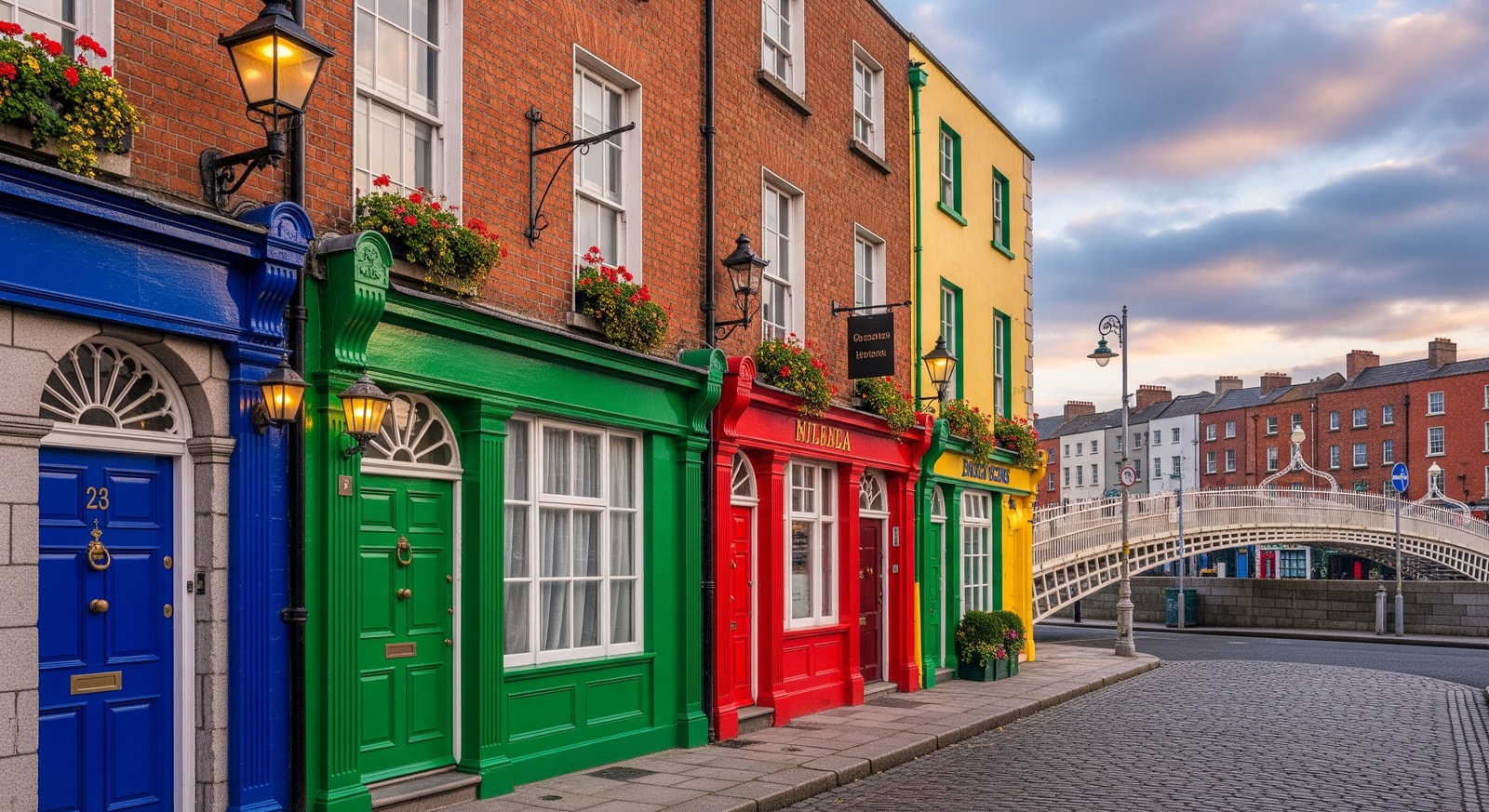
Colorful Georgian doors and facades along a Dublin street with Ha'penny Bridge in the background
Dublin — Ireland's vibrant capital blending Georgian elegance with modern energy

Work & Long Stay Visas

Long Stay D Visa For stays exceeding 90 days, travelers require a Long Stay D Visa. This category covers employment, study, family reunification, and other extended purposes. Long Stay D Visa holders must register with the Irish immigration authorities within 90 days of arrival to obtain an Irish Residence Permit (IRP), which allows them to remain in Ireland for the duration of their permission. Employment Permit & Work Authorization Non-EEA nationals wishing to work in Ireland typically need an Employment Permit before applying for their visa. The most common types include the Critical Skills Employment Permit for highly skilled occupations in demand, and the General Employment Permit for other qualifying positions. Employers must demonstrate that the position couldn't be filled by an EU/EEA national. Once you have your employment permit, you apply for the appropriate D Visa to enter Ireland. Working Holiday Programme Ireland has Working Holiday agreements with Argentina, Australia, Canada, Chile, Hong Kong, Japan, New Zealand, South Korea, Taiwan, and the United States. These programs allow young people (typically ages 18-30 or 18-35 depending on nationality) to live and work in Ireland for up to 12 months. The Working Holiday Authorisation permits any type of employment and is a fantastic opportunity to experience Irish culture while earning money to support your travels.
Young professionals in a modern Dublin tech office with views of the River Liffey
Dublin's tech sector offers opportunities for skilled international workers

British-Irish Visa Scheme & Student Visas

British-Irish Visa Scheme (BIVS) Ireland and the United Kingdom have a special arrangement called the British-Irish Visa Scheme that allows nationals of China and India to travel freely between Ireland and the UK using a single visa. If you hold a qualifying Irish short-stay visa endorsed with "BIVS," you can also visit the UK. Similarly, a BIVS-endorsed UK visa allows travel to Ireland. This scheme is particularly useful for travelers wishing to explore both countries on one trip — visit Dublin and then take a short flight to London, or explore Belfast (UK) after touring the Republic of Ireland. Student Visa International students from visa-required countries planning to study in Ireland for more than 90 days need a Long Stay D Visa for Study. Requirements include: acceptance from an approved Irish educational institution, payment of course fees (or evidence of scholarship), proof of sufficient funds (currently approximately EUR 10,000 per year of study), private medical insurance, and evidence of English language proficiency if studying in English. Students can work part-time during term (20 hours per week) and full-time during holidays (40 hours per week). Ireland's universities, particularly in Dublin, Cork, and Galway, attract thousands of international students annually.
Historic Trinity College Dublin Library with its famous Long Room filled with ancient books
Trinity College Dublin — Home of the Book of Kells and centuries of learning

Entry Points & Processing Information
Irish Airports & Entry Points Ireland's main international gateway is Dublin Airport (DUB), serving the vast majority of international arrivals with connections to destinations worldwide. Shannon Airport (SNN) on the west coast handles transatlantic flights and serves the Wild Atlantic Way region. Cork Airport (ORK) serves Ireland's second city with European connections. Ireland West Airport Knock (NOC) provides access to the northwest. All airports have full immigration facilities for visa processing upon arrival. The Common Travel Area Ireland and the United Kingdom share the Common Travel Area (CTA), meaning there are no routine immigration controls for travel between the two countries. However, you may be asked to show identification, and immigration officers can conduct checks. Importantly, having the right to enter one country does not automatically grant the right to enter the other unless you qualify under both countries' rules. Non-visa nationals can often travel freely between Ireland and the UK, but visa nationals should check requirements carefully. Processing Times & Fees Standard Short Stay C Visa processing takes approximately 5-15 business days, though this can extend during peak periods (summer, Christmas). Long Stay D Visa applications typically require 8-12 weeks. The current single-entry Short Stay visa fee is EUR 60, with multi-entry at EUR 100. Long Stay D Visas cost EUR 100. We recommend applying at least 4-6 weeks before your intended travel date to allow for any unexpected delays.
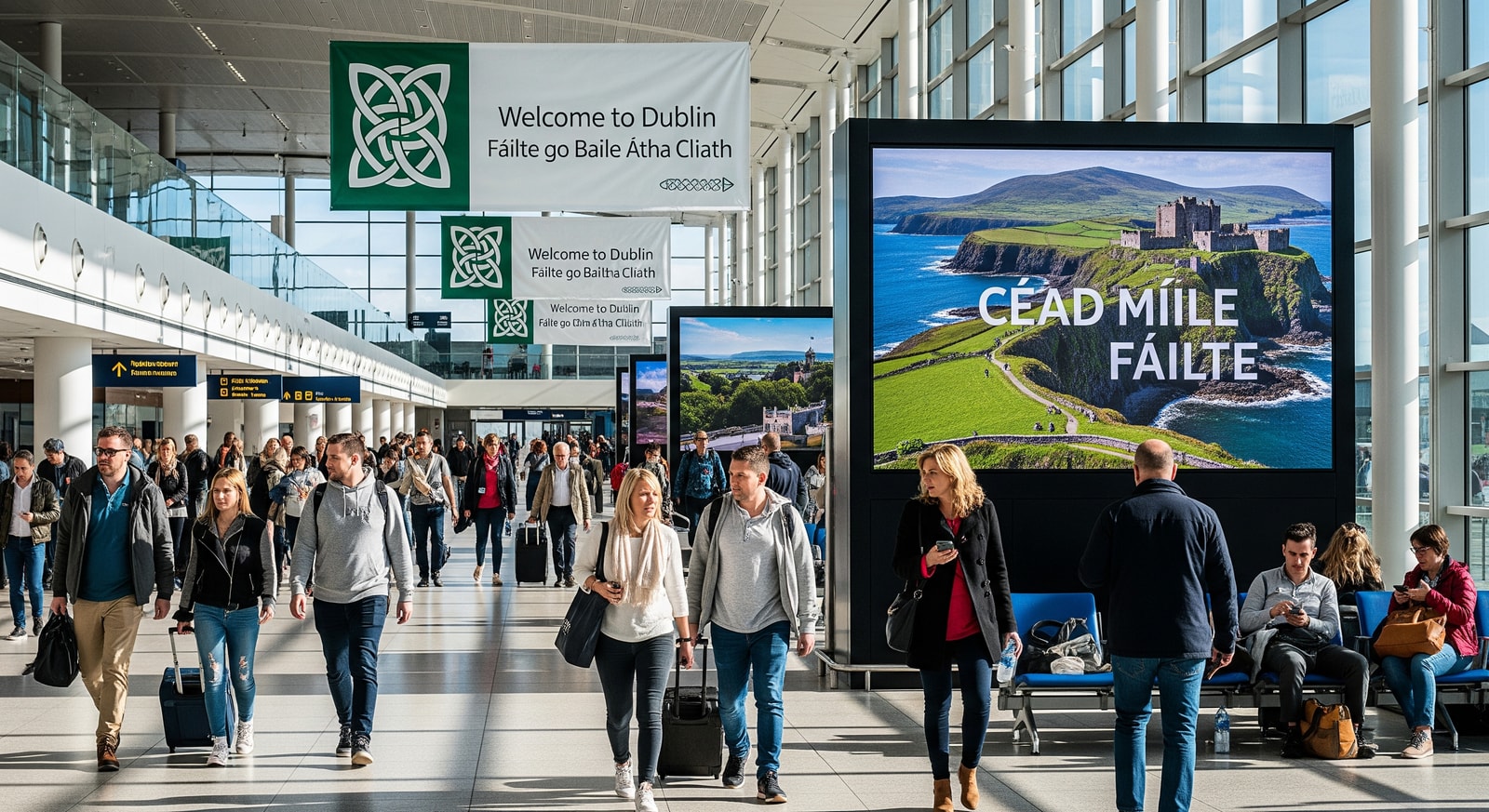
Modern Dublin Airport terminal interior with travelers and Irish welcome signs
Dublin Airport welcomes millions of visitors to Ireland each year

Why Choose DoVisa?

See the difference between applying yourself vs using our expert service

Feature
📋Applying Yourself
With DoVisa
Application reviewExpert review before submissionNo expert check100% reviewed by experts
Document validationCheck documents meet requirementsRisk of rejectionPre-checked for errors
Customer supportHelp when you have questionsGovernment offices only24/7 dedicated support
Form guidanceAssistance filling out formsComplex forms aloneStep-by-step guidance
Status trackingKnow where your application isManual checkingReal-time updates
Refund if deniedProtection if visa is rejectedNo refund possibleMoney-back guarantee

Check Your Requirements

See what you need for Ireland

Please select your passport
Where are you going?
1,000+Visas processed
24/7Expert support
4.7Customer rating
98%Approval rate

Certified Customer Reviews

Travelers to Ireland rated this product 4.7 out of 5 based on 13 reviews.

4.7/ 5
Based on 13 verified reviews

Filter by rating

Patrick O.Jan 15, 2026

"Visiting my relatives in Cork was made so much easier with DoVisa. The application process was clear and my visa arrived faster than expected. Already planning my next trip!"

Mei L.Jan 8, 2026

"Used the BIVS option to visit both Dublin and London on one trip. DoVisa explained everything perfectly and handled all the paperwork. Incredible service!"

Rajesh K.Dec 29, 2025

"Business trip to Dublin went smoothly thanks to DoVisa. Processing took about 10 days which was within their estimate. Good communication throughout."

Sarah M.Dec 18, 2025

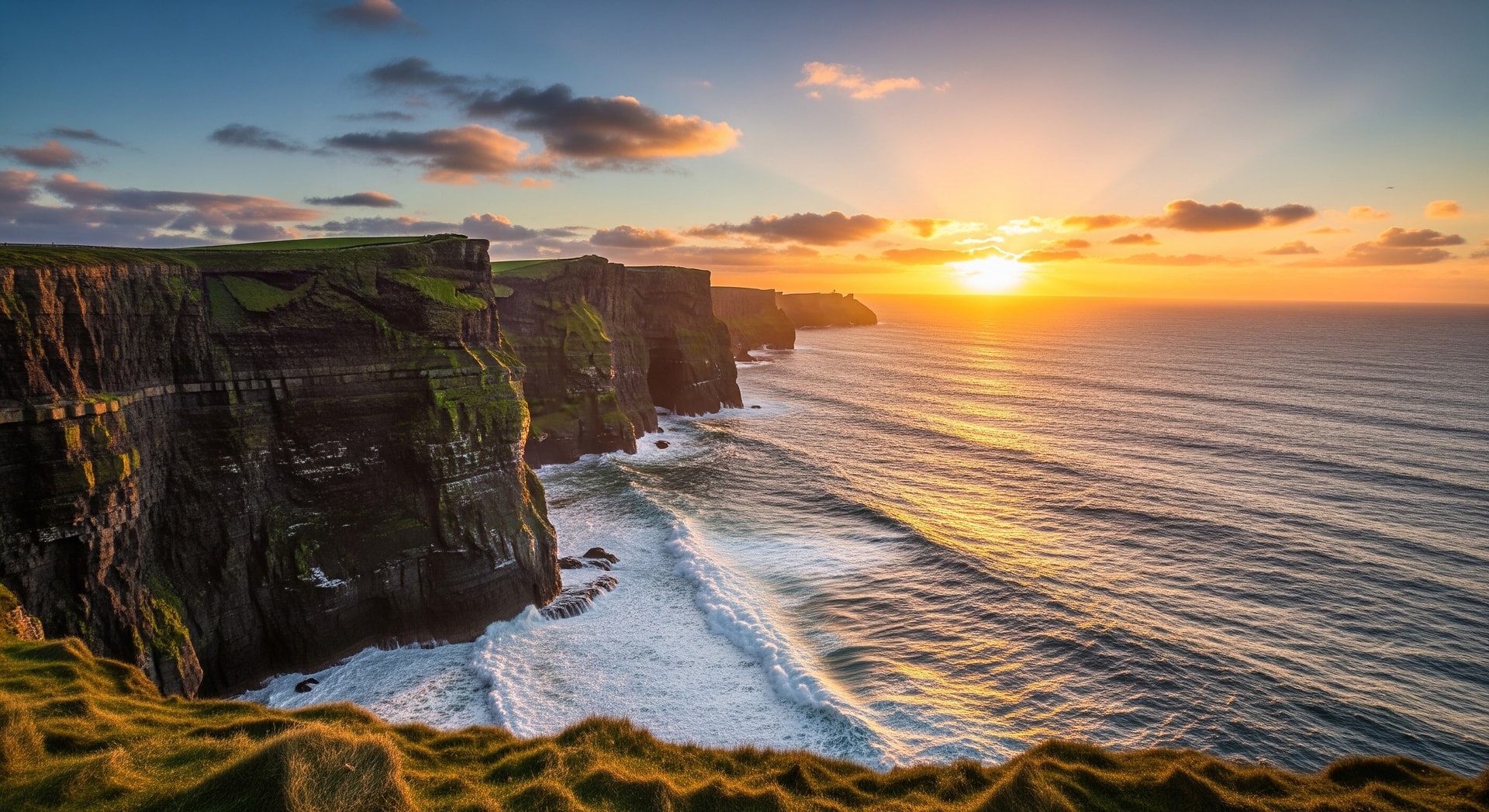
"Finally got to see the Cliffs of Moher! DoVisa made the visa application stress-free. Their team answered all my questions promptly. Highly recommend!"

Carlos R.Dec 5, 2025

"Applied for the Working Holiday visa through DoVisa. They guided me through every step and now I'm living my dream year in Ireland!"

Anna T.Nov 22, 2025

"Good service overall. My tourist visa was approved in 8 business days. Would have been 5 stars if the website had better mobile optimization."

James W.Nov 10, 2025

"Third time using DoVisa for Ireland trips. Consistent quality and always reliable. The team remembers my details which speeds things up."

Priya S.Oct 28, 2025

"Student visa for my masters at Trinity College sorted! DoVisa helped me understand all the requirements and my visa came through just in time."

Michael B.Sep 15, 2025

"Straightforward process for my Dublin conference trip. Support team was helpful when I had questions about invitation letter requirements."

Elena V.Aug 20, 2025

"Family trip to Ireland was amazing! DoVisa processed visas for all four of us efficiently. The kids loved visiting castles and seeing real sheep!"

David C.Jul 12, 2025

"Romantic getaway to Galway sorted in under two weeks. DoVisa's attention to detail ensured our applications were perfect first time."

Nina P.May 30, 2025

"Visa approved for my Ring of Kerry road trip. Process was easy though I wish the status updates were more frequent during processing."

Hassan A.Mar 18, 2025

"Excellent experience getting my Ireland visa. The document checklist was comprehensive and the team caught an error in my application before submission."

Ireland Visa FAQs

What types of visas are available for Ireland?
Ireland offers several visa categories for different purposes. Short Stay C Visa is for visits up to 90 days including tourism, visiting family, business meetings, conferences, and short courses. Long Stay D Visa covers stays over 90 days for employment, study, family reunification, and other extended purposes. Transit Visa is for passing through Ireland en route to another destination. Working Holiday Authorisation permits young people from eligible countries to work and travel for up to 12 months. Re-entry Visa allows residents to leave and return to Ireland. The right visa depends on your nationality, travel purpose, and intended length of stay.
Is Ireland part of the Schengen Area?
No, Ireland is not part of the Schengen Area. Ireland maintains its own independent visa and immigration system. This means a Schengen visa does not permit entry to Ireland, and an Irish visa does not grant access to Schengen countries. If you plan to visit both Ireland and Schengen countries on your trip, you need separate visas for each (unless you're from a visa-free nationality for both). However, Ireland and the UK share the Common Travel Area, allowing free movement between them for those legally present in either country. Citizens of China and India may benefit from the British-Irish Visa Scheme (BIVS) allowing travel to both countries on one endorsed visa.
Who needs a visa to visit Ireland?
Visa requirements depend on nationality. Visa-free entry applies to citizens of EU/EEA countries, Switzerland, and approximately 70 other nations including the USA, Canada, Australia, New Zealand, Japan, South Korea, Brazil, and Argentina — these nationalities can visit for up to 90 days without a visa. Visa required for citizens of countries including China, India, Russia, South Africa, Nigeria, Pakistan, Philippines, Egypt, and many others — these nationalities must obtain a visa before traveling to Ireland. Check the Irish immigration website or contact us to confirm your specific nationality's requirements.
What documents are required for an Ireland visa?
Required documents vary by visa type but typically include: Valid passport (at least 6 months validity beyond your travel dates, with at least one blank page); Completed application form; Two recent passport photographs meeting Irish specifications; Proof of accommodation (hotel bookings or invitation letter if staying with family/friends); Travel itinerary or return flight booking; Proof of sufficient funds (bank statements, payslips, sponsorship letter); Travel insurance covering medical expenses and repatriation; Employment or education proof demonstrating ties to your home country; Purpose-specific documents such as business invitation letters, student acceptance letters, or family relationship evidence.
How long can I stay in Ireland with a tourist visa?
The maximum stay permitted depends on your visa type and what immigration grants upon arrival. Short Stay C Visa holders and visa-free visitors are typically permitted stays of up to 90 days. The exact duration is determined by the immigration officer at your port of entry who stamps your passport with your permitted stay period. You cannot extend a Short Stay visa beyond 90 days without exceptional circumstances. For longer stays, you would need to apply for a Long Stay D Visa before traveling, which covers stays exceeding 90 days for purposes like study, employment, or family reunification.
Can I extend my Ireland visa?
Short Stay C Visas generally cannot be extended beyond 90 days. If you're in Ireland on a short stay and wish to remain longer, you typically need to leave and apply for a new visa from outside Ireland. In exceptional circumstances (such as medical emergencies), extensions may be considered but are not guaranteed. Long Stay D Visa holders who have registered with immigration and hold an Irish Residence Permit (IRP) can apply for permission renewal through the Immigration Service Delivery office. Apply well before your current permission expires to avoid complications. Working Holiday Authorisation holders cannot extend their 12-month permission.
Can I work in Ireland with a tourist visa?
No, you cannot work in Ireland with a tourist visa or visa-free entry. Short Stay C Visas and visa-free entry are strictly for tourism, visiting family, business meetings, and similar activities — not employment. To work legally in Ireland, non-EEA nationals typically need an Employment Permit (obtained before the visa) and then a corresponding Long Stay D Visa. Exceptions include the Working Holiday Programme for eligible nationalities ages 18-30/35, which allows any type of work during the 12-month authorisation. Working illegally can result in deportation and future visa refusals.
Do I need to print my Ireland visa?
It depends on your visa type. Traditional visa stamps are affixed to your passport and don't require printing — the visa is already in your travel document. If you receive an approval letter by email, you should print it and carry it when traveling. Some pre-clearance letters may be issued electronically. Immigration officers will examine your passport and any approval letters at the port of entry. Always carry printed copies of your accommodation bookings, return flights, travel insurance, and proof of funds regardless of visa type, as you may be asked to present these documents.
How long does Ireland visa processing take?
Processing times vary by visa type and season. Short Stay C Visas typically take 5-15 business days for standard processing, though this can extend to 3-4 weeks during peak periods (summer and Christmas). Long Stay D Visas require more extensive assessment and usually take 8-12 weeks. Working Holiday applications take approximately 4-8 weeks. Processing is faster outside peak season and when all documentation is complete and accurate. We recommend applying at least 4-6 weeks before travel for short stays and 3-4 months for long stays to allow for any unforeseen delays.
What if my Ireland visa application is rejected?
If your visa is refused, you will receive a letter explaining the reasons. Common rejection reasons include: insufficient proof of funds, incomplete documentation, failure to demonstrate ties to home country, or concerns about the genuine purpose of travel. You have the right to appeal within 2 months of the refusal if you believe the decision was incorrect. Appeals should address the specific refusal reasons with additional evidence. Alternatively, you can submit a fresh application with improved documentation. DoVisa guarantee: If your visa is refused due to our processing error, we provide a full refund and complimentary reapplication assistance.
What is the British-Irish Visa Scheme (BIVS)?
The British-Irish Visa Scheme (BIVS) allows nationals of China and India to travel freely between Ireland and the UK using a single short-stay visa. If your Irish visa is endorsed "BIVS," you can also visit the UK during your trip (and vice versa). This is ideal for travelers wanting to explore Dublin, Belfast, and London on one journey. The visa must be applied for in your country of residence, and you must travel to the issuing country first. Not all Irish and UK visas qualify — check that your visa specifically carries the BIVS endorsement. The scheme doesn't change visa duration limits for either country.
When is the best time to visit Ireland?
Ireland offers year-round appeal but conditions vary by season. May to September brings the best weather with longer daylight hours (sunset as late as 10pm in summer), ideal for coastal walks, festivals, and outdoor activities. This is peak tourist season with higher prices. March (St. Patrick's Day) sees major celebrations nationwide — book accommodation well in advance. April and October offer shoulder season value with decent weather and fewer crowds. November to February is cold and wet but features Christmas markets, cozy pubs, and dramatic Atlantic storms — perfect for a different kind of Irish experience. Ireland's weather is famously changeable; bring layers and rain gear regardless of season.
What are Ireland's main entry points?
Ireland's main international gateway is Dublin Airport (DUB), handling the majority of international arrivals with connections to destinations worldwide. Shannon Airport (SNN) on the west coast serves transatlantic flights and provides convenient access to the Wild Atlantic Way, Cliffs of Moher, and County Clare. Cork Airport (ORK) serves Ireland's second-largest city with European connections. Ireland West Airport Knock (NOC) serves the northwest region. Ferry services connect Ireland to the UK (Holyhead, Liverpool) and France (Cherbourg, Roscoff). All entry points have full immigration facilities.
Can I travel to Northern Ireland with my Irish visa?
Northern Ireland is part of the United Kingdom, not the Republic of Ireland, so visa requirements differ. However, Ireland and the UK share the Common Travel Area (CTA), meaning there are typically no routine immigration checks when crossing the land border between the Republic of Ireland and Northern Ireland. If you're legally in Ireland, you can generally travel to Northern Ireland. However, to be legally present in Northern Ireland, you must also qualify for UK entry under UK immigration rules. BIVS visa holders from China and India can travel freely between both countries. Others should verify their UK visa status before crossing the border.
How much money do I need to show for an Ireland visa?
You must demonstrate sufficient funds to cover your stay without working. While Ireland doesn't specify exact amounts, typical expectations are approximately EUR 50-100 per day of your intended stay, plus accommodation costs if not prepaid. Bank statements from the past 3-6 months should show a healthy balance and regular income. For student visas, the requirement is approximately EUR 10,000 per year of study. Sponsored travelers need a sponsorship letter from their host confirming they'll cover expenses, along with the sponsor's proof of funds. Having accommodation prepaid reduces the funds you need to demonstrate.
Do I need travel insurance for Ireland?

Travel insurance is highly recommended and may be required for visa applications. Your policy should cover: medical expenses and emergency treatment (Ireland uses the Euro and healthcare can be expensive for visitors), repatriation in case of medical emergency, trip cancellation and interruption, lost or stolen belongings, and personal liability. EU/EEA citizens can use the European Health Insurance Card (EHIC) or UK Global Health Insurance Card (GHIC) for emergency medical treatment, but this doesn't replace comprehensive travel insurance. Non-EEA nationals should ensure robust medical coverage as they don't have reciprocal healthcare arrangements with Ireland.
Professional DoVisa support team assisting customer with Ireland visa application

Still have questions?

Our team is here to help 24/7

Ready to Explore Ireland?

From ancient castles to vibrant pubs — your Irish adventure awaits

Apply Now

Or apply via our mobile app

Download on App StoreGet it on Google Play