British Indian Ocean Territory flag

Get Your British Indian Ocean Territory Permit Online

Permit processing for scientific research, yachting, and authorized visits — access the remote Chagos Archipelago

4.6Trustpilot

Check Visa Requirements

See if you need a visa for British Indian Ocean Territory

Please select your passport
Where are you going?

How to Get Your BIOT Permit

Guided 4-step process — permit applications reviewed within 4-8 weeks

1

Complete the permit application

Fill out our comprehensive application form with your personal details, purpose of visit, vessel information (for yachting permits), and detailed research proposals if applicable. Our system ensures all required information is captured according to British government requirements.

2

Upload required documents

Submit your passport scan, vessel documentation (for yacht permits), research credentials, sponsoring organization letters, and detailed itineraries. Our specialists review every document against BIOT Administration standards before forwarding to authorities.

3

We submit to BIOT Administration

Your verified application is submitted to the British Indian Ocean Territory Administration in London. Given the sensitive nature of this territory, processing involves thorough security vetting. We maintain communication throughout and relay any requests for additional information.

4

Receive your permit

Your approved BIOT permit arrives as an official document. This must be carried at all times while in the territory. You'll also receive detailed guidelines about environmental protection requirements and restricted zones.
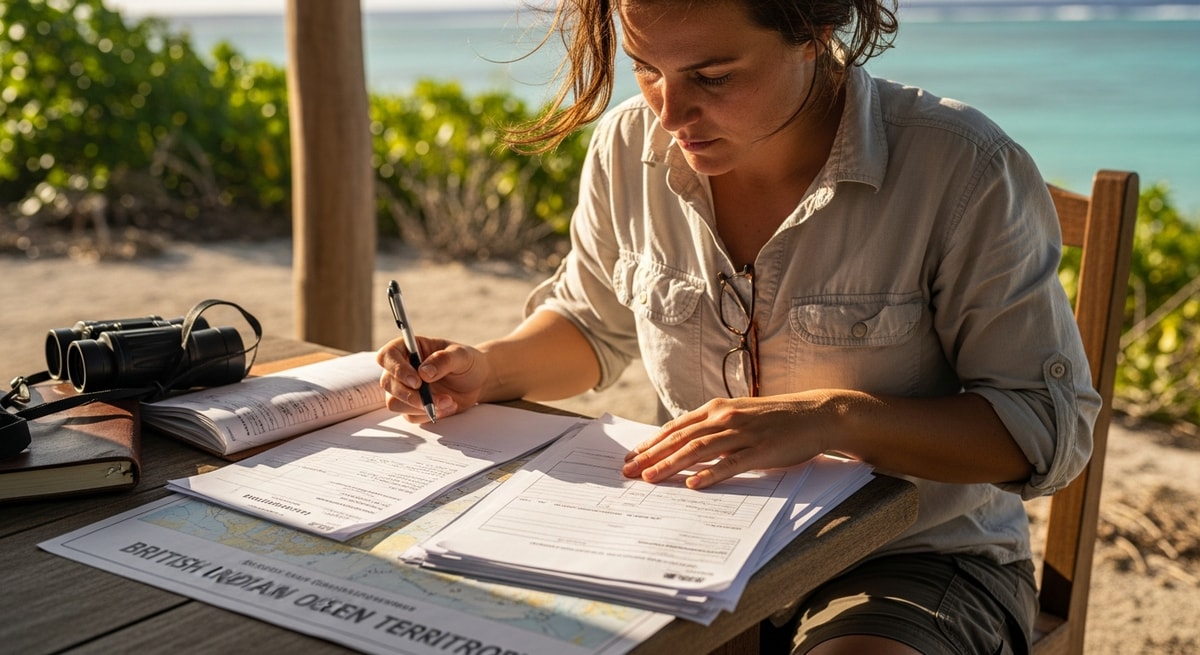
Researcher reviewing permit documents for British Indian Ocean Territory expedition

Visa types needed for British Indian Ocean Territory

Available visa products
  • United Kingdom Visitor Visa - 180 days, Multiple entry Most Popular
  • United Kingdom ETA - 2 years, Multiple entry

United Kingdom Visitor Visa - 180 days, Multiple entry

The British Indian Ocean Territory Visitor Visa provides access to remote Indian Ocean atolls and marine biodiversity. Valid for 6 Months with multiple entry, this visa allows stays up to 180 days. Perfect for tourism, family visits, and business.

Applicants must submit the following documents:

  • 🛂 Passport: Valid for at least 6 months with blank pages
  • 📸 Digital Photo: Recent passport-style photograph
  • ✈️ Travel Details: Confirmed travel itinerary
  • 🏨 Accommodation: Hotel or host booking
  • 💳 Payment: Credit or debit card for fee
Important to know
  • Maximum stay: 180 days per visit
  • Print visa for presentation at immigration
0+Happy Travelers
0/7Expert Support
0%+Approval Rate
0Customer Rating

British Indian Ocean Territory Entry Requirements

Yacht Transit Permit

Up to 28 days

For private yachts transiting Chagos waters

Scientific Research Permit

Project duration

For authorized marine research expeditions

Military/Official Permit

As authorized

For authorized military and government personnel

Journalist Permit

Limited duration

For pre-approved media visits

Essential Requirements

  • 📘Passport valid 6+ months with 4 blank pages
  • 📄Detailed purpose of visit documentation
  • ✈️Complete vessel/transport arrangements
  • 🏥Comprehensive medical and evacuation insurance
  • 💰Environmental bond payment required
  • 🧳Self-sufficient supplies for entire visit

Understanding BIOT Access Restrictions
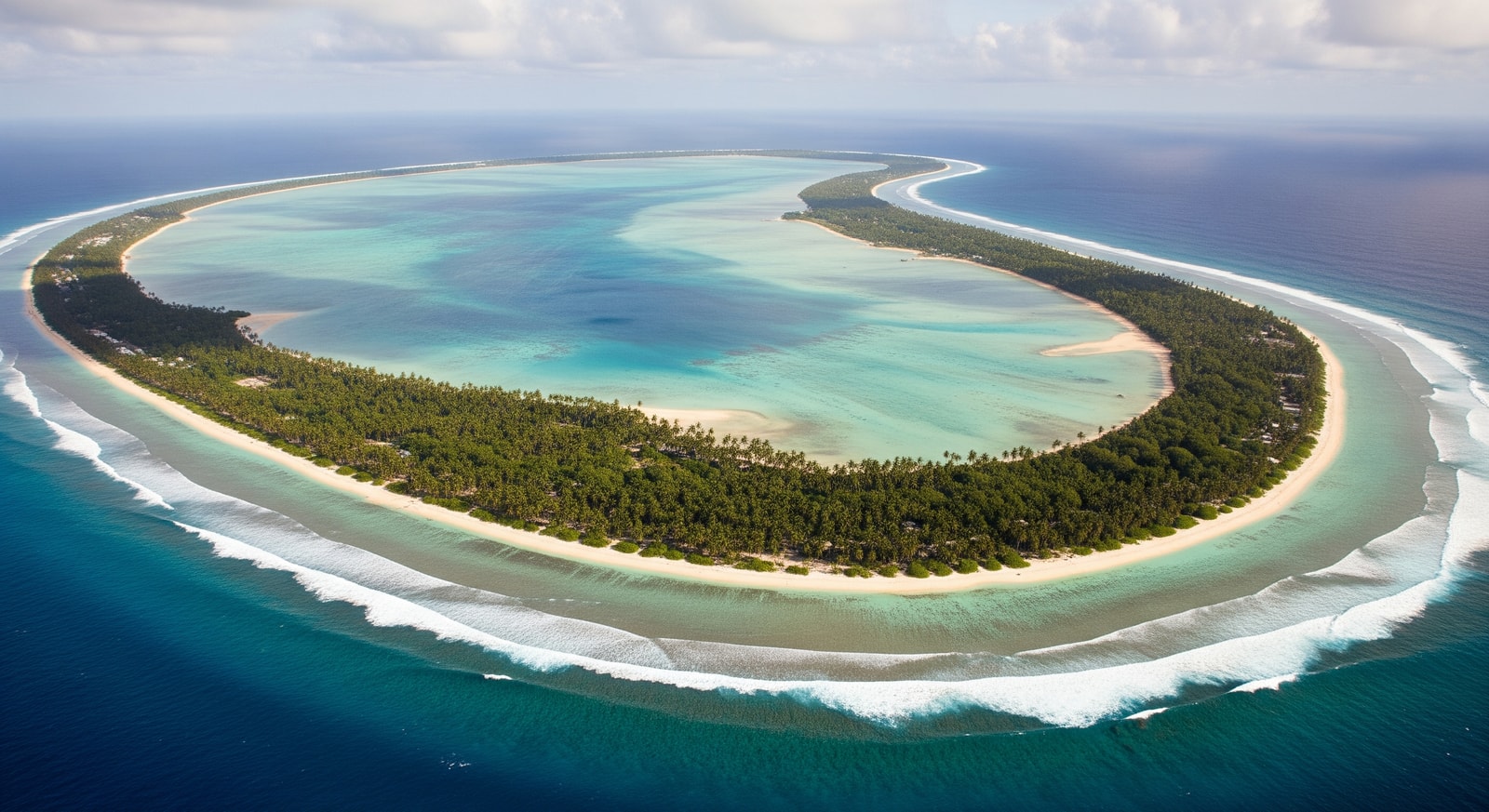
The British Indian Ocean Territory (BIOT), comprising the Chagos Archipelago, is one of the most restricted territories on Earth. Located in the central Indian Ocean, this remote British Overseas Territory is home to the Diego Garcia military base, operated jointly by the United States and United Kingdom. Highly Restricted Access Unlike typical tourist destinations, BIOT does not issue tourist visas. Access is limited to specific categories: military personnel stationed at Diego Garcia, authorized government officials, approved scientific researchers, and private yachts transiting the territory under strict permit conditions. The entire territory functions as a military support facility and marine protected area. No Commercial Transportation There are no commercial flights or ferries to BIOT. Diego Garcia's airport serves only military aircraft. Private vessels must be self-sufficient and obtain permits well in advance. The nearest significant landmasses are the Maldives (approximately 500km north), Mauritius (approximately 2,200km southwest), and the Seychelles.
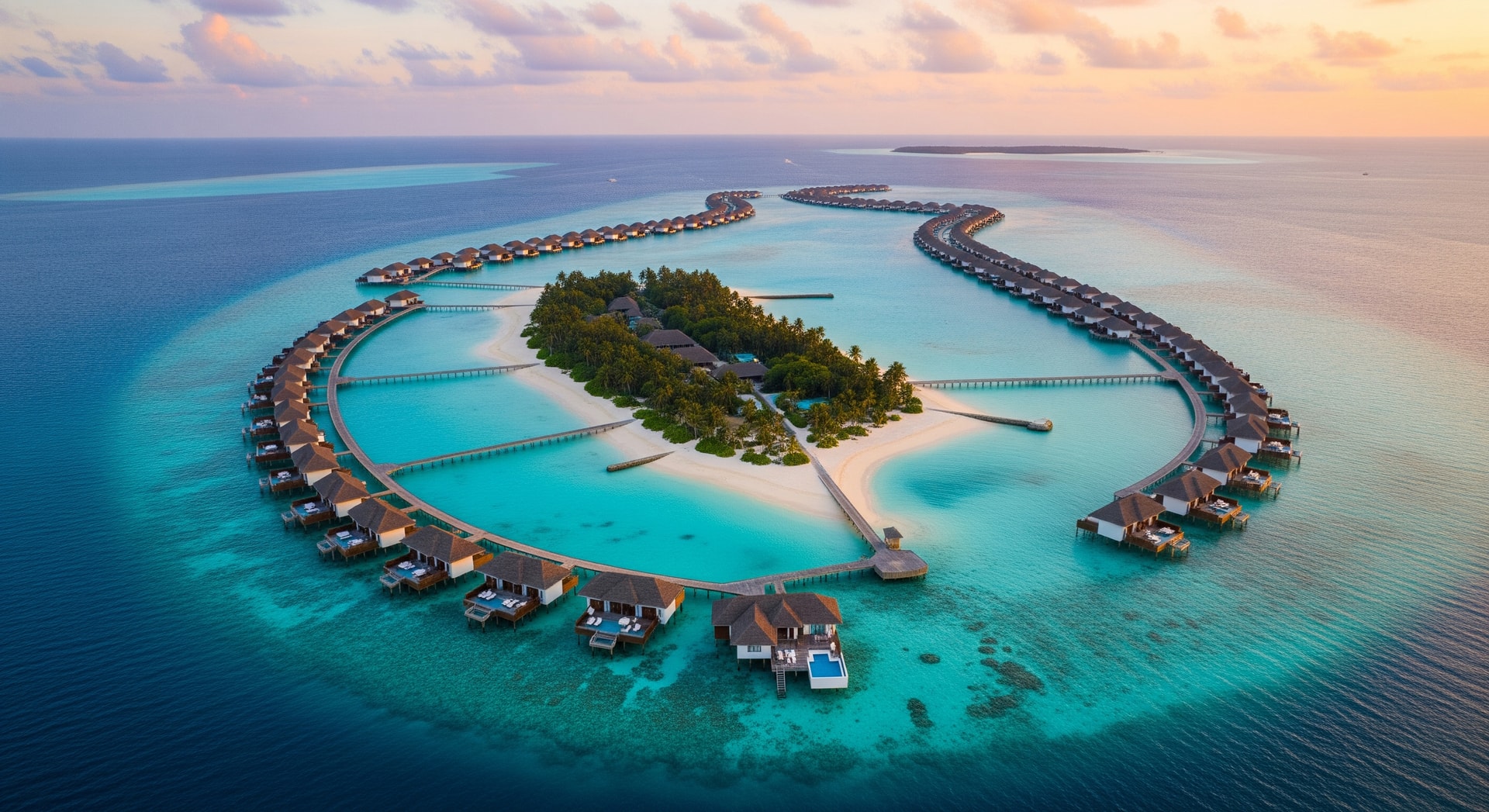
Aerial view of Diego Garcia atoll showing the distinctive horseshoe shape and lagoon of the Chagos Archipelago
Diego Garcia Atoll — The primary military installation in the British Indian Ocean Territory

Yacht Transit & Scientific Research Permits
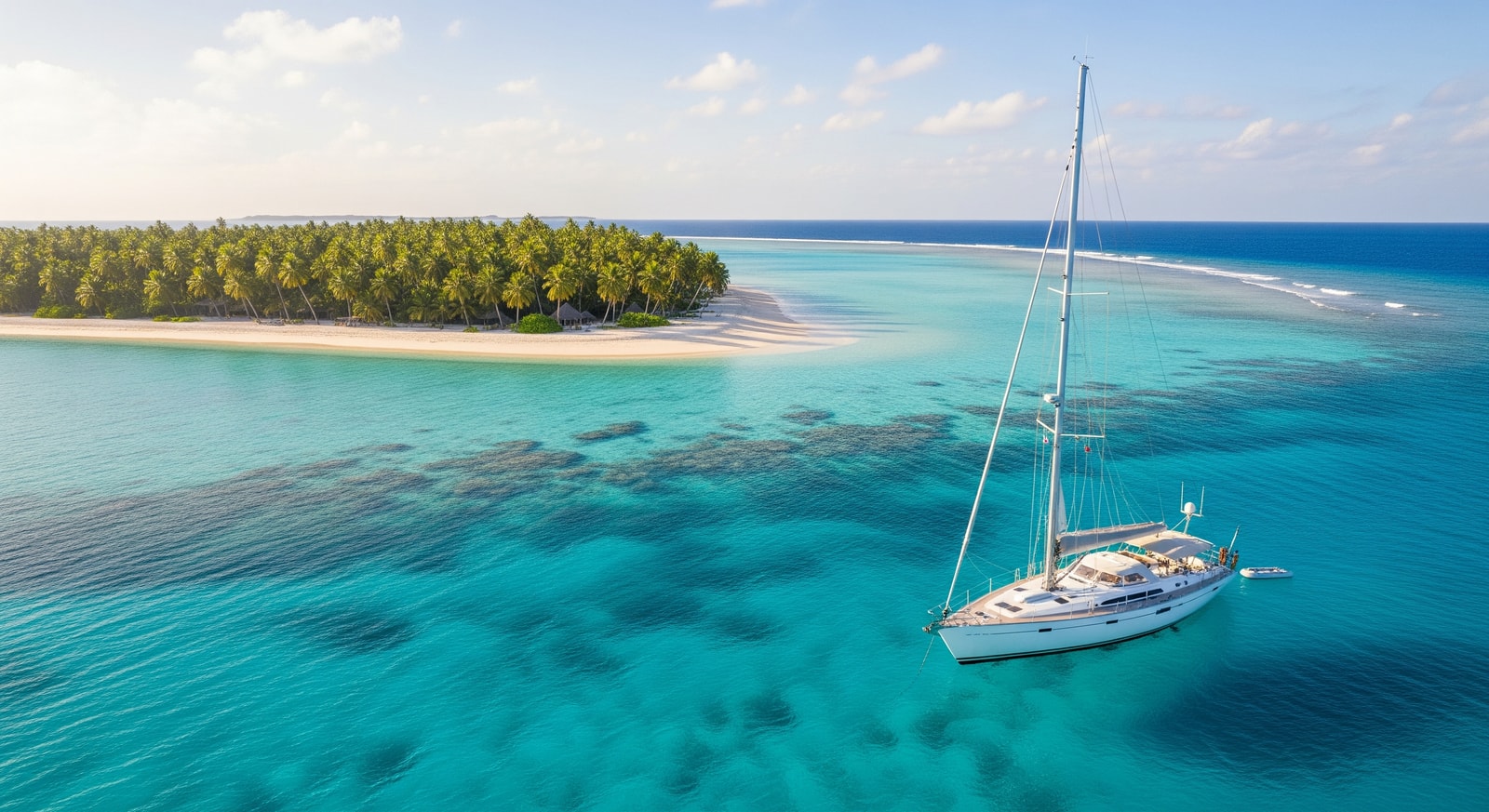
Yacht Transit Permits Private sailing vessels may apply for permits to anchor in designated areas of the outer islands, excluding Diego Garcia which remains strictly off-limits to civilians. The Yacht Transit Permit allows stays of up to 28 days and is typically granted for vessels transiting the Indian Ocean. Requirements include: detailed vessel documentation, crew manifests, proposed anchorage locations, environmental compliance undertakings, and payment of environmental bonds. Scientific Research Permits BIOT hosts one of the world's most pristine marine environments, attracting researchers studying coral reef ecosystems, marine biology, and climate change impacts. Research permits require: institutional sponsorship from recognized scientific organizations, detailed research proposals approved by the BIOT Administration, evidence of appropriate funding, and commitment to environmental protection protocols. The Chagos Marine Protected Area, established in 2010, covers over 640,000 square kilometers. Application Process All permit applications are processed by the BIOT Administration in London. Processing times average 4-8 weeks but can extend longer for complex requests. Early application is essential.
Private sailing yacht anchored in the turquoise lagoon waters of an outer Chagos island
Outer Islands — Limited yacht anchorage permitted in designated areas only

Permit Requirements & Environmental Obligations
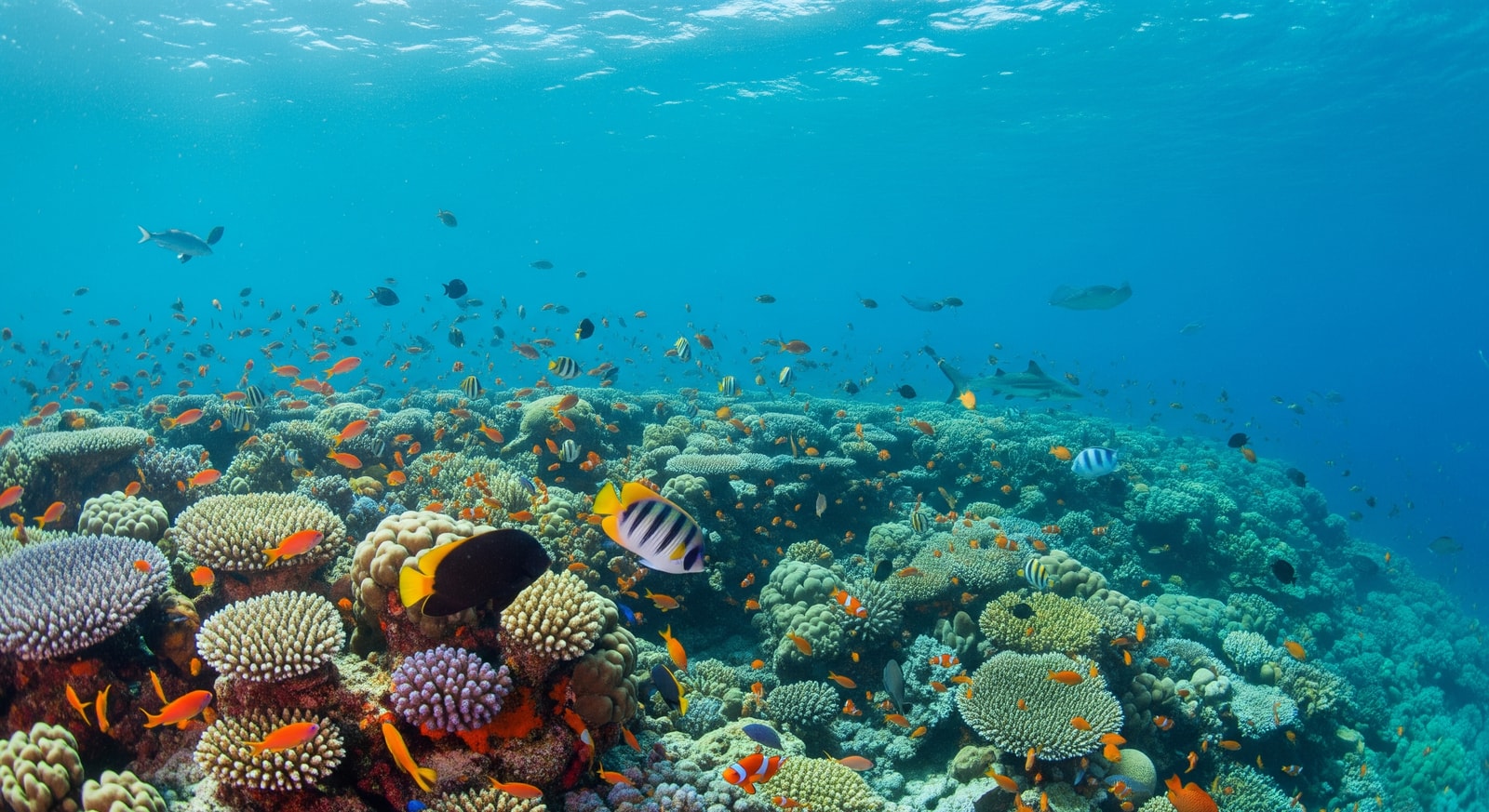
Essential Documentation for All ApplicantsValid passport: Minimum 6 months validity with at least 4 blank pages for stamps and endorsements • Purpose documentation: Detailed explanation of visit purpose with supporting evidence • Transport arrangements: Complete vessel/aircraft documentation and route plans • Insurance: Comprehensive coverage including medical evacuation (nearest major hospital in Mauritius or Singapore) • Environmental bond: Refundable deposit to cover potential environmental damage or emergency costs • Self-sufficiency proof: No supplies, fuel, or provisions available in territory Environmental Compliance BIOT is a Strict Nature Reserve under IUCN classification. All visitors must adhere to rigorous environmental protocols: no collection of any specimens without research permits; no discharge of waste; no anchoring on coral; mandatory use of holding tanks; prohibition on introducing any non-native species. Violations result in permit revocation, prosecution, and permanent bans. Fees & Charges Permit fees vary by category and duration. Environmental bonds typically range from $1,000-$5,000 USD depending on vessel size and visit duration.
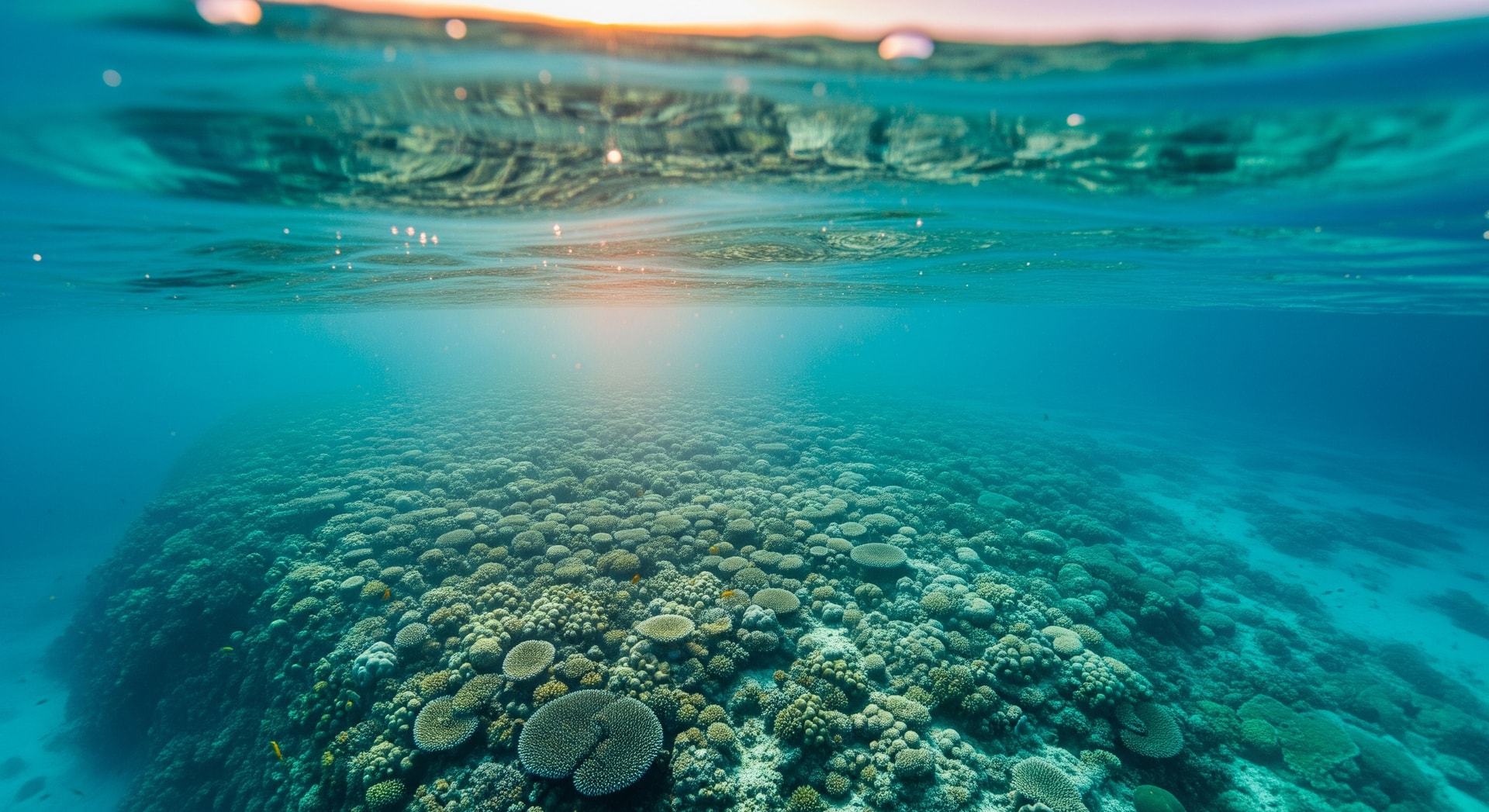
Pristine coral reef teeming with tropical fish in the crystal-clear waters of the Chagos Marine Protected Area
Chagos Marine Protected Area — Among the world's most pristine coral ecosystems

Practical Information & Logistics

Getting There BIOT has no commercial transport connections. Options include: • Private yacht: Most common civilian access method; vessels typically sail from Maldives, Seychelles, or Mauritius (voyage of several days to over a week depending on origin) • Research vessels: Scientific expeditions use chartered research ships • Military transport: Authorized personnel only via military airlift to Diego Garcia Climate & Conditions Tropical maritime climate with temperatures of 24-30C year-round. Best sailing season: March-May and October-November (transition periods between monsoons). Monsoon seasons bring stronger winds and rougher seas. Cyclone risk exists November-April. Essential Considerations Visitors must be entirely self-sufficient — there are no shops, hotels, fuel stations, or services. Fresh water is available only via desalination or rain collection. Emergency medical evacuation requires military helicopter or long-range vessel transport to distant facilities. Currency: US Dollar and British Pound accepted by military facilities, though civilians have no access to these. Satellite communication recommended as there is no civilian cellular network.
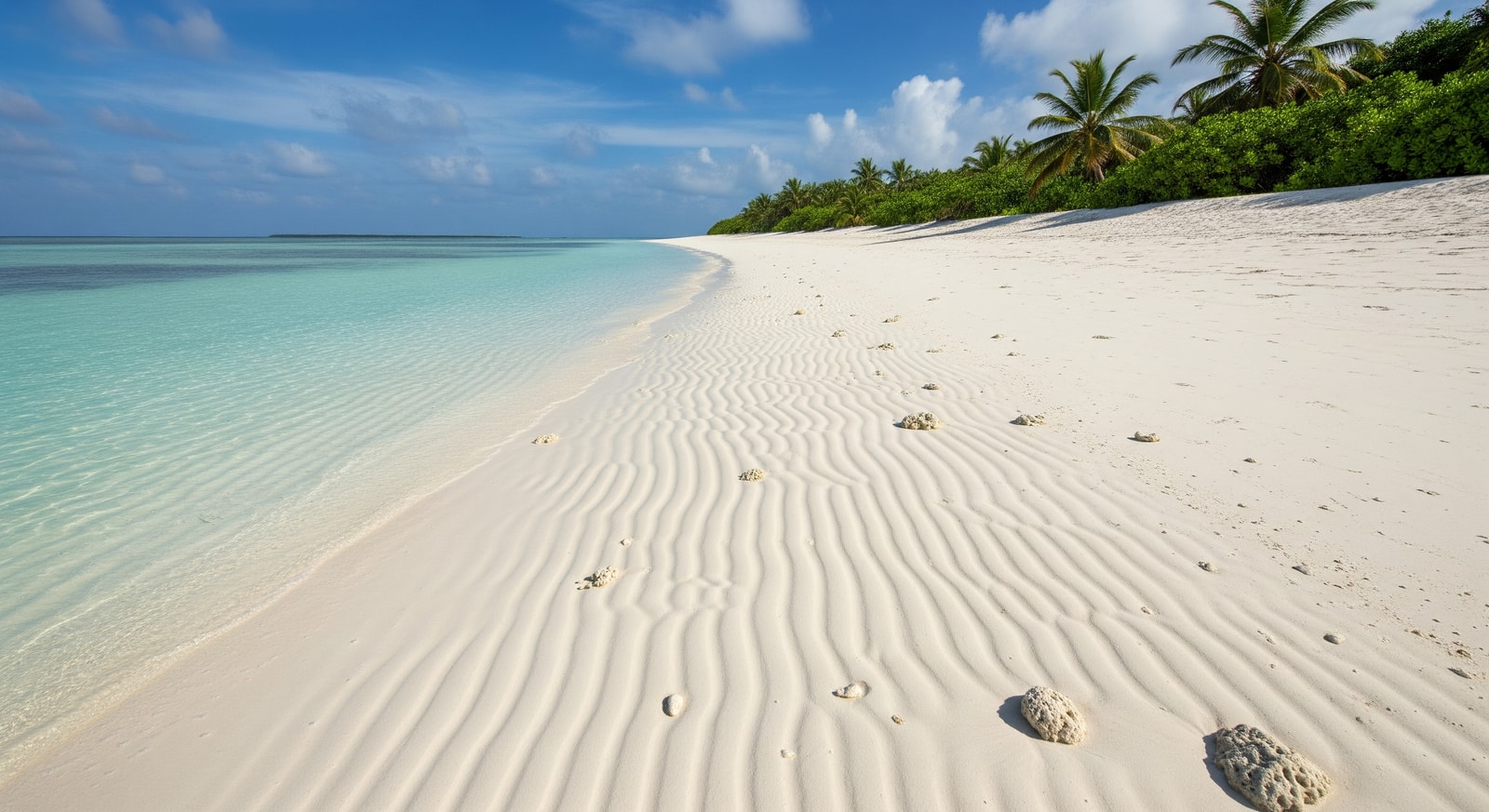
Pristine white sand beach with crystal-clear shallow waters on an uninhabited Chagos outer island
Outer Chagos Islands — Remote and uninhabited atolls with untouched beaches

Why Choose DoVisa?

See the difference between applying yourself vs using our expert service

Feature
📋Applying Yourself
With DoVisa
Application reviewExpert review before submissionNo expert check100% reviewed by experts
Document validationCheck documents meet requirementsRisk of rejectionPre-checked for errors
Customer supportHelp when you have questionsGovernment offices only24/7 dedicated support
Form guidanceAssistance filling out formsComplex forms aloneStep-by-step guidance
Status trackingKnow where your application isManual checkingReal-time updates
Refund if deniedProtection if visa is rejectedNo refund possibleMoney-back guarantee

Check Your Requirements

See what you need for British Indian Ocean Territory

Please select your passport
Where are you going?
100+Permits processed
24/7Expert support
4.6Customer rating
97%Approval rate

Certified Customer Reviews

Travelers to British Indian Ocean Territory rated this product 4.7 out of 5 based on 11 reviews.

4.7/ 5
Based on 11 verified reviews

Filter by rating

Dr. Sarah M.Jan 15, 2026

"DoVisa navigated the complex BIOT research permit process expertly. Our marine biology team's expedition was approved thanks to their thorough documentation preparation."

Captain James R.Dec 28, 2025

"Sailing through Chagos was a dream. DoVisa made the yacht permit process understandable and handled all the paperwork. Pristine waters and incredible reefs!"

Michael T.Dec 10, 2025

"The permit process for BIOT is lengthy but DoVisa kept us informed throughout. Their expertise with restricted territories is evident."

Elena K.Nov 22, 2025

"As a documentary filmmaker, getting BIOT access seemed impossible. DoVisa's guidance on the journalist permit process was invaluable. Stunning footage obtained!"

Prof. David H.Oct 15, 2025

"Second research expedition to Chagos arranged through DoVisa. Their understanding of BIOT Administration requirements saved us weeks of back-and-forth."

Sophie L.Sep 20, 2025

"Comprehensive support for our yacht transit permit. The environmental bond process and anchorage restrictions were clearly explained. Worth every penny."

Dr. Andreas B.Aug 30, 2025

"Coral research permit approved in 6 weeks. DoVisa's document review caught several issues before submission. Professional and knowledgeable team."

Captain Rachel W.Jul 18, 2025

"Third time using DoVisa for BIOT permits. Consistent excellent service. The Chagos waters are the most pristine I have ever sailed."

Thomas G.Jun 5, 2025

"Complex permit process made manageable. DoVisa provided realistic timelines and kept us updated. Highly recommend for BIOT applications."

Dr. Maria C.Apr 22, 2025

"Climate research expedition to Chagos successfully permitted. DoVisa understood the scientific documentation requirements perfectly."

Patrick N.Mar 10, 2025

"Yacht permit for Indian Ocean crossing through BIOT waters. Detailed guidance on prohibited areas and environmental requirements. Excellent experience."

British Indian Ocean Territory Permit FAQs

What types of permits are available for the British Indian Ocean Territory?
Access to BIOT is highly restricted with limited permit categories. Yacht Transit Permits allow private sailing vessels to anchor in designated outer island areas for up to 28 days — this is the most common civilian access method. Scientific Research Permits are issued to approved researchers studying marine ecosystems, climate change, and related fields, typically requiring institutional sponsorship. Military/Official Permits cover authorized government and military personnel stationed at or visiting Diego Garcia. Journalist Permits are rarely issued for pre-approved media visits. There are no tourist visas — general tourism is not permitted in BIOT.
Can tourists visit the British Indian Ocean Territory?
No, general tourism is not permitted in the British Indian Ocean Territory. The territory functions primarily as a military facility (Diego Garcia) and strict nature reserve. Civilian access is limited to: private yachts transiting the territory with permits (restricted to outer islands only), approved scientific researchers, authorized journalists, and official visitors. Even with a yacht permit, visitors cannot access Diego Garcia or most of the territory. The remote location, lack of infrastructure, and military sensitivity make BIOT fundamentally different from conventional tourist destinations.
How do I get to the British Indian Ocean Territory?
There are no commercial flights or ferries to BIOT. Access options are extremely limited: Private yacht is the most common civilian method — vessels typically sail from the Maldives (approximately 500km), Seychelles, or Mauritius over several days to a week depending on conditions. Research vessels carry scientific expeditions on chartered ships. Military aircraft serve Diego Garcia but are restricted to authorized personnel only. Self-sufficiency is mandatory as there are no civilian services, supplies, or fuel available in the territory.
What documents are required for a BIOT permit?
Documentation requirements vary by permit type but generally include: Valid passport with minimum 6 months validity and 4 blank pages; completed application forms specific to permit type; purpose documentation (research proposals, vessel itineraries, or official authorizations); vessel documentation for yacht permits including registration, safety certificates, and crew manifests; institutional sponsorship letters for research permits; comprehensive insurance including medical evacuation coverage; environmental bond payment (refundable); proof of self-sufficiency demonstrating adequate supplies, water, and fuel for your entire visit.
How long does the BIOT permit process take?
BIOT permit processing is significantly longer than typical visa applications. Standard processing takes 4-8 weeks but can extend to several months for complex requests or during busy periods. Factors affecting timing: completeness of application, permit type (research permits often require additional review), security vetting requirements, and BIOT Administration workload. Recommendations: Apply at least 3-4 months before intended travel; respond promptly to any information requests; ensure all documentation is complete before submission. DoVisa's pre-review service helps minimize delays by catching issues early.
What areas can I access with a yacht permit?
Yacht permits provide limited access to designated outer island anchorages only. Prohibited areas: Diego Garcia is strictly off-limits to all civilian vessels — approaching within 3 nautical miles is forbidden. Certain other areas are restricted for environmental or military reasons. Permitted anchorages: Specified outer atolls including parts of Peros Banhos, Salomon Islands, and Egmont (Nelson) Island, subject to conditions. Conditions: Maximum stay of 28 days total; mandatory environmental protocols; no landing without specific authorization in some areas; must carry permit at all times; position reporting may be required. Specific permitted locations are detailed in your approved permit.
What is the Chagos Marine Protected Area?
The Chagos Marine Protected Area (MPA), established in 2010, covers approximately 640,000 square kilometers, making it one of the world's largest marine protected areas. The MPA encompasses the waters around all BIOT islands and atolls. Protection level: Classified as a no-take marine reserve with strict regulations prohibiting commercial fishing, mineral extraction, and most exploitative activities. Scientific importance: The area contains some of Earth's healthiest coral reef ecosystems, serving as a critical research baseline and potential source of reef resilience. Visitor obligations: All permit holders must adhere to strict environmental protocols including no specimen collection, no waste discharge, and no anchoring on coral.
What supplies do I need to bring?
Visitors must be completely self-sufficient as BIOT has no civilian infrastructure. Essential supplies: All food and fresh water for your entire stay plus emergency reserves; fuel adequate for your vessel and any generators; complete medical kit including prescription medications; comprehensive spare parts for your vessel; satellite communication equipment (no cellular network exists); emergency signaling devices. Not available in BIOT: There are no shops, fuel stations, restaurants, hotels, hospitals, or any commercial services. The nearest significant supplies are in the Maldives, Seychelles, or Mauritius — several days' sailing away.
What insurance do I need for BIOT?
Comprehensive insurance is mandatory for all BIOT permit applications. Requirements include: Medical evacuation coverage — critical given the remote location and lack of medical facilities (evacuation may require military helicopter or several days' voyage to Maldives, Mauritius, or Singapore); personal medical insurance covering emergency treatment; vessel insurance for yacht permits covering damage and third-party liability; environmental liability coverage recommended. The environmental bond (typically $1,000-5,000 USD) is separate from insurance and covers potential environmental damage or emergency costs — it's refundable if no incidents occur.
What is the climate like in BIOT?
BIOT has a tropical maritime climate with consistently warm temperatures of 24-30C (75-86F) year-round. Monsoon seasons: Northeast monsoon (December-March) brings more rain and potential cyclone activity; southwest monsoon (May-September) features stronger winds. Best conditions: March-May and October-November (transition periods) typically offer calmer seas and lighter winds for sailing. Cyclone risk: The territory lies within the tropical cyclone belt — November to April poses the greatest risk. Considerations: High humidity year-round; intense tropical sun requires protection; sea conditions vary significantly with season and weather patterns.
What happens if I have a medical emergency in BIOT?
Medical emergencies in BIOT are serious situations due to extreme isolation. No civilian medical facilities exist in the territory. Emergency response: Military facilities at Diego Garcia may assist in life-threatening situations at their discretion, but this cannot be relied upon. Evacuation options: Military helicopter (if available and authorized), long-range vessel transport to Maldives or Mauritius (several days), or long-range air evacuation to Singapore or India (requires complex coordination). Essential precautions: Comprehensive medical evacuation insurance is mandatory; carry extensive first aid supplies and medications; have satellite communication for emergency contact; consider medical training before visiting; ensure all crew members are in good health.
Can I extend my BIOT permit?
Permit extensions are possible but not guaranteed. Yacht permits: Maximum total stay is 28 days regardless of extensions. If circumstances require additional time (weather, vessel repairs), contact the BIOT Administration immediately with justification. Extensions within the 28-day limit may be considered. Research permits: Extensions may be available if research requires additional time; must be requested well in advance with updated proposals. Process: All extension requests go through the BIOT Administration in London; processing times vary. Overstaying: Remaining in BIOT beyond your permitted period is a serious offense potentially resulting in prosecution, vessel seizure, and permanent entry bans.
What currency is used in BIOT?
BIOT has no civilian economy, so currency is largely irrelevant for visitors. Official currencies: Both the US Dollar and British Pound are technically legal tender. Practical reality: There are no shops, restaurants, or services where civilians can spend money. The military facilities at Diego Garcia are off-limits to civilians. Expenses: All costs are incurred before arrival (permits, supplies, insurance) or relate to your own vessel operation. The only BIOT-related payments are permit fees and environmental bonds, which are paid to the BIOT Administration in London before travel. Ensure you have sufficient cash/cards for the Maldives, Seychelles, or Mauritius where you'll provision.
What environmental rules must I follow in BIOT?
BIOT's strict environmental regulations are legally enforceable. Mandatory rules: No anchoring on coral — use designated sandy areas or mooring buoys only; no collection of any specimens (shells, coral, fish) without specific research permits; no discharge of any waste — all garbage must be retained and disposed of outside BIOT; no introduction of non-native species (biosecurity critical); mandatory use of holding tanks for sewage. Prohibited activities: Fishing (territory is a no-take zone), spearfishing, interfering with wildlife, removing historical artifacts. Enforcement: BIOT patrols monitor compliance; violations result in prosecution, permit revocation, bond forfeiture, and permanent entry bans. The pristine environment is BIOT's most valuable asset — respect it.
What wildlife might I see in BIOT?
BIOT hosts exceptional biodiversity due to its protected status and isolation. Marine life: Over 300 coral species; manta rays, whale sharks, and reef sharks; extensive fish populations including tuna and grouper; sea turtles (green and hawksbill) nesting on beaches; dolphins and occasionally whales. Bird life: Major seabird colonies including red-footed boobies, frigatebirds, and terns; migratory species use the islands as stopovers. Land wildlife: Coconut crabs (largest terrestrial arthropod); various lizard species; introduced rats on some islands (control programs ongoing). Important: All wildlife is strictly protected. Maintain distance from nesting sites; never feed, touch, or disturb animals; no fishing or collection permitted.
What is the history of the British Indian Ocean Territory?

BIOT has a complex and contested history. Pre-colonial era: The islands were uninhabited when discovered by Europeans in the 16th century. Colonial period: France established coconut plantations in the 18th century using enslaved and later contract workers (Chagossians). Britain gained control in 1814. BIOT creation: Established in 1965 by separating the Chagos Archipelago from Mauritius before independence. Depopulation: Between 1967-1973, the entire Chagossian population (approximately 2,000 people) was forcibly removed to Mauritius and Seychelles to facilitate the Diego Garcia military base. Ongoing disputes: Mauritius claims sovereignty; the International Court of Justice ruled in 2019 that British administration should end. Chagossian descendants continue legal battles for the right to return. This history is important context for visitors.
Experienced DoVisa permit specialist assisting with complex BIOT application

Still have questions?

Our team is here to help 24/7

Ready to Explore British Indian Ocean Territory?

Begin your permit application for one of Earth's most pristine marine environments

Apply Now

Or apply via our mobile app

Download on App StoreGet it on Google Play