Flight cancellations during winter bring confusion — know your rights under EU and UK rules for compensation, care, and refunds when storms or black ice disrupt travel.
Summary: Winter storms have again disrupted major European airports. Under EU and UK rules, passengers delayed three hours or more may be entitled to compensation (€250–€600 or UK-converted rates), plus mandatory care and rebooking assistance regardless of whether the disruption is branded 'extraordinary'.
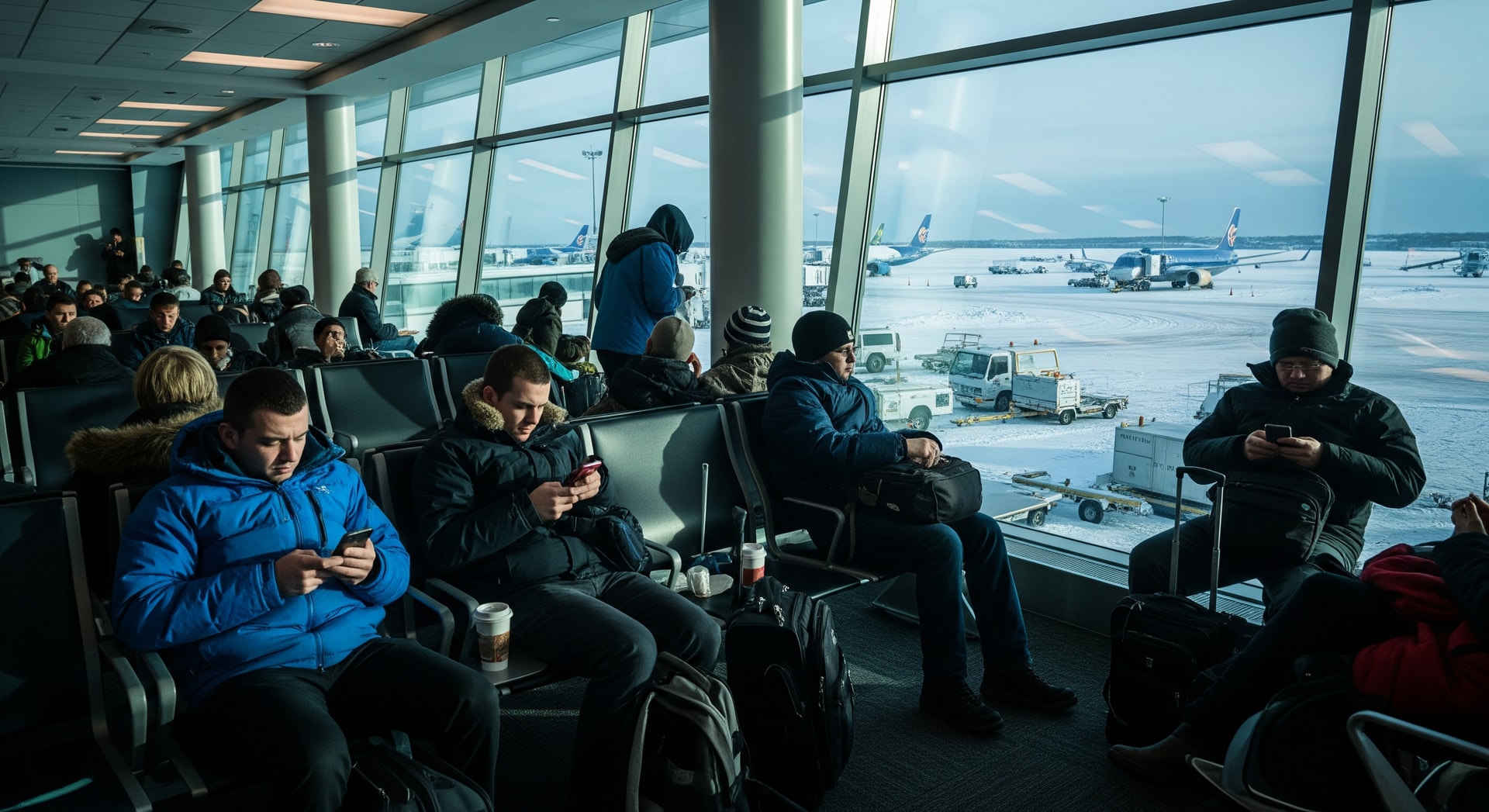
Severe winter weather has caused major disruption at European airports such as Berlin and Amsterdam, where black ice, freezing rain and strong winds have halted services. On 6 February, Berlin airport was hit by black ice after several days of freezing rain, and Amsterdam Schiphol previously canceled more than 700 flights amid snow and strong winds. With further disruption forecast, travellers should understand the compensation, care and rebooking rights that apply under EU and UK rules.
How EU and UK compensation rules work
Under EU law, passengers whose flights are delayed by three hours or more at their final destination are eligible for financial compensation. The amounts depend on flight distance: €250 for journeys under 1,500 km; €400 for 1,500–3,500 km; and €600 for flights over 3,500 km. Since Brexit, the UK applies a converted flat rate in pounds sterling for similar cases.
- EU compensation: €250 for flights up to 1,500 km
- EU compensation: €400 for flights between 1,500 km and 3,500 km
- EU compensation: €600 for flights over 3,500 km
- UK converted rates: £220, £350, £520 respectively
- Note: For >3,500 km delays of 3–4 hours, compensation may be halved (€300 or £260)
Who is covered and when
If your flight departs from an EU or UK airport you are protected by these rules regardless of the carrier’s nationality. For flights arriving in the EU/UK from outside the region, protection only applies when the operating airline is an EU/UK carrier (headquartered in the EU/UK). For example, a delayed New York–Paris flight operated by Air France would be covered, whereas the same route on United Airlines normally would not be covered under EU 261.
Extraordinary circumstances: when airlines are exempt
Airlines do not have to pay compensation if delays are caused by events outside their control, known as 'extraordinary circumstances.' Examples include extreme weather events, air traffic control strikes, security threats, or medical emergencies. However, some causes commonly claimed as extraordinary—such as technical faults or airline staff strikes—are generally regarded as part of normal airline operations and do not automatically exempt carriers from paying compensation.
Airline obligations: care, refunds and rebooking
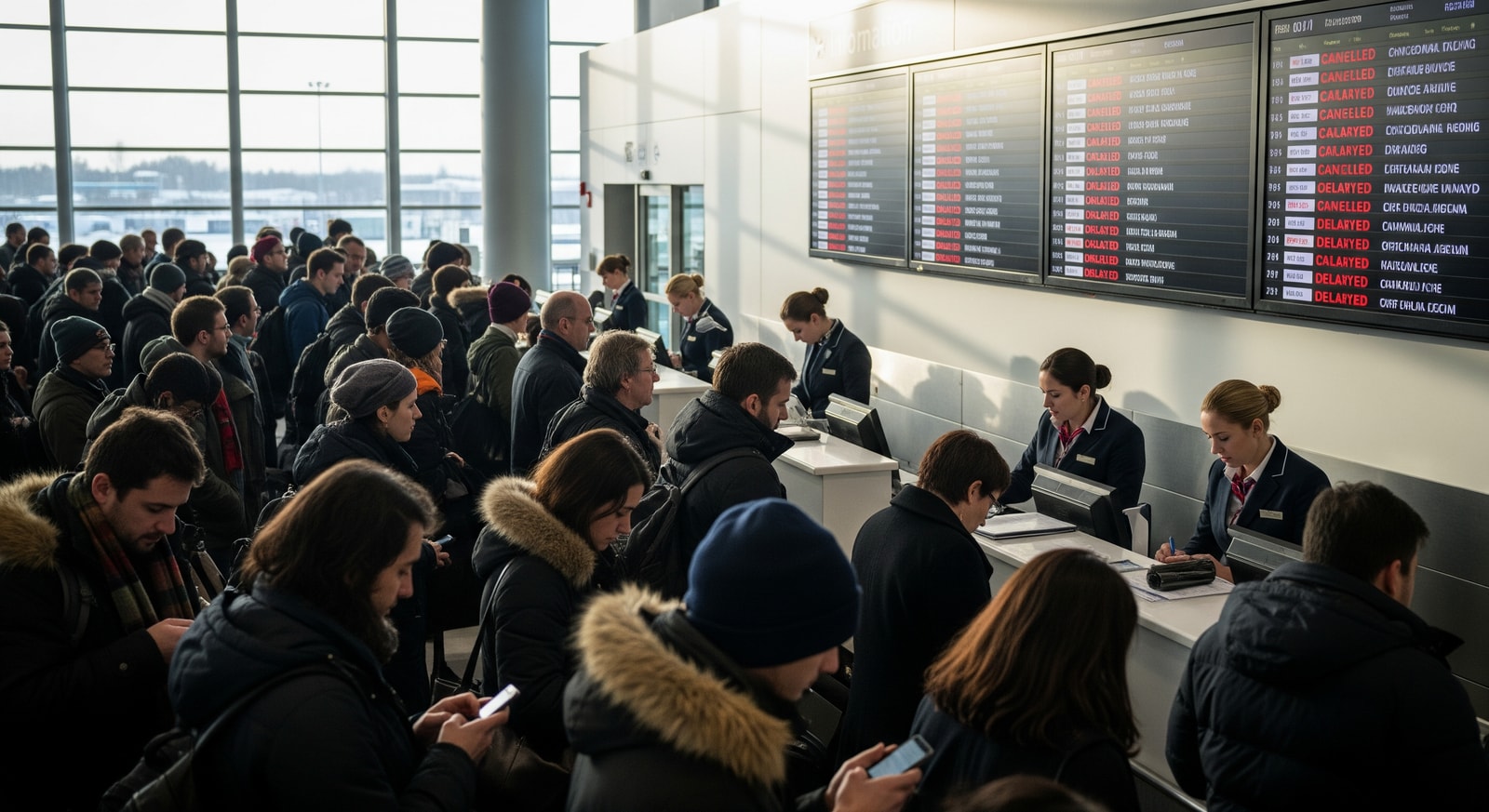
Regardless of whether a disruption is classed as extraordinary, airlines must provide assistance. For delays they must supply food and refreshments (after two hours for short-haul flights, three hours for medium-haul and four hours for long-haul) and organise accommodation free of charge for overnight waits. If a delay exceeds five hours you may choose to abandon your journey and claim a full refund.
- Delay threshold for compensation: 3 hours at final destination
- Cancellation notice: compensation due if notified less than 14 days before departure
- Right to care: meals and accommodation for longer delays
- Refund: option to cancel and get full refund if delay exceeds 5 hours
- Rebooking: airline must offer rerouting at earliest opportunity or return flight
Travel insurance and documentation tips
Many travellers add travel insurance to cover extra costs arising from prolonged delays, such as meals, hotels and missed connections. Policies vary, so retain receipts for any out-of-pocket expenses, obtain written confirmation from the airline about the delay or cancellation, and keep ticketing and booking documents — insurers typically require this evidence to consider claims.
Preparing for winter travel disruptions
Before travelling in winter, monitor weather forecasts, check flight status with your carrier, and have travel insurance details at hand. Consider contingency plans for overnight stays and alternative transport. Knowing your rights in advance — particularly the rules on compensation, care and refunds — can reduce stress if cancellations or long delays occur.
So what? Why this matters to travellers
Understanding EU and UK passenger rights gives you leverage when weather disrupts travel: you can claim compensation if delays meet the thresholds, insist on care and hotel accommodation when stranded, and choose refunds or rebooking where appropriate. Keeping receipts and airline documentation makes insurance claims easier. In short, being informed helps limit financial loss and simplifies recovery when winter chaos affects your itinerary.
Sources