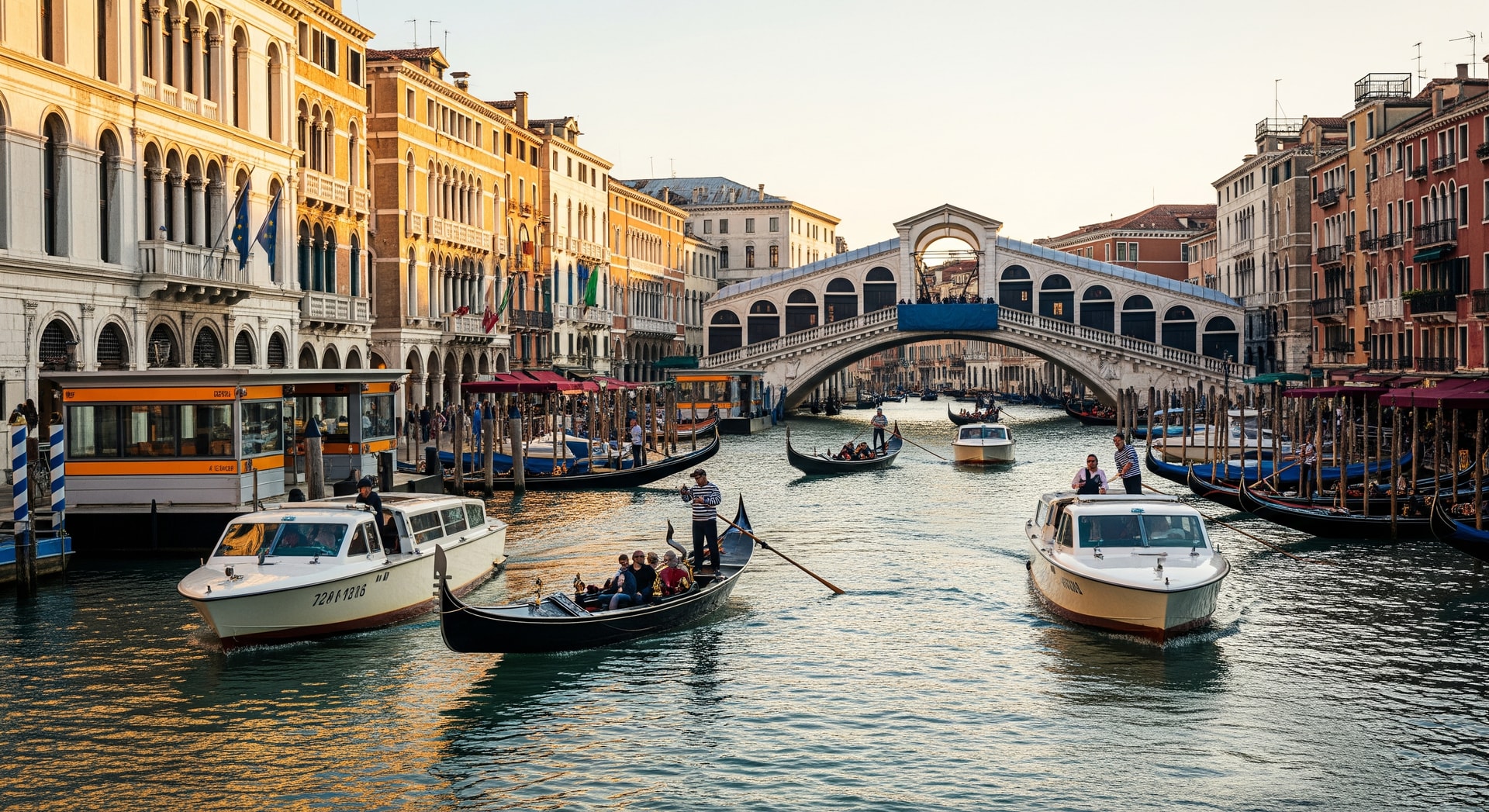
Venice 2026 will draw cultural visitors for the Biennale while new measures, including a day‑tripper access fee, aim to make tourism more sustainable.
Summary: Venice 2026 combines the return of the 61st Venice Biennale Arte (9 May – 22 November) with new visitor-management steps — including a paid access system for day-trippers during peak months — alongside continued flood protection via the MOSE barriers.
Venice 2026 is shaping up to be a standout year for travellers interested in art and heritage as the city readies itself for a busy cultural calendar and firmer measures to steer tourism toward sustainability. The spotlight will be on the 61st Venice Biennale Arte, while local authorities introduce an access fee for short-stay day visitors to ease pressure on the historic centre.
Venice Biennale Arte: A major cultural draw
The 61st Venice Biennale Arte will run from 9 May to 22 November 2026 and is expected to attract large numbers of contemporary art enthusiasts. The event will occupy traditional sites such as the Giardini and the Arsenale, reinforcing Venice’s role as a global centre for contemporary art and culture and drawing visitors from around the world.
Managing visitor flows: the new access fee
To mitigate overtourism, Venice will introduce a paid access requirement for day-trippers from 2026. The fee targets peak periods with the aim of encouraging longer stays, reducing the concentration of short visits during the busiest months, and improving overall visitor distribution across the day and year.
- Access fee applies during peak months, including April to July
- Day-tripper entries must be booked in advance
- Goal: encourage longer visits and relieve pressure on central sites
Local businesses have responded positively to the change, noting that a steadier, less frenetic flow of visitors allows for more sustainable commerce and a better experience for residents and travellers alike. Controlling day visits also helps protect fragile infrastructure, an important consideration as Venice faces climate pressures.
Flood protection: MOSE gives confidence
Venice’s MOSE flood‑barrier system, operational since 2020, remains a central element of the city’s resilience strategy. By helping to limit routine flooding of canals and landmarks, MOSE has contributed to restoring local confidence in tourism and supports the city’s ability to host large cultural gatherings with reduced risk from high tides.
Island alternatives and authentic experiences
To spread visitor interest beyond the crowded historic core, Venice is highlighting its lagoon islands. Lido, Giudecca and Sant’Erasmo offer distinct alternatives: Lido for beaches and its film festival; Giudecca for quieter stays and panoramic views; and Sant’Erasmo for agricultural landscapes and vineyards. Promoting these islands helps diversify visitor itineraries and ease congestion downtown.
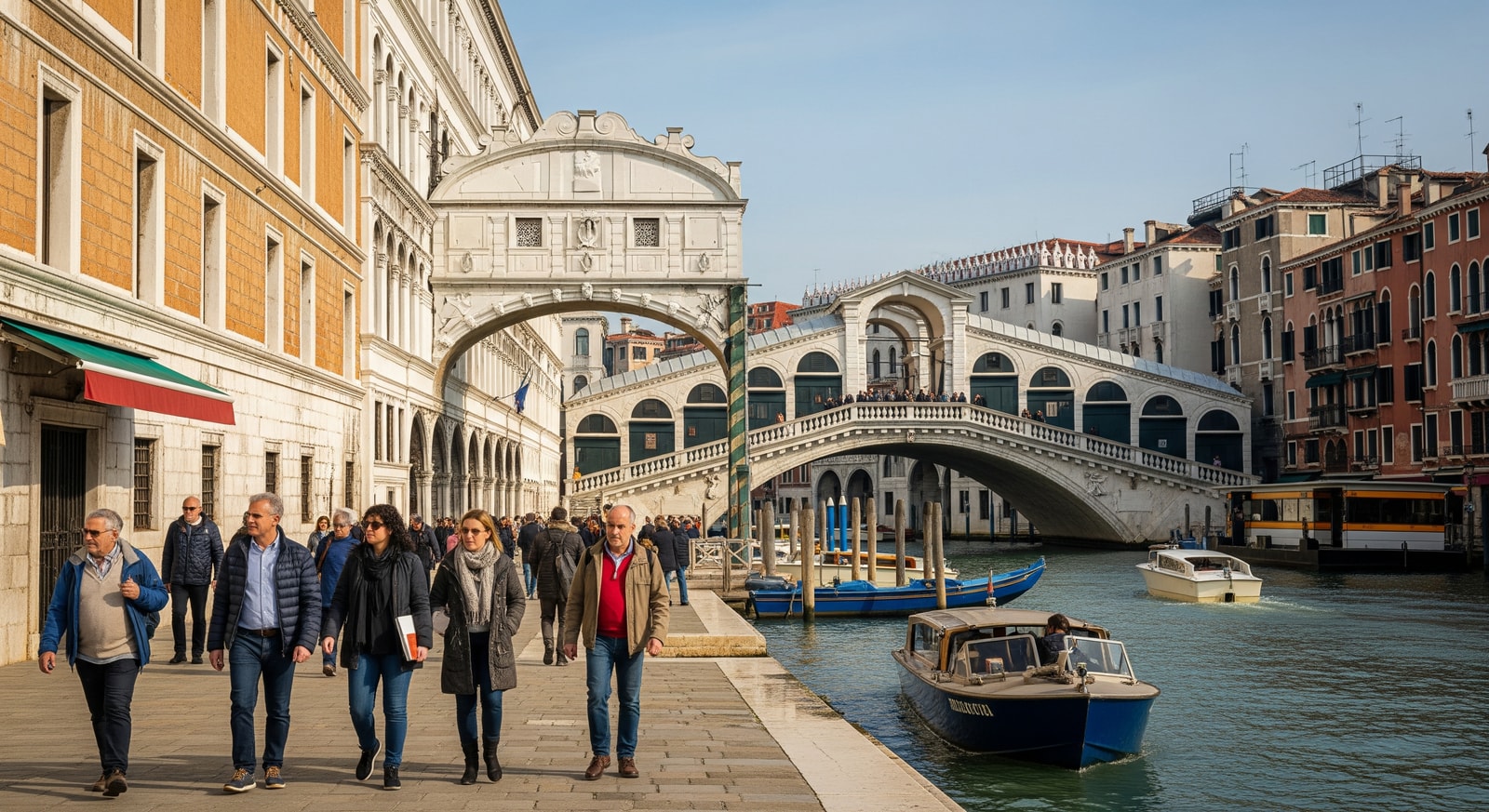
- Must-visit landmarks: Piazza San Marco, Rialto Bridge, Palazzo Ducale, Santa Maria della Salute
- Hidden gems: Lido (beaches and film festival), Giudecca (scenic views), Sant’Erasmo (vineyards and farmland)
- Local cuisine: cicchetti (Venetian tapas), risotto di gò, fresh lagoon seafood, Rialto Market produce
Preserving heritage while welcoming visitors
Venetian officials say the 2026 approach aims to balance safeguarding the city’s character with meeting demand from international travellers. The emphasis is shifting toward quality experiences, support for local artisans and food producers, and measures that protect both cultural assets and residents’ daily life.
What this means for travellers
For visitors, Venice 2026 promises richer cultural programming and more considered tourism flows. Expect to plan ahead — particularly if visiting as a day-tripper, since an access reservation and fee will be required during peak months. Travellers seeking quieter, more authentic experiences may consider staying longer, exploring the lagoon islands, and booking Biennale and other event tickets in advance to make the most of the season.
Sources