Reintroducing VAT-free shopping could bring an estimated £7 billion a year to the UK, boosting retail, airlines and hospitality while helping the country compete with European rivals.
Summary: Reintroducing VAT-free shopping for overseas visitors could boost UK tourism and retail by an estimated £7 billion annually, benefitting airlines, hotels and high streets.
Reintroducing VAT-free shopping for visitors could deliver as much as £7 billion a year to the UK economy, industry analysts argue. Restoring this tax refund scheme is seen as a way to revive retail spending and provide a lift to airlines and the hospitality sector as the global tourism market expands.
Why VAT-Free Shopping Matters to the UK
The UK previously attracted large numbers of international shoppers by offering VAT refunds to non‑EU visitors. After the scheme was discontinued, retail receipts fell as some visitors shifted purchases to European neighbours where tax-free shopping remains in place. Industry voices say bringing the scheme back would make the UK more competitive for high-spending tourists.
High-Spending Markets That Could Drive Recovery
Analysts point to visitors from the United States, China, India, France, Germany and Saudi Arabia as primary sources of incremental spending if VAT-free shopping returns. Each market contributes significant outbound spending and has buyer segments that favour luxury retail and longer stays.
- United States: strong demand for luxury and long-haul travel to the UK
- China: high per-visitor retail spending historically attracted to the UK
- India: rapidly growing outbound market with interest in premium shopping
- France and Germany: nearby markets where short trips often include retail
- Saudi Arabia: rising outbound tourism from high-net-worth travellers
Industry estimates suggest that returning VAT refunds could unlock roughly £7 billion in annual spending, reversing a trend that had seen an estimated £2 billion diverted to other European destinations including France, Italy and Spain.
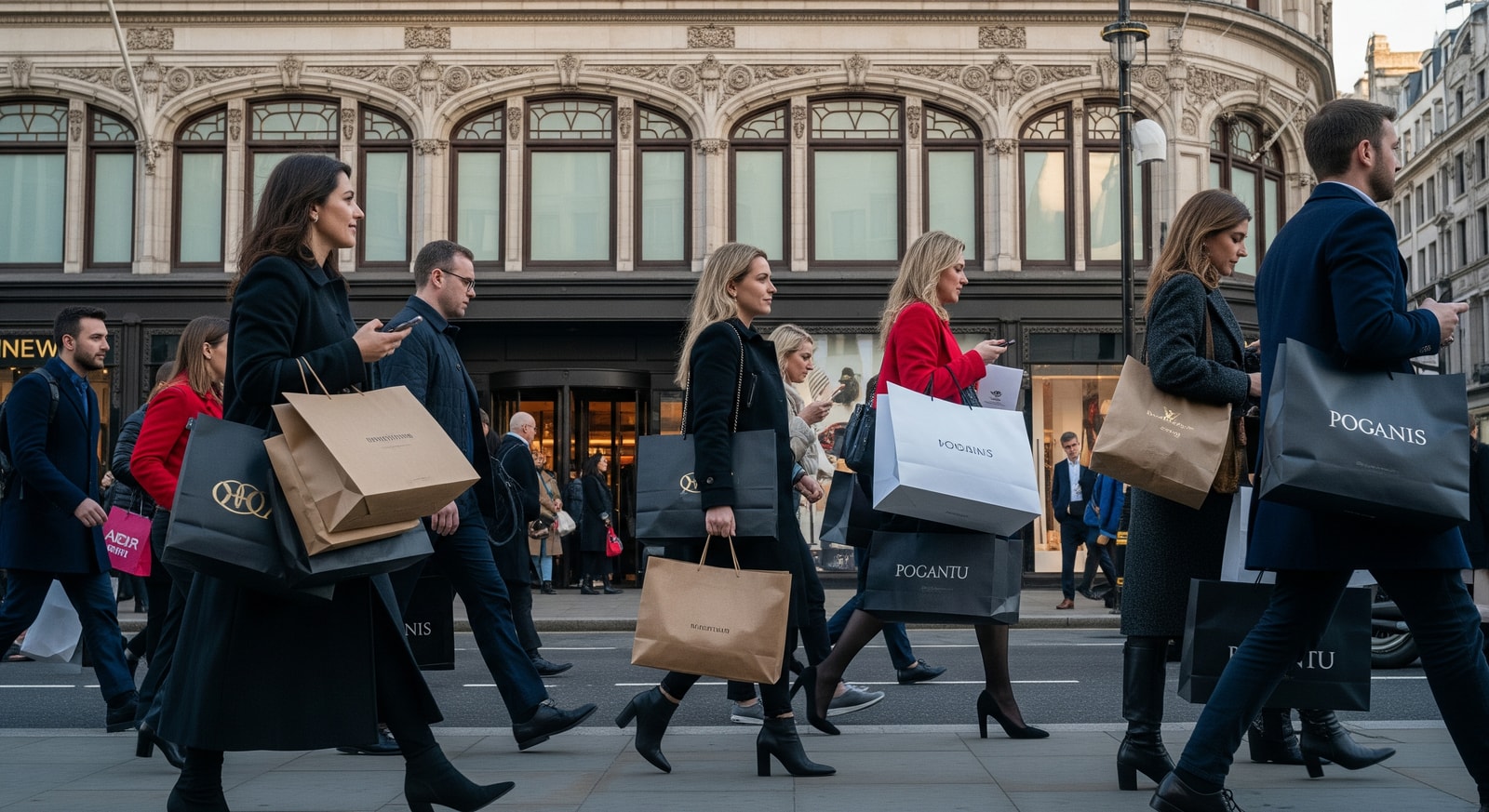
Wider Benefits for Airlines and Hospitality
A return of VAT-free shopping would likely increase demand for long-haul flights and encourage longer stays. Airlines such as British Airways, Emirates and Qatar Airways stand to see higher bookings on routes from the US, China, India and the Gulf, while UK hotels could benefit from improved occupancy and higher average spend.
Supporters point to a multiplier effect: for every £1 spent through VAT-free shopping, the wider economy gains additional value. One report cited in industry discussion estimates that each pound of tax-free retail spend generates about £1.56 across the economy.
How a VAT Refund Scheme Would Work for Visitors
- Check eligibility: VAT refunds are typically for non‑EU visitors; travellers should verify current rules before travel.
- Shop with participating retailers: look for “Tax-Free Shopping” signage at major department stores such as Harrods, Selfridges and Liberty.
- Get refund forms at purchase and present goods with passport to customs to claim the refund before departure.
- Plan timing: refunds and paperwork can take time, so allow extra time at airports or ports.
The UK also has seasonal shopping peaks—like Boxing Day sales—that would become even more attractive to international visitors if VAT refunds were available. Beyond London, cities such as Edinburgh, Manchester and Birmingham could capture more of that international spend.
Policy Considerations and the Road Ahead
Proponents argue that reinstating VAT-free shopping would be a straightforward economic lever to boost tourism and support jobs across retail and hospitality. Policymakers will need to weigh implementation details, costs and administrative procedures against the projected benefits to ensure the scheme is efficient and targeted.
So what? For travellers, a revived VAT-free shopping scheme could lower the effective cost of luxury and high-value purchases and make the UK a more attractive shopping destination. For the tourism and travel industries, it represents a potential catalyst to increase visitor numbers, extend stays and grow revenues across airlines, hotels and retail.
Sources