US counties are accelerating sports tourism growth as places like Fairfax, Henrico, Pulaski, Maricopa, and Chesterfield invest in venues and events to increase visitor spending and local revenue.
Summary: Sports tourism growth is becoming a key economic strategy for US counties. A 2023 study valued the US sports tourism market at US$128 billion with 204.9 million sports travelers. Counties highlighted include Fairfax and Henrico in Virginia, Pulaski’s planned Sportsplex, Palm Beach County in Florida, Maricopa County in Arizona, Cortland County in New York, and Chesterfield County in Virginia.
Sports tourism growth is increasingly shaping how US counties plan for jobs, visitor spending, and new tax revenue. From Northern Virginia to Arizona, local governments are investing in sports complexes and event hosting to attract tournaments that bring in traveling teams, families, and spectators—and the hotel nights and restaurant spending that come with them.
The push is being driven by the scale of the market. A 2023 study estimated the sports tourism sector at US$128 billion and counted more than 204.9 million sports travelers moving around the country for competitions and events. Counties are responding by upgrading facilities, repurposing older sites, and building new venues designed to win bids for large tournaments.
Sports tourism growth: Why counties are investing now
County leaders are treating sports events as more than entertainment, positioning them as a tool for economic diversification. The model is straightforward: tournaments can fill hotels, increase local retail and dining activity, and generate revenue through taxes and event-related fees. Many counties also argue that new or improved facilities can benefit residents through better public amenities when events are not in session.
Fairfax County, Virginia: Strategy built around tournaments and facilities
Fairfax County is aiming to become a larger player in sports tourism. A 2025 Fairfax County report described sports tourism as a way to broaden the county’s economy amid land constraints and an uncertain economic outlook. The county’s Sports Tourism Task Force has framed tournament hosting as a way to increase tourism spending while also supporting improvements to public amenities.
Officials also see geography as an advantage. Fairfax County’s proximity to Washington, D.C. is presented as a factor that can help it compete for large-scale events and tournaments that draw regional and national visitors.
Henrico County, Virginia: A nearby example with measurable impact
Fairfax’s plans are often compared with results in neighboring Henrico County. In 2023, Henrico County generated US$72.4 million in economic activity from sports tourism events. The county’s experience is being used as a reference point for how investments in sports complexes and high-profile tournaments can support broader economic activity and employment.
Patriot Park North: Early revenue signals for Fairfax
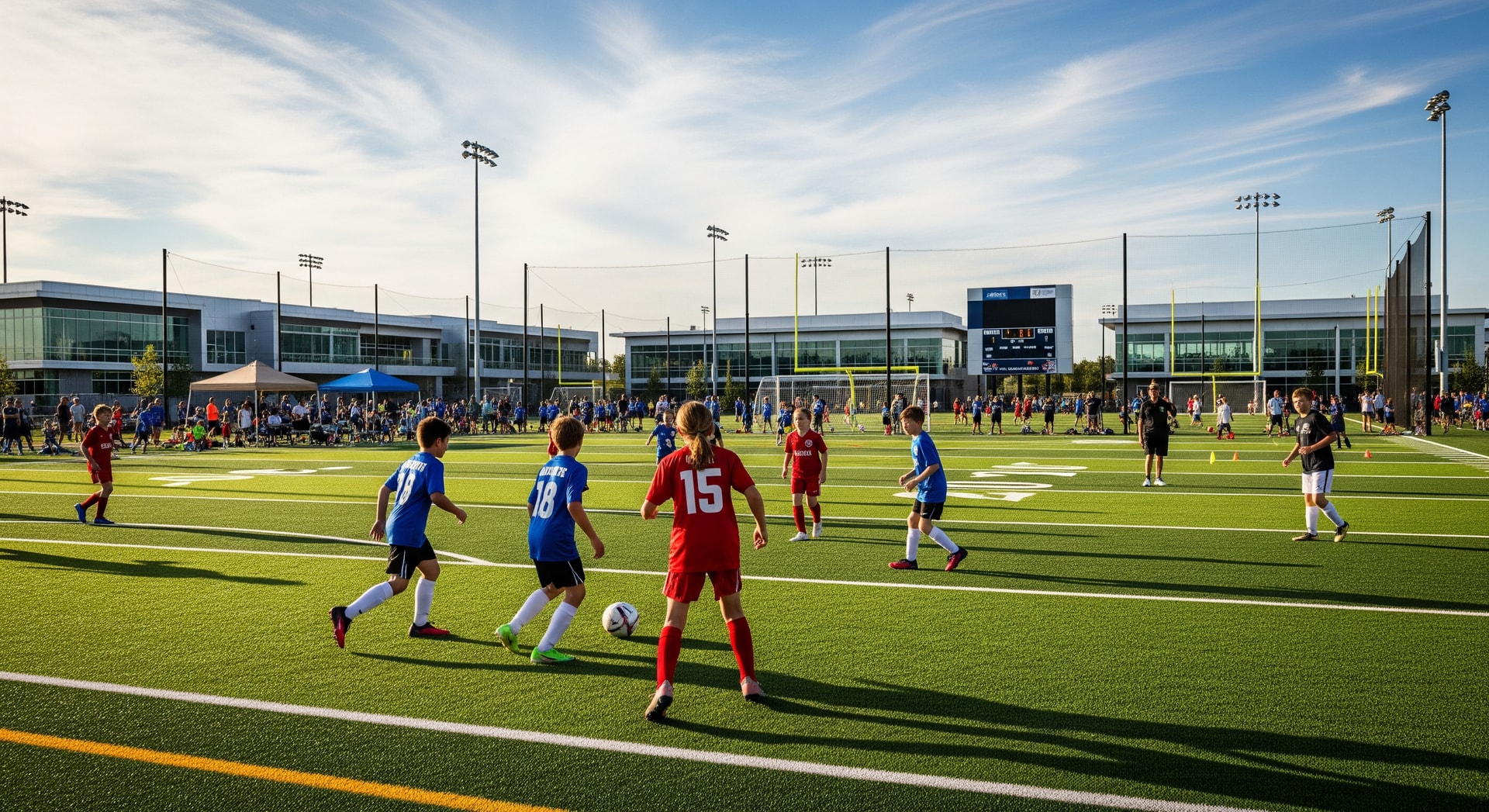
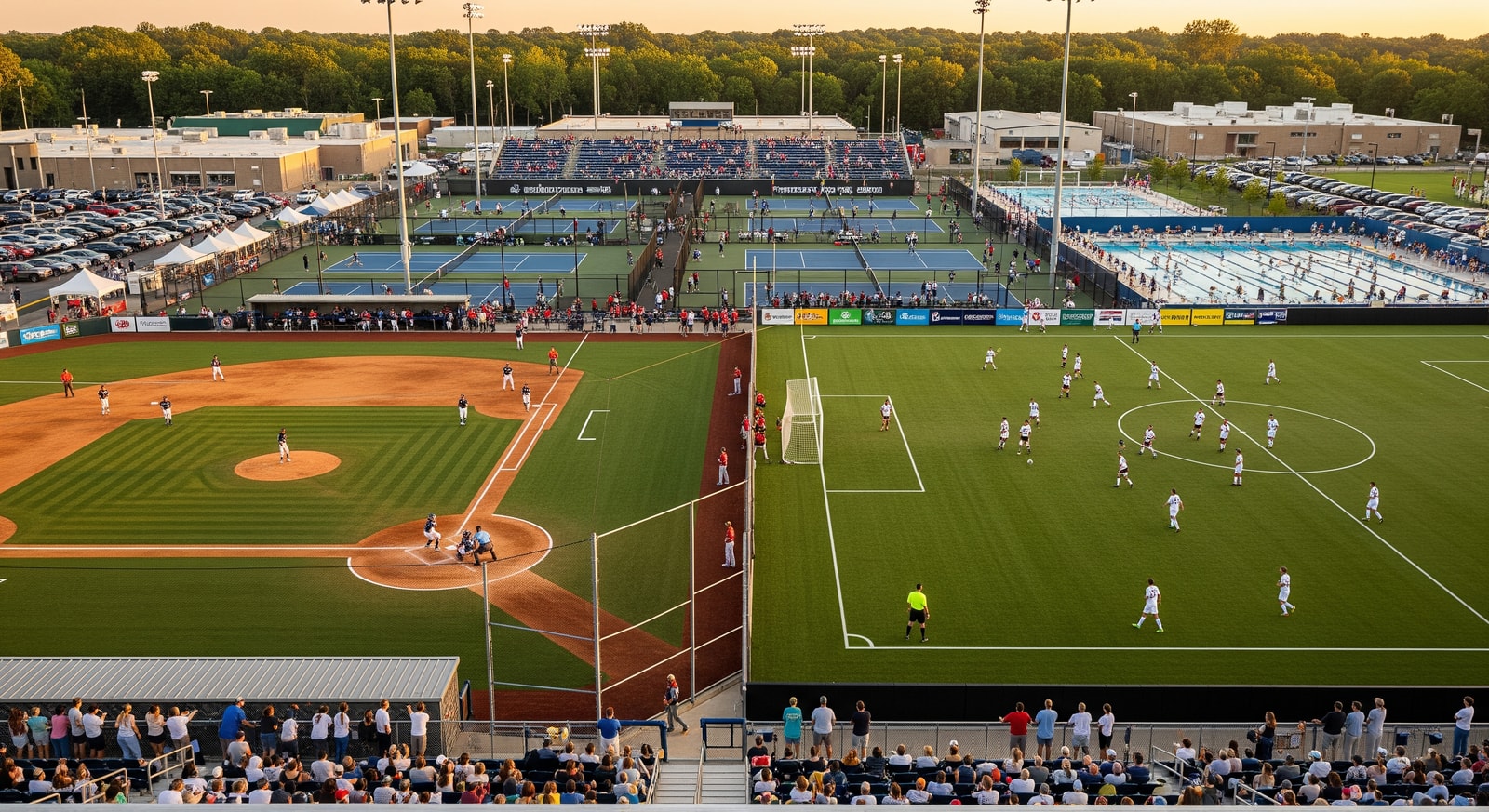
One of Fairfax County’s key facilities is Patriot Park North, a sports complex that opened in 2023. By 2024, it had produced more than US$5.9 million in direct revenue, indicating that newly launched venues can generate returns quickly when they are actively programmed with events.
At the same time, Fairfax County’s Sports Tourism Task Force identified operational hurdles, including fragmented booking processes and limited coordination across facilities. To address those issues, Fairfax plans to establish a Public Recreational Facilities Authority intended to streamline bookings, attract investors, and oversee a growing sports tourism footprint.
Pulaski County, Virginia: Repurposing a factory into the Pulaski Sportsplex
Pulaski County is pursuing sports tourism through redevelopment. Local officials are converting a former manufacturing facility into what is described as Virginia’s largest indoor sports and entertainment complex. The Pulaski Sportsplex is planned to include multiple courts and fields, a weight room, batting cages, and a restaurant, with the goal of hosting a wide range of tournaments.
- Planned Pulaski Sportsplex features: multiple sports courts and fields, a weight room, batting cages, and a restaurant
- Tournament sports mentioned: basketball, volleyball, pickleball, wrestling, and more
- Funding approach: a cigarette tax approved by referendum
- Project cost and financing: US$10.5 million financed through tax-exempt bonds
Palm Beach County, Florida: Nearly one million visitors tied to sports events
In Florida, Palm Beach County is promoting itself as a year-round sports destination, supported by extensive outdoor amenities. The county is described as having 47 miles of beaches, 145 golf courses, and 1,200 tennis courts, with its Sports Commission marketing the area to event organizers.
In 2024, sports events in Palm Beach County attracted nearly one million visitors and generated US$329 million in economic impact. The county’s approach includes support services such as event planning assistance, security support, and volunteer recruitment, which are intended to make hosting easier for organizers and to increase the likelihood of repeat events.
Maricopa County, Arizona: Stadium-led strategy and long-term impact
Maricopa County is presented as a major sports tourism hub in Arizona, anchored by State Farm Stadium, home of the Arizona Cardinals and a Super Bowl venue. The Arizona Sports and Tourism Authority (AZSTA) is described as generating significant revenue from professional events as well as youth tournaments.
Since it began operating, State Farm Stadium has generated US$5 billion in economic impact, according to the article. The AZSTA also invests in grassroots initiatives, including youth sports facilities, using a dedicated tax revenue stream to fund community sports projects.
Cortland County, New York and Chesterfield County, Virginia: Smaller markets, targeted events
The article also points to gains in smaller counties. In 2024, Cortland County hosted more than 50 events and recorded US$11.3 million in economic impact. The Lumber Yard Complex was cited as drawing 816 teams from 16 states, illustrating how tournament travel can scale beyond major metro areas.
In Chesterfield County, local officials have focused on building recurring events and partnerships. The county has supported local programming such as Outdoor Fest and worked with the Tidewater Volleyball Association on grass volleyball tournaments, while also pursuing national events including Copa Talento and Perfect Game tournaments through its Sports, Visitation and Entertainment Department.
Why this matters to travelers and the travel industry
For travelers, the expansion of sports tourism can mean more event-driven trips, busier peak weekends, and increased demand for accommodation near venues—especially during large tournaments. For the travel industry, these county-led investments signal sustained competition to host events that reliably generate overnight stays and local spending, which can influence everything from hotel pricing to destination marketing priorities across the United States.
Sources