Glasgow–Dubai flights could be doubled as Emirates evaluates adding a second daily service to Glasgow, driven by rising passenger traffic and export-focused cargo demand.
Summary: Glasgow–Dubai flights could be increased to two daily services as Emirates assesses restoring a second daily Dubai link to Glasgow, citing resilient passenger demand and rising cargo volumes including seafood and whisky exports.
Emirates is actively reviewing the possibility of a second daily Glasgow–Dubai flight, a move prompted by steady passenger traffic and strengthening air-cargo requirements. The potential additional frequency would reinforce Scotland’s access to Dubai’s global connections and support time-sensitive exports from western Scotland.
Potential Restoration of Double-Daily Service
Reports indicate Emirates is evaluating capacity expansion on the Scotland–UAE route. Glasgow previously supported two daily services before network adjustments reduced frequency; now consistent passenger loads and improving cargo volumes have renewed the case for reinstatement.
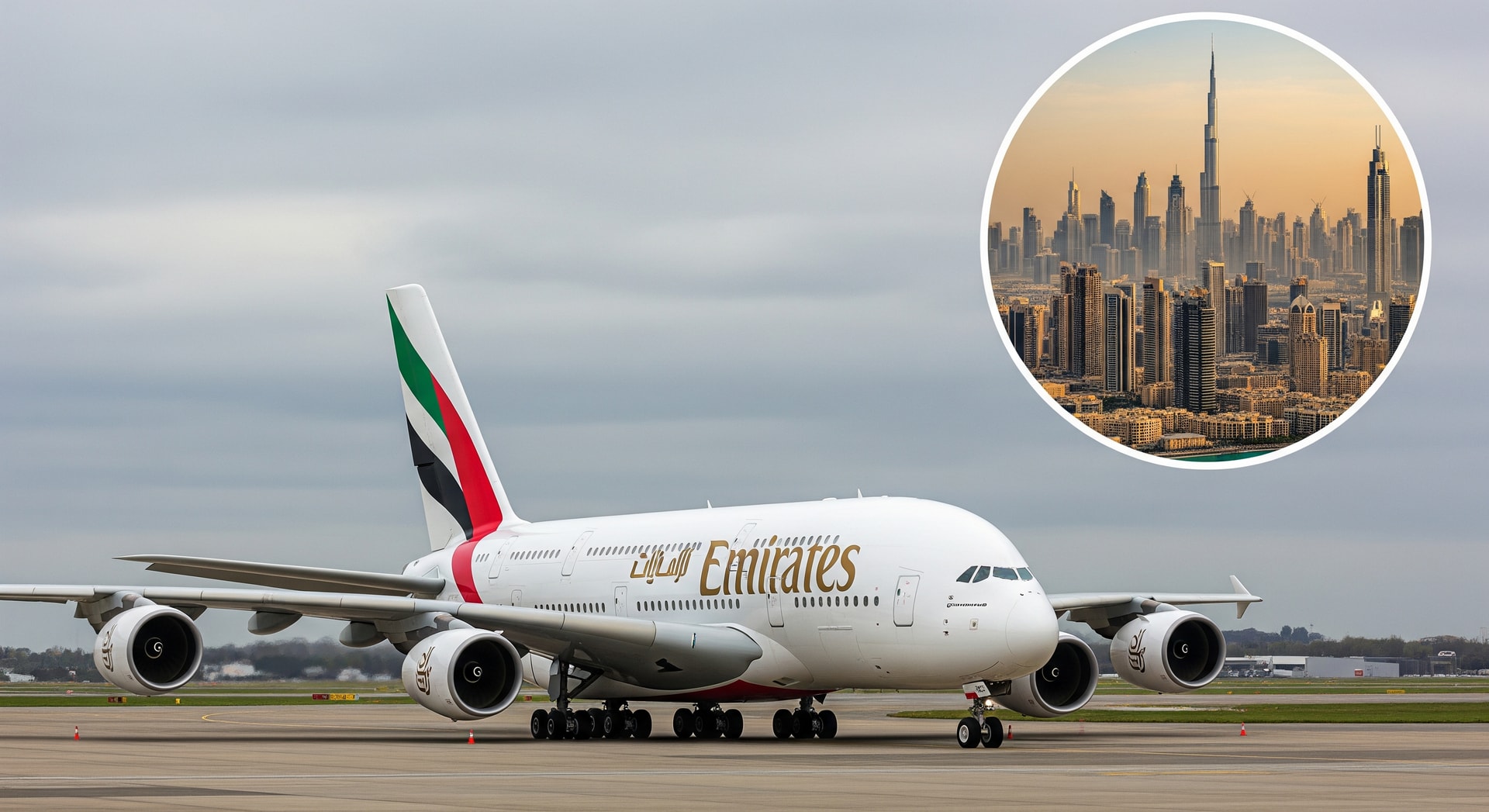
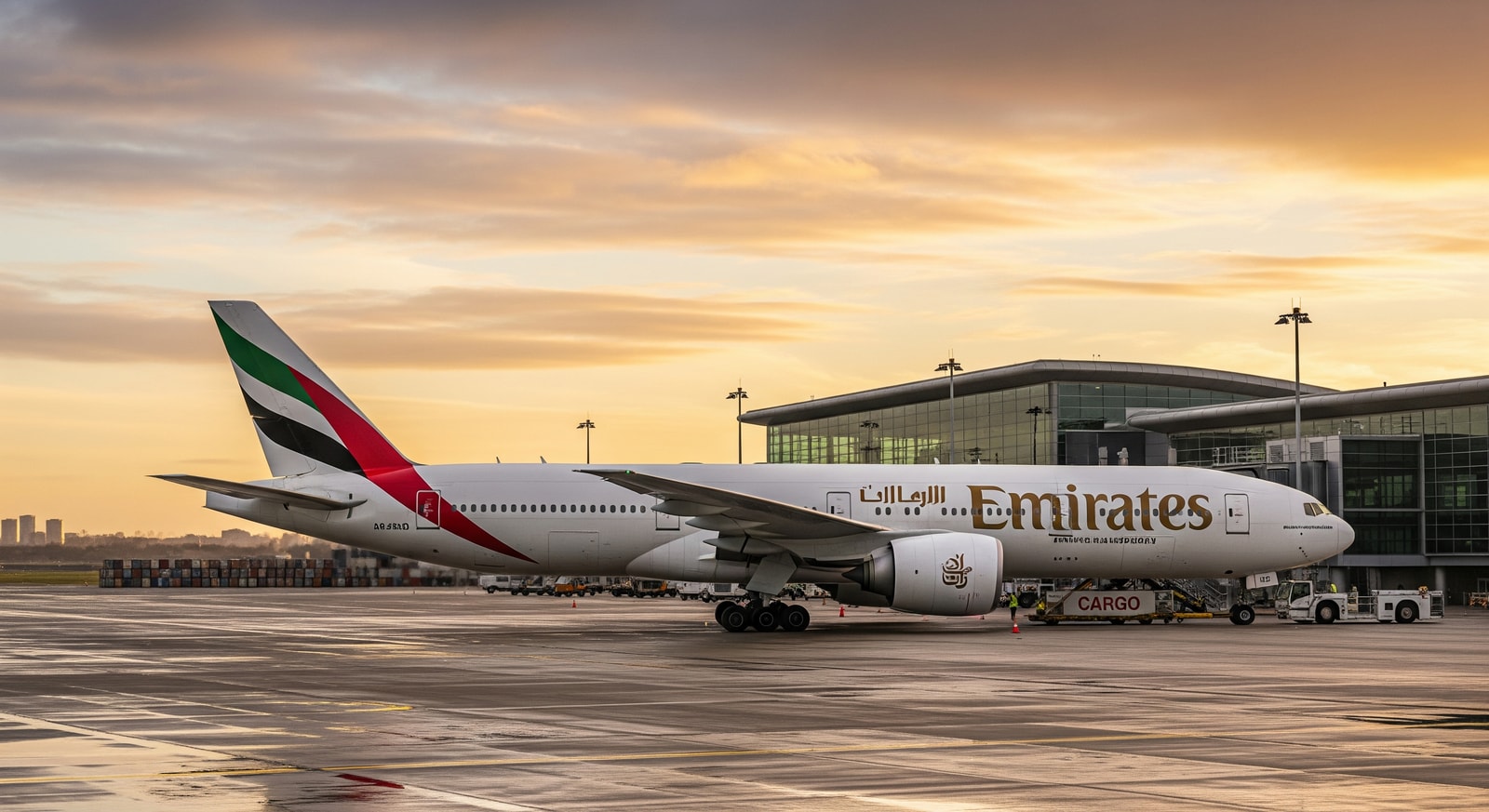
Currently the daily Glasgow–Dubai service operates with the Airbus A380, offering significant passenger capacity. The prospective extra frequency is expected to be flown by a Boeing 777, a choice that would provide greater cargo flexibility alongside passenger carriage.
Cargo Demand Reshaping Route Economics
Freight flows have become a key factor in route planning for the Glasgow–Dubai link. Scottish seafood—fresh fish and shellfish, including live products—requires rapid cold-chain logistics. Limited uplift capacity has sometimes forced exporters to route consignments via Manchester, adding time and complexity.
- Seafood exports need same-day shipments and reliable cold-storage handling.
- Whisky consignments contribute consistent high-value cargo demand.
- Boeing 777 deployment offers more adaptable cargo capacity than the A380.
By adding uplift directly from Glasgow, exporters could access Dubai’s onward logistics network more efficiently, improving transit times to markets across Asia and the Middle East. That prospect is a central commercial rationale for considering a second daily service.
Glasgow Airport has been preparing for this kind of growth through targeted cargo infrastructure upgrades, prioritising refrigeration and cold-storage capacity so time-sensitive products can be processed and loaded the same day.
Glasgow's Strategic Role in the UK Aviation Network
As the main long-haul gateway for western Scotland, Glasgow Airport serves both passenger and specialised freight needs. Its geographic position gives regional producers quicker access to international flights without relying on surface links to larger English hubs.
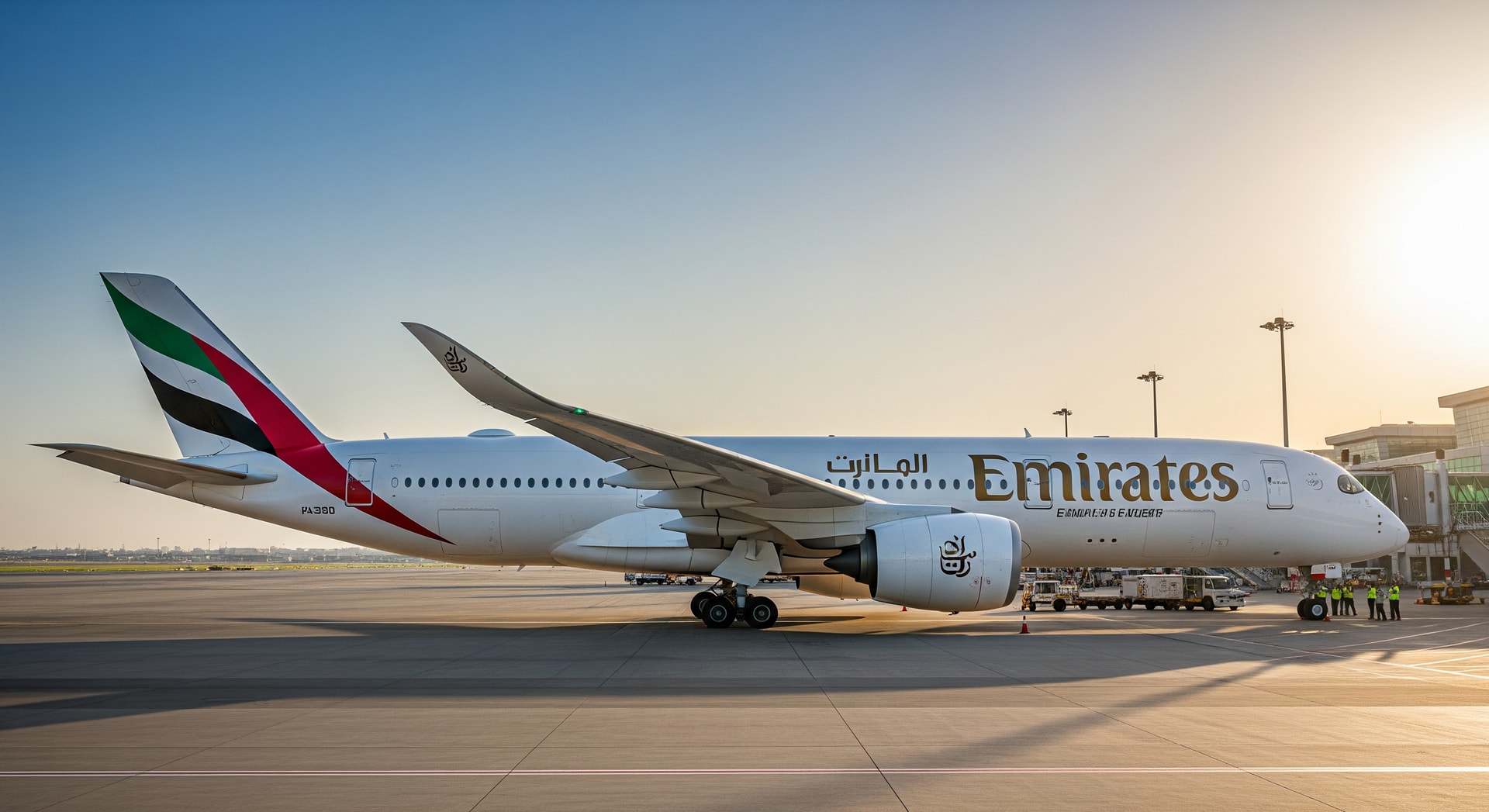
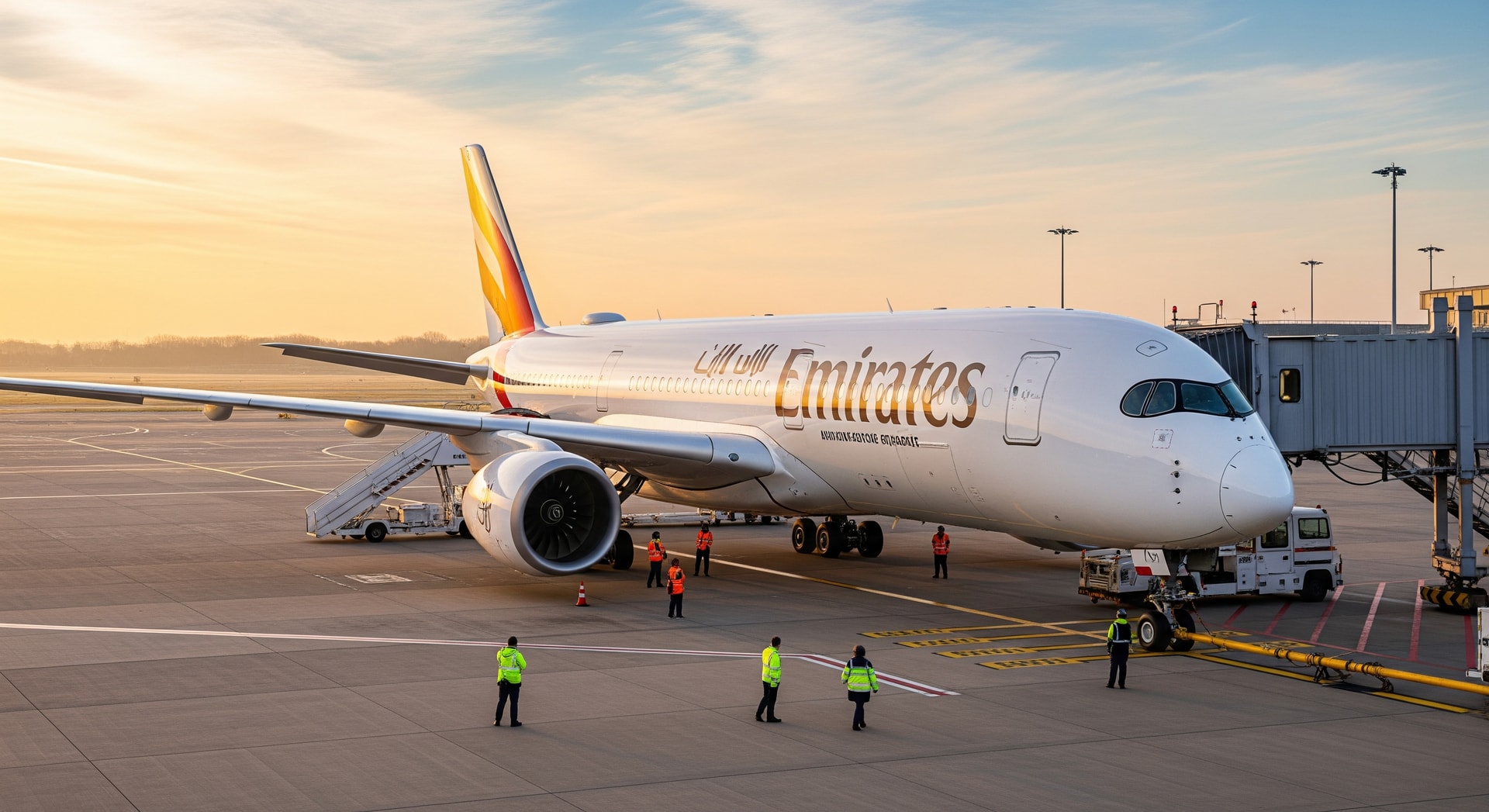
Edinburgh continues to operate daily Emirates services to Dubai using the Airbus A350, highlighting how Scotland’s two principal airports play complementary roles: Edinburgh for its own catchment, and Glasgow with a stronger cargo origin profile.
Ownership Changes and Long-Term Network Strategy
AGS Airports—the owner of Glasgow, Aberdeen and Southampton—entered a new phase after Canada’s PSP Investments, via AviAlliance, acquired the group for £1.53 billion in early 2025. New leadership is prioritising network expansion and infrastructure modernisation, with deeper airline partnerships featuring prominently in strategy discussions.
A dual-aircraft approach—retaining the high-density A380 service while deploying a 777 for an additional frequency—would allow Emirates to balance passenger capacity with freight uplift, adapting schedules to evolving demand on the UK–UAE corridor.
Passenger Demand and Premium Economy Potential
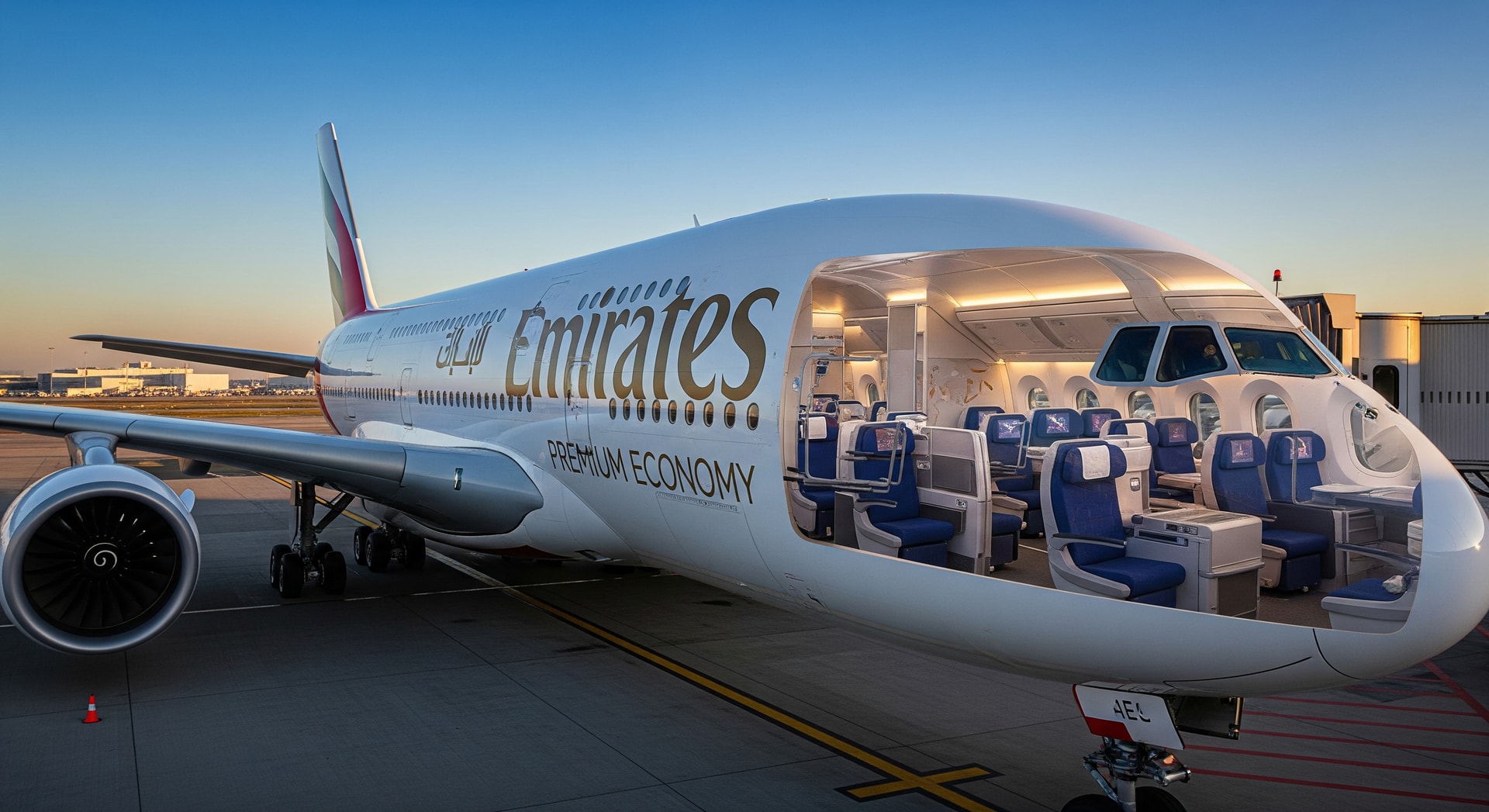
Passenger traffic on the route combines premium leisure, business travel and inbound tourism. Emirates’ continued use of the A380 on the existing daily service underlines sustained demand. Discussions have also touched on the possible introduction of Premium Economy as part of ongoing widebody refits, which could appear on Scotland services in the year ahead if schedules permit.
Outlook for UK–UAE Aviation Connectivity
While the exact timing of a second daily Glasgow–Dubai flight will depend on Emirates’ wider scheduling and fleet planning, the commercial case remains robust. Passenger resilience, growing export-driven cargo flows and Glasgow’s infrastructure readiness together make the route a strong candidate for capacity growth within the next planning cycle.
Why this matters: For travellers, additional Glasgow–Dubai frequencies would mean more routing options, improved connections to Asia, Africa and Australasia via Dubai, and potential new cabin choices such as Premium Economy. For exporters and the regional economy, extra uplift directly from Glasgow could reduce transit times, lower logistical complexity and support growth in seafood and whisky shipments—strengthening Scotland’s link to global markets.
Sources