Teriberka has shifted from Arctic tourism hotspot to a logistics hub for sanctioned LNG tankers, altering the village's outlook and raising environmental and social concerns.
Summary: Teriberka — once known for whale safaris and aurora tourism — is increasingly used as a logistics point for sanctioned LNG carriers, bringing economic activity but creating environmental and social risks for the Arctic village.
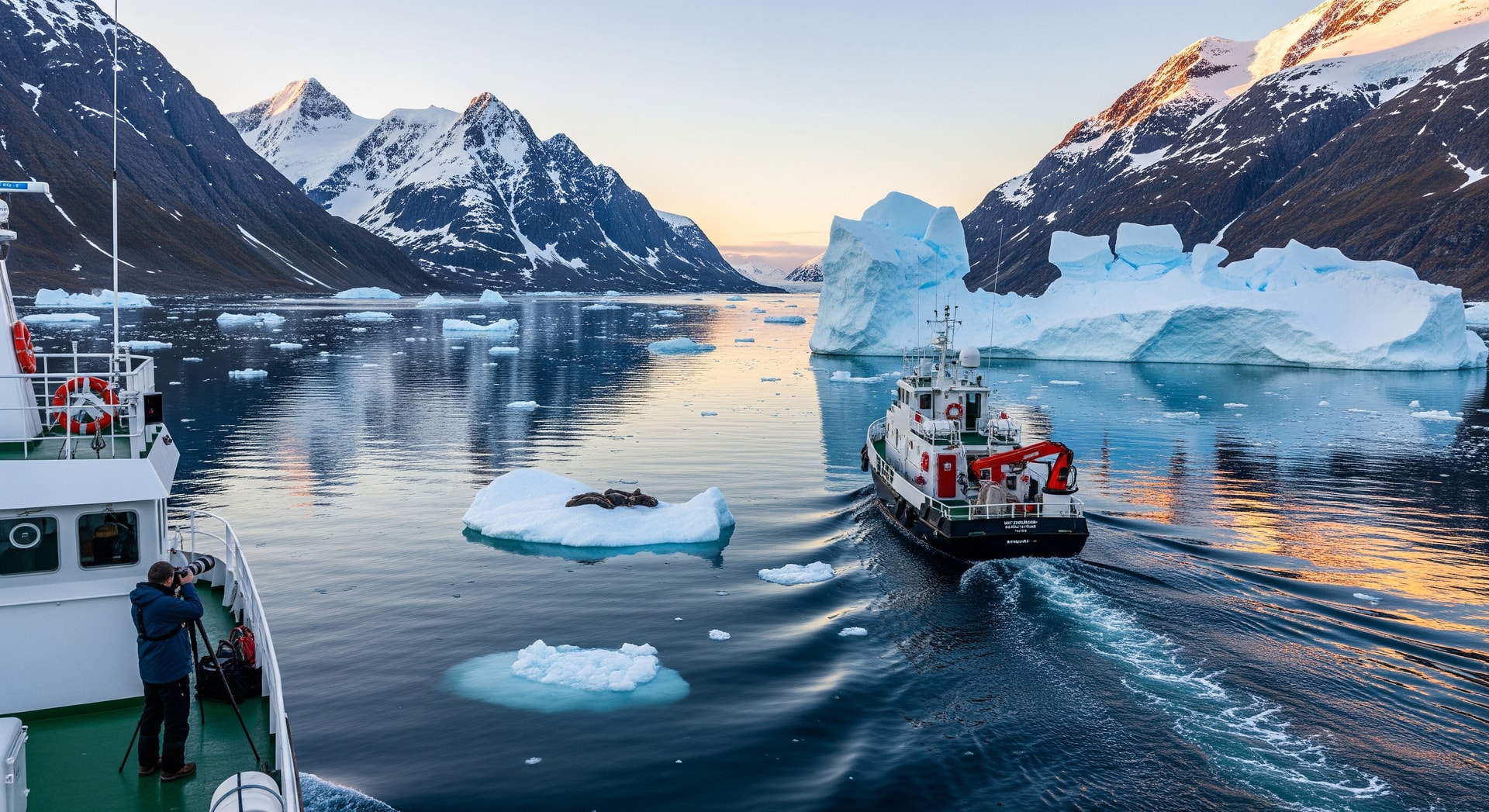
Teriberka, a small settlement on the Kola Peninsula’s edge facing the Barents Sea, became a must-visit spot for adventurous travellers seeking the Northern Lights, whale-watching safaris and stark Arctic landscapes. Over the last decade the former fishing village of roughly 500 people developed into an internationally recognised tourist destination.
Teriberka’s rise as an Arctic destination
Once a declining Soviet-era fishing outpost, Teriberka reinvented itself as an accessible face of the Russian Arctic. Tourists arrived to experience the region’s isolated beauty, boosting local services and guest houses that lined its snowy beaches and shoreline.
Sanctions reshape Russia’s energy logistics
Following the invasion of Ukraine, international sanctions complicated exports from major projects such as Arctic LNG 2 and Yamal LNG. To keep shipments moving, Moscow turned to a network of older, often underinsured and sanctioned vessels — a so-called “shadow fleet” — to obscure flows of liquefied natural gas.
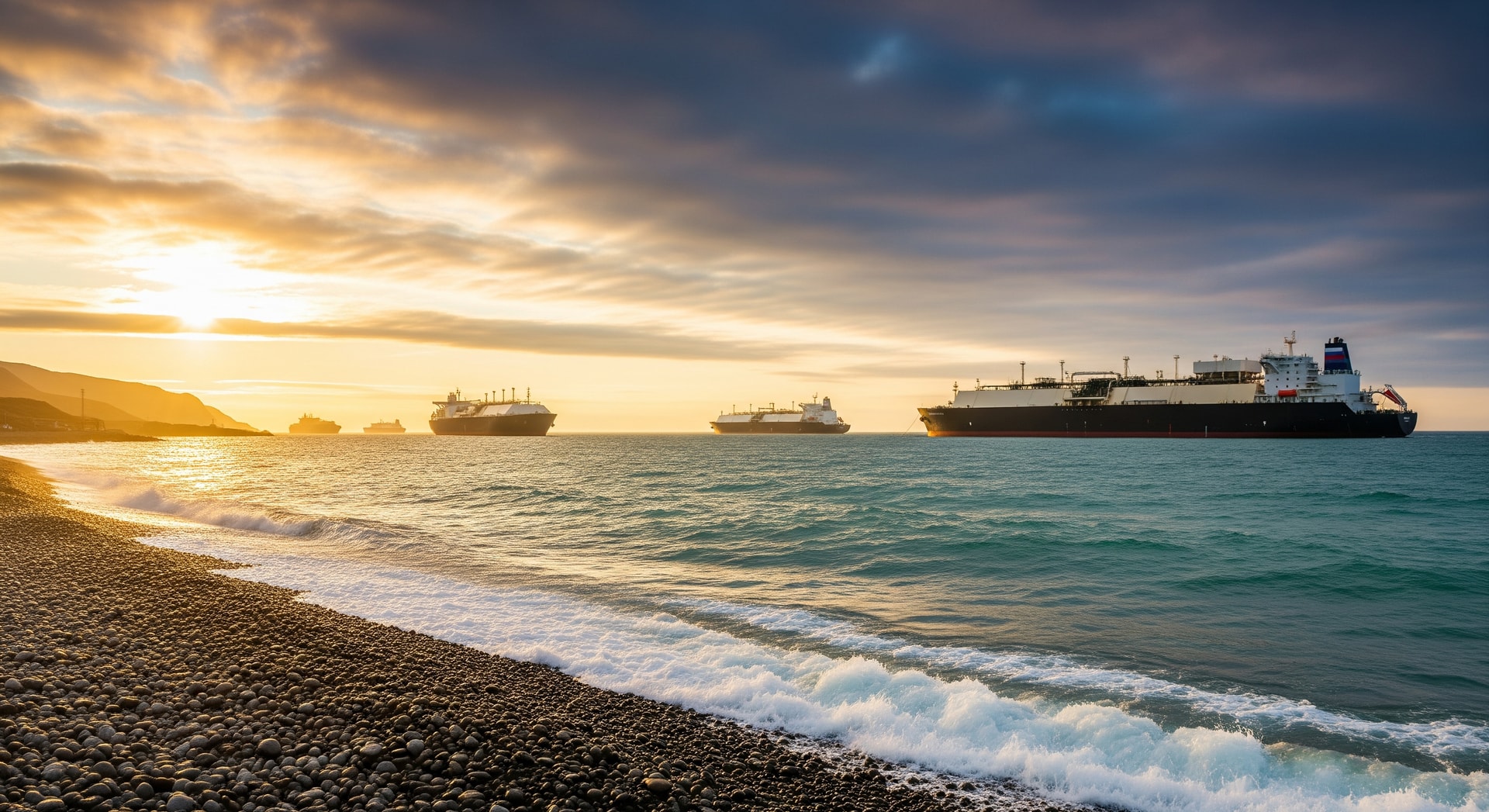
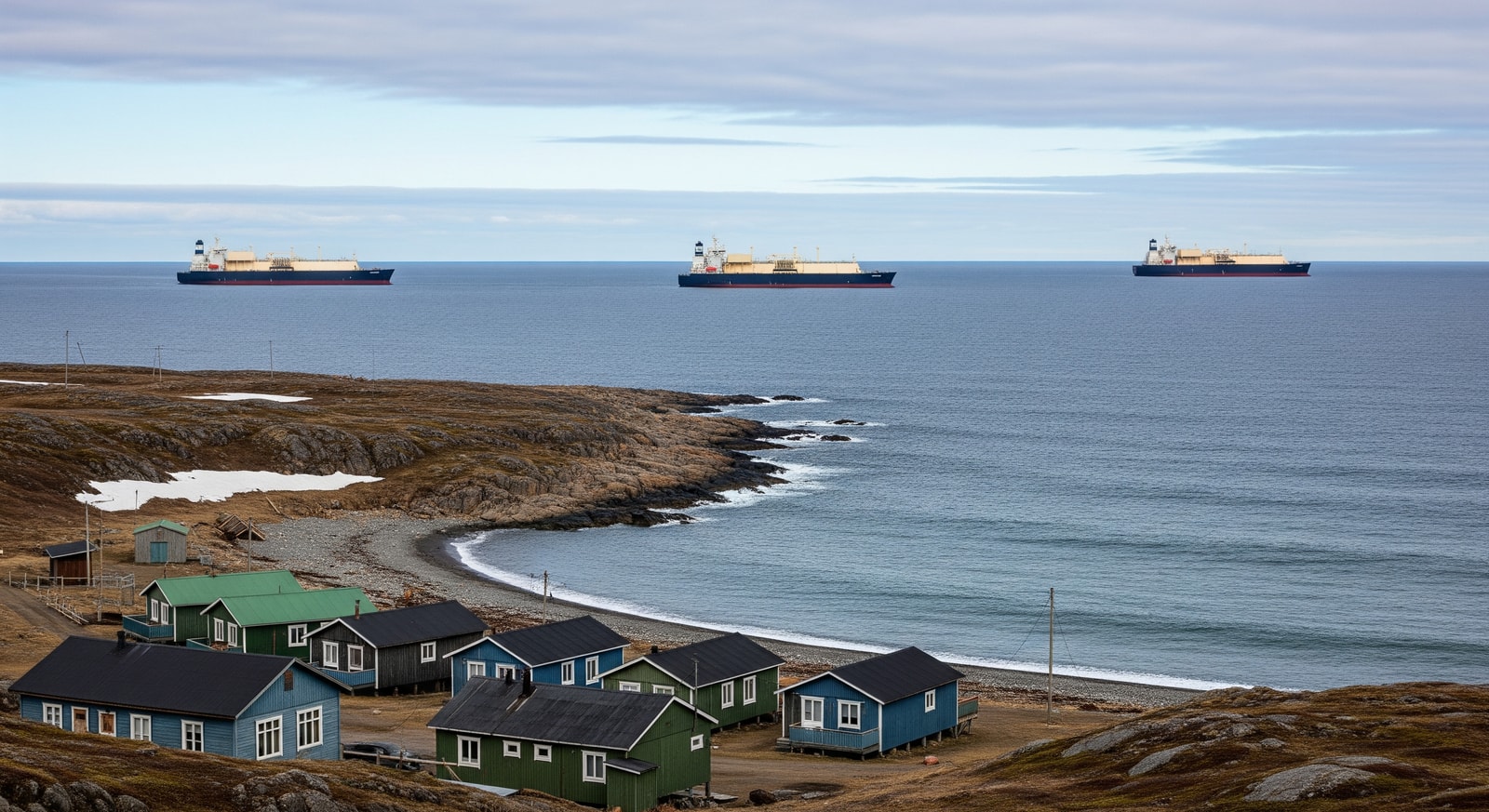
Ship-tracking records and local accounts indicate that these tankers are now repeatedly operating just offshore from Teriberka. In early February 2026 the concentration of activity increased noticeably, with multiple LNG carriers observed drifting near the village.
A logistics hub in plain sight
Teriberka’s location beside Ura Bay and the nearby Saam FSU makes it convenient for vessels to carry out bunkering, receive supplies, and coordinate ship-to-ship transfers. The Saam FSU — a roughly 400‑metre terminal ship — functions as an intermediate loading point where ice-class tankers hand off cargo to more conventional carriers.
- Noted vessels operating nearby: Le Perouse, Seapeak Yamal, Christophe de Margerie
- Saam FSU acting as a mid-way terminal for transfers
- Some ships in the area are explicitly targeted by EU and US sanctions
Human and environmental costs
For local residents the arrival of the shadow fleet brings mixed consequences. Tankers and related services create a new source of income in a region that has long struggled economically. At the same time, the environmental stakes are profound: the Barents Sea is exceptionally fragile, and older vessels operating without full ice-class certification or reliable insurance raise the risk of collisions or spills that could devastate fish stocks and the natural character that draws visitors.
Geopolitics arrives at the shoreline
Observers say the use of a dark fleet is intended to hide the origin and destinations of Russian gas shipments as Western nations move to reduce dependence on Russian LNG. With an EU target to phase out imports by 2027, pressure on hubs like Teriberka is expected to increase. Russia is also deploying domestically built carriers such as the Aleksei Kosyginto to shuttle cargo between storage units and keep flows going.
- Increased maritime traffic may deter some tourists and affect wildlife viewing
- Greater risk of environmental incidents could harm long-term tourism viability
- Local economies may see short-term gains but face reputational and ecological costs
As the Arctic becomes more strategically important, Teriberka illustrates how geopolitical decisions reverberate into small coastal communities. Whether it can sustain both tourism and a role in shadow maritime logistics is uncertain; for now, the village’s waters must accommodate both whales and the giants of the energy trade.
Why this matters: For travellers, tour operators and the wider industry, Teriberka’s shift signals changing risks and considerations when planning Arctic visits. Environmental vulnerability, increased industrial traffic and geopolitical sensitivity may affect access, safety perceptions and the sustainability of local tourism economies. Stakeholders should monitor developments closely and factor maritime activity and environmental protection into trip planning and destination management.
Sources