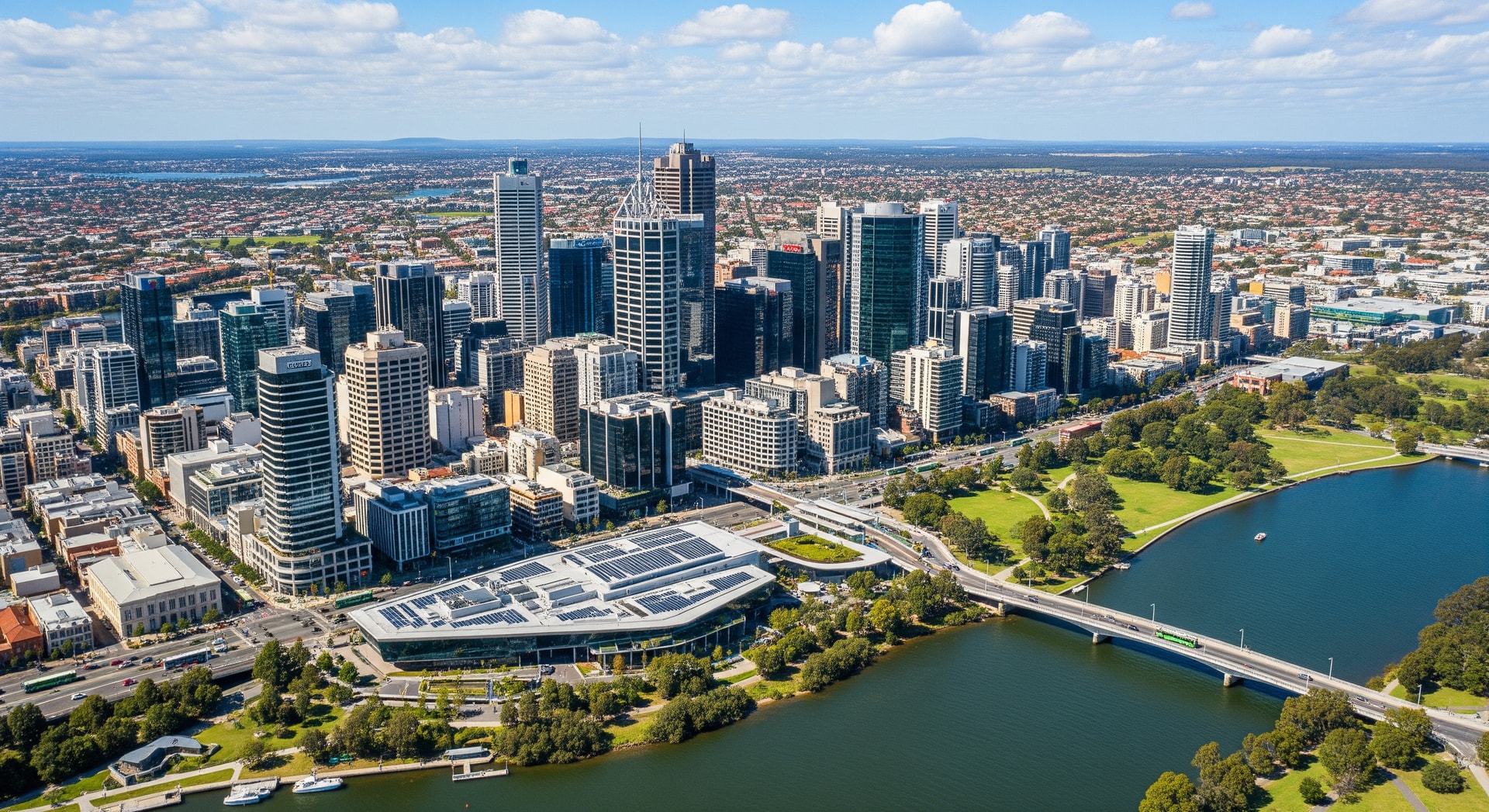
Australian cities are expanding sustainable tourism measures ahead of a projected 2026 visitor boom, with initiatives from Sydney’s emissions cuts to Melbourne’s solar‑powered trams.
Summary: Ahead of a predicted 2026 tourism boom, major Australian cities have embedded sustainable tourism practices into planning and operations — from Sydney’s emissions reductions to Melbourne’s solar‑powered trams and conservation projects in Perth and Brisbane.
Sustainable tourism is being prioritised across Australia as authorities prepare for a significant rise in visitors in 2026. Cities are formalising measures that tie tourism to lower emissions, conservation and cultural respect, ensuring that growth supports environmental and community outcomes.
Sydney — partnership delivers measurable carbon and water cuts
Sydney has framed sustainable tourism through formal collaboration between public authorities and the visitor sector. The City of Sydney’s Sustainable Destination Partnership — which brings together hotels and venues — aims to boost energy and water efficiency, reduce waste and electrify buildings. Since 2018 the partnership has reduced greenhouse gas emissions by 31 percent and cut water consumption by 21 percent. In 2025 the city was ranked twenty‑fifth on the Global Destination Sustainability Index.
Melbourne — renewable energy powering everyday experiences
Melbourne has linked routine city travel and cultural experiences with renewable energy. The city’s trams are supplied with renewable power from two solar farms in northern Victoria, and the Southbank depot alone produces 550 MWh of solar energy each year. Visit Victoria highlights eco‑friendly laneways, sustainable hotels and social‑enterprise cafés, while also promoting Aboriginal cultural experiences as part of the city’s green offer.
Brisbane — Mt Coot‑tha vision combines conservation and visitor experiences
Brisbane’s Mount Coot‑tha Precinct Vision focuses on protecting and enhancing a key urban natural asset for tourism, education and recreation. Plans include new eco‑tourism offerings, habitat restoration and a proposed long‑distance recreational trail. Community engagement and project planning were scheduled across 2025–2026 to shape how the precinct will serve conservation and visitor needs.
Perth — Kings Park blends conservation, culture and visitor access
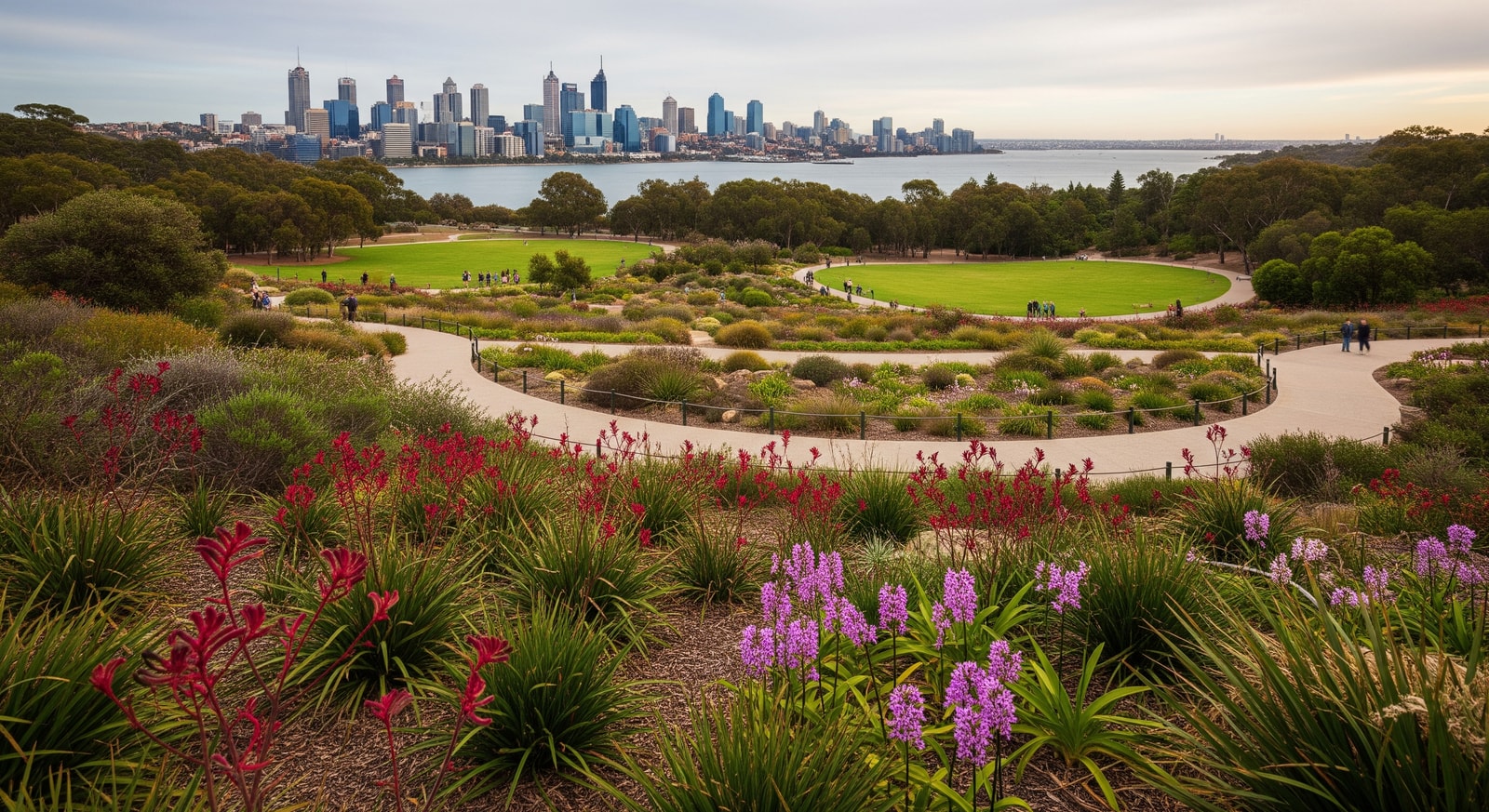
Western Australia’s Kings Park and Botanic Garden is managed with a clear conservation and visitor strategy. The park’s 2021–2026 management plan emphasises community engagement, science, plant conservation and interpretation of Aboriginal heritage. Visitors can expect conservation‑led walks and educational programs that integrate culture and biodiversity protection.
Adelaide — certified carbon neutrality and electric transport options
Adelaide has been certified carbon‑neutral under Climate Active and is building out low‑carbon transport for visitors. The City of Adelaide reports more than fifty electric vehicle charging stations across the city and North Adelaide, and sustainable events guidelines encourage organisers to reduce waste and resource use. These credentials are positioned to reassure visitors seeking low‑impact travel options.
Canberra — living forests and biodiversity at the National Arboretum
The National Arboretum Canberra provides a major conservation and education attraction. Housing more than 44,000 rare and endangered trees across 250 hectares, the arboretum supports research, interpretation and recreational access that link visitor activity with biodiversity protection and environmental learning.
Northern Territory and Gold Coast — authentic, certified and funded schemes
The Northern Territory Government’s Sustainable Tourism Action Plan focuses on environmental protection, respect for Aboriginal cultures and community benefits, funded in part through grants that support reduced ecological footprints and community projects. Meanwhile, the City of Gold Coast has launched a nature‑based tourism program that supports low‑impact experiences and encourages operators to pursue Ecotourism Australia ECO and Sustainable Tourism certifications; more than thirty local businesses already hold such certifications and a second funding round was scheduled for mid‑2026.
Why this matters for travellers and the industry
As international and domestic travel rebounds in 2026, these city‑level measures mean visitors will find better‑managed attractions, clearer sustainability credentials and more low‑carbon options. For operators and destination planners, the initiatives show how verified targets — from emissions cuts to certifications and conservation plans — can align visitor growth with environmental and cultural protection. Choosing destinations and businesses with official eco‑credentials supports local communities while helping to limit the tourism footprint.
Sources