Saudi Arabia is pushing AI in Saudi tourism as part of a regional strategy presented at the 52nd UN Tourism Regional Commission in Kuwait City, linking technology with sustainable growth and investment.
Summary: At the 52nd UN Tourism Regional Commission in Kuwait City, Saudi Arabia positioned AI in Saudi tourism as a strategic, human-centred tool to boost sustainable growth across the Middle East. The Kingdom now accounts for nearly 30% of the region's tourism market, with the Middle East receiving almost 100 million visitors in 2025 — a 39% increase from 2019.
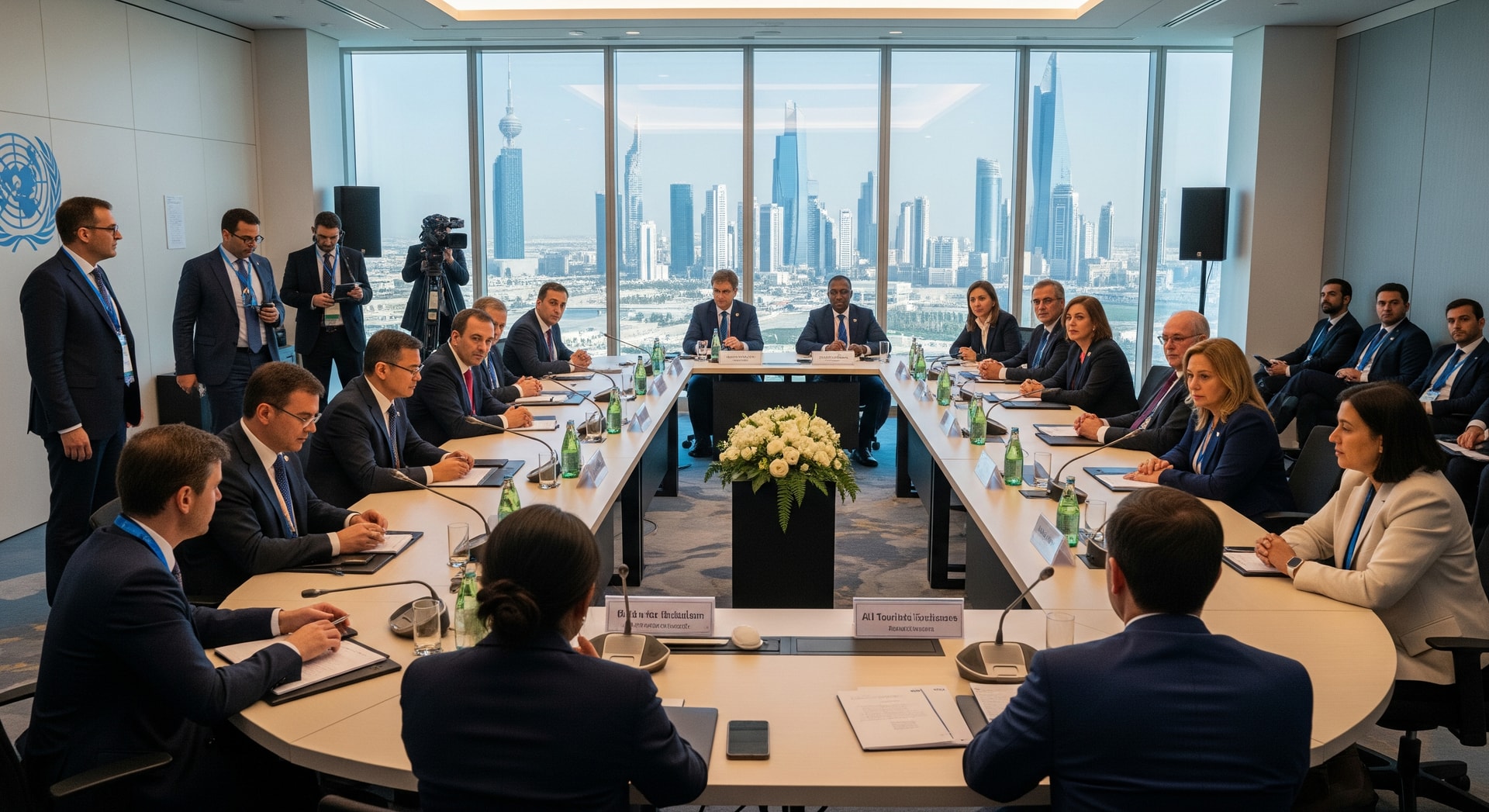
Saudi Arabia has stepped forward as a leading advocate for integrating AI in Saudi tourism and for driving sustainable expansion across the Middle East. The Kingdom highlighted this push during the 52nd UN Tourism Regional Commission held in Kuwait City, where officials stressed the need for a cohesive regional tourism ecosystem supported by international cooperation.
Saudi Arabia’s expanding regional influence
Officials at the commission noted that Saudi Arabia now represents nearly 30 percent of the Middle East’s tourism market. That growth has made the Kingdom a central driver of regional visitor numbers and spending, and a model for other nations aiming to increase tourism receipts.
The global and regional economic scale of tourism
Delegates underlined tourism’s vast economic footprint: the sector contributes roughly 10 percent of global economic activity and is valued at about $10 trillion worldwide. Within the Middle East, international arrivals climbed strongly in 2025, rising by 39 percent compared with 2019 and bringing almost 100 million visitors to the region last year.
- Saudi Arabia: nearly 30% of the Middle East tourism market
- Global tourism contribution: ~10% of world economy (~$10 trillion)
- Middle East arrivals in 2025: nearly 100 million visitors
- Growth vs 2019: 39% increase in international arrivals
AI as a strategic, human-centred enabler
The commission’s discussions placed Artificial Intelligence at the centre of future-ready tourism, while emphasising responsible deployment. Delegates agreed that AI should accelerate efficiency and innovation in services, but not at the expense of the human touch that defines hospitality.
Speakers highlighted the importance of protecting employment even as technologies are adopted, advocating for a balance that keeps service delivery people-centred while harnessing AI’s productivity gains.
Diplomatic outreach and investment conversations
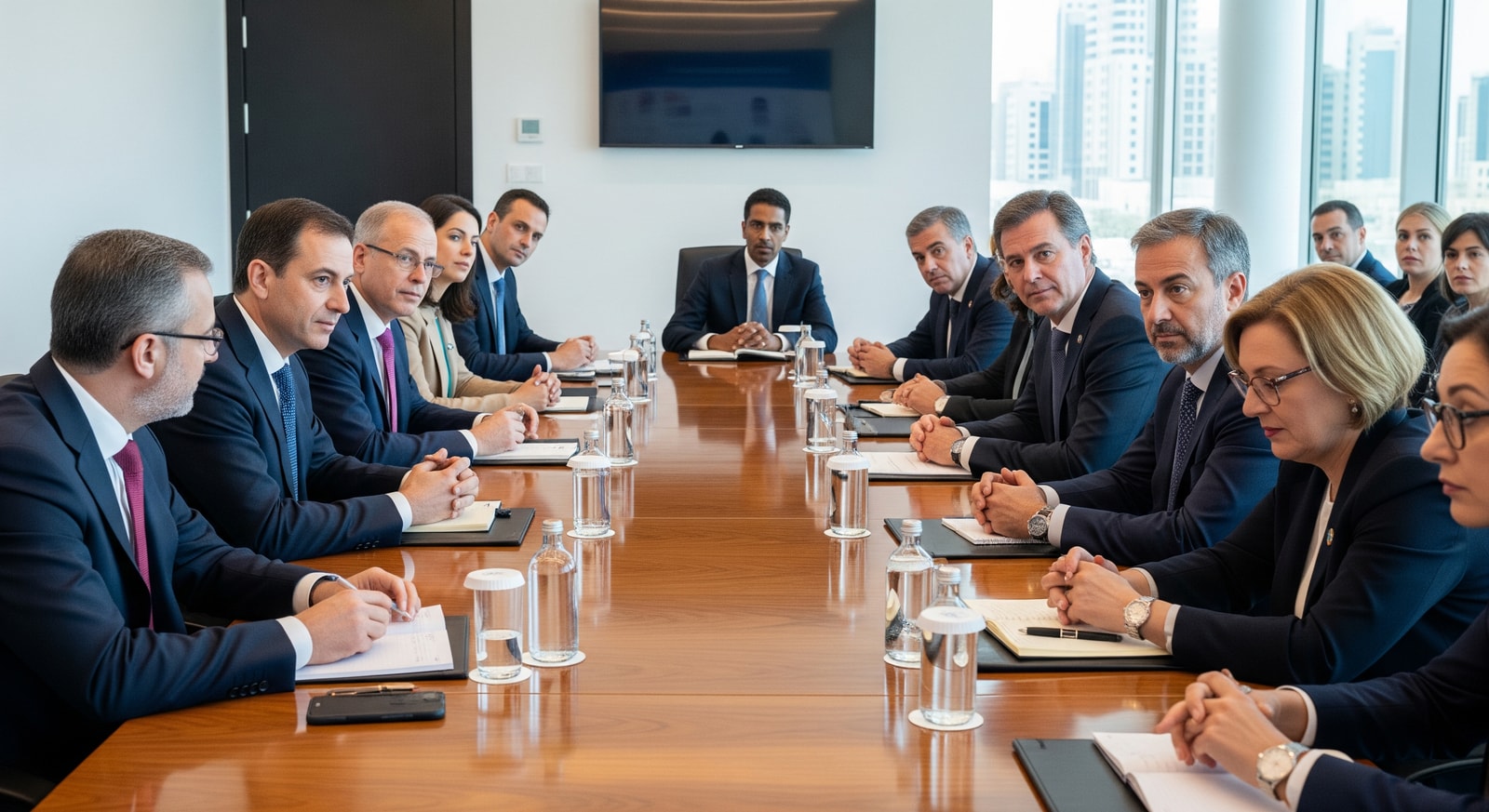
On the sidelines of the meeting, Tourism Minister Ahmed Al-Khateeb held talks with regional counterparts to strengthen policy alignment and resilience. He also met with Kuwaiti investors to explore opportunities within Saudi Arabia’s integrated investment framework designed to attract sustainable, long-term capital.
The Riyadh Declaration’s continuing influence
Delegates recalled that the Kuwait meeting was the region’s first commission since the 26th UN Tourism General Assembly in Riyadh, where the Riyadh Declaration on the Future of Tourism established a global commitment to sustainability and human-centred AI. Those principles remain a touchstone for policy choices across member states.
Building resilience through sustainable frameworks
Saudi Press Agency reporting, cited at the commission, described ongoing efforts to create infrastructure and regulatory frameworks that help the region withstand global economic fluctuations. Sustainable practices are being treated as fundamental requirements for new projects aligned with the Kingdom’s long‑term vision.
What this means for travelers and the industry
Greater adoption of responsible AI and sustained investment could improve service quality, personalize travel experiences and expand infrastructure across the Middle East. For the industry, the emphasis on sustainability and human-centric technology aims to protect jobs while unlocking new efficiencies and market growth.
So what? Travelers can expect more tailored services and smoother interactions as AI tools are incorporated, while investors and operators should watch for opportunities tied to Saudi Arabia’s integrated investment ecosystem and regional policy alignment.
Sources