The Solomon Islands tourism boom is set to drive job creation and broader economic growth, according to Prime Minister Jeremiah Manele, following new government-backed upgrades in Central Guadalcanal.
Summary: Prime Minister Jeremiah Manele says the Solomon Islands’ tourism sector is positioned to become a major source of jobs and economic growth. His comments followed the opening of the upgraded Parangiju Mountain Lodge in Central Guadalcanal, a project supported by the Government’s Budget Support Programme with SBD$2 million in public funding and SBD$400,000 from the lodge.
The Solomon Islands tourism boom could soon translate into more employment and stronger local livelihoods, Prime Minister Jeremiah Manele said at a press conference on 6 February 2026. He described tourism as an emerging pillar for economic growth, with the potential to create new jobs, strengthen small businesses, and spread benefits to communities across the country.
Manele’s remarks came after the opening of the upgraded Parangiju Mountain Lodge in Central Guadalcanal on 16 January 2026. The lodge project, funded through the Government’s Budget Support Programme, was presented as part of a wider national push to improve tourism offerings while supporting local economic activity.
Government funding targets tourism infrastructure
In his address, the Prime Minister pointed to the Solomon Islands Government (SIG) as a key backer of tourism development through targeted investment. He highlighted Parangiju Mountain Lodge as an example of how public support and private contributions are being combined to expand capacity and improve services for visitors.
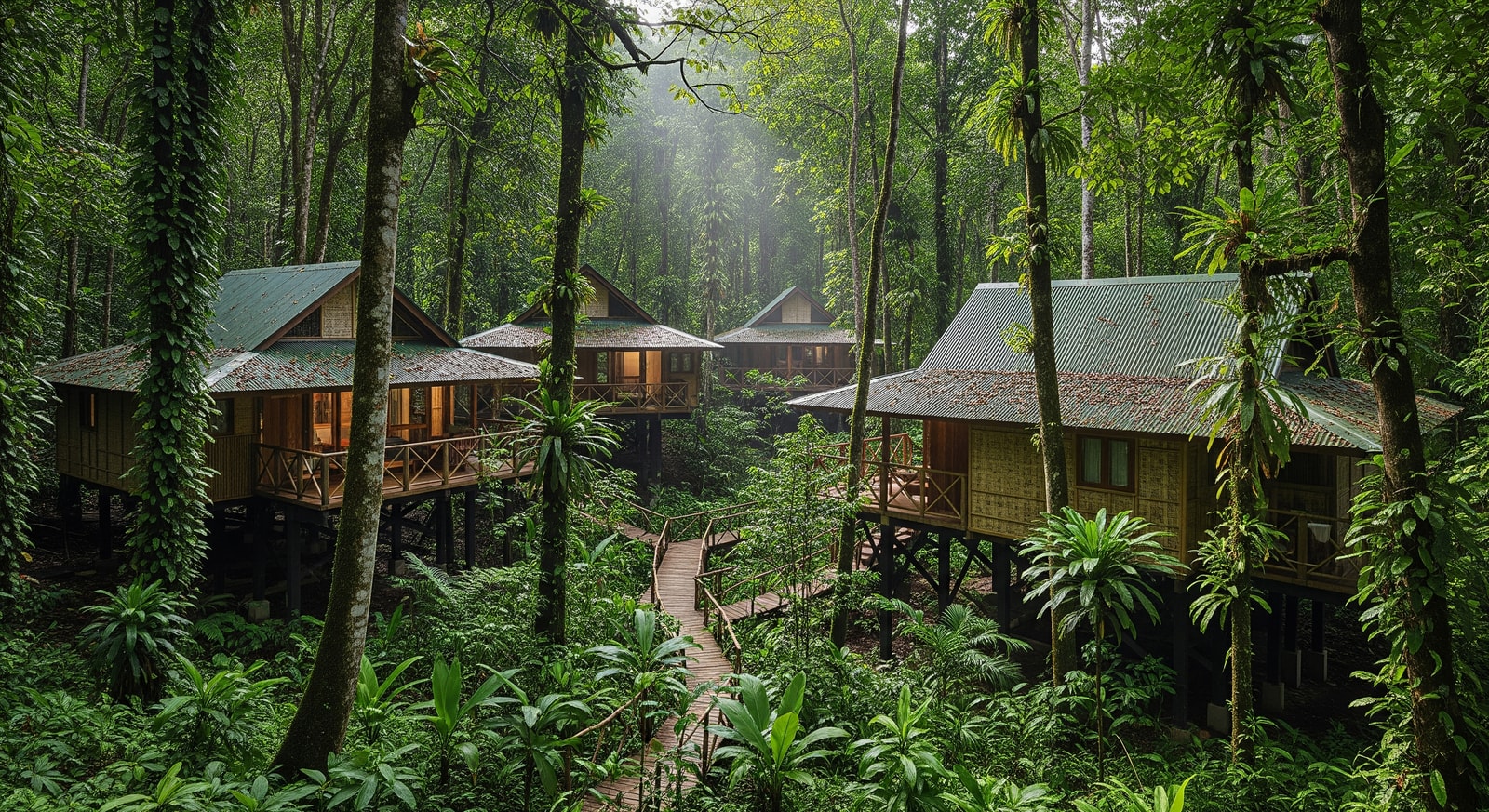
According to the details shared, the government contributed SBD$2 million to the Parangiju upgrade, while the lodge added SBD$400,000. The expansion included three new bungalows and a new conference room, increasing the property’s ability to host guests and potentially attract additional segments of the travel market.
Parangiju Mountain Lodge upgrades in Central Guadalcanal
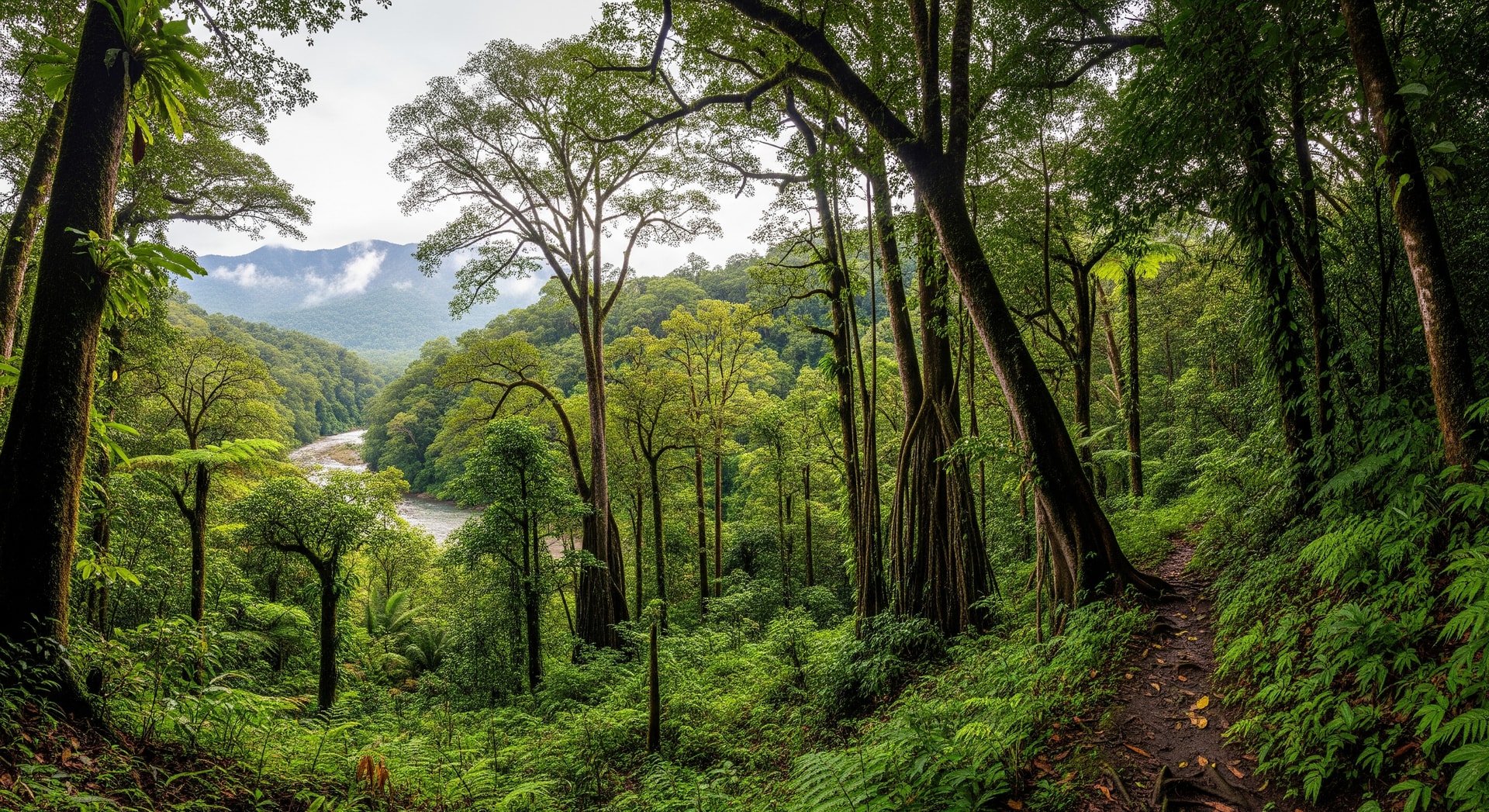
The upgraded lodge sits within Central Guadalcanal’s tropical rainforest, and the Prime Minister framed the project as an early step in a broader effort to strengthen tourism infrastructure. He said the work reflects ongoing cooperation among local operators, surrounding communities, and the government to grow the sector in a way that supports local participation.
- Press conference date: 6 February 2026
- Upgraded lodge opening: 16 January 2026
- Government contribution: SBD$2 million
- Lodge contribution: SBD$400,000
- New facilities: three bungalows and a conference room
More hotel upgrades planned in Central Province
Manele said the Parangiju project is expected to be followed by additional improvements elsewhere. Similar upgrades are anticipated at the Raiders Hotel and the Pacific Crown Hotel on Double Island in Central Province, which are intended to broaden accommodation choices and services for travelers.
He also emphasized the role of these initiatives in helping local businesses increase capacity and refine what they offer. The expectation is that expanded facilities and more varied services will improve the visitor experience and support higher tourism revenue, while also strengthening local economic development.
Job creation and community benefits from tourism
A central point in the Prime Minister’s comments was the impact tourism can have beyond hotels and lodges. At Parangiju Mountain Lodge, guided tours to Tenaru Falls—about an hour’s walk from the lodge—were cited as an example of how local guides and service providers can benefit directly as visitor numbers increase.
Manele said tourism employment is not limited to hospitality roles. He pointed to related work in areas such as transportation, local crafts, and food services, suggesting that a growing visitor economy can support a wider network of jobs and micro-enterprises.
Eco-tourism and sustainable development goals
The Prime Minister also linked tourism growth to sustainability, describing Parangiju Mountain Lodge as an illustration of eco-tourism that can generate income while supporting the protection of natural resources. The lodge is family-owned and positioned as a provider of responsible tourism experiences that highlight local culture and eco-friendly practices.
He said the expansion of eco-tourism aligns with broader national development aims, including attracting environmentally conscious travelers while preserving landscapes for future generations. The government’s approach, as described, is to balance economic gains with environmental stewardship as tourism offerings expand.
Outlook: partnerships and visitor growth
Looking ahead, Manele expressed optimism that tourism will continue to rise, supported by infrastructure investment and tourism training programs. He said the Ministry of Culture and Tourism is focused on strengthening cooperation between government, local operators, and the private sector to unlock additional potential through upgraded hotels, new experiences, and targeted marketing.
He also pointed to the importance of key visitor markets, noting Australia as one of the sources of travelers. As arrivals increase, the government’s stated goal is to ensure tourism growth is inclusive—supporting economic diversification while protecting the Solomon Islands’ natural and cultural assets.
Why this matters for travelers and the industry
For travelers, these developments signal a destination investing in accommodation, services, and eco-tourism experiences—potentially expanding options in places like Central Guadalcanal and Central Province. For the tourism industry, the combination of SIG funding, local operator contributions, and planned hotel upgrades suggests a coordinated effort to grow capacity while keeping community participation and sustainability at the center of tourism development.
Sources