Portugal wine tourism is gaining global attention, with the country’s historic vineyards and diverse wine styles drawing travellers from around the world.
Summary: Portugal wine tourism is rising as a global draw thanks to its historic wine regions, UNESCO-listed landscapes, and a broad range of wine styles—from Port to light Vinho Verde—supported by growing visitor infrastructure.
Portugal has become one of Europe's most sought-after wine destinations. Its deep-rooted winemaking history and the geographic variety of vineyards across compact territory are attracting both novice and experienced wine travellers who want immersive tasting and cultural experiences.
The Douro Valley: Portugal’s iconic wine landscape
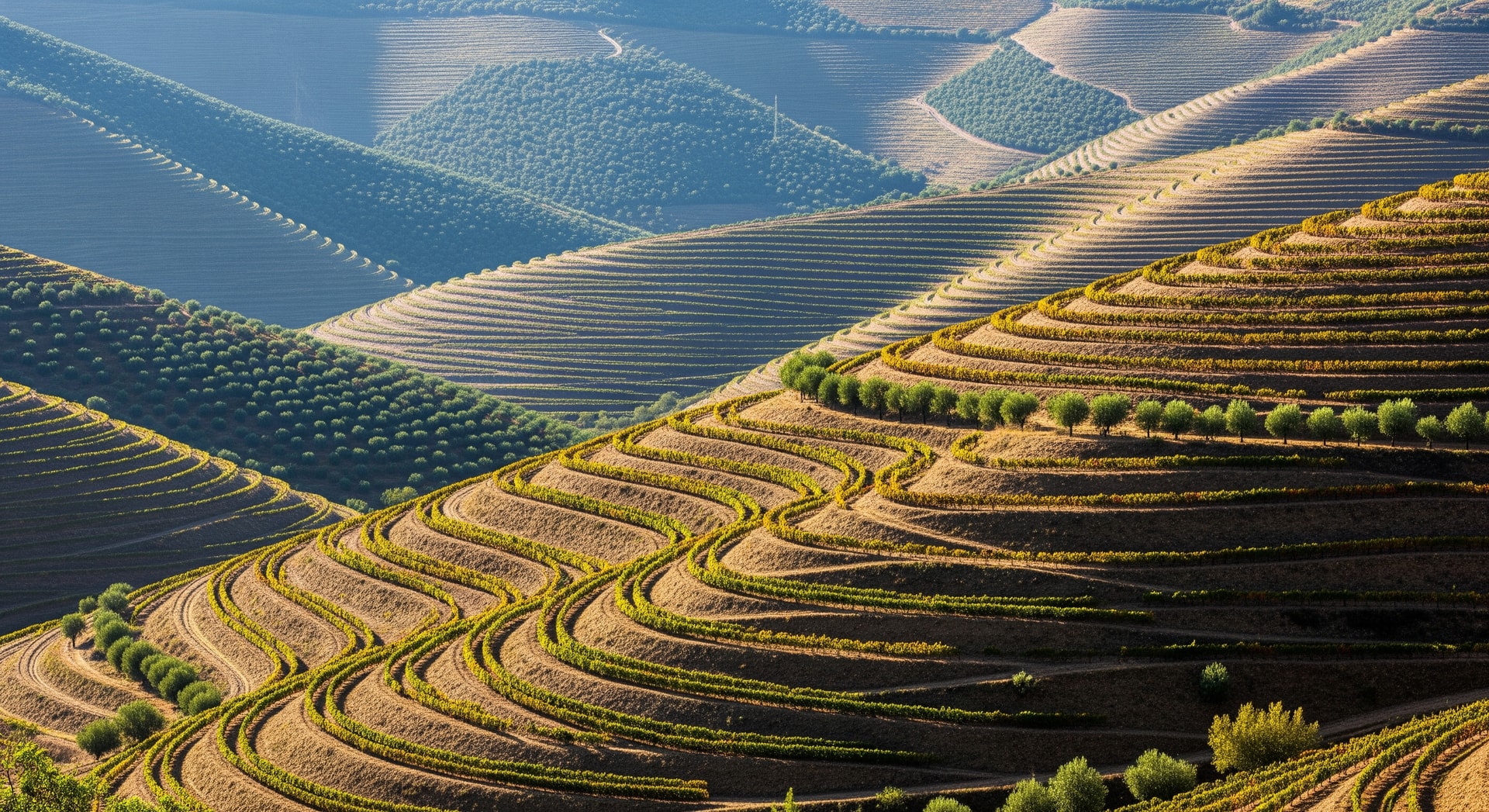
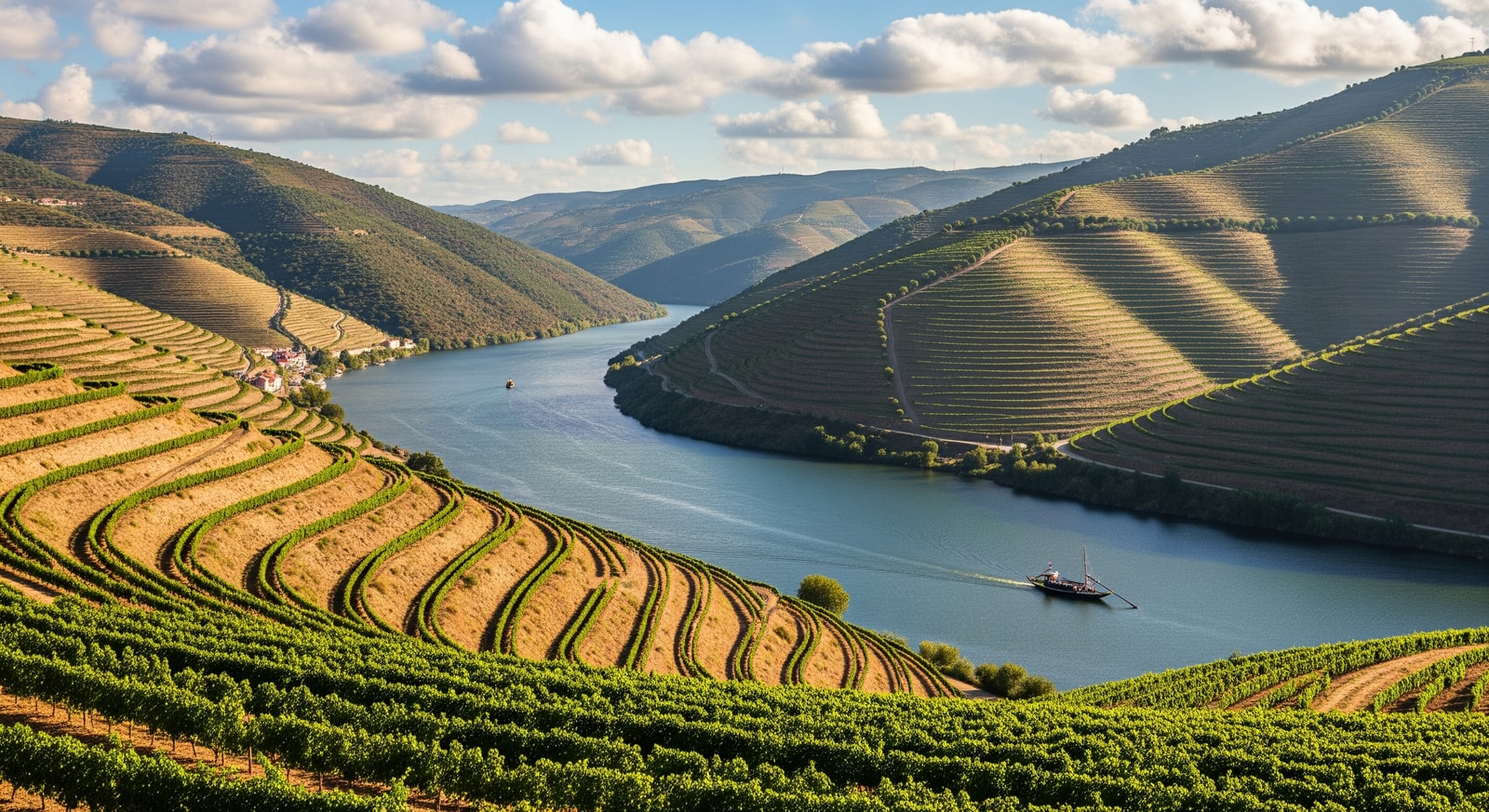
The Douro Valley in northern Portugal stands out as one of the country’s most celebrated wine regions. Famous for its terraced vineyards along the Douro River, the valley combines winemaking heritage with cultural and scenic significance and has been recognised as a UNESCO World Heritage Site.
Port wine remains the region’s signature product. Produced with a fortification process in which grape brandy is added during fermentation, Port results in a sweeter, higher-alcohol wine. Porto and Vila Nova de Gaia host many historic cellars where visitors can join tastings and learn the traditional production methods behind this fortified style.
Beyond Port: Diverse regions and wine styles
- Vinho Verde: In northern Portugal, known for light, crisp whites ideal for warm weather and easy drinking.
- Alentejo: In the south, producing robust reds and whites with rich, full-bodied profiles.
- Lisbon region: Coastal conditions yield modern, contemporary wines driven by innovation.
- Madeira and Dão: Regions with distinct, locally influenced wine traditions and unique flavour profiles.
This range of regions and styles means travellers can sample contrasting wines within relatively short distances, making Portugal particularly appealing for wine-focused itineraries that mix traditional estates and newer, experimental wineries.
Wine tourism infrastructure is expanding
Rising interest in wine travel has prompted investment in visitor facilities across Portugal. Tour options now range from luxury wine cruises and guided vineyard tours to intimate tastings and food-and-wine pairings that highlight Portugal’s culinary traditions alongside its wines.
Why Portugal stands out for wine travellers
- Historical regions: Centuries of winemaking lend authenticity to visits across established estates.
- UNESCO landscapes: Scenic vineyards such as the Douro offer visual as well as gustatory appeal.
- Distinct wine culture: The Port tradition in Porto and Vila Nova de Gaia provides a unique fortified wine experience.
- Wide wine variety: From light Vinho Verde to hearty Alentejo reds, Portugal caters to many palates.
- Improved visitor services: A growing range of experiences serves both beginners and connoisseurs.
New wineries are joining historic producers, creating a dynamic scene where traditional methods coexist with modern experimentation. This evolution keeps Portugal’s wine tourism offering fresh and attractive to repeat visitors and newcomers alike.
What this means for travellers
For travellers, Portugal offers accessible, varied wine experiences in compact geographies: visitors can pair scenic drives with cellar tours, taste region-specific wines, and enjoy cuisine that complements local vintages. The expanding infrastructure makes booking specialised tours and tastings easier than before.
So what? Portugal’s rising profile in wine tourism means better options for travellers—more guided experiences, a wider selection of wines to taste, and improved facilities—making it an increasingly rewarding destination for anyone interested in wine, food and cultural travel.
Sources