Ohio snowstorm has placed Butler and Hamilton counties under Level 1 snow emergencies and travel advisories as heavy snow and gusty winds create dangerous road conditions and visibility issues.
Summary: An Ohio snowstorm has prompted Winter Weather Advisories and Level 1 Snow Emergency alerts for Butler and Hamilton counties. Up to 2 inches of snow and wind gusts near 25 mph are creating icy, low-visibility roads and travel disruptions.
A winter storm moving through Ohio has led local authorities to place Butler and Hamilton counties under snow advisories and Level 1 Snow Emergency alerts as accumulations increase and road conditions deteriorate. The National Weather Service (NWS) has warned of up to 2 inches of snowfall, with high winds that could produce drifting and reduce visibility for motorists.
Current conditions and short-term forecast
The NWS expects heavier snow to continue through the morning and taper by early afternoon. Alongside the snowfall, gusty winds — forecasted up to 25 mph — are likely to blow snow into drifts and create sudden visibility problems on area roadways. Colder temperatures accompanying the storm raise the risk that untreated surfaces will freeze and form hazardous icy patches.
Authorities are urging residents to avoid non-essential travel. For those who must drive, officials recommend slowing down, increasing following distances, and watching for slick spots on bridges and overpasses where ice forms first. Plowed roads may still develop slush that can refreeze as temperatures fall.
- Snow accumulation: up to 2 inches
- Wind gusts: up to 25 mph
- Advisories: Winter Weather Advisories and Level 1 Snow Emergency
- Primary areas affected: Butler and Hamilton counties
- Visibility: potentially severely reduced on roads
Local government actions and public safety measures
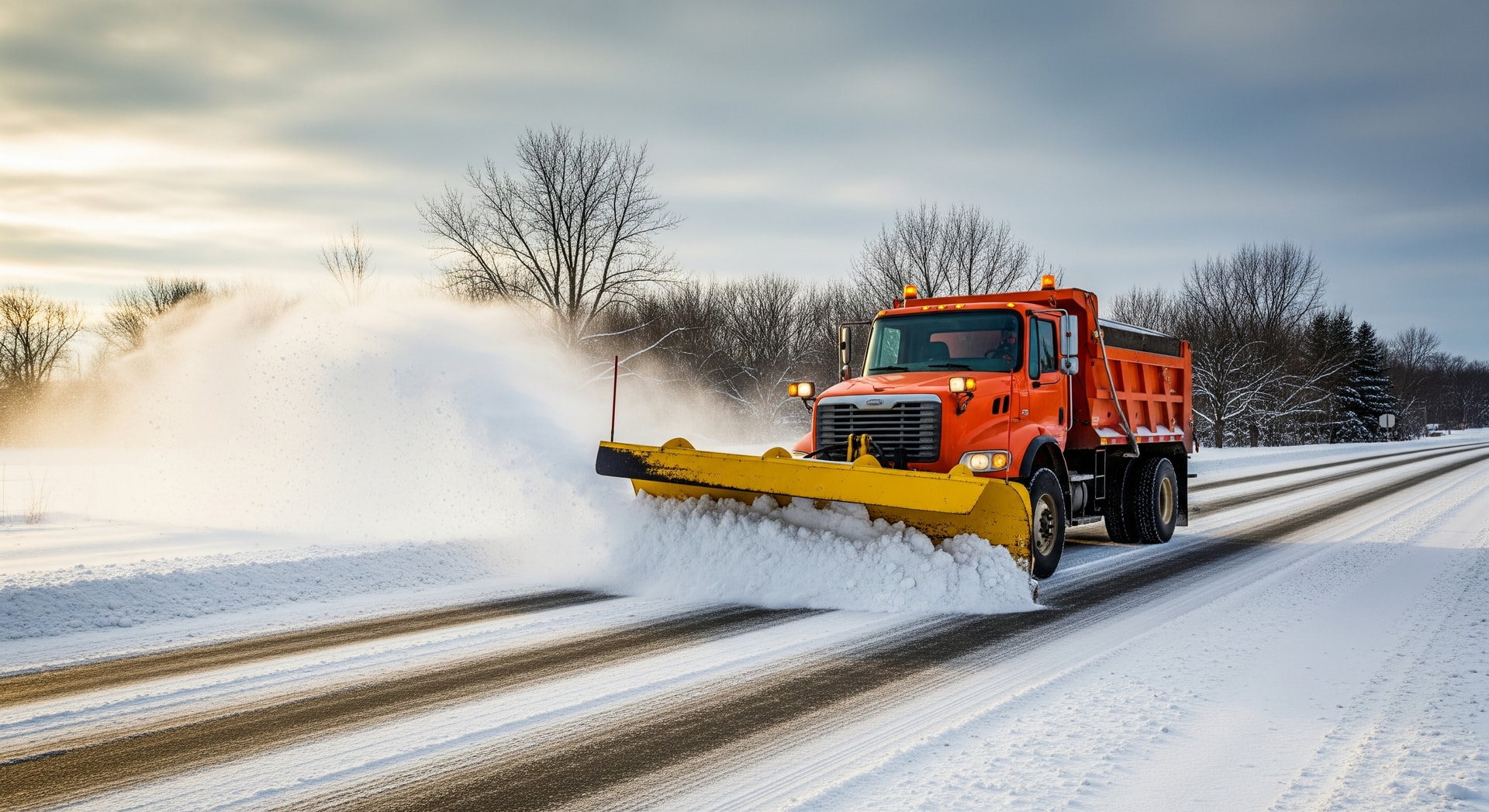
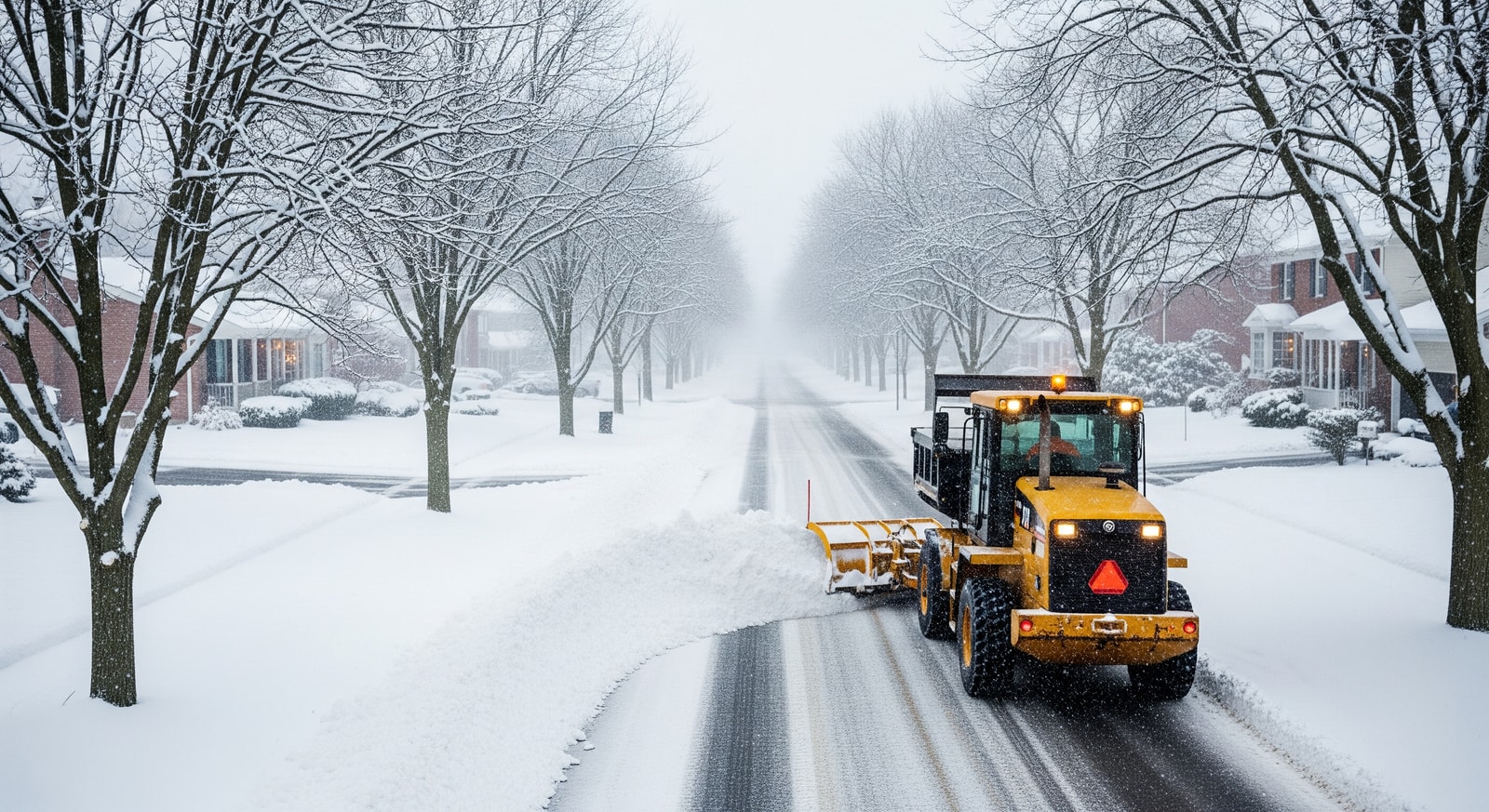
Butler County Emergency Management and the Hamilton County Sheriff’s Office are actively monitoring the situation. Both counties have activated their snow emergency systems and issued Level 1 warnings, asking residents to exercise caution rather than imposing a full travel ban. Snowplows and salt trucks have been dispatched, but officials caution that heavy snowfall may keep roads treacherous for roughly the next 24 hours.
Travel and road safety tips
Officials are sharing practical guidance for anyone who must be on the roads. Simple precautions can reduce the risk of accidents when visibility is limited and surfaces are slick: adjust speed to conditions, maintain extra space from other vehicles, and be especially cautious on elevated roadways that freeze sooner than ground-level lanes.
- Drive slowly and allow extra time for travel
- Keep a safe distance from other vehicles
- Avoid bridges and overpasses when possible
- Ensure your vehicle is winter-ready (tires, antifreeze, lights)
- Carry an emergency kit with blankets, food, water and a mobile charger
Wider impacts: airports, schools and businesses
The storm is disrupting travel and daily routines across the region. Cincinnati/Northern Kentucky International Airport is facing cancellations and delays tied to the system, while many schools in Butler and Hamilton counties have delayed openings or closed for the day. Businesses are responding by closing early or enabling remote work when possible, and emergency services are ensuring hospitals and shelters remain reachable.
Why this matters
According to the National Oceanic and Atmospheric Administration (NOAA), the system formed in the Midwest and has strengthened as it moved eastward, prompting advisories across several states. As the storm departs, crews will focus on clearing and treating roads, but lingering sub-freezing temperatures could cause slush to refreeze into ice, keeping conditions hazardous until thorough treatments are complete.
What this means for travelers and residents: expect continued travel disruption, allow extra time for essential trips, and follow local authorities’ updates. Staying off the roads when possible protects you and allows emergency and snow removal crews to work more effectively — a small decision that can reduce accidents and speed recovery across the community.
Sources