Mexico has joined the iCOAST initiative to advance sustainable coastal tourism, aiming to cut emissions, reduce pollution and deliver social and economic benefits to coastal communities.
Summary: Mexico has joined the Global iCOAST Program to advance low-carbon coastal tourism across six states, targeting reductions of more than 405,000 metric tons of CO2 and delivering benefits to over 877,000 people while protecting marine ecosystems.
Mexico has formally joined the iCOAST initiative, a programme designed to steer coastal tourism toward low-carbon, pollution-free practices while reinforcing marine conservation and inclusive local economies. The iCOAST initiative will be led in Mexico by the Ministry of Tourism (SECTUR) and aims to align coastal tourism operations with broader climate and environmental goals.
Vision and objectives of the iCOAST initiative
The iCOAST initiative seeks to transform how coastal destinations operate by encouraging low-carbon tourism models, cutting pollution, and supporting circular economy practices. SECTUR frames the programme as a means to increase climate resilience in coastal communities while generating sustainable economic growth through green jobs and eco-friendly tourism services.
Targeted states and local focus
SECTUR will roll out iCOAST activities across six coastal states where tourism and marine biodiversity are particularly important for local economies and livelihoods.
- Baja California
- Baja California Sur
- Sonora
- Sinaloa
- Nayarit
- Jalisco
Environmental targets and global cooperation
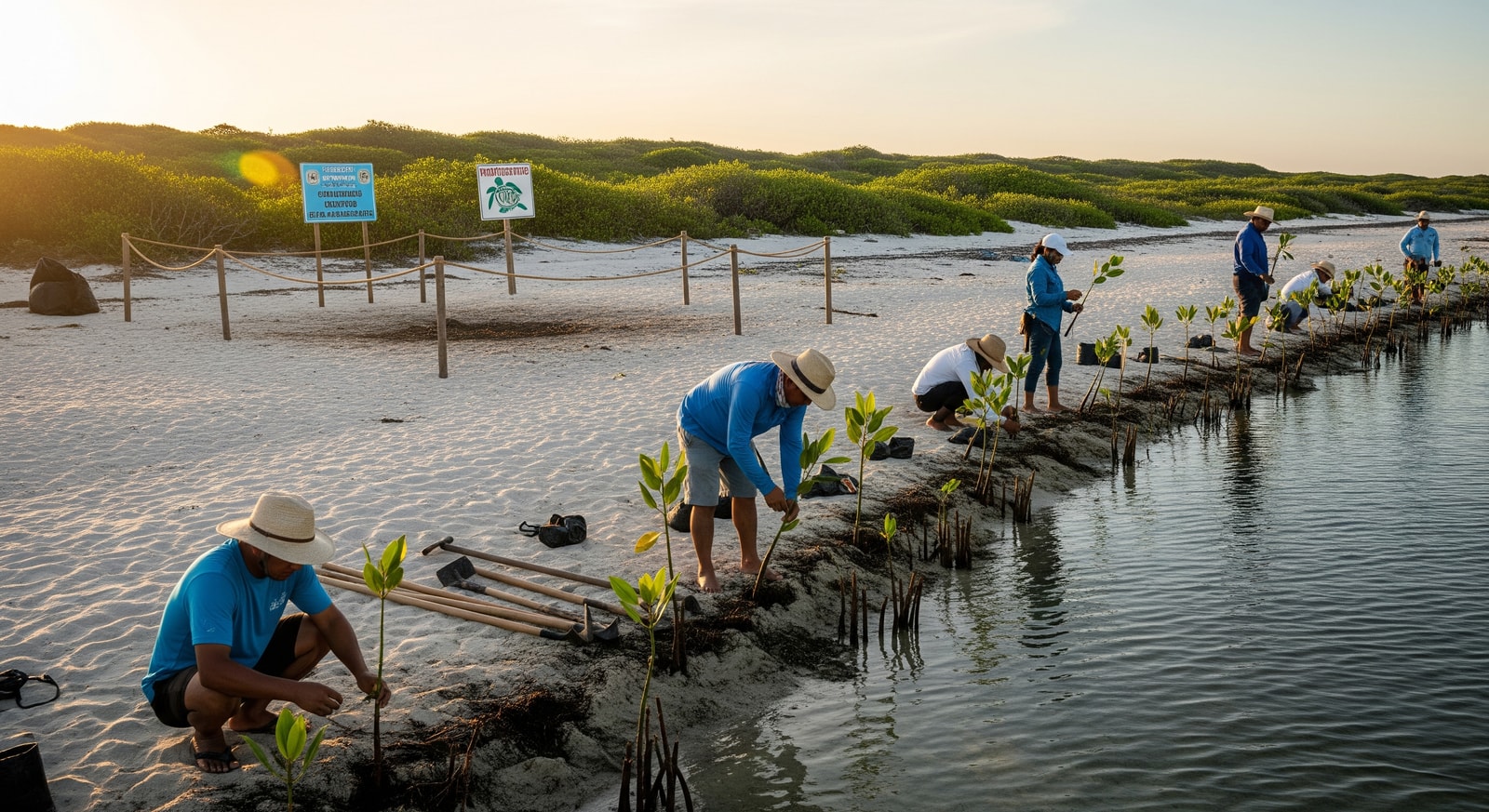
SECTUR estimates the Mexican iCOAST programme will cut more than 405,000 metric tons of carbon dioxide emissions. Alongside emissions reductions, activities will tackle plastic waste, toxic chemicals and other hazardous materials that threaten coastal and marine ecosystems.
The Mexican effort is part of the wider Global iCOAST Program, which receives support from the Global Environment Facility (GEF) and brings together countries committed to sustainable coastal tourism and marine conservation.
Countries and programmes contributing to the movement
Mexico joins a roster of nations including Belize, Indonesia, the Maldives and Jamaica that have embedded iCOAST principles into coastal management and tourism planning. Other countries and regional initiatives—such as Seychelles’ Blue Bond and various African COAST projects—are advancing similar goals through finance, policy and community engagement.
- Belize: eco-tourism and marine reserve stewardship
- Indonesia: protecting extensive marine biodiversity
- Maldives: balancing tourism with fragile ecosystems
- Jamaica: strengthening coastal zones and community benefits
- Seychelles and several African nations: complementary conservation finance and regional projects
Social and economic impacts
Beyond environmental gains, iCOAST in Mexico is expected to generate measurable social and economic benefits. SECTUR projects the initiative will directly benefit over 877,000 people in coastal areas through job creation, support for local enterprises and measures that promote gender equality and social inclusion.
By prioritising green jobs in eco-tourism, marine conservation and sustainable operations, iCOAST aims to ensure that tourism-driven income is more widely shared among communities that depend on coastal resources.
Why this matters for travellers and the tourism industry
So what? For travellers, Mexico’s adoption of the iCOAST initiative signals a commitment to healthier coastal environments, cleaner beaches and better-managed marine attractions—factors that enhance visitor experiences and help protect the natural assets that draw tourists. For industry stakeholders, iCOAST offers a framework to future-proof tourism operations against climate risks while opening opportunities for sustainable investment and community partnerships.
Sources